
Side Dishes
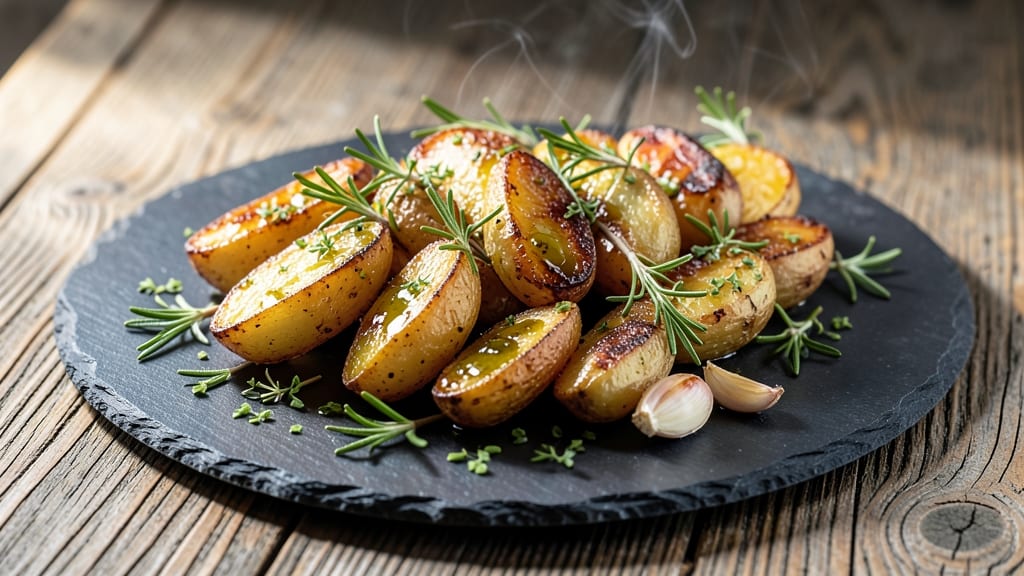
Gordon Ramsay’s fingerling potatoes recipe delivers the perfect balance of crispy skin and buttery interiors that elevate any meal. This method transforms simple fingerlings into a restaurant-worthy side dish with just a few key techniques.
The secret lies in high-heat roasting followed by a quick pan sear, creating that signature crispiness while keeping the inside tender and flavorful.
What sets this recipe apart is Ramsay’s precision—using just enough olive oil, salt, and fresh herbs to enhance rather than overpower the natural taste of the potatoes. The process is straightforward but requires attention to timing, ensuring the skin becomes golden and crispy without burning.
This dish pairs beautifully with grilled meats, fish, or even as a standalone appetizer.
By the end, you’ll have perfectly cooked fingerling potatoes that look as impressive as they taste—crispy on the outside, creamy and buttery within. The aroma alone will have everyone at the table asking for seconds. Ready to master this technique? Let’s get started with the ingredients and step-by-step instructions.
This recipe is designed to be foolproof, whether you’re cooking for a weeknight dinner or a special occasion. The key to success is patience and high heat, which Ramsay’s method guarantees. Once you try these, you’ll never settle for anything less than crispy, flavorful fingerlings again.
Ingredients for gordon ramsay fingerling potatoes
Nine ingredients transform humble fingerlings into restaurant-quality crispy, buttery perfection.
| Ingredient | Amount | Notes |
|---|---|---|
| Fingerling Potatoes 🥔 | 1 ½ lb | New potatoes preferred, halved lengthwise |
| Extra-Virgin Olive Oil 🫒 | 3 tbsp | High-quality, fruity variety |
| Kosher Salt 🧂 | 1 ½ tsp | Diamond Crystal preferred for flakiness |
| Fresh Rosemary 🌿 | ½ tsp | Finely chopped, fresh preferred |
| Fresh Thyme 🌿 | ½ tsp | Leaves only, fresh preferred |
| Garlic Cloves 🧄 | 2 cloves | Minced, fresh preferred |
| Unsalted Butter 🧈 | 2 tbsp | Cold, cut into small cubes |
| Black Pepper 🌶️ | ½ tsp | Freshly ground, coarse grind |
| Fresh Parsley 🌿 | ¼ cup | Chopped, for garnish |
The potatoes are non-negotiable—fingerlings or new potatoes work best, as their small size ensures even cooking. Whole Foods or local farmers' markets carry the best quality, but any grocery store's organic section will suffice. Look for potatoes that are firm, blemish-free, and roughly the size of a finger. The rosemary and thyme should be vibrant green, not wilted or yellowing, as this indicates freshness. If using dried herbs, reduce to one-third the amount, but fresh is ideal for that signature Ramsay aroma. For the olive oil, California Extra Virgin brands like Corto or Lucini elevate the dish without overpowering the natural potato flavor.
No fresh rosemary? Dried rosemary at one-third the amount works, though the flavor will be subtler. Substituting garlic powder for minced garlic is possible, but fresh garlic provides that essential depth. If you're short on butter, high-quality ghee works equally well for the pan sear. For the parsley, cilantro or basil can be used as garnish, though parsley's bright flavor complements the dish best. The key to success lies in the high-heat roasting and quick pan sear, which requires precise timing—don't rush this step, as patience ensures that crispy skin without burning the interiors.
Store any leftover potatoes in an airtight container in the refrigerator for up to 3 days, though they're best enjoyed fresh. The aromatics—rosemary, thyme, and garlic—can be prepped ahead and stored in the fridge for up to 5 days in a sealed container. For a shortcut, par-cook the potatoes and store them in cold water in the fridge for up to 24 hours before finishing. The butter and olive oil should be kept at room temperature for easy access during the pan sear, but refrigerate any unused portions immediately to preserve freshness.
Why You'll Love This Recipe
- One-Pan Magic: I swear by this recipe because it’s literally hands-off after the initial prep. Toss those fingerlings in olive oil, salt, and herbs, then let the oven do the work—no flipping, no fuss. That’s 20 minutes I’d rather spend scrolling through terrible reality TV anyway.
- Herb-Packed Crunch: The rosemary and thyme here aren’t just garnish—they cling to those golden potatoes like a hug. Freshly chopped, they release their aroma as they crisp, turning a simple side into something that tastes like it belonged on a Michelin menu. (Yes, even with my sad herb skills.)
- Weeknight to Dinner Party: Between us, this recipe works everywhere. Toss it with grilled chicken for a Tuesday night, or serve it alongside steak when your in-laws visit. The same method, different vibes—no need to reinvent the wheel when the wheel’s already this good.
Step-by-step instructions for crispy fingerling potatoes
Master the perfect balance of crispy exteriors and buttery interiors with this refined technique.
Prepare and Season the Potatoes
Begin by thoroughly cleaning the 1.5 lb fingerling potatoes under cool running water, then pat them completely dry with paper towels. Using a sharp chef's knife, halve each potato lengthwise—this ensures even cooking and maximizes surface area for crisping. Arrange the halves on a clean cutting board in a single layer.
In a small bowl, combine the 1.5 tsp kosher salt, 0.5 tsp finely chopped fresh rosemary, 0.5 tsp fresh thyme, and 0.5 tsp freshly ground black pepper. Sprinkle this seasoning mixture evenly over the potato halves, pressing gently to ensure the herbs adhere. Let them rest at room temperature for 15 minutes—this allows the seasonings to penetrate slightly and the potatoes to develop a better crust.
Create the Herb-Infused Oil Bath
In a large oven-safe skillet with high sides (I prefer cast iron for even heat distribution), heat 2 tablespoons of the extra-virgin olive oil over medium-high heat until it shimmers. Add the 2 minced garlic cloves and sauté for 30 seconds until fragrant—this prevents the garlic from burning while infusing the oil with its signature aroma.
Remove the skillet from heat and carefully add the remaining 1 tablespoon extra-virgin olive oil. Using a silicone spatula, gently toss the potato halves in the oil until they're evenly coated. This step is crucial for developing that signature crispy exterior while keeping the interiors tender. Return the skillet to medium heat and let the potatoes sit undisturbed for 2 minutes to allow the oil to penetrate slightly.
Develop the Crispy Exterior
Increase the heat to medium-high and cook the potatoes for 8-10 minutes, turning occasionally with tongs, until they develop a deep golden-brown crust on all sides. You're aiming for that perfect contrast—crispy skin that gives way to creamy interiors. If you notice the potatoes browning too quickly, reduce the heat slightly to medium and continue cooking.
During the last 2 minutes of cooking, add the 2 tablespoons cold unsalted butter to the skillet. The butter will foam and bubble, creating a luxurious sauce that coats the potatoes as they finish cooking. This step adds an extra layer of richness that elevates the dish from good to exceptional.
Finish with Herb Garnish
Transfer the potatoes to a serving platter and let them rest for 3-5 minutes—this allows any residual moisture to redistribute, ensuring each bite remains tender. While they rest, use a microplane to finely grate any remaining fresh rosemary and thyme (about 1 teaspoon each), then sprinkle generously over the potatoes. This final garnish adds a fresh herbal note that complements the crispy texture.
Just before serving, sprinkle the 0.25 cup chopped fresh parsley evenly over the potatoes. The parsley provides a vibrant contrast to the golden-brown potatoes and brightens the overall presentation. Serve immediately while the skins are still crisp and the butter sauce is warm, ensuring every bite delivers that perfect texture contrast.
Pro Tips For Making Gordon Ramsay Fingerling Potatoes
- Parboil First: Drop those fingerlings into boiling salted water for 3-4 minutes before roasting—this guarantees even cooking and prevents the outsides from burning into charred disappointment while the centers stay stubbornly raw. I learned this the hard way when my first batch turned into a sad, half-cooked mess.
- Dry Them Thoroughly: Pat those potatoes completely dry with a kitchen towel—no wet spots—before hitting the oven. Wet potatoes steam instead of crisp, and you’ll end up with sad, limp skin instead of the golden, crackling crust you’re after. Yes, even if you’re impatient like me.
- High Heat, Then Low: Start them in a screaming-hot oven (450°F/230°C) for the first 15 minutes to blister the skin, then drop to 400°F (200°C) to finish. Skipping this two-stage approach means uneven cooking—crispy on top, doughy underneath. Trust the process.
- Herb Timing Matters: Toss the rosemary and thyme after the potatoes have roasted for 20 minutes—just before they’re done. Adding them earlier burns the herbs into bitter oblivion, while sprinkling them late lets their bright flavors shine without overpowering. Smell the difference.
Essential equipment for great gordon ramsay fingerling potatoes
Cast Iron Skillet
For these fingerling potatoes, a cast iron skillet is my go-to equipment—it distributes heat evenly and retains it perfectly for that signature crispy skin. I use a 10-inch Lodge cast iron skillet because it has high sides to prevent spills and handles the high heat required for searing.
If you don’t own cast iron, a stainless steel skillet with high sides works too, though it may not develop the same level of crispiness. Avoid nonstick pans for this recipe, as they can’t handle the high heat needed for proper browning. 🔥
High-Quality Olive Oil
Invest in a high-quality extra-virgin olive oil for this recipe—brands like Corto or Lucini make all the difference. The oil needs to have a smoke point of at least 375°F to handle the high heat without breaking down.
I use 2 tablespoons total in this recipe: 1 tablespoon for the initial sear and 1 tablespoon to toss the potatoes before roasting. A good olive oil adds depth of flavor and helps create that golden crust.
Chef’s Knife and Cutting Board
A sharp chef’s knife (I prefer a 8-inch Wüsthof) is essential for halving the fingerling potatoes evenly. Dull knives crush the potatoes, leading to uneven cooking and less crispy edges.
Pair it with a non-slip cutting board—I use a Maple Hollow bamboo board—to keep the potatoes stable while you work. The goal is to create uniform halves with a flat surface for even browning.
Tongs and Silicone Spatula
Use heat-resistant tongs (I recommend OXO Good Grips) to flip the potatoes without piercing their skin, which can release moisture and prevent crispiness. A silicone spatula comes in handy for tossing the potatoes in the oil and scraping up any stuck bits from the skillet.
Both tools help you handle the potatoes safely at high heat while maintaining control over the cooking process.
Microplane for Fresh Herbs
A microplane is the secret weapon for garnishing these potatoes with finely textured fresh herbs. I use it to grate rosemary and thyme directly over the finished dish, adding a fragrant, aromatic touch.
This tool creates tiny, even shavings that distribute perfectly over the crispy potatoes. If you don’t have one, finely chop the herbs with a knife, but the texture won’t be as refined. 💫
Instant-Read Thermometer
While not strictly necessary, an instant-read thermometer (like the ThermoWorks ThinProbe) helps you monitor the internal temperature of the potatoes for perfect doneness. The ideal temperature for fingerling potatoes is 205-210°F—this ensures they’re tender inside while maintaining that crispy exterior.
It’s a small investment that takes the guesswork out of timing, especially if you’re new to high-heat searing.
Nutrition facts
Frequently asked questions
Can I use regular potatoes instead of fingerlings?
While you can use small Yukon Golds or red potatoes, fingerlings are ideal because their small size ensures even cooking and crispy skins without overcooking the centers. If substituting, cut them into 1-inch pieces and reduce cooking time by 2-3 minutes to avoid toughness.
Why does my potato skin burn before the inside cooks through?
This happens when the heat is too high or the potatoes aren't evenly coated in oil. Start with medium-high heat and use a 10-inch cast iron skillet for better heat distribution. Toss the potatoes in oil twice—once before searing and again after adding garlic—to ensure full coverage.
How do I make these potatoes ahead of time?
Par-cook the potatoes up to 80% doneness (internal temp 190°F), then store them in cold water in the fridge for up to 24 hours. To finish, pat dry, sear in butter for 3-4 minutes per side, and garnish fresh herbs. The skins will crisp up again when reheated.
What's the best way to reheat leftover crispy potatoes?
Spread potatoes on a baking sheet and broil for 3-4 minutes at 450°F until skins re-crisp. For stovetop, pan-sear in 1 tbsp butter and 1 tsp oil over medium-high heat for 2 minutes per side. Avoid microwaving—they'll turn soggy.
Can I skip the butter and still get crispy potatoes?
Yes, but you'll lose that restaurant-quality richness. For a lighter version, use 1 tbsp olive oil + 1 tbsp ghee during the final 2 minutes of cooking. The ghee adds flavor without heaviness. Just expect slightly less luxurious sauce.