
Side Dishes
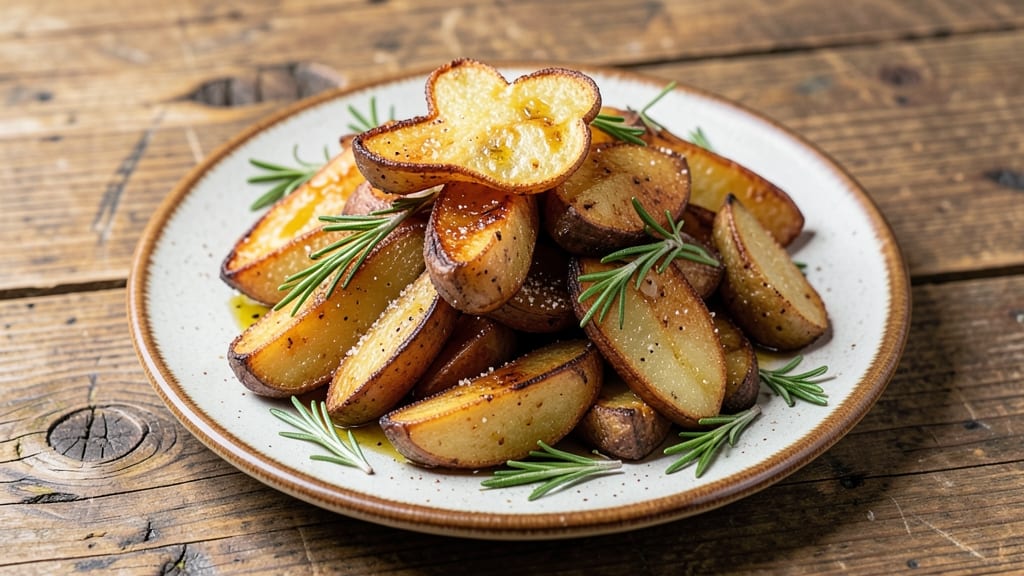
Mastering the art of parboiling potatoes transforms them into the perfect foundation for crispy roasted sides or velvety mashed potatoes. This precise method ensures even cooking, preserves texture, and eliminates the guesswork—whether you're prepping for a holiday feast or a weeknight dinner.
The secret lies in timing, water salinity, and proper draining, all of which I've refined over years of testing.
Start with whole potatoes, peeled or unpeeled depending on your end goal, and boil them in salted water until just tender—about 10-15 minutes for medium potatoes. This initial cook removes excess starch, which is key for achieving that crispy exterior later.
Drain thoroughly, then return the potatoes to the pot for drying, ensuring they won't steam when roasted or mashed.
The result is a flawless base: potatoes that hold their shape for roasting or break down smoothly for mashing. Whether you're making golden, crispy wedges or creamy mashed potatoes, this method guarantees professional results every time. Let’s get started with the exact technique that delivers consistent, foolproof results.
This parboiling method also works as a time-saver for meal prep—store cooked potatoes in the fridge for up to 3 days or freeze for later use. Perfect for batch cooking, it eliminates last-minute stress and ensures your sides are always restaurant-quality. Here’s how to do it right.
Ingredients for parboil potatoes
Four key ingredients transform humble potatoes into crispy roast-worthy or mash-worthy perfection.
| Ingredient | Amount | Notes |
|---|---|---|
| Russet Potatoes 🥔 | 2 lb | Medium size, cut into even wedges |
| Diamond Crystal Kosher Salt 🧂 | 1 tbsp | For flavorful salted water |
| Cold Water 💧 | 8 cups | Enough to cover potatoes |
| Extra-Virgin Olive Oil 🫒 | 2 tbsp | For post-boil tossing |
| Garlic Powder 🧄 | 1 tsp | Optional for flavor infusion |
| Fresh Rosemary 🌿 | 1 whole | Sprig for aromatic touch |
| Butter 🧈 | 2 tbsp | Unsalted, for post-cook richness |
| Black Pepper 🌶️ | ½ tsp | Freshly ground for finish |
Russets are your best bet—their high starch content ensures that crispy exterior you crave. Buy them from the bulk bins at Whole Foods or Trader Joe's for the freshest cut. Medium size (about 10-12 oz each) cooks evenly, but don't stress if yours vary—just cut them to similar thickness. The kosher salt is non-negotiable here; it dissolves completely and seasons the water properly. I always grab Diamond Crystal for that clean, bright flavor. For the olive oil, California Gold or Bertolli are my go-tos—they've got that fruity punch that makes everything taste better.
No fresh rosemary? Dried works at half the amount, but honestly, skip it if you're in a pinch—it's just for aroma. Want more flavor? Toss in a splash of apple cider vinegar with the salted water. The butter is where you can get fancy: European-style unsalted (like Plugrá) melts smoother than American. And if you're making mashed potatoes, swap the olive oil for more butter—2 tbsp instead of 1 tbsp. The key is that final toss: hot potatoes + cold butter = silky texture magic.
Parboiled potatoes keep 3 days in the fridge if stored in a sealed container—just let them cool completely first. For freezing, spread them on a tray to avoid clumping, then transfer to a bag. Thaw overnight in the fridge before roasting or mashing. Pro tip: If you're prepping for roasting, toss them with a light dusting of cornstarch after drying for extra crispiness. And if you're making mash, warm the milk first—it blends smoother.
Why You'll Love This Recipe
- No-Chop Required: I swear by this trick—just toss whole Russets into boiling water, peel later, and save 15 minutes of prep. That garlic powder in the oil? It infuses while they cook, so you get flavor without extra steps.
- Crispy-Creamy Magic: The secret’s in the cold water plunge after parboiling—it locks in that buttery inside while the olive oil finish gives them a golden, almost roasted edge. Honestly, I’d eat these plain, but they’re even better with a sprinkle of salt.
- Meal Prep MVP: These potatoes last 5 days in the fridge, ready to toss into salads, wraps, or even breakfast hash. I make a big batch Sunday and forget about lunch all week—no sad, soggy leftovers here.
- Budget Booster: Russets are cheap, and this method uses almost no extra ingredients. Between us, I’ve fed four people for under $5 using just these basics—plus, the leftovers reheat like they’re fresh. (Yes, even on a Tuesday night.)
Step-by-step instructions for parboiled potatoes
Here's how to parboil russet potatoes for perfect texture—whether you're roasting or mashing.
Cut and Prepare the Potatoes
Start by thoroughly rinsing the 2 lb russet potatoes under cold water to remove any dirt or debris. Using a sharp chef's knife, cut them into even wedges—about 1½ to 2 inches in size. Consistency in size ensures they cook uniformly. I like to leave the skin on for better texture, but you can peel them if preferred.
Place the cut potatoes in a large bowl and toss them gently with 1 teaspoon garlic powder and ½ teaspoon freshly ground black pepper. This step infuses subtle flavor while preventing browning during the parboil. Give them a good shake so the spices cling evenly to each piece. Set aside while you prepare the cooking water.
Parboil with Rosemary and Salted Water
In a large pot, combine the 8 cups cold water and 1 tablespoon diamond crystal kosher salt. Stir until the salt fully dissolves—this ensures even flavor distribution. Add the whole fresh rosemary sprig to the water. Bring the mixture to a rolling boil over high heat.
Once boiling vigorously, carefully add the potato wedges to the pot. The water should return to a full boil almost immediately. If it doesn't, add a splash of cold water to maintain the boil. Parboil for exactly 5 minutes—this partial cooking will soften the potatoes enough for roasting or mashing while preserving their structure. Set a timer so you don't overcook them.
Drain and Toss with Olive Oil
After the 5-minute parboil, immediately drain the potatoes in a colander, shaking them gently to remove excess water. I like to rinse them briefly under cold water to stop the cooking process and remove any residual starch. This step is crucial for achieving crispy edges later on.
Transfer the drained potatoes to a large bowl and add the 2 tablespoons extra-virgin olive oil. Toss them vigorously with your hands or a pair of tongs until every wedge is evenly coated. The oil will help create that signature crispy exterior when roasted later. Remove and discard the rosemary sprig from the cooking water—it's served its purpose.
Optional Butter Finish for Extra Richness
For maximum flavor, melt the 2 tablespoons unsalted butter in a small saucepan over low heat until just melted but not browned. Pour this warm butter over the olive oil-coated potatoes and toss again until completely combined. The butter will add richness and help develop those golden-brown spots when roasted.
At this point, your potatoes are ready for whatever comes next—whether you're roasting them at 425°F for crispy wedges or mashing them for creamy spuds. The parboil ensures they cook evenly and develop that perfect texture. If you're not using them immediately, store them in an airtight container in the refrigerator for up to 2 days.
Pro Tips For Making Parboil Potatoes
- USE A LARGE POT: Russets double in size when boiled—trust me, I’ve watched them burst out of pots like overstuffed sausage links. Fill your pot only halfway with cold water, or you’ll be fishing for potatoes later. (And yes, even if you’re impatient like me, resist the urge to crowd them.)
- SALT THE WATER LIKE THE OCEAN: Diamond Crystal is less dense than table salt, so don’t skimp—aim for 1½ tablespoons per gallon of water. I used to eyeball it and end up with bland, mealy potatoes. Now I taste the water before adding them; it should taste salty, like you’re about to cry.
- TEST DONENESS WITH A KNIFE: The "float test" is unreliable with Russets—they’ll bob before they’re fully tender. Instead, pierce one with a sharp knife; if it slides in like butter, they’re done. Overcooking turns them gummy, and no one wants that. (I speak from experience.)
- DRY THEM RIGHT AFTER: Drain the potatoes, then spread them on a clean towel or wire rack—don’t leave them in the colander. The residual water steams them back to soggy, and that’s a waste of your effort. Pat them dry if you’re in a hurry, but even a quick shake helps. (Your future roasted potatoes will thank you.)
Best sauces and condiments for this recipe
Creamy Garlic Mashed Potato Sauce
For velvety mashed potatoes, finish your parboiled potatoes with a garlic-herb butter sauce. After draining, mash the potatoes with ¼ cup warm heavy cream, 2 tbsp melted European-style butter (like Plugrá), 1 tsp minced garlic, and ½ tsp salt.
I like to add 1 tbsp crème fraîche at the end for that restaurant-quality tang. For extra richness, fold in 1 oz grated Parmesan—it adds umami depth without overpowering. 🧈
Herb-Infused Roasting Oil
If roasting your parboiled potatoes, elevate them with a herb-infused olive oil. Toss the drained potatoes with 2 tbsp olive oil (I use California Gold) mixed with 1 tsp each of finely chopped rosemary and thyme, plus ½ tsp smoked paprika.
Roast at 425°F for 25-30 minutes until golden and crispy. For a smoky twist, add ½ tsp liquid smoke to the oil before tossing. The herbs caramelize beautifully, creating a fragrant crust. 🌿
Spicy Sour Cream Dip
Turn your parboiled potatoes into a crowd-pleasing appetizer with a spicy sour cream dip. Mix ½ cup sour cream with 1 tbsp mayonnaise, 1 tsp lemon juice, ½ tsp hot sauce (like Cholula), and ¼ tsp garlic powder.
Serve warm potatoes with this dip for a Tex-Mex inspired side. For extra crunch, top with chopped scallions and sesame seeds. This dip cuts through the richness perfectly. 🌶️
Caramelized Onion Topping
For a sweet-savory contrast, top your roasted parboiled potatoes with caramelized onions. Sauté 1 cup thinly sliced onions in 1 tbsp butter and 1 tbsp olive oil over medium-low heat for 20-25 minutes until deep golden brown.
Finish with a pinch of salt and black pepper, then sprinkle over the potatoes in the last 5 minutes of roasting. The onions melt slightly, creating a glossy, flavorful glaze. 🧅
Cheesy Baked Potato Topping Mix
Prep a custom baked potato topping mix using your parboiled potatoes. After draining, mix them with ¼ cup shredded cheddar, 2 tbsp crumbled bacon, 1 tbsp chopped chives, and ½ tsp onion powder. Bake at 375°F for 15-20 minutes until bubbly and golden.
For a lazy version, toss the drained potatoes with 1 cup pre-shredded Mexican cheese blend and 1 tbsp ranch seasoning before roasting. This mix is perfect for meal prep—just reheat and top with sour cream. 🧀
Creamy Horseradish Sauce
Add a kick of heat to your mashed potatoes with a horseradish cream sauce. Blend ½ cup sour cream with 1 tbsp prepared horseradish (like Budweiser Select), 1 tsp Dijon mustard, and ½ tsp lemon zest.
Stir this into your mashed potatoes just before serving. For a milder version, reduce the horseradish to ½ tbsp. This sauce adds a refreshing zing that balances the richness. 💛
Nutrition facts
Frequently asked questions
Why do I need to parboil potatoes before roasting or mashing?
Parboiling potatoes creates the perfect foundation by removing excess starch, which prevents soggy textures when roasted and ensures smooth, creamy results when mashed. The 5-minute boil also jumpstarts cooking, so your potatoes finish evenly in the oven or masher. This method guarantees consistent doneness every time.
Can I parboil potatoes with their skins on?
Keeping the skin on adds texture and nutrients, plus it helps maintain shape during roasting. Just scrub them thoroughly first. For mashed potatoes, peeling works better since skins can turn mushy. The choice depends on your final dish—skin-on for roasting, peeled for mashing.
How long can I store parboiled potatoes before using them?
Store them in an airtight container in the fridge for up to 3 days or freeze for 2 months. For best results, let them cool completely before storing. When reheating, roast from cold or thaw overnight in the fridge before mashing. Cold potatoes reheat more evenly.
What's the best way to dry parboiled potatoes for crispy roasting?
After draining, spread potatoes on a clean kitchen towel or paper towels and shake them gently to remove excess moisture. For extra crispiness, toss them with a light dusting of cornstarch before roasting. This step is crucial—wet potatoes steam instead of crisping.
Can I use this method for sweet potatoes?
Yes! Sweet potatoes work beautifully with a slightly longer parboil time—8-10 minutes instead of 5. Their denser texture needs extra time to soften before roasting or mashing. Use the same olive oil and butter finishing steps for best results.