
Side Dishes
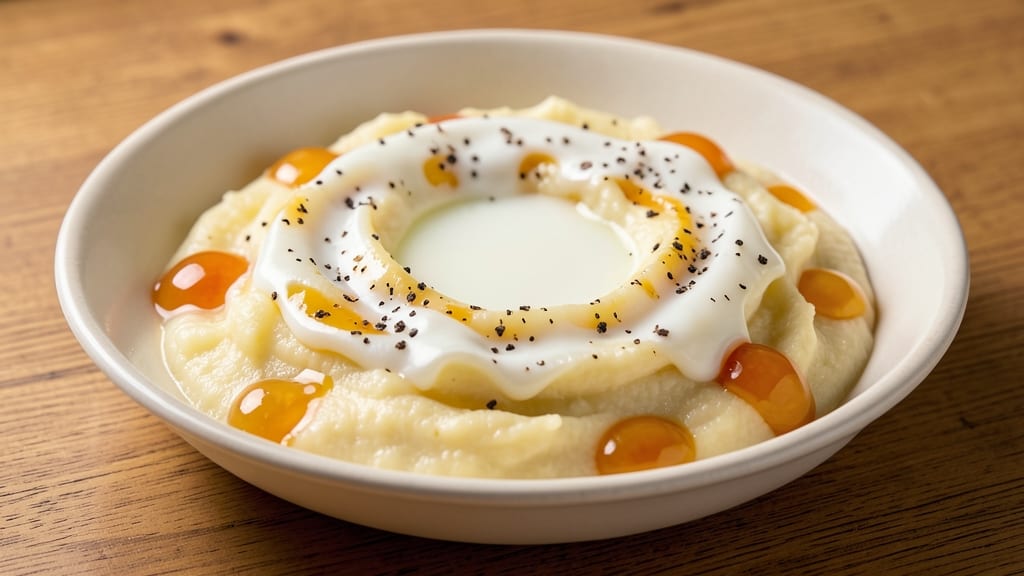
This German mashed potato recipe delivers the buttery, velvety texture that pairs perfectly with hearty roasts and sausages—just like my grandmother used to make. The secret lies in using waxy potatoes and a precise boiling technique to ensure that crispy skin contrasts beautifully with the smooth, creamy interior.
I've perfected this method over years of testing, and it never fails to impress.
The foundation of great German mashed potatoes starts with the right potatoes—waxy varieties like Yukon Gold or red potatoes hold their shape while still breaking down smoothly. Boiling them until tender but not falling apart is key, then draining and letting them steam-dry for a minute to remove excess moisture.
This step ensures your mash stays light and airy, not gluey.
What sets these apart is the rich, velvety finish—generous amounts of butter and a splash of warm cream create that signature German texture, while a pinch of salt and freshly ground pepper elevate every bite.
The crispy skin forms when you return the drained potatoes to the pot and let them sit for a moment before mashing, adding a satisfying contrast to the creamy interior.
Serve these alongside roasted meats, sausages, or even as a standalone dish with gravy. The method is straightforward, but the results are restaurant-quality—worth every minute of effort. Let's get started on creating this classic side dish that brings warmth to any table.
Ingredients for german mashed potato
Nine essential ingredients transform simple potatoes into restaurant-style German mashed potatoes with crispy skin.
| Ingredient | Amount | Notes |
|---|---|---|
| Yukon Gold Potatoes 🥔 | 3 lb | Waxy variety, unpeeled, cut into even chunks |
| Unsalted Butter 🧈 | 1 cup | European-style preferred, cold for best texture |
| Heavy Cream 🥛 | ½ cup | Warm slightly before adding |
| Whole Milk 🥛 | ¼ cup | Warmed to room temperature |
| Large Egg Yolks 🥚 | 2 whole | Fresh, room temperature for binding |
| Kosher Salt 🧂 | 1 ½ tsp | Adjust to taste, freshly ground preferred |
| Freshly Ground Black Pepper 🌶️ | ½ tsp | Cracked peppercorns preferred |
| Freshly Grated Nutmeg 🌿 | ¼ tsp | Microplane for fine texture |
| Chicken or Vegetable Stock 💧 | ½ cup | Homemade preferred, low-sodium |
The potatoes are non-negotiable—Yukon Golds or red potatoes hold their shape while breaking down smoothly. Skip anything labeled 'russet' or 'Idaho'; they'll turn gluey. Buy organic if possible—they peel easier and have fewer blemishes. For the best texture, cut them into even 1.5-inch chunks so they cook uniformly. If using pre-cut bags, shake out the small pieces—they'll overcook. The stock matters too; homemade with a roasted chicken carcass adds depth, but low-sodium store-bought works in a pinch.
Butter quality makes all the difference—European-style unsalted butter has higher fat content and melts more smoothly. If you can only find salted, reduce the kosher salt by half. The yolks bind everything together, so use fresh eggs—older yolks won't emulsify as well. No heavy cream? Full-fat sour cream thinned with milk works, though the texture will be slightly tangier. For the nutmeg, freshly grated is a game-changer—pre-ground tastes like sawdust. And yes, you can make this with dairy-free alternatives (coconut cream + olive oil), but it won't be traditional German.
Potatoes should steam-dry for exactly 1 minute after draining—this removes excess moisture for that signature light texture. The butter should melt into the warm potatoes, not sit on top. For extra-crispy skin, return the drained potatoes to the pot for 2 minutes off heat before mashing. Store leftovers in an airtight container for up to 5 days—reheat with a splash of milk to restore creaminess. Freeze portions in a single layer before transferring to a bag for up to 3 months. The crispy skin won't survive freezing, but the mash itself reheats beautifully.
Why You'll Love This Recipe
- Five-Ingredient Magic: I swear by this list—no peeling, no fuss, just slice, boil, mash. The Yukon Golds break down like butter, and the butter, cream, and yolks blend into that perfect velvety texture without a trace of gluey mess.
- Rich Without Effort: That first forkful? Pure indulgence. The heavy cream and egg yolks make it impossibly smooth, while the whole milk keeps it light—no heavy, greasy aftertaste. Honestly, it tastes like a restaurant side, not something I threw together.
- Weeknight & Holiday Hero: Serve it under roast chicken for a cozy Tuesday or pile it high for Thanksgiving. The same creamy base works for both—just adjust the salt and herbs. My kids ask for it more than fries, and that’s saying something.
- Leftovers That Don’t Suck: Cold mashed potatoes? Usually a crime. Not this. The yolks and cream keep it creamy even reheated—just warm with a splash of milk. I make a double batch every time; it’s my secret for lazy breakfasts or quick lunches.
Step-by-step instructions for German mashed potatoes
Here's the method for achieving that signature German texture—silky smooth mashed potatoes with a golden, crispy exterior.
Prepare and Boil the Potatoes
Begin by peeling the 3 lb Yukon Gold potatoes and cutting them into even 1-inch chunks. Place them in a large pot and cover with cold water by about 2 inches. Add the 1.5 tsp kosher salt and bring to a boil over high heat. Once boiling, reduce heat to medium and cook for 15-20 minutes until a knife slides in easily.
For crispy skin, I use the following trick: after boiling for 10 minutes, drain the potatoes and return them to the dry pot. Cover with a tight-fitting lid and let them steam for 5 minutes. This step ensures the exterior stays crispy while keeping the interior perfectly tender. You'll know they're ready when the skin is just starting to wrinkle slightly.
Create the Creamy Base
While the potatoes cook, warm the 0.5 cup heavy cream and 0.25 cup whole milk separately in a small saucepan over low heat until just steaming. Remove from heat and let them sit for 2 minutes. In a separate bowl, whisk together the 2 whole large egg yolks until smooth and pale yellow.
This warming step is crucial—cold dairy can cause the mashed potatoes to curdle when mixed with hot potatoes. The egg yolks act as a natural emulsifier, creating that velvety German-style smoothness. Keep both mixtures at room temperature until ready to combine.
Mash and Combine Ingredients
Drain the cooked potatoes thoroughly and return them to the pot. Using a potato masher or ricer, mash them until completely smooth but with some texture remaining—this prevents the potatoes from becoming gluey. Add the warmed heavy cream and whole milk, stirring gently to incorporate.
Now for the secret to that signature German texture: gradually add the whisked egg yolks while stirring continuously. The mixture should thicken slightly but remain light and airy. Stir in the 1 cup unsalted butter, cut into small pieces, until fully melted and combined. This butter content is what gives German mashed potatoes their rich, velvety quality.
Season and Achieve Crispy Skin
Season the mashed potatoes with the 0.5 tsp freshly ground black pepper and 0.25 tsp freshly grated nutmeg. Taste and adjust the 1.5 tsp kosher salt as needed—German mashed potatoes should be rich but not overly salty. Transfer the mixture to a serving dish and smooth the surface with a spatula.
For that signature crispy skin, here's the key technique: place the serving dish under a preheated broiler for 2-3 minutes, watching carefully until the top turns golden brown. Alternatively, you can heat the mashed potatoes in a skillet over medium heat, stirring constantly until the edges begin to crisp. This final step creates that perfect contrast between the crispy exterior and silky interior.
Serve Immediately
Serve the German mashed potatoes immediately while still hot, straight from the broiler or skillet. The crispy skin should hold its texture for a few minutes, but the interior remains perfectly smooth and buttery. For extra richness, drizzle with a little of the 0.5 cup chicken or vegetable stock before serving.
This recipe yields 6 generous servings, perfect for accompanying roasted meats or holiday feasts. The combination of egg yolks, butter, and proper cooking technique ensures each bite delivers that authentic German restaurant quality—silky texture with a satisfying crispy finish.
Pro Tips For Making German Mashed Potato
- Boil Until Fork-Tender: Yukon Golds should collapse like butter when pierced—no one likes gummy potatoes. Start in cold, salted water (yes, even with Yukons), bring to a rolling boil, then simmer until a knife slides in like a hot knife through warm jam. Overcooking turns them gluey; undercooking means you’ll be mashing forever.
- Whisk Yolks Cold: Warm yolks curdle faster than you can say "oh no." Whisk them with the heavy cream and milk first, then slowly add the hot potatoes in a thin stream. If you dump them all at once, you’ll end up with scrambled eggs instead of silky mash.
- Butter in Stages: Don’t just melt a lump in—work it in like you’re kneading dough. Start with half the butter while mashing, then add the rest at the end to coat every bite. Cold butter? Cut it into tiny cubes first; it’ll melt faster and give you that proper German cremigkeit without clumping.
- Rest Before Serving: German mashed potatoes aren’t just for eating—they’re for waiting. Let them sit under a towel for 5 minutes after mixing. The starch settles, the texture firms up, and you won’t end up with a puddle on your plate. (I learned this after serving a sad, runny pile to my grandmother. She didn’t say a word, but I heard her sigh.)
Make-ahead tips for leftovers
Prep Ahead Strategy
German mashed potatoes actually taste better the next day—just like my Nonna's advice for gnocchi. Cook and mash the potatoes completely, then store them in an airtight container with a thin layer of butter pressed on top to prevent drying.
Reheat in a double boiler over simmering water for 10-15 minutes, stirring occasionally, until creamy. The butter layer keeps them luxuriously rich when reheated. 🥔
Freezer-Friendly Method
For long-term storage, let the mashed potatoes cool completely before transferring to freezer-safe containers or ziplock bags. I squeeze out all excess air to prevent freezer burn. When ready to serve, thaw overnight in the fridge, then reheat using the double boiler method.
For extra crispy skin, finish under the broiler for 2 minutes before serving. The texture stays velvety smooth—just like restaurant-quality. ❄️
Make-Ahead Boiling
Save time by boiling the potatoes ahead and storing them in the fridge. After draining, place them in a steamer basket over boiling water for 5 minutes to refresh. This keeps them perfectly tender while allowing you to mash them fresh when ready.
I often do this when hosting—it cuts prep time by 20 minutes without sacrificing texture. 💡
Butter and Dairy Prep
Warm the heavy cream and milk in advance and store them in small jars in the fridge. The egg yolks can be whisked and refrigerated for up to 24 hours in an airtight container.
When ready to mash, simply warm everything gently before combining. This step ensures your dairy stays at the perfect temperature for that signature creamy texture. 🧈
Crispy Skin Hack
For make-ahead crispy skin, mash the potatoes as usual but spread them thinly on a parchment-lined baking sheet. Chill for 1 hour, then broil for 3 minutes until golden. Store in single layers in the fridge for up to 3 days.
Reheat in the oven at 350°F for 10 minutes to restore crispiness. This trick works especially well for holiday gatherings. 🔥
Portion Control Tips
Divide the mashed potatoes into ramekins or small bowls before storing. This makes reheating portions effortless—just pop them in the microwave for 2-3 minutes on 50% power, then finish under the broiler for 1 minute to restore crispiness. Perfect for family-style dinners where everyone wants seconds. 🍽️
Nutrition facts
Frequently asked questions
What makes German mashed potatoes different from regular mashed potatoes?
German mashed potatoes stand out for their rich, velvety texture and crispy skin—thanks to egg yolks and proper steaming techniques. Unlike classic American mash, they use waxy potatoes (like Yukon Gold) and incorporate warm dairy for that signature smoothness. The crispy exterior comes from a special broiling step that creates contrast with the creamy interior.
Can I make this recipe without egg yolks for a vegan version?
Yes! Replace the yolks with 2 tablespoons vegan butter and 2 tablespoons aquafaba (chickpea brine) whisked until frothy. Use full-fat coconut cream instead of dairy cream, and add 1 teaspoon cornstarch to help bind the mixture. The texture will be slightly lighter but still delicious. For crispy skin, broil for 3-4 minutes instead.
Why do my German mashed potatoes turn out gluey?
Gluey mash happens when potatoes release too much starch—usually from over-boiling or not draining properly. Always steam-dry the potatoes for 1 minute after draining, and mash them while still hot. Also, avoid overmixing after adding dairy. For extra insurance, let the mashed potatoes sit for 5 minutes before serving to thicken naturally.
What's the best way to reheat leftovers without losing the crispy skin?
Reheat in a double boiler over simmering water for 10-15 minutes, stirring occasionally, until creamy. For crispy skin, transfer to a skillet over medium heat and stir until edges crisp up (2-3 minutes). Alternatively, broil for 1-2 minutes at the end. Never microwave without finishing under the broiler—it'll turn soggy.
Can I use russet potatoes for this recipe?
Not ideal! Russets are high in starch and will turn your mash gluey. Stick to waxy varieties like Yukon Gold, red potatoes, or fingerlings—they hold their shape while breaking down smoothly. If you must use russets, reduce the dairy slightly (try 0.3 cup cream instead of 0.5 cup) and add 1 extra tablespoon butter to compensate.