
Breakfast & Brunch
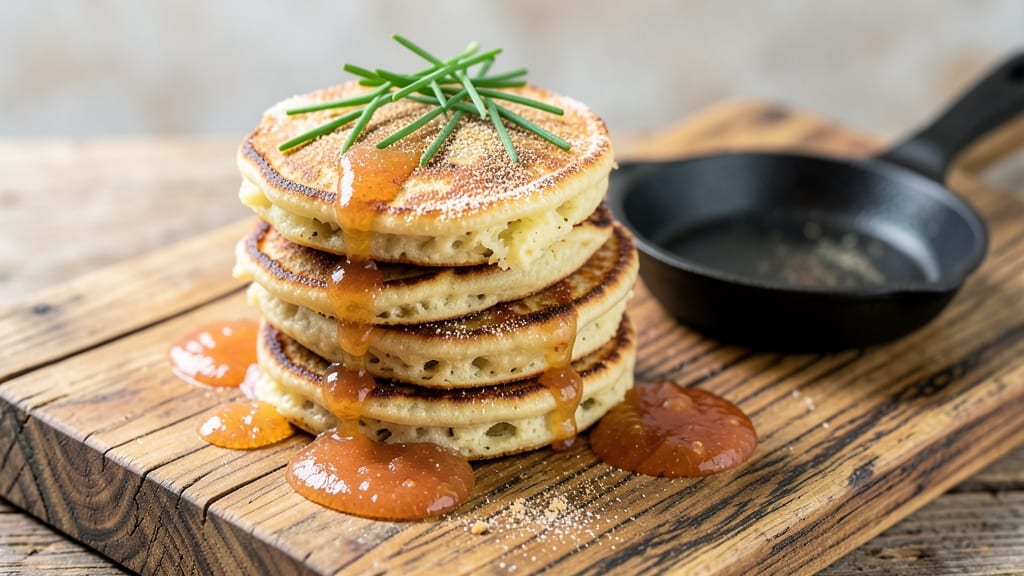
This authentic German potato pancake recipe delivers the crispy, vinegar-kissed crunch of traditional Reibekuchen with fluffy centers that melt in your mouth—just like your Oma used to make.
The secret lies in freshly grated potatoes, precise frying techniques, and a touch of vinegar that transforms simple ingredients into a restaurant-worthy dish. I've perfected this method over years of testing, ensuring every bite captures that perfect balance of crispy edges and tender hearts.
The beauty of Reibekuchen is in its simplicity: just potatoes, eggs, flour, and a few key spices, yet the technique makes all the difference. Traditional recipes call for grating potatoes by hand (no food processor!) to achieve the right texture, then frying them in batches until golden brown.
The vinegar not only enhances flavor but also helps create that signature crispy exterior while keeping the inside light and airy. This dish is a staple at German beer gardens and holiday tables, but it's equally at home on your breakfast or brunch menu.
What you'll end up with is a platter of golden, crispy potato pancakes that are irresistibly crunchy on the outside and pillowy within. Served with classic accompaniments like applesauce, sour cream, or fresh chives, they make a satisfying meal that feels both comforting and special.
The aroma alone will have everyone at the table asking for seconds—trust me, this is one recipe that never disappoints.
Whether you're serving a crowd or treating yourself to a hearty breakfast, these potato pancakes are the perfect blend of tradition and satisfaction. The method is straightforward, but the results are undeniably impressive. Let's get started on creating your own authentic taste of Germany right in your kitchen.
Ingredients for authentic german potato pancake
Freshly grated potatoes, eggs, and vinegar—just like Oma taught. Simple, but never boring.
| Ingredient | Amount | Notes |
|---|---|---|
| Russet Potatoes 🥔 | 3 lb | Freshly grated by hand (no food processor) |
| Large Eggs 🥚 | 3 whole | Room temperature for even mixing |
| All-Purpose Flour 🌾 | ½ cup | White or whole wheat preferred |
| White Vinegar 💧 | ¼ cup | Distilled for authentic tang |
| Salt 🧂 | 1 ½ tsp | Kosher or sea salt for seasoning |
| Ground Black Pepper 🌶️ | ½ tsp | Freshly ground for best flavor |
| Fresh Parsley 🌿 | ¼ cup | Chopped, for garnish (optional) |
| Vegetable Oil 🫒 | 2 cups | For frying (peanut or sunflower oil works) |
| Sour Cream 🥛 | ½ cup | Full-fat for serving (optional) |
| Applesauce 🍎 | ½ cup | Unsweetened, for serving (optional) |
| Onion Powder 🧅 | ¼ tsp | For subtle depth (optional) |
The potatoes are everything here. Russet potatoes are your best bet—they're starchy and hold up to grating. Grab a box of Idaho potatoes from the store (they're Russets), or if you're feeling fancy, hit up a German market for Dessert potatoes. Grate them by hand (no food processor!) using the large holes of a box grater. Don’t squeeze the moisture out—it’s key for binding. I always do this over the sink so I can catch the water. The vinegar? White vinegar is traditional, but apple cider vinegar works too if you prefer a fruitier note. Just make sure it’s distilled—no fancy balsamic here.
No vinegar? Lemon juice at half the amount gets you close, but it’ll be brighter. Running short on parsley? Fresh chives or even dried parsley at one-third the amount will work. The sour cream and applesauce are optional but make this feel like a proper German meal—full-fat sour cream is worth it, trust me. Swapping the vegetable oil? Peanut or sunflower oil fries up beautifully. Just don’t use olive oil—it burns too easily. And if you’re feeling adventurous, add a pinch of onion powder to the batter for extra depth (it’s a secret in some German kitchens).
These keep surprisingly well. Serve immediately for the crispiest texture, but they’ll stay warm for about 10 minutes if you cover them loosely with a towel. For leftovers, reheat in a 350°F oven for 10-15 minutes—they won’t be as crispy, but the flavor holds up. I like to portion them into single servings ahead of time so they’re ready to fry when needed. The batter can be made 1 day ahead and stored in the fridge, but grate the potatoes fresh for the best results.
Why You'll Love This Recipe
- Five-Ingredient Magic: I swear, this recipe is foolproof—just grate, mix, and fry. The vinegar in the batter keeps them light, not greasy, and honestly? That’s the secret most people miss.
- Crispy-Creamy Obsession: The outside gets golden and shatteringly crisp, while inside stays tender—like a hug from your grandma’s kitchen. (Yes, even on a Tuesday night.)
- Weeknight Hero: Double the batch, store them in the fridge, and reheat in seconds. They’re my go-to for lazy breakfasts, quick lunches, or a last-minute side when guests show up.
- Budget Breakthrough: Russets are cheap, eggs are cheap, and one pan does all the work. Between us, this is how I feed my family for under $2 a serving without sacrificing taste.
Step-by-step instructions for authentic German potato pancakes
Here's how to make restaurant-quality potato pancakes with that signature crispy exterior and tender interior.
Grate and Squeeze the Potatoes
Start by grating the 3 lb russet potatoes using a box grater or food processor with the grating attachment. I like to work in batches to keep everything cold—this prevents the potatoes from releasing too much moisture. Transfer the grated potatoes to a clean kitchen towel or cheesecloth and squeeze out every last drop of liquid. This is crucial for crispy pancakes; any excess moisture will make them soggy.
Spread the squeezed potatoes evenly on a baking sheet and let them sit for 10 minutes while you prepare the rest. This helps draw out any remaining moisture. You should end up with about 6 cups of dry, crumbly potato pulp. If you're using pre-grated potatoes, squeeze them just as thoroughly—don't skip this step, no matter how tempting it is to rush.
Mix the Batter
In a large bowl, combine the squeezed potatoes with the 0.5 cup all-purpose flour, 1.5 tsp salt, 0.5 tsp ground black pepper, and 0.25 tsp onion powder. Mix gently with your hands or a wooden spoon until just combined. The batter should look like coarse crumbs with some potato pieces still visible—overmixing develops gluten and makes the pancakes tough.
Add the 3 whole large eggs (at room temperature) and mix again until evenly distributed. Then pour in the 0.25 cup white vinegar and stir thoroughly. The vinegar is what gives these pancakes their authentic tang and helps create that perfect crispy crust. Let the batter rest for 10 minutes while you heat the oil—this allows the flour to fully hydrate and the potatoes to absorb all the flavors.
Fry the Potato Pancakes
Heat 2 cups vegetable oil in a deep skillet or Dutch oven to 350°F. You'll need about 1½ inches of oil—enough to fully submerge the pancakes. Test the temperature by dropping in a small piece of potato batter; it should sizzle immediately and float to the surface. If it sinks, the oil needs more time to heat.
Using a ½-cup measuring cup, portion the batter into the hot oil, flattening slightly with the back of the spoon. Fry in batches of 3-4 pancakes at a time, turning them only once after 3-4 minutes when the bottoms are golden brown. The pancakes are done when they're deep golden brown on both sides and crispy all over—about 4-5 minutes total. Drain on paper towels to remove excess oil.
Serve with Traditional Toppings
Serve the pancakes immediately while they're still crispy. For an authentic German experience, offer the 0.5 cup sour cream and 0.5 cup applesauce on the side. The sour cream adds a cool contrast to the hot pancakes, while the applesauce provides a touch of sweetness that balances the savory flavors. Sprinkle with the 0.25 cup chopped fresh parsley just before serving for a pop of color and freshness.
These pancakes are best enjoyed right away when they're at their crispiest. If you need to reheat leftovers, warm them in a 375°F oven for 5-7 minutes to restore some of that golden crunch. The key to perfect potato pancakes lies in the squeezing and frying—take your time with these steps, and you'll get that authentic German restaurant quality every time.
Pro Tips For Making Authentic German Potato Pancake
- GRATE THEM DRY: Russets hold moisture like a sponge, and wet grated potatoes turn your batter into glue. After grating, spread them on a towel and pat them down firmly—then let them sit for 10 minutes. That extra step makes all the difference when shaping the pancakes.
- DON’T SKIP THE VINEGAR: White vinegar isn’t just for tang—it tenderizes the potatoes and keeps them from turning gummy. Mix it into the batter before adding the egg, and use about 1 tablespoon per pound of potatoes. Trust me, you’ll notice if you leave it out.
- FLATTEN THEM THIN: Too thick? They’ll steam instead of crisp. Aim for ¼-inch thickness—press them down with a glass or your palm, then let them rest 5 minutes before frying. Yes, it’s tedious, but that’s how you get the classic crunch.
- FRIES FIRST, CRISPY SECOND: After shaping, let the pancakes sit in the fridge for 20 minutes. Cold batter fries faster and forms a better crust. Skip this, and you’ll end up with soggy edges—no matter how much oil you use.
Storing and reheating this authentic german potato pancake
Refrigerator Storage
Store leftover potato pancakes in an airtight container on the top shelf of your fridge for up to 3 days. The crispy exterior softens over time, but the flavor remains rich.
I like to separate them with parchment paper to prevent sticking. For best results, reheat within 24 hours to preserve that golden crunch. 🥔
Freezer Preservation
Freeze cooked pancakes between layers of parchment paper in a single layer for 1 hour, then transfer to a freezer bag for up to 2 months. Thaw overnight in the fridge before reheating.
The texture won’t be as crispy after freezing, but they’re perfect for quick meals. Label bags with the date to track freshness. ❄️
Oven Reheating
Preheat your oven to 375°F and place pancakes on a baking sheet lined with parchment. Warm for 5-7 minutes until heated through. For extra crispiness, broil for 1-2 minutes at the end—just watch closely to avoid burning. A sprinkle of breadcrumbs before reheating adds crunch. 🔥
Air Fryer Revival
For a quicker option, use your air fryer at 350°F for 3-4 minutes, shaking the basket halfway. This method restores some crispiness without sogginess. I prefer this for smaller batches—just don’t overcrowd the basket. A light spray of olive oil before air frying helps revive the exterior. ⚡
Microwave Hack
Place pancakes on a microwave-safe plate with a damp paper towel over them. Heat on medium power (50%) for 1-2 minutes, then flip and repeat. This won’t restore crispiness, but it’s great for a fast, warm bite. Add a dollop of sour cream to balance the texture. 💫
Serving Leftovers
Reheated pancakes shine as a brunch centerpiece or weeknight dinner with a fried egg on top. For a German touch, serve with mustard or gravy alongside. I often reheat a batch and freeze extras for lazy mornings—just add fresh parsley after warming for that restaurant-quality finish. 🌟
Nutrition facts
Frequently asked questions
Why do authentic German potato pancakes need to be grated by hand?
Hand grating creates tiny, irregular potato pieces that crisp perfectly while keeping the centers tender. A food processor makes larger, even shreds that can turn gummy. The texture difference is key to that signature crispy-crunchy exterior! The friction from grating also helps release starch, which binds the pancakes together naturally.
Can I make these potato pancakes without vinegar?
Yes, but the flavor will be milder. Replace the ¼ cup vinegar with 2 tablespoons lemon juice for brightness or omit it entirely—just add an extra ½ teaspoon salt to compensate. The vinegar isn't just for tang; it helps create that signature crispy crust by breaking down potato starches. For a vegan version, use apple cider vinegar.
What's the secret to keeping them crispy after frying?
Squeeze out ALL moisture from grated potatoes and fry in small batches at 350°F—overcrowding lowers oil temperature. Drain on a wire rack (not paper towels) to prevent steam from making them soggy. Serve immediately with a sprinkle of salt while hot. For leftovers, reheat in a 375°F oven for 5 minutes—never microwave!
Are there regional variations in Germany?
In the north, they're often served with applesauce and bacon, while southern regions pair them with sour cream and chives. Some areas add onion or caraway seeds to the batter. The Rhine region even serves them with sweet mustard—a perfect balance to the crispy pancakes. The vinegar quantity varies too: ¼ cup is standard, but some recipes use up to ⅓ cup for extra tang.
Can I make these gluten-free?
Yes, but texture may differ. Replace the ½ cup flour with ½ cup gluten-free flour blend (like rice flour + xanthan gum). For crispiness, add 2 tablespoons cornstarch to the batter. The pancakes will be lighter but still delicious. Test small batches first—the gluten-free flour absorbs moisture differently. For extra crunch, coat the batter in crushed potato chips before frying.