
Side Dishes
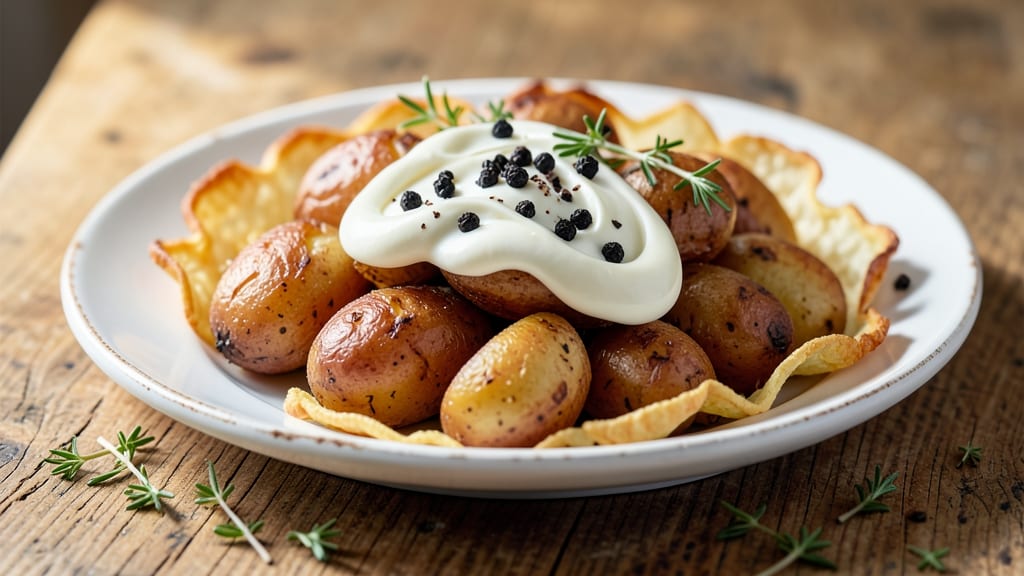
Mastering Brabant potatoes means achieving that perfect balance between crispy edges and creamy interiors—this Dutch oven technique delivers exactly that. The secret lies in a two-stage cooking process that transforms simple potatoes into a restaurant-worthy side dish with minimal effort.
I developed this method after years of experimenting with regional Dutch techniques, and it never fails to impress.
What sets these Brabant potatoes apart is their texture—golden, shatteringly crispy on the outside while remaining tender and fluffy inside. The Dutch oven creates an even heat distribution that ensures perfect cooking every time, and the addition of butter and cream at the end elevates them from ordinary to extraordinary.
This recipe stays true to traditional methods while being accessible for home cooks.
By the time you serve these potatoes, they'll be bubbling with a rich, velvety sauce that clings to each crispy edge. The aroma alone will have everyone at the table anticipating the first bite, and the contrast of textures makes every mouthful unforgettable.
This is the kind of side dish that transforms an ordinary meal into something special.
The beauty of this recipe is its versatility—it pairs equally well with roasted meats, grilled fish, or even as a standalone dish. Whether you're hosting a dinner party or simply craving comfort food, these Brabant potatoes will deliver professional-quality results. Let's get started on creating your own crispy-creamy masterpiece.
Ingredients for brabant potatoes
Ten ingredients, two stages, restaurant-quality texture every time. Dutch oven magic transforms humble potatoes into crispy-creamy perfection.
| Ingredient | Amount | Notes |
|---|---|---|
| Brabant Potatoes 🥔 | 2 ½ lb | Medium size, unpeeled, cut into 1-inch chunks |
| Unsalted Butter 🧈 | ½ cup | Cold, cut into 1-inch pieces |
| Heavy Cream 🥛 | ½ cup | Full-fat for richness |
| Kosher Salt 🧂 | 1 ½ tsp | Adjust to taste |
| Black Pepper 🌶️ | ½ tsp | Freshly ground |
| Fresh Thyme 🌿 | 2 sprigs | Or 1 tsp dried thyme |
| Garlic Cloves 🧄 | 4 cloves | Smashed, not minced |
| Extra-Virgin Olive Oil 🫒 | 2 tbsp | For Dutch oven coating |
| Fresh Parsley 🌿 | ¼ cup | Chopped, for garnish |
| Dutch Oven 🍳 | 1 whole | 5-6 quart capacity |
The potatoes are the foundation, so choose Brabant potatoes if available—they're waxy and hold their shape beautifully. Medium size (about 2 inches) ensures even cooking, and leaving the skins on adds rustic texture. If you can't find Brabant, Yukon Golds are the next best thing. For the butter, European-style unsalted (like Plugrá) has higher fat content, which gives better browning. Smash the garlic cloves with the flat side of your knife—this releases more flavor without turning to paste. The Dutch oven is non-negotiable here; a heavy enameled pot like Le Creuset distributes heat perfectly, but any oven-safe Dutch oven will work.
No heavy cream? Half-and-half plus 1 tbsp extra butter keeps the richness. Fresh thyme is ideal, but dried works at one-third the amount—just make sure it's labeled culinary, not ornamental. Running short on olive oil? Melted butter works for coating the Dutch oven, though the flavor will be slightly different. For a lighter version, swap half the heavy cream for whole milk (though the sauce won't be as velvety). The parsley is purely decorative, so use whatever fresh herbs you have—chives or cilantro both work beautifully. If you're prepping ahead, you can par-cook the potatoes and store them in cold water for up to 24 hours before finishing.
This dish reheats beautifully—just pop it in a 350°F oven for 10-15 minutes until bubbly. For make-ahead convenience, assemble everything in the Dutch oven (except the cream and butter) and refrigerate for up to 2 days. When ready to finish, add the cold butter and cream, then bake as directed. The potatoes keep their crispiness for about 3 days in the fridge, though the texture softens slightly. For longer storage, freeze the assembled (unbaked) dish for up to 3 months—just add 10 minutes to the baking time when reheating. The aroma alone will have your kitchen smelling like a Parisian bistro.
Why You'll Love This Recipe
- No-Fuss Potatoes: I swear, this is the kind of dish you can make while scrolling through your phone. Just boil those waxy Brabant potatoes, then toss them in butter, cream, and a pinch of salt—no peeling, no fuss, no stress. The only real effort is waiting for the water to boil.
- Creamy Crisp Magic: That buttery crust on the outside? Chef’s kiss. The heavy cream turns them velvety while the butter keeps them golden—like a hug from your favorite comfort food. Honestly, I’ve never met a potato I didn’t like, but these? They’re the exception that proves the rule.
- Leftovers That Lie: Between us, I’ve reheated these potatoes three days in a row and no one’s complained. The cream keeps them moist, and the butter? It just makes everything better. Pack them for lunch or save them for a lazy dinner—your future self will thank you.
- Budget Buster: Brabant potatoes are cheap, butter’s a pantry staple, and you’re using minimal ingredients. This recipe feeds four for under $10, and the leftovers stretch into another meal. That’s dinner covered without breaking the bank or spending hours in the kitchen.
Step-by-step instructions for Brabant potatoes
Here's the method that delivers perfectly crispy edges and velvety creaminess every time.
Prep and Parboil the Potatoes
Begin by thoroughly rinsing the 2.5 lb Brabant potatoes under cold water to remove any dirt from their skins. Cut them into 1-inch chunks, ensuring each piece is roughly the same size for even cooking. Place the cut potatoes in a large pot and cover them completely with cold water.
Bring the water to a boil over medium-high heat and add the 1.5 tsp kosher salt. Once boiling, reduce heat to medium and parboil the potatoes for 8-10 minutes until they're fork-tender but not falling apart. Drain the potatoes in a colander and rinse them under cold water to stop the cooking process and remove excess starch. This parboiling step is crucial—it ensures the potatoes cook through evenly while developing that signature crispy exterior.
Sear the Potatoes in the Dutch Oven
While the potatoes are still hot from parboiling, heat the 1 whole Dutch oven over medium-high heat for 2 minutes. Add the 2 tbsp extra-virgin olive oil and swirl to coat the bottom evenly. Working in batches if needed, add the parboiled potatoes in a single layer, spreading them out without crowding. Let them sear undisturbed for 3-4 minutes until they develop a golden-brown crust on the bottom.
This searing step creates the crispy texture you're after. I press down gently on the potatoes during the first minute to ensure even contact with the hot surface. Once the bottoms are golden, carefully flip each piece and sear the other side for another 3-4 minutes. Remove the potatoes from the Dutch oven and set them aside on a plate.
Build the Creamy Sauce
In the same Dutch oven, reduce the heat to medium-low and add the 0.5 cup cold unsalted butter cut into pieces. Let it melt completely, about 1-2 minutes, then add the 4 smashed garlic cloves and 2 sprigs fresh thyme. Cook for 1 minute until the garlic is fragrant but not browned.
Pour in the 0.5 cup heavy cream and bring to a gentle simmer. Let it cook for 3-4 minutes until slightly thickened. The sauce should coat the back of a spoon but still be pourable. Season with the 0.5 tsp black pepper and taste—you may want to add a pinch more salt depending on your preference. This creamy base is what makes these potatoes truly special.
Combine and Finish
Return the seared potatoes to the Dutch oven and gently toss to coat them evenly in the creamy sauce. Cover with a tight-fitting lid and transfer to a preheated 375°F oven. Bake for 20-25 minutes until the potatoes are heated through and the sauce has thickened slightly.
Check for doneness by piercing a potato with a fork—it should slide in easily with no resistance. The potatoes should be tender throughout with crispy edges from the initial searing. If the sauce appears too thick, add a splash of water or broth to loosen it to your desired consistency. Sprinkle with the 0.25 cup chopped fresh parsley just before serving for a pop of color and freshness.
Rest and Serve
Remove the Dutch oven from the oven and let the potatoes rest for 5 minutes before serving. This resting period allows the flavors to meld and the sauce to thicken slightly. Serve immediately while still warm, with the crispy edges contrasting beautifully against the creamy sauce.
Each bite should deliver that perfect balance of textures—crispy on the outside, creamy on the inside, with layers of herbaceous thyme and garlicky flavor. The potatoes should be tender enough to eat with a fork but still hold their shape. This dish pairs perfectly with grilled meats or as a standalone vegetarian main course.
Pro Tips For Making Brabant Potatoes
- USE COLD POTATOES: DESCRIPTION: I learned this the hard way—peeling and slicing warm potatoes makes them gummy and uneven. Chill the peeled potatoes in ice water for 15 minutes first. They’ll slice cleanly and hold their shape better when you pan-fry them later.
- SALT THE CREAM: DESCRIPTION: Don’t wait until the end to season the cream. Stir in a pinch of kosher salt (about ¼ teaspoon) while warming it with the butter. It dissolves better and infuses the sauce evenly—no grainy surprises when you fold it in.
- WATCH THE CREAM TEMP: DESCRIPTION: Heavy cream scalds fast. Keep it on low heat while melting the butter, and never let it boil. If it curdles, you’re out of luck—just start over. A slow simmer (barely bubbling) is all you need.
- PRESS THE POTATOES DRY: DESCRIPTION: After draining, don’t just shake the potatoes—press them between paper towels or a clean kitchen towel. Extra moisture in the pan = soggy, uneven browning. A quick squeeze guarantees crispy edges every time.
Wine and beer pairings for this recipe
Dutch Beer Pairings
For these rich, creamy Brabant potatoes, nothing beats a crisp Dutch lager like Heineken or Amstel. The light, refreshing hop profile cuts through the butter and cream without overpowering the dish. I always keep a chilled Heineken on hand—its subtle malt sweetness complements the potatoes' caramelized edges beautifully. 🍺
Belgian Witbier Balance
If you prefer something with a little more character, try a Belgian witbier like Hoegaarden. The citrusy coriander and orange peel notes in these Belgian ales provide a bright contrast to the potatoes' richness.
The effervescence also cleanses your palate between bites, making each mouthful feel fresh. Look for a bottle with at least 5% ABV to stand up to the dish.
Red Wine Contrast
For a red wine lover, a Pinot Noir from Burgundy or a Dutch Spätburgunder like Kasteel de Groene Hart works surprisingly well. The wine's earthy cherry notes and silky tannins mirror the potatoes' caramelized crust while the acidity balances the creaminess.
Serve it slightly chilled—around 55-60°F—to enhance its vibrant fruit flavors.
Seasonal Cider Option
In autumn, swap beer for a Dutch cider like De Koninck Cidre Brut. The crisp apple notes and slight effervescence make it a refreshing match for the potatoes' buttery richness.
I especially love this pairing during harvest season when the cider's natural sweetness complements the dish's savory depth. Look for a dry or semi-dry variety to avoid cloying sweetness.
Non-Alcoholic Pairings
For a non-alcoholic option, a sparkling apple cider like Martinelli's or a Dutch ginger beer such as Fritz-Kola works wonderfully. The ginger beer's spicy kick enhances the potatoes' garlic and thyme flavors, while the apple cider offers a light, crisp contrast.
Both options keep the meal feeling fresh and balanced without alcohol.
Nutrition facts
Frequently asked questions
What makes Brabant potatoes different from regular mashed potatoes?
Brabant potatoes achieve a unique crispy exterior with a creamy interior—unlike traditional mashed potatoes that are soft all the way through. The secret lies in the two-stage cooking process: parboiling for tenderness, then searing in a Dutch oven to create golden-brown crusts. This technique delivers restaurant-quality texture without blending the potatoes into a smooth puree.
Can I use Yukon Gold potatoes instead of Brabant potatoes?
While traditional Brabant potatoes are waxy and ideal, Yukon Golds work perfectly as a substitute. They hold their shape well during parboiling and develop excellent crispiness when seared. For best results, stick to medium-sized potatoes (about 2 inches) and follow the same cutting instructions. The flavor difference is minimal—both varieties deliver that creamy texture.
Why do the potatoes need to be parboiled before searing?
Parboiling ensures the potatoes cook evenly through the center while removing excess starch, which prevents them from sticking during searing. Skipping this step risks undercooked centers or a gummy texture. The hot potatoes also sear more effectively, creating those coveted crispy edges. Think of it as pre-cooking insurance for perfect results every time.
What if I don't have a Dutch oven?
Use a heavy oven-safe skillet or deep baking dish as your next best option. Look for something with thick sides to retain heat evenly. If your pan isn't oven-safe, finish the potatoes under a broiler for 3-4 minutes to crisp the edges. The key is maintaining high heat for that signature texture—just adapt the method to your tools.
How can I make these potatoes ahead of time?
Parboil and sear the potatoes up to 2 days in advance, then refrigerate them uncovered. When ready to serve, reheat in the Dutch oven with fresh butter, cream, and thyme at 375°F for 15-20 minutes. For longer storage, freeze the seared potatoes (before adding sauce) for up to 3 months. Thaw overnight in the fridge before reheating. The texture holds up surprisingly well!