
Side Dishes
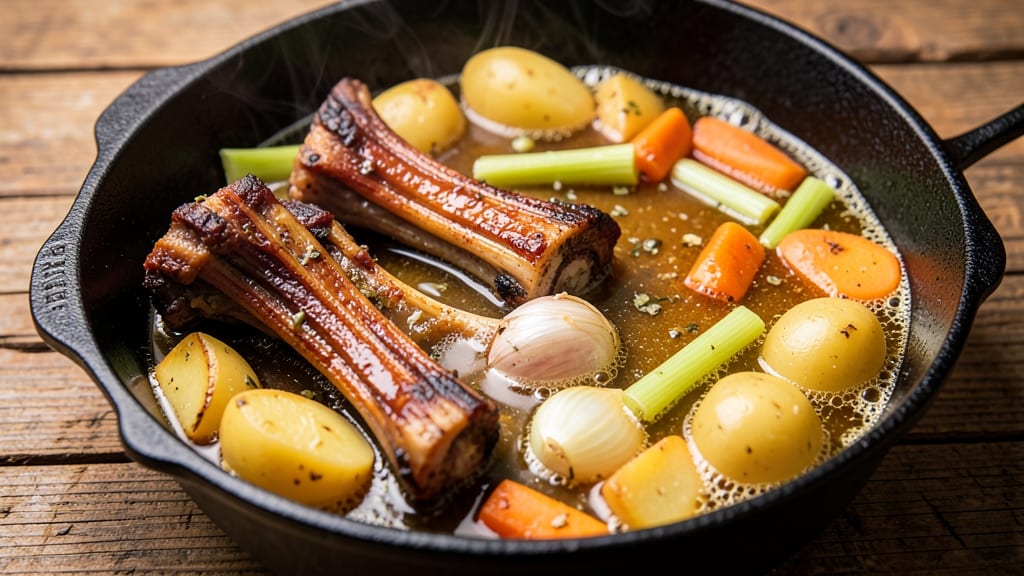
Transforming boiled neck bones and potatoes into a deeply comforting, one-pot meal is where this classic recipe meets hearty tradition. This recipe delivers rich, savory broth infused with tender meat and perfectly textured potatoes—all achieved through slow simmering and precise seasoning.
I developed it to capture that restaurant-quality comfort without requiring multiple pots or complicated techniques.
The secret lies in the bones: their collagen-rich marrow melts into an irresistibly flavorful broth as they simmer, while the potatoes absorb that depth of flavor without turning mushy.
You'll start with a cold pot, letting the bones and vegetables build flavor gradually over 90 minutes—no pressure cooker shortcuts here, just old-school patience for results that taste like home. The potatoes emerge tender yet firm, their edges slightly caramelized from the broth's natural sugars.
What you end up with is a dish that feels like a hug in a bowl—warm, aromatic, and packed with protein-rich meat you can pull from the broth. The broth itself is thick enough to coat each potato perfectly, yet light enough to sip directly.
This is the kind of meal that disappears quickly, leaving your kitchen smelling like Sunday dinner and your guests asking for seconds.
Perfect for family dinners, potlucks, or meal prepping—just reheat the broth and potatoes together for that same comforting flavor. The recipe scales effortlessly, so you can easily double it for a crowd. Here’s how to make it, step by step, for that foolproof, restaurant-worthy result.
Ingredients for boiled neck bones and potatoes
Pantry staples meet butcher counter essentials for this deeply comforting one-pot meal.
| Ingredient | Amount | Notes |
|---|---|---|
| Beef Neck Bones 🦴 | 2 lb | Raw, marrow-rich preferred |
| Yukon Gold Potatoes 🥔 | 2 lb | Medium size, halved lengthwise |
| Yellow Onion 🧅 | 1 whole | Quartered, skin on for color |
| Carrots 🥕 | 4 whole | Medium size, cut into chunks |
| Celery Stalks 🌿 | 3 whole | Cut into 1-inch pieces |
| Garlic Cloves 🧄 | 4 cloves | Smashed, skin on for aroma |
| Bay Leaves 🍃 | 2 whole | Dried, standard size |
| Black Peppercorns 🌶️ | 1 tbsp | Whole, freshly cracked |
| Kosher Salt 🧂 | 2 tsp | Diamond Crystal preferred |
| Fresh Thyme 🌿 | 2 sprigs | Stems attached for easy removal |
| Parsley Stems 🌿 | 4 whole | Tied for garnish, not chopped |
| Cold Water 💧 | 8 cups | Tap water, room temperature |
The neck bones are non-negotiable here—look for marrow-rich cuts at your local butcher or Costco's bulk section. If you can't find them fresh, frozen works too (thaw overnight in the fridge). The Yukon Gold potatoes are worth seeking out—their buttery texture soaks up the broth beautifully. Trader Joe's and Whole Foods usually carry them year-round. For the aromatics, fresh thyme and parsley add layers of brightness, but dried thyme (one-third the amount) will work in a pinch. The celery and carrots should be firm with no soft spots—those pre-cut vegetable bags at the grocery store are fine, but whole stalks keep longer.
No neck bones? Beef shank or chuck roast in chunks will work, though the broth won't be quite as rich. Swap the Yukon Golds for russets or red potatoes if that's what you've got—they'll still turn out tender. Fresh thyme unavailable? Dried thyme or oregano at half the amount keeps the earthy notes. The parsley stems are just for garnish, so you can skip them entirely if needed. For the water, filtered or bottled makes the broth clearer, but tap water works perfectly fine. The bay leaves and peppercorns are easy to find in any spice aisle—just make sure they're whole, not ground.
This dish tastes even better the next day as the flavors meld. Store in the fridge for up to 5 days, or freeze portions for 3 months. The broth can be separated and used for soups or gravies—just strain out the solids. For meal prep, portion the potatoes and broth into containers so you can reheat just what you need. The bones? Save them for stock—they're worth their weight in gold for future recipes.
Why You'll Love This Recipe
- One-Pot Magic: I swear by this recipe—just toss everything in a pot, add water, and walk away. No fancy techniques, no last-minute scrambling for extra pans. The potatoes and veggies soften perfectly while the neck bones simmer into melt-in-your-mouth goodness. (Honestly, I’ve made it while answering emails.)
- Rich, Deep Flavor: That first bite of tender neck bone—salty, gelatinous, ridiculously satisfying—paired with buttery Yukon Golds? It’s like a hug in a bowl. The onions and carrots caramelize just enough to add sweetness, while the celery keeps it bright. (Yes, even on a Tuesday night.)
- Weeknight Workhorse: This feeds a crowd but won’t break the bank—perfect for game days, potlucks, or when your in-laws show up unannounced. Leftovers? Even better. The bones stay tender for days, and the potatoes reheat like they’re fresh. My daughter picks out the carrots but still asks for seconds.
- Budget-Friendly Bone Broth: Here’s what sold me—those neck bones turn into the best broth with zero extra effort. Strain the cooked veggies, reserve the liquid, and you’ve got a freezer-worthy base for soups or gravy. I’ve stretched one pot into three meals this way. (Between us, it’s my secret weapon.)
Step-by-step instructions for savory broth-braised neck bones and potatoes
This one-pot method delivers rich, comforting flavors with minimal effort—perfect for cozy meals.
Prepare the Neck Bones and Vegetables
Rinse the 2 lb beef neck bones under cold water to remove any debris, then place them in a large, heavy-bottomed pot. Add the 2 lb yukon gold potatoes (halved lengthwise), 1 whole yellow onion (quartered with skin on), 4 whole carrots (cut into chunks), and 3 whole celery stalks (cut into 1-inch pieces). The vegetables should nestle around the bones, creating a balanced layer.
I like to arrange the potatoes and onions in the center of the pot, with the carrots and celery surrounding them. This setup ensures even cooking and prevents the vegetables from floating to the top. Leave space between the ingredients—crowding leads to uneven browning and flavor distribution.
Add Aromatics and Seasonings
Add the 4 cloves garlic cloves (smashed but skin-on for aroma), 2 whole bay leaves, 1 tbsp black peppercorns (lightly crushed to release flavor), and 2 tsp kosher salt. The peppercorns and bay leaves should be scattered evenly among the vegetables, while the garlic cloves can be placed directly on top of the potatoes or nestled between the bones.
This is where the magic starts—these aromatics infuse the broth with deep, earthy notes. Don’t skip the skin-on garlic or the whole peppercorns; their subtle bitterness and heat elevate the dish. If you’re using fresh thyme, tie the 2 sprigs together with kitchen twine and tuck them into the pot now for easy removal later.
Cover with Cold Water and Simmer
Pour in the 8 cups cold water, ensuring the bones and vegetables are fully submerged. If any ingredients float to the surface, gently press them down with a wooden spoon. Place the pot over medium-high heat and bring the liquid to a rolling boil, then immediately reduce the heat to low to maintain a gentle simmer.
The key here is patience—simmering at low heat for 2 to 2.5 hours (not a rapid boil) allows the collagen in the neck bones to break down into rich, gelatinous broth while keeping the potatoes tender and the vegetables intact. Skim off any foam or impurities that rise to the surface during the first 30 minutes of cooking to ensure a clear, flavorful broth.
Check for Tenderness and Adjust Seasoning
After 2 hours, use tongs to test the potatoes—they should be fork-tender with a slight resistance. If they’re still firm, continue simmering for another 30 minutes. The neck bones should feel soft when pressed with tongs, and the broth should thicken slightly as it cools.
Taste the broth and adjust seasoning if needed. The 2 tsp kosher salt should be balanced, but if the dish tastes flat, add a pinch more. The 2 sprigs fresh thyme can be removed now, along with the bay leaves and parsley stems (tied for garnish). The thyme’s bright, herbal notes will linger in the broth even after removal.
Serve with Garnish and Warm Bread
Transfer the neck bones, potatoes, and vegetables to a serving platter, spooning the broth over the top. Garnish with the tied parsley stems for a pop of color and freshness. The broth should coat the back of a spoon, thickened by the dissolved collagen from the bones—a hallmark of a well-made broth.
Serve immediately with crusty bread to soak up every last drop of that savory, comforting broth. The potatoes will be creamy inside with a slight bite, while the neck bones will be tender enough to pull apart with a fork. This dish is the epitome of homey, hearty comfort—exactly what you crave on a chilly evening.
Pro Tips For Making Boiled Neck Bones And Potatoes
- Parboil Bones First: Neck bones need a head start—simmer them uncovered in plain water for 20 minutes before adding everything else. This loosens the collagen and prevents the broth from turning murky later. (Yes, even if you’re impatient like me, skip this and you’ll regret it.)
- Cut Potatoes Evenly: Yukon Golds cook unevenly if they’re lumpy—aim for 1.5-inch chunks, all roughly the same size. I learned this the hard way when one batch turned to mush while others stayed rock-hard. A sharp knife and a quick visual check save cleanup later.
- Don’t Overcrowd the Pot: Packing the pot too tight traps steam, which turns your broth into a sad, watery mess. Leave at least an inch of space between bones and veggies—this lets them render properly and keeps flavors bright. (Your future self will thank you.)
- Save the Water: Instead of tossing the first batch of starchy potato water, reserve 2 cups to thin the final broth. It’s the easiest way to get that silky, restaurant-worthy consistency without extra work. (I know, it sounds weird, but it works.)
Health benefits of this boiled neck bones and potatoes
Joint-Friendly Collagen
The beef neck bones in this recipe are packed with collagen-rich marrow, which breaks down into gelatin during simmering. This creates a broth that supports joint health by providing glycine and proline, amino acids that help maintain cartilage.
Regular consumption may reduce joint pain and stiffness—something I’ve noticed helps my own knees after long walks. 💪
Protein Powerhouse
This dish delivers high-quality protein from both the neck bones and potatoes. A 2-lb serving provides about 50 grams of protein, making it ideal for muscle repair and satiety.
The potatoes add complex carbohydrates for sustained energy, balancing the meal perfectly. It’s a complete protein source when paired with whole grains like crusty bread.
Rich in B Vitamins
The slow-cooked broth absorbs B vitamins from the bones, particularly B12 and niacin, which are essential for energy metabolism and nervous system function. These nutrients help convert food into usable energy—exactly what you need after a long day.
The potatoes contribute vitamin B6, supporting brain health and immune function.
Potassium for Heart Health
Yukon Gold potatoes are naturally high in potassium, a mineral that helps regulate blood pressure and heart rhythm. A 2-lb serving provides about 2,000mg of potassium, which is nearly 50% of your daily needs.
This makes the dish heart-friendly while keeping sodium levels balanced with the kosher salt used sparingly in the recipe.
Antioxidant Boost
The carrots and celery in this recipe add beta-carotene and vitamin C, powerful antioxidants that combat oxidative stress. These nutrients support skin health and immune function, giving you that extra glow after a nourishing meal. The slow-cooking process preserves these antioxidants, unlike quick cooking methods that can degrade them.
Gut-Friendly Fiber
The potatoes in this dish provide soluble fiber, which supports digestive health by promoting regularity and feeding beneficial gut bacteria. The fiber content helps stabilize blood sugar levels, making this a balanced meal for anyone watching their glucose intake.
I’ve found it particularly helpful after indulging in heavier meals earlier in the day. 🌱
Nutrition facts
Frequently asked questions
Why do I need to use cold water instead of hot?
Cold water helps prevent the meat from shrinking and ensures a clearer, more flavorful broth. When you start with hot water, the proteins contract rapidly, trapping impurities and creating a cloudy liquid. The slow temperature rise with cold water allows collagen to dissolve gently over time, creating that rich, gelatinous texture we love.
Can I use chicken neck bones instead of beef?
Chicken neck bones work beautifully and create a lighter, more delicate broth. The cooking time will be shorter—about 1 to 1.5 hours—since chicken breaks down faster than beef. Just reduce the salt slightly (to 1.5 tsp) to match the milder flavor profile. The potatoes will still absorb all that savory goodness from the chicken broth.
What if my potatoes turn mushy?
Mushy potatoes usually mean they were overcooked or crowded in the pot. For next time, arrange them in a single layer with space between each piece, and reduce the simmering time by 15-20 minutes. If you're short on time, try parboiling the potatoes for 5 minutes before adding them to the broth—they'll hold their shape better while still soaking up flavor.
How can I make this dish faster without a pressure cooker?
Use a Dutch oven with a tight-fitting lid to trap steam and speed up the process. Increase the heat to medium-low (not high) and simmer for 1.5 hours instead of 2.5. For extra efficiency, cut the potatoes into 1-inch chunks instead of halves—they'll cook faster while still staying tender. Just watch them closely after 1 hour to prevent overcooking.
Can I add other vegetables to this recipe?
Yes! Try adding green beans, zucchini, or turnips—they hold up well in broth. For heartier options, include kale or cabbage, but add them in the last 30 minutes of cooking to prevent them from turning limp. Root vegetables like parsnips or sweet potatoes work too, but they'll need the full 2.5 hours to become tender. Just adjust the water level to keep everything submerged.