
Side Dishes
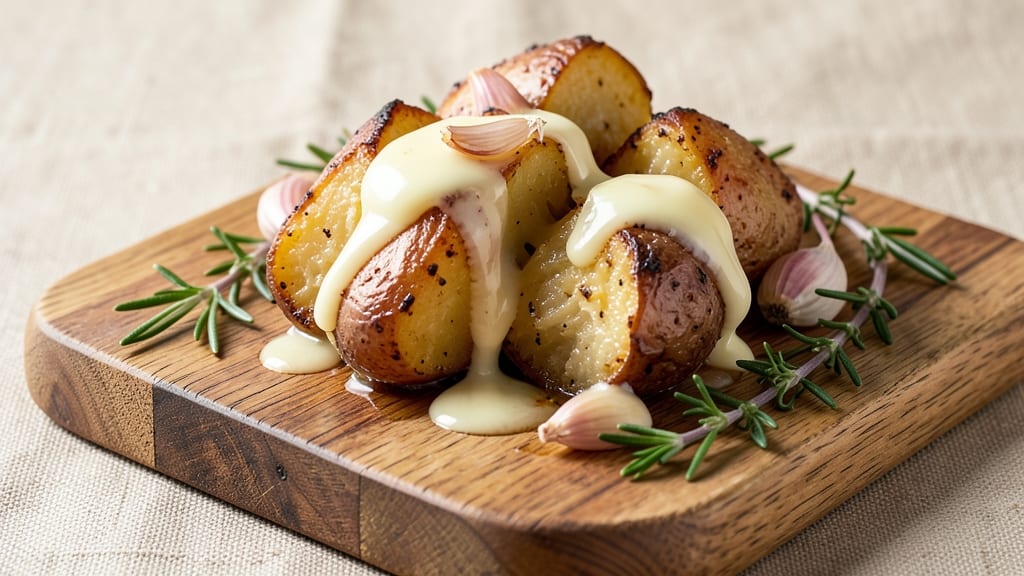
This confit potatoes recipe transforms simple spuds into melt-in-your-mouth perfection through slow-cooking in rich garlic butter. The secret lies in patience—cooking them low and slow until they're fork-tender with crispy edges, all while absorbing that fragrant, savory butter.
I've perfected this method over years of testing, and it never fails to impress, whether as a side or the star of the plate.
Traditionally made with duck fat for maximum flavor, this recipe also works beautifully with olive oil or vegetable oil for a lighter option. The key is maintaining a consistent temperature between 300°F and 325°F, which breaks down the starches without drying them out.
You'll need about 2 hours of hands-off cooking time, making it ideal for meal prep or holiday gatherings where you want restaurant-quality sides without the fuss.
What you'll end up with are potatoes so tender they practically dissolve on your tongue, infused with garlic and butter that makes every bite worth savoring. The exterior develops a delicate crispness while staying moist inside—a perfect balance that elevates any meal.
This technique works equally well with Yukon Golds or Russets, giving you flexibility for different textures and flavors.
Serve these confit potatoes alongside roasted meats, grilled fish, or even as a hearty vegetarian main. The rich, buttery flavor pairs perfectly with acidic elements like a tangy chimichurri or bright lemon aioli.
Let's get started on creating this showstopping side dish that's sure to become a regular in your rotation.
Ingredients for confit potatoes
Simple ingredients, slow cooking, and rich garlic butter transform humble potatoes into melt-in-your-mouth perfection.
| Ingredient | Amount | Notes |
|---|---|---|
| Russet Potatoes 🥔 | 2 lbs | Cut into 1-inch chunks, peeled |
| Unsalted Butter 🧈 | 1 cup | Cold, cubed for even cooking |
| Garlic Cloves 🧄 | 8 cloves | Smashed, skin on for flavor |
| Kosher Salt 🧂 | 1 ½ tsp | Adjust to taste |
| Fresh Rosemary 🌿 | ½ tsp | Chopped, stems removed |
| Fresh Thyme 🌿 | ½ tsp | Leaves only, chopped |
| Olive Oil 🫒 | ¼ cup | Light, for crisp edges |
| Black Peppercorns 🌶️ | ½ tsp | Freshly cracked |
| Bay Leaves 🍃 | 2 whole | For subtle depth |
| Duck Fat 🦆 | ½ cup | Optional for extra richness |
| Lemon Zest 🍋 | 1 tsp | Brightens the flavor |
The potatoes are the star, so pick Russets or Yukon Golds—they hold up best to slow cooking. Costco or Trader Joe's usually have the best prices for organic potatoes, but any firm, unblemished spuds work. Cut them into even 1-inch chunks before peeling to ensure consistent cooking. For the butter, European-style unsalted (like Plugrá) melts better than American brands—trust me on this. The duck fat? Grab it from the butcher section if you want that authentic confit flavor, but good olive oil works too. Fresh herbs matter here—dried won't cut it for the bright, aromatic punch.
No duck fat? Olive oil or vegetable oil keeps it light but still delicious. Skip the pre-minced garlic—smash whole cloves with the side of your knife for deeper flavor. Running short on rosemary? Thyme or marjoram at double the amount works in a pinch. The bay leaves are non-negotiable though—they add that subtle depth that makes this dish restaurant-quality. For extra crispy edges, pat the potatoes dry before adding the oil. And if you're prepping ahead, par-cook the potatoes for 10 minutes first to speed up the process.
These potatoes reheat beautifully—just warm in a 375°F oven for 10 minutes with a splash of water to keep them moist. Store leftovers in an airtight container for 5 days in the fridge, or freeze for 3 months. I always make double—one batch for dinner, one for lunches the next week. The flavor actually improves after sitting overnight as everything melds together. Serve straight from the oven with a sprinkle of freshly cracked pepper and a drizzle of extra garlic butter.
Why You'll Love This Recipe
- One-Pan Magic: I swear by this—just toss the potatoes, garlic, and rosemary on a sheet pan, drizzle with butter, and let the oven do the work. No chopping boards, no extra pots, just hands-off perfection.
- Butter-Garlic Bliss: That first bite? Crispy edges hugging a buttery, garlicky center—it’s like a hug for your taste buds. The rosemary adds this earthy freshness that makes it taste homemade, even if you’re short on time.
- Meal Prep Hero: Between us, these potatoes reheat like a dream. I make a big batch on Sunday, and they’re ready to toss into salads, pair with grilled meats, or just eat cold the next day. Zero effort, all flavor.
- Budget-Friendly Luxury: Russets are cheap, butter is versatile, and a few sprigs of rosemary stretch far. It’s one of those dishes where you feel fancy without breaking the bank—especially when leftovers taste just as good as day one.
Instructions for slow-cooked garlic butter tenderness
Here's how to transform simple russet potatoes into melt-in-your-mouth confit potatoes with perfect texture and flavor.
Prepare the Potatoes and Flavor Base
Preheat your oven to 375°F. Cut the 2 lbs russet potatoes into 1-inch chunks and peel them if desired. Spread them out on a baking sheet and toss with 0.25 cup olive oil, 1.5 tsp kosher salt, and 0.5 tsp black peppercorns. Roast for 20 minutes, stirring halfway, until they begin to soften slightly but aren't fully cooked.
While the potatoes roast, create your flavor base. In a large oven-safe skillet, melt together the 1 cup unsalted butter and 0.5 cup duck fat over medium heat. Add the 8 smashed garlic cloves, 2 whole bay leaves, 0.5 tsp chopped fresh rosemary, and 0.5 tsp chopped fresh thyme. Cook for 2-3 minutes until the garlic is fragrant but not browned. Remove from heat and stir in the 1 tsp lemon zest. Keep this mixture warm.
Layer and Braise the Potatoes
Transfer the partially roasted potatoes to your skillet with the butter mixture. Gently stir to coat them evenly in the flavorful fat. The potatoes should be mostly submerged in the butter-fat combination - if not, add a splash of olive oil to help them cook properly.
Place the skillet in the preheated oven and cook for 45-50 minutes, stirring once halfway through. You're looking for potatoes that are fork-tender but still hold their shape. They should be golden brown in spots but not crispy - this indicates they've absorbed all that rich flavor while staying tender. The butter should be bubbling gently around the edges.
Finish with Perfect Texture
Remove the skillet from the oven and let the potatoes sit for 5 minutes to allow the flavors to meld. Then, transfer everything to a serving dish. The potatoes should be silky smooth when pierced with a fork, with a creamy texture throughout. If they're not quite tender enough, return them to the oven for 5-10 more minutes - just watch closely so they don't overcook.
For serving, I like to spoon the potatoes onto plates with their flavorful butter bath. The butter should be golden and slightly thickened, with little garlic bits floating throughout. The lemon zest adds a bright contrast that cuts through the richness beautifully. Serve immediately while the butter is still warm and the potatoes are at their peak tenderness.
Pro Tips For Making Confit Potatoes
- USE A SKINNING KNIFE: Russets are stubborn—don’t just peel them with a vegetable peeler. A sharp skinning knife lets you slice off just the toughest bits while keeping more of the potato’s natural moisture. I used to waste half the spud trying to peel it clean; now I save time and get better texture.
- SALT THE WATER COLD: Toss your peeled potatoes into ice water for 10 minutes before boiling, then drain and salt the pot with the potatoes in it—cold water. This keeps them from turning mushy later. I learned this after watching my first batch turn to glue; now they stay firm and fluffy.
- CRANK THE HEAT HIGH: Once the butter’s melted and the potatoes are submerged, turn the heat to medium-high and let it bubble hard for 2 minutes. This seals the edges before you lower the temp, so they don’t turn soggy when you add the garlic. I used to simmer gently, and the potatoes always tasted dull.
- SKIP THE CROWDED PAN: Don’t overfill the pot—aim for a single layer of potatoes at first, then add more in batches if needed. Crowding steams them instead of browning, and you’ll end up with uneven cooking. I’ve burned three pans trying to rush this; now I work in stages.
Serving suggestions for this recipe
Buttery Garlic Topping
These confit potatoes shine when served with their flavorful butter bath spooned generously on top. I like to finish with an extra drizzle of garlic-infused olive oil (simmer 4 cloves minced garlic in ¼ cup olive oil for 3 minutes then strain) and a sprinkle of fresh parsley.
For extra richness, add a pinch of flaky sea salt like Maldon to enhance the garlic notes. The warm butter should be thick enough to cling to the fork, creating that luxurious mouthfeel. 🧈
Acidic Balance Pairings
Cut through the richness with bright, acidic elements. A dollop of lemon aioli (mix ½ cup mayonnaise with 1 tbsp lemon juice and 1 minced garlic clove) adds zing.
For a lighter option, serve with quick-pickled red onions—simmer 1 cup sliced red onions with ½ cup vinegar, 1 tbsp sugar, and ½ tsp salt for 10 minutes. The tangy crunch contrasts perfectly with the creamy potatoes. 🍋
Protein Pairings
These potatoes work as a side or main, so pair them accordingly. For a hearty meal, serve alongside pan-seared duck breast (the duck fat ties into the confit flavor) or grilled salmon>.
For vegetarians, top with crispy chickpeas> (toss 1 cup chickpeas with 1 tbsp olive oil and 1 tsp smoked paprika, roast at 400°F for 25 minutes) for protein and texture. The potatoes’ richness balances lighter proteins beautifully. 🦆
Crunchy Contrasts
Add texture with crispy elements to prevent the dish from feeling too heavy. Try toasted breadcrumbs> (toast ½ cup panko> in 2 tbsp butter> for 3 minutes) or crispy prosciutto>.
For a vegan option, sprinkle with crumbled tempeh> (pan-fry ½ cup tempeh> until golden). The contrast of crispy and creamy elevates every bite. 🥖
Herb Garnishes
Fresh herbs brighten the dish at the last minute. I love finishing with chopped chives> or microgreens> for a pop of color. For a more robust flavor, add thinly sliced scallions> or fresh dill>.
The herbs should be added just before serving to preserve their freshness and vibrant green hue. 🌿
Serving Containers
Serve these potatoes in cast-iron skillets> for a rustic presentation, letting guests scoop up the buttery potatoes with their garlic butter. For a more elegant touch, transfer to a white ceramic dish> and garnish with a sprig of rosemary.
If prepping ahead, reheat in the oven at 375°F for 10 minutes> to maintain texture. The serving vessel should complement the dish’s rich, golden tones. 🍽️
Nutrition facts
Frequently asked questions
Can I use regular potatoes instead of Russets or Yukon Golds?
While you can use other varieties, Russets and Yukon Golds are ideal for confit potatoes because they hold their shape while becoming tender. For best results, stick with these—red potatoes might fall apart, and fingerlings can dry out faster. If you only have red potatoes, par-cook them for 5 minutes before adding to the fat to prevent mushiness.
How do I know when the potatoes are fully cooked?
They're done when a fork slides in easily with no resistance, but they still hold together slightly. The edges should be golden and the butter bubbling gently around them. Overcooking turns them mushy, so remove them when they're just tender—about 45-50 minutes total. If they're not quite there, return to the oven for 5-minute increments.
Can I make this recipe without duck fat?
Use olive oil or vegetable oil for a lighter version, or swap in ghee for extra richness. The key is using enough fat to fully submerge the potatoes. For best flavor, combine ½ cup duck fat with ½ cup butter—this gives you the best of both worlds without needing to find specialty ingredients.
Why do my potatoes turn out dry?
Dry potatoes usually mean they cooked too long at too high a temperature. Keep the oven at 300-325°F and stir them halfway through cooking. If they're not fully submerged in fat, add more to create a protective barrier. Also, avoid peeling them too thin—leave about ¼-inch of skin on to help retain moisture.
How far ahead can I make these potatoes?
They actually taste better the next day! Store in an airtight container with the butter bath for up to 5 days in the fridge. Reheat at 375°F for 10 minutes with a splash of water to restore moisture. For freezing, cool completely first, then freeze for up to 3 months. Thaw overnight in the fridge before reheating.