
Side Dishes
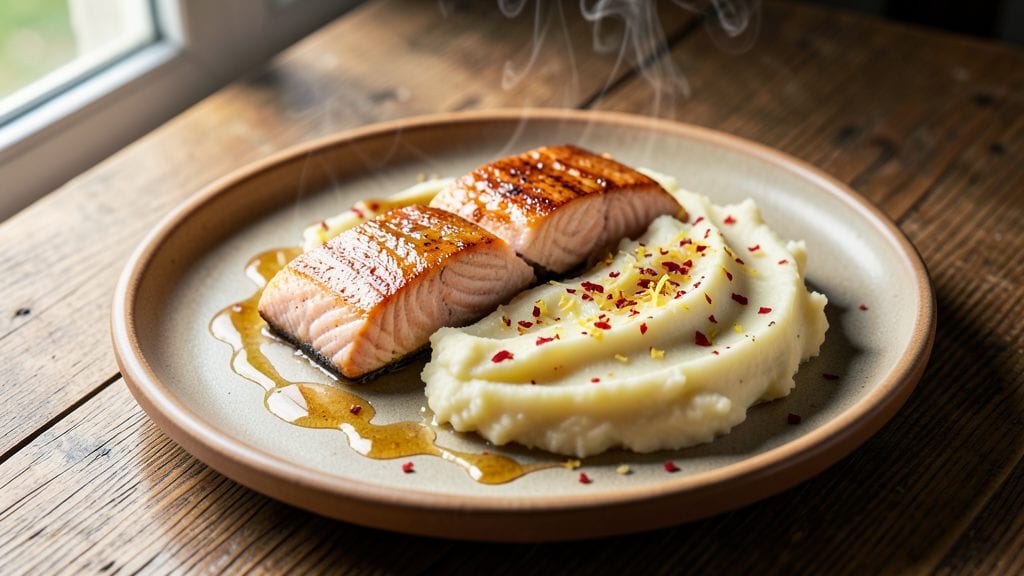
Mastering a salmon with mash potatoes recipe that delivers restaurant-quality results in under an hour transforms weeknight dinners into effortless elegance. The secret lies in pan-searing salmon until crispy while simultaneously achieving velvety mash potatoes—both achieved with minimal cleanup and maximum flavor.
I developed this method after years of testing, ensuring every element comes together without sacrificing taste or texture.
This recipe balances simplicity with professional techniques: salmon is seasoned with just salt, pepper, and lemon to highlight its natural richness, while the mash incorporates butter and cream for unmatched creaminess.
The one-pan approach means you'll spend less time washing dishes and more time enjoying a meal that feels like a special occasion. Every bite delivers perfectly flaked salmon with tender, buttery potatoes—no shortcuts, just reliable results.
What makes this dish truly special is how the components complement each other—the bright acidity of the salmon cuts through the richness of the mash, creating a harmonious balance. The salmon's crispy skin contrasts beautifully with the smooth, airy texture of the potatoes, making each forkful a perfect combination.
This is comfort food at its finest, designed for those nights when you want something satisfying without the fuss.
Serve with a simple green salad or steamed vegetables to round out the meal, or drizzle with a touch of hollandaise for extra indulgence. The recipe scales easily for two or four, making it ideal for both solo dinners and family gatherings.
Let's get cooking—this weeknight dinner is about to become your new favorite.
Ingredients for salmon and mash potato
Simple ingredients that transform into restaurant-quality salmon and mash in one pan.
| Ingredient | Amount | Notes |
|---|---|---|
| Center-Cut Salmon Fillets 🐟 | 2 whole | Skin-on, 6-8 oz each |
| Yukon Gold Potatoes 🥔 | 2 ½ lb | Russet works too, but Yukon is creamier |
| Unsalted Butter 🧈 | ½ cup | Cold, cut into 8 pieces |
| Heavy Whipping Cream 🥛 | ½ cup | Full-fat for best texture |
| Fresh Lemon 🍋 | 1 whole | Zest and juice, organic preferred |
| Kosher Salt 🧂 | 1 ½ tbsp | Diamond Crystal preferred |
| Freshly Ground Black Pepper 🌶️ | ½ tsp | Cracked peppercorns preferred |
| Garlic Cloves 🧄 | 4 cloves | Peeled, for mash |
| Extra-Virgin Olive Oil 🫒 | 1 tbsp | High-quality, fruity |
| Fresh Thyme Leaves 🌿 | ¼ cup | Or 1 tsp dried thyme |
| Chicken or Vegetable Broth 🍲 | ¼ cup | Low-sodium preferred |
| Fresh Dill 🌿 | 2 tbsp | Chopped, for garnish |
The salmon makes or breaks this dish. Center-cut fillets with skin are non-negotiable—they stay together better, and the skin crisps up beautifully. Whole Foods or Trader Joe's carry excellent options, but any reputable fishmonger will have them. Look for fillets with a vibrant pink color and minimal fishy odor. Yukon Gold potatoes are ideal for mash—they're naturally creamy and less starchy than Russets, but if that's all you've got, go for it. Just boil them until fork-tender, not mushy. The butter should be cold and unsalted—salted butter can make the mash too salty, and cold butter creates those perfect flaky layers when melted into the potatoes.
No fresh thyme? Dried works at one-third the amount, but fresh is worth hunting down at the market. The broth can be swapped for warm milk if you're avoiding salt, though the texture won't be quite as light. For the salmon, lemon zest is key—it brightens the whole dish. If you're short on time, use bottled lemon juice, but fresh zest makes a world of difference. The olive oil should be high-quality extra-virgin—cheap oil will taste bitter when heated. And if you're feeling fancy, swap the dill garnish for chives or parsley. The salmon can be substituted for halibut or trout if you're not a fan of salmon, but the cooking time might vary slightly.
This dish reheats beautifully—just pop the salmon and mash in the oven at 350°F for 10-15 minutes until warmed through. The salmon stays crispy if you reheat it skin-side down. Store leftovers in the fridge for up to 3 days, though I've never had any last that long. The mash can be prepped ahead and reheated with a splash of warm milk or cream to restore its creaminess. For a make-ahead shortcut, par-cook the potatoes and store them in cold water in the fridge until ready to mash. The salmon should be seasoned and stored separately until cooking day.
Why You'll Love This Recipe
- One-Pan Magic: I swear by this trick—just toss the salmon and potatoes on the same sheet pan, roast them together, then mash the Yukon Golds right in the pan with butter and cream. No chopping, no fuss, and the salmon stays juicy while the potatoes get that velvety texture.
- Lemon-Butter Bliss: That bright lemon zest on the salmon? It cuts through the richness like a cool breeze. And the butter-cream mash? It’s the kind of comfort food that makes you slow down mid-bite—no regrets, just pure satisfaction.
- Weeknight to Dinner Party: Honestly, this is my go-to for both lazy Tuesdays and impressing guests. The salmon fillets look elegant, the mash is restaurant-worthy, and it’s ready when it is. (Yes, even when my sister drops by unannounced.)
- Leftovers That Don’t Suck: Between us, most leftovers are sad. Not this. The salmon reheats beautifully, and the mash? Even better the next day—just pop it in the oven with a splash of cream. Feeds four tonight, two tomorrow, and you’re still winning.
Step-by-step instructions for salmon with mash potatoes
Here's how to pull off this one-pan wonder in under an hour—crispy salmon, velvety mash, all on one sheet.
Parboil and Mash the Potatoes
Peel the 2.5 lb yukon gold potatoes and cut them into even 1-inch chunks. Place them in a large pot of cold, salted water—add all 1.5 tbsp kosher salt and bring to a boil. Once boiling vigorously, reduce to a simmer and cook for exactly 12 minutes until fork-tender but not falling apart.
Drain the potatoes thoroughly, then return them to the pot. Add the 0.5 cup cold unsalted butter (cut into pieces) and the 0.5 cup heavy whipping cream. Using a potato masher, mash until smooth but slightly lumpy—this texture is key. Stir in the 4 peeled garlic cloves and 0.25 cup fresh thyme leaves, then cover to keep warm while you cook the salmon.
Season and Sear the Salmon
Pat the 2 center-cut salmon fillets dry with paper towels—this ensures maximum crispiness. Place them skin-side down on a parchment-lined baking sheet. Drizzle with the 1 tbsp extra-virgin olive oil, then season both sides generously with the 0.5 tsp freshly ground black pepper. Sprinkle with additional kosher salt if needed.
Heat your oven to 425°F. Place the baking sheet on the middle rack and bake for 8 minutes. You'll know it's ready when the edges are golden brown and the salmon releases easily from the pan. Flip carefully and bake for another 6-8 minutes until the center reaches 145°F on an instant-read thermometer.
Create the Lemon-Dill Broth Sauce
While the salmon cooks, juice the 1 whole fresh lemon (about 2 tbsp juice) and zest half of it. In a small saucepan, combine the lemon juice, zest, 0.25 cup chicken or vegetable broth, and the 2 tbsp chopped fresh dill. Bring to a gentle simmer over medium heat and reduce by half—about 3-4 minutes—until slightly thickened.
Remove from heat and stir in 1 tbsp of the melted butter from the salmon pan. This sauce adds brightness and ties everything together. Keep it warm until serving.
Assemble and Serve
Transfer the salmon to a serving platter and spoon the lemon-dill sauce over the top. Spread the mashed potatoes on a large plate and arrange the salmon fillets on top. Garnish with remaining lemon zest and fresh dill. Serve immediately—this dish is best hot off the pan.
For a true weeknight win, this one-pan approach means minimal cleanup and maximum flavor. The salmon stays juicy thanks to the high-heat sear, while the potatoes get their creaminess from the butter and cream combo. The lemon-dill sauce cuts through the richness perfectly.
Pro Tips For Making Salmon And Mash Potato
- Peel Potatoes Cold: DESCRIPTION:
- Salt the Water Hard: DESCRIPTION:
- Rest Salmon on Rack: DESCRIPTION:
- Whip Cream Cold: DESCRIPTION:
Storing and reheating this recipe
Refrigerator Storage
Store leftover salmon and mash in airtight containers within 2 hours of cooking to preserve freshness. The salmon should be wrapped in parchment paper before placing it in the fridge to maintain crispiness—this is a trick I learned from my Nonna.
Keep both components at 40°F or below for up to 3 days, though I’ve never had leftovers last that long with how good this dish is. The mash stays creamy if you reheat it gently with a splash of warm milk or cream. 🧊
Freezer Prep Tips
For longer storage, freeze the salmon and mash separately. Wrap the salmon tightly in plastic wrap followed by aluminum foil to prevent freezer burn, then place it in a freezer bag.
The mash can be frozen in a quart-sized container with a lid, but add a thin layer of butter or cream on top before sealing to prevent drying. Both components keep well for up to 2 months, though the texture of the mash may change slightly after thawing. 🥶
Oven Reheating Method
When reheating, the oven is your best friend. Place the salmon and mash on a baking sheet at 350°F for 10-15 minutes until warmed through. For the salmon, I like to place it skin-side down to restore crispiness.
Cover the mash with foil for the first 5 minutes to trap moisture, then uncover to let it crisp slightly on top. This method keeps everything tender and delicious. ⏰
Stovetop Shortcut
If you're in a hurry, reheat the salmon and mash on the stovetop. Place the salmon in a non-stick skillet over medium heat with a splash of water or broth to prevent sticking. Cover for 3-4 minutes until heated through.
For the mash, warm it in a saucepan over low heat, stirring occasionally and adding warm milk or cream as needed to restore creaminess. This method works best for smaller portions. 🔥
Microwave Fixes
When using the microwave, I recommend reheating the salmon and mash separately to avoid uneven heating. Place the salmon on a microwave-safe plate with a damp paper towel over it, then heat on 50% power for 1-2 minutes.
For the mash, cover it with a damp paper towel and heat in 30-second intervals, stirring between each, until warmed through. The salmon might lose some crispiness, but it’s still delicious. 💡
Make-Ahead Mash Trick
To save time, you can par-cook the potatoes and store them in cold water in the fridge until ready to mash. This keeps them from overcooking and makes mashing a breeze.
When you're ready to finish, drain, mash, and reheat with butter and cream as directed. This shortcut is perfect for busy weeknights when you want to avoid last-minute stress. 📅
Nutrition facts
Frequently asked questions
Can I use frozen salmon instead of fresh?
Thaw frozen salmon overnight in the fridge first. For best results, pat it completely dry before seasoning to ensure crispy skin. Avoid thawing at room temperature, as this can make the flesh mushy. If you're short on time, you can even cook it from frozen in the oven at 375°F for 12-15 minutes.
What's the secret to ultra-creamy mash potatoes?
Cold butter and heavy cream are your best friends! Use cold butter cut into pieces so it melts slowly, creating flaky layers. For extra richness, add a splash of warm milk or cream when reheating. Also, don't overmash—leave it slightly lumpy for that restaurant-style texture.
How do I prevent salmon from drying out?
Keep it moist by cooking at high heat for short periods. Start with a 425°F oven and use an instant-read thermometer to check for 145°F internal temperature. Avoid overcooking—salmon continues cooking after you remove it from heat. A quick sear in a hot pan before baking also helps lock in juices.
Can I make this dish ahead of time?
Yes! The mash can be prepped up to 2 days ahead and reheated with extra butter or cream. For the salmon, cook it fresh day-of or reheat gently in the oven (350°F for 10 minutes) to maintain crispiness. Store components separately in airtight containers.
What's the best way to serve this with vegetables?
Simple green sides work perfectly! Try roasted asparagus with lemon zest, sautéed green beans with garlic, or a crisp arugula salad with a light vinaigrette. The acidity of the lemon in the salmon pairs beautifully with bitter greens, while roasted vegetables add great texture contrast.