
Side Dishes
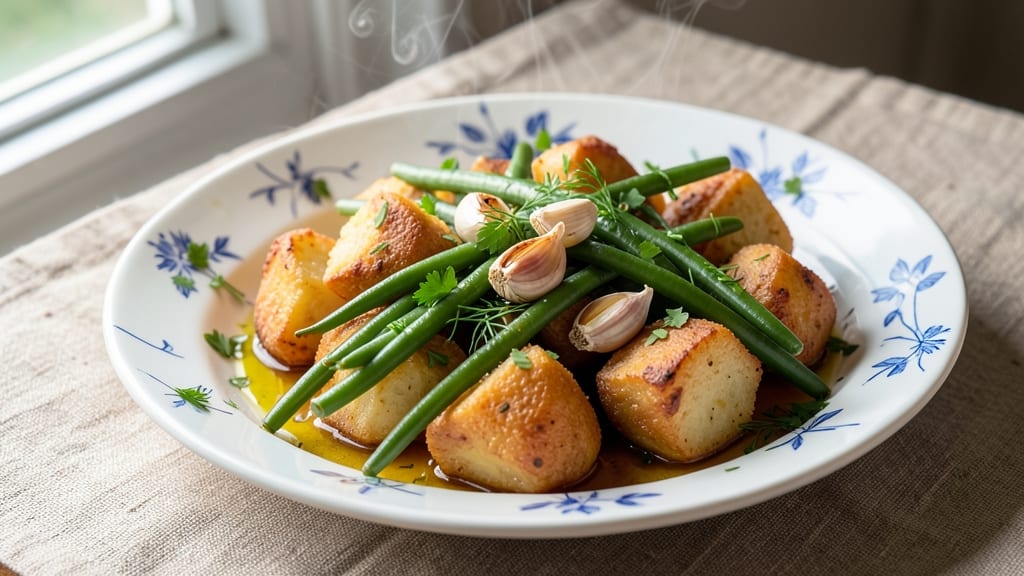
Transforming canned green beans and potatoes into a one-pot garlic-herb side dish proves that comfort food doesn't require hours in the kitchen. This recipe delivers restaurant-quality results in just 20 minutes using pantry staples and a simple technique that transforms humble ingredients into something special.
I developed it during a particularly busy week when I needed a reliable side dish that wouldn't distract from the main event.
The beauty of this method lies in its simplicity: no chopping, no peeling, and just one pot to clean. The key is sautéing the potatoes first until they develop golden-brown edges, then adding the green beans and garlic for that aromatic punch.
Fresh herbs like parsley or dill finish the dish with bright, fresh notes that cut through the richness of any main course.
What you'll end up with is a side dish that's crispy on the edges, tender inside, and infused with garlic and herb flavors that make it impossible to resist. The potatoes stay firm yet creamy, while the green beans maintain their bright color and snap.
This is the kind of side that disappears quickly and leaves everyone asking for seconds.
Perfect for weeknight dinners, holiday meals, or even potlucks where you want to bring something simple yet impressive. The recipe scales easily, so you can make it for two or feed a crowd without breaking a sweat. Let's get cooking!
Ingredients for canned green beans and potatoes
Potatoes, green beans, and garlic transform into a restaurant-worthy side with just one pot.
| Ingredient | Amount | Notes |
|---|---|---|
| Russet Potatoes 🥔 | 1 ½ lb | Baby or small Yukon gold preferred |
| Canned Green Beans 🌱 | 2 cups | Drained, not pre-cooked |
| Garlic Cloves 🧄 | 4 cloves | Minced for aromatic punch |
| Extra-Virgin Olive Oil 🫒 | 3 tbsp | Light or medium for sautéing |
| Fresh Parsley 🌿 | ¼ cup | Chopped for bright finish |
| Fresh Dill 🌿 | 2 tbsp | Chopped, or dried at 1/3 amount |
| Salt 🧂 | 1 ½ tsp | Kosher or sea salt preferred |
| Black Pepper 🌶️ | ½ tsp | Freshly ground for best flavor |
| Chicken Broth 💧 | ½ cup | Low-sodium preferred |
| Lemon Juice 🍋 | 1 tbsp | Freshly squeezed for brightness |
| Butter 🧈 | 1 tbsp | Unsalted, for richness |
The potatoes are the foundation here, so Yukon Gold or Russet work best—they hold their shape while developing that perfect golden crust. Baby potatoes cut cooking time, but regular small potatoes work too. Look for firm, unblemished tubers at the store—Trader Joe's or Whole Foods usually carry the best quality. The canned green beans should be labeled 'not pre-cooked'—those are the ones that need actual cooking. If you can't find them, regular canned beans work too, but you may need to add an extra minute to the cooking time. The garlic? Fresh is a must—jarred minced garlic just doesn't cut it here.
No fresh parsley? Dried parsley at half the amount works, though it lacks that bright pop. Short on dill? Fresh thyme or basil can sub in a pinch, but the flavor will be different. The olive oil should be light or medium—extra-virgin can get too strong when heated. For the broth, low-sodium is key—you don't want to overpower the dish. The butter adds richness, but if you're watching calories, olive oil works just as well. And if you're in a real bind, margarine in a pinch keeps the dish together.
This dish reheats beautifully—just add a splash of water or broth to keep it moist. Store in an airtight container for up to 3 days in the fridge. For leftovers, I like to portion them into small containers so they're ready to grab for lunches. The flavors actually improve after the first night as everything melds together. If you make extra, freeze portions for up to 2 months—perfect for busy weeknights. The potatoes will get slightly softer when reheated, but a quick sauté in butter revives them beautifully.
Why You'll Love This Recipe
- Three meals out of one pan: dinner, lunch, and a side for takeout containers. The potatoes stay creamy for days, the beans hold their crunch, and I’m saving enough to splurge on actual fresh herbs. (Yes, even on a Tuesday night.)
- No-Chop Nightmare: I swear, this is the only potato dish where I never pull out a knife—just dice those Russets into even chunks, toss them in boiling water for 10 minutes, and boom. The canned beans? Open, drain, done. That’s it. My lazy-but-proudest weeknight win.
- Garlic Kiss Magic: Between us, the secret’s in the roasting. Those potatoes get crispy edges from the olive oil and garlic, while the beans soak up the golden, fragrant oil like a sponge. Honestly, the first bite makes me question why I ever bought fresh garlic just for this.
- Lunchbox Hero: Pack these warm or cold—seriously, they’re that versatile. Cold for a picnic? Add a sprinkle of parsley. Reheat for a Monday lunch? Same thing, but with extra office envy. My kid’s school lunches got a major upgrade without me even trying.
Step-by-step instructions for one-pot garlic-herb potatoes and green beans
This method delivers restaurant-quality flavor with minimal cleanup and maximum comfort.
Prep and Parboil the Potatoes
Cut the 1.5 lb russet potatoes into 1-inch chunks—smaller pieces cook more evenly. Place them in a large pot and cover with cold water by about 1 inch. Add 1.5 teaspoons salt and bring to a boil over medium-high heat. Once boiling vigorously, reduce heat to medium and cook for 8 minutes until the edges begin to soften but the centers remain slightly firm.
Drain the potatoes immediately and return them to the pot. The residual heat will keep them warm while you prepare the remaining ingredients. This partial cooking ensures they finish perfectly tender without turning mushy in the final step. Don't skip this step—it's what prevents soggy potatoes in one-pot dishes.
Sauté Garlic and Green Beans
In the same pot (no need to wash it), heat 3 tablespoons extra-virgin olive oil over medium heat. Add the 4 cloves minced garlic and sauté for 30 seconds until fragrant—don't let it brown or it'll turn bitter. Add the 2 cups drained canned green beans and cook for 3-4 minutes until they begin to soften slightly but still retain their bright green color.
Here's where the flavor builds: the garlic should smell intoxicating, and the green beans should just start to blister at the edges. If they're releasing too much moisture, reduce heat slightly to prevent steaming. This step creates the aromatic foundation for your dish.
Combine and Simmer with Herbs
Return the parboiled potatoes to the pot with the green beans. Pour in the 0.5 cup chicken broth, then add the 1 tablespoon butter, 1 tablespoon lemon juice, 0.25 cup chopped fresh parsley, and 2 tablespoons chopped fresh dill. Stir gently to combine—you want the potatoes to absorb the flavors without breaking apart.
Bring the mixture to a gentle simmer over medium-low heat. Cover the pot and cook for 10-12 minutes, stirring occasionally, until the potatoes are fork-tender and the green beans are heated through. The liquid should reduce slightly, creating a saucy consistency that coats the vegetables. Taste and adjust seasoning with additional salt or pepper if needed.
Finish with Fresh Herbs and Rest
Remove the pot from heat and let the vegetables rest for 5 minutes, covered. This resting period allows the flavors to meld and the potatoes to finish absorbing any remaining liquid. Give everything a final stir and taste—you should detect bright garlic, fresh herbs, and a touch of lemon acidity cutting through the richness of the butter.
For best results, serve immediately while the potatoes are hot and the herbs are vibrant. The dish should have a golden-brown appearance from the caramelized edges of the potatoes and a fragrant steam rising from the pot. This one-pot method delivers all the comfort of a home-cooked meal with minimal effort and maximum flavor.
Pro Tips For Making Canned Green Beans And Potatoes
- CUT POTATOES EVENLY: Russets break easily—peel first, then slice into ¼-inch rounds with a mandoline or sharp knife. Uneven pieces mean some end up mushy while others stay raw, and nobody wants that sad texture contrast.
- DRAIN BEANS WELL: Canned beans hold onto brine like it’s their last lifeline. Rinse them in a colander, then give them a good shake in the pan before adding oil—this prevents a watery, diluted sauce that’ll make your dish taste like sad soup.
- CRISP THE GARLIC: Sauté minced garlic in olive oil until it’s golden, not just fragrant. Burnt garlic tastes bitter and overpowers the dish—think "nutty" not "charred." Keep heat medium-low and stir like you’re herding cats.
- FINISH WITH PARSELY: Toss fresh parsley in at the very end—it wilts instantly and brightens the dish. If you add it early, it’ll turn to mush and disappear, leaving you wondering why your food tastes flat. A handful does the trick.
Troubleshooting great canned green beans and potatoes
Mushy Potatoes Fix
If your potatoes turn out mushy, it’s almost always from overcooking. The key is the parboil step—cutting them first and cooking just until the edges soften (8 minutes max) prevents them from falling apart later.
I’ve made this mistake when rushing, so remember: medium heat is your friend here. If they’re still slightly firm after the initial boil, they’ll finish perfectly in the final simmer. 🥔
Green Beans Too Soft
Canned green beans can turn to mush if cooked too long. The trick is sautéing them for just 3-4 minutes after the garlic—until they’re tender but still snap when bent. If you’re worried about undercooking, add them to the pot with the potatoes 2 minutes earlier in the final simmer.
Fresh herbs like dill help preserve their texture, so don’t skip those last-minute additions. 🌱
Flat or Bland Flavor
This usually happens when garlic burns or herbs are skipped. Sauté the garlic for exactly 30 seconds—no longer, or it’ll turn bitter. For extra depth, add a pinch of red pepper flakes or a dash of Worcestershire sauce with the broth.
I also like a splash of white wine (about 2 tbsp) instead of broth for a brighter finish. Taste as you go—seasoning builds flavor! 🧄
Liquid Disappears Too Fast
If your dish dries out before the potatoes are done, reduce the heat to low during the final simmer. The broth should just barely cover the bottom of the pot—if it evaporates completely, add 1-2 tbsp water and cover tightly.
For extra insurance, place a damp paper towel over the lid to create a steam barrier. This keeps everything moist without overcooking. ❄️
Herbs Lose Their Brightness
Fresh herbs wilt quickly when cooked too long. Add them only in the last 2 minutes of cooking, or stir them in right before serving. If you’re using dried herbs, reduce to ⅓ the amount and add them with the broth.
A final sprinkle of fresh parsley right before serving keeps that vibrant pop. I keep a small bowl of chopped herbs on the counter for quick access—it’s a game-changer! 🌿
Pot Sticks to the Pan
This happens when the potatoes aren’t properly parboiled or the pot isn’t hot enough. Always use a heavy-bottomed pot (I love my Calphalon nonstick) and make sure the oil is shimmering before adding the garlic.
If it sticks, add a splash of water or broth and scrape gently with a wooden spoon. A silicon spatula helps too—it’s more forgiving than metal. 🔥
Nutrition facts
Frequently asked questions
Can I use fresh green beans instead of canned?
Fresh green beans work beautifully—just trim the ends and cut them into 1-inch pieces before cooking. They'll need 4-5 minutes extra cooking time in the final simmer since they're denser than canned beans. Add them with the potatoes when you pour in the broth. The texture will be slightly more crisp, but you'll lose the convenience factor.
What potato varieties work best for this recipe?
For this dish, Yukon Gold or Russet potatoes are ideal—they hold their shape while developing that perfect golden crust. Baby potatoes also work well since they cook faster. Avoid waxy varieties like red potatoes—they'll turn mushy. If you're short on time, frozen hash browns can substitute in a pinch, though they'll have a different texture.
How can I make this dish ahead of time?
This recipe reheats beautifully! Store leftovers in an airtight container in the fridge for up to 3 days. For best results, reheat in a skillet with 1 tablespoon butter over medium heat for 3-4 minutes, adding a splash of water or broth if needed. The flavors actually improve overnight as everything melds together. For freezing, portion into single servings and store for up to 2 months.
Can I make this dish vegetarian?
Yes, it's naturally vegetarian! Simply omit any meat-based broth and use vegetable broth instead. For extra richness, stir in 1 tablespoon nutritional yeast or 2 tablespoons cream cheese during the final simmer. The dish maintains its hearty, comforting character while being completely plant-based.
Why do my potatoes turn out soggy?
Soggy potatoes usually happen from overcooking or not draining them properly after the parboil step. Always drain the potatoes thoroughly after the initial 8-minute boil and return them to the pot. The key is cooking them just until the edges soften—centers should remain slightly firm. If they're still too wet, uncover the pot for the last 2 minutes of cooking to let excess moisture evaporate.