
Side Dishes
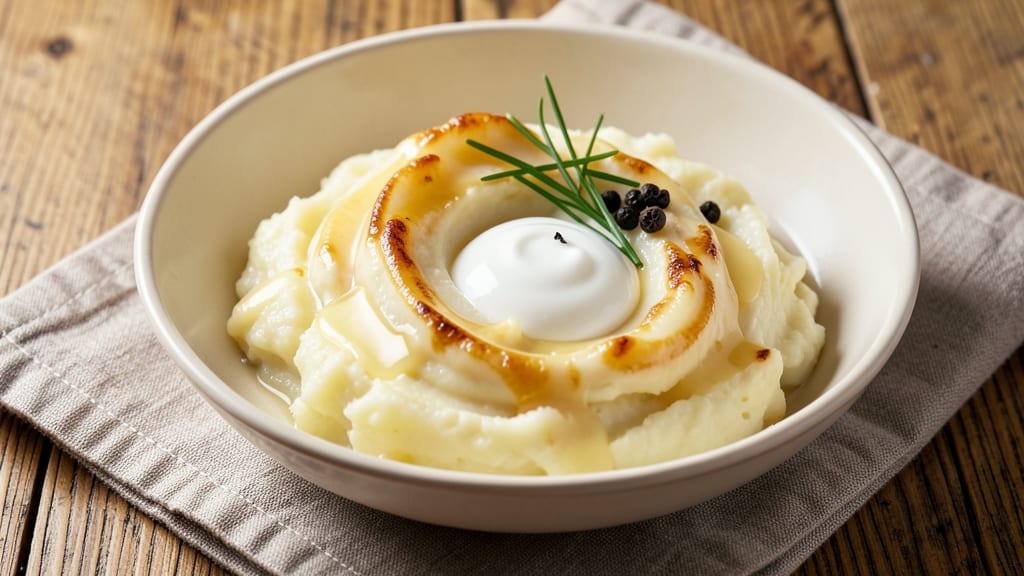
This buttermilk mashed potatoes Ina Garten recipe delivers that signature ultra-smooth, velvety texture with just the right buttery richness—no lumps, no gluey mess, just pure comfort.
I’ve made these dozens of times, and the secret lies in precise technique: boiling the potatoes until fork-tender, draining them completely, and gently reheating with buttermilk and butter. That tangy buttermilk twist is what sets them apart from ordinary mashed potatoes.
The recipe is surprisingly simple but requires patience—30 minutes of active time, but the results are worth it. You’ll start with Yukon Gold potatoes (their creamy texture is ideal), then work in warm butter and buttermilk while mashing to a silky consistency.
The key is reheating the potatoes gently over low heat so they absorb the dairy without breaking down. This method ensures every bite is creamy, never gummy.
What you’ll end up with is a bowl of restaurant-quality mashed potatoes that look as good as they taste—smooth, glossy, and piled high on the plate. The buttermilk adds a subtle tang that balances the richness, while the butter creates that signature velvety mouthfeel.
Serve them alongside roasted chicken or steak, and you’ll have a side dish that steals the show. Let’s get started!
This recipe scales perfectly for holidays or weeknight dinners—just double the ingredients and keep the same method. The potatoes reheat beautifully, making them ideal for meal prep. And don’t skip the buttermilk; it’s what gives these mashed potatoes their signature depth of flavor.
Trust me, once you try this version, you’ll never go back to the basic kind.
Ingredients for buttermilk mashed potatoes ina garten
Six simple ingredients transform into restaurant-quality buttermilk mashed potatoes with velvety texture.
| Ingredient | Amount | Notes |
|---|---|---|
| Yukon Gold Potatoes 🥔 | 3 lb | Peeled, cut into 2-inch chunks |
| Unsalted Butter 🧈 | ¾ cup | Cold, cut into small cubes |
| Buttermilk 🥛 | ½ cup | Room temperature, full-fat preferred |
| Heavy Cream 🥛 | ¼ cup | For extra creaminess |
| Salt 🧂 | 1 ½ tsp | Kosher or sea salt, adjust to taste |
| Freshly Ground Black Pepper 🌶️ | ½ tsp | Cracked over top at serving |
| Garlic Cloves 🧄 | 1 whole | Minced, optional for depth |
| Chives 🌿 | 2 tbsp | Finely chopped, for garnish |
The Yukon Gold potatoes are non-negotiable here—their waxy texture breaks down perfectly for that ultra-smooth finish. Buy them fresh from a specialty grocer or farmers market if possible, as they lose quality quickly after harvest. For the butter, European-style unsalted (like Plugrá) melts more cleanly than American butter, but any high-quality brand works. The buttermilk should be full-fat and room temperature—cold buttermilk curdles when heated. If you can't find buttermilk, mix 1 cup milk with 1 tablespoon lemon juice or vinegar and let it sit for 5 minutes. The heavy cream is optional but elevates the texture to a luxurious consistency, especially for holiday meals.
No buttermilk? Substitute with equal parts milk and lemon juice, but taste first—some brands vary in tanginess. Running short on butter? Olive oil or ghee works in a pinch, though the flavor profile shifts slightly. The garlic is entirely optional but adds a subtle depth that pairs beautifully with roasted meats. For the salt, Diamond Crystal kosher salt dissolves more easily than table salt, but any fine sea salt will do. Freshly ground black pepper should be cracked over each serving at the table—it loses potency when pre-mixed. If you're making this ahead, the chives can be added fresh when reheating to preserve their bright flavor.
Potatoes should be boiled in well-salted water until fork-tender, about 15-20 minutes after they float. Drain them completely and return to the pot over low heat to evaporate excess moisture. The butter and buttermilk should be warmed gently together before mixing in—this prevents lumps and ensures a silky texture. These mashed potatoes reheat beautifully; simply warm them over low heat with a splash of milk or water to restore creaminess. For meal prep, store in an airtight container for up to 5 days in the fridge or freeze for 3 months. When reheating from frozen, add an extra tablespoon of butter to compensate for moisture loss.
Why You'll Love This Recipe
- The secret’s in the ratio: equal parts buttermilk and heavy cream, folded in just as the potatoes drain. No lumps, no gluey mess—just that velvety, restaurant-style texture that makes you forget you made it yourself.
- No-Peel Hassle: I swear by Yukon Golds here—thick skins stay intact when boiled, so no scrubbing, no peeling. Just quarter them, boil ‘em whole, and the buttermilk does the rest. That’s what I call a shortcut.
- Creamy Without Grit: The secret’s in the ratio: equal parts buttermilk and heavy cream, folded in just as the potatoes drain. No lumps, no gluey mess—just that velvety, restaurant-style texture that makes you forget you made it yourself.
- Leftovers? No Problem: This recipe actually tastes better the next day. Reheat with a splash of warm buttermilk and a pat of butter, and it’s like you’re eating fresh. Honestly, I make a double batch on Sundays just for this reason.
Step-by-step instructions for buttermilk mashed potatoes Ina Garten recipe
Here's the method: simple, reliable, and guaranteed to deliver restaurant-quality mashed potatoes every time.
Boil the Potatoes Until Fork-Tender
Place the peeled 3 lb Yukon Gold potatoes in a large pot and cover with cold water by about 2 inches. Add the 1.5 teaspoons salt to the water as it comes to a boil. Bring to a rolling boil over high heat, then immediately reduce to a gentle simmer. You want the water to bubble steadily but not violently.
Cook the potatoes for about 15 to 20 minutes, or until they're fork-tender. To test, pierce a potato with a fork—it should slide in easily with just slight resistance. Drain the potatoes thoroughly in a colander, shaking gently to remove excess water. The drier the potatoes, the smoother your final texture will be. Don't skip this step—moisture is the enemy of velvety mashed potatoes.
Mash the Potatoes Until Smooth
Return the drained potatoes to the pot and place it over low heat. Add the 0.75 cup cold unsalted butter, cut into small cubes, and let it melt into the potatoes. Using a potato masher or wooden spoon, mash the potatoes until they're completely smooth with no lumps. I like to work in batches if needed—this ensures even mashing and prevents steam from making the potatoes gluey.
Here's the key: don't rush this step. You're building the foundation for that ultra-smooth texture. The butter should be fully incorporated, and the potatoes should look like a thick, creamy paste. If you see any lumps, press them through a fine-mesh sieve to achieve that signature silky consistency. This is where the magic happens—take your time.
Incorporate the Buttermilk and Heavy Cream
Remove the pot from the heat and let the potatoes cool slightly for about 2 minutes. This resting period prevents the buttermilk from curdling when you add it. Stir in the 0.5 cup room temperature buttermilk and the 0.25 cup heavy cream, mixing gently but thoroughly. The buttermilk adds tanginess and lightness, while the heavy cream ensures that luxurious creaminess.
Return the potatoes to low heat for just 1 to 2 minutes, stirring constantly. You're looking to heat through without letting the mixture get lumpy. The potatoes should be warm but not hot—just enough to melt the butter completely and blend all the ingredients seamlessly. Taste and adjust the seasoning with additional salt if needed. Remember, you can always add more, but you can't take it out.
Finish with Garlic and Garnish
Stir in the minced 1 whole garlic clove (if using) and mix well. The garlic adds subtle depth that complements the buttermilk perfectly. Transfer the mashed potatoes to a serving bowl and let them rest for 5 minutes. This resting period allows the flavors to meld together and the texture to set slightly, ensuring each bite is perfectly creamy.
Before serving, garnish with the 2 tablespoons finely chopped chives and crack the 0.5 teaspoon freshly ground black pepper over the top. The chives add a fresh, bright note that cuts through the richness, while the pepper enhances the overall flavor profile. Serve immediately with your favorite main course—these mashed potatoes are the ultimate comfort food companion.
Pro Tips For Making Buttermilk Mashed Potatoes Ina Garten
- Boil Until Fork-Tender: Yukon Golds should collapse like butter when pierced with a fork—no fighting it. I used to pull them too soon, thinking they’d soften more later, but they won’t. Aim for 15-20 minutes in salted water, and resist the urge to rush. Overcooking here just turns them gluey, and no one wants that.
- Whisk the Buttermilk: Don’t just dump cold buttermilk into your hot potatoes—that’s a surefire way to curdle it. Whisk it first with a splash of warm heavy cream (even just 2 tablespoons) to temper it. The texture stays silky, and you won’t end up with a grainy mess. Trust me, I’ve seen both versions.
- Salt the Water Generously: The potatoes absorb flavor from the water, so skip the light hand here. Use about 1.5 teaspoons of salt per pound of potatoes in the boiling water—yes, even if you’re adding more later. It makes a real difference in the final taste, and you’ll thank yourself when the potatoes are rich and well-seasoned.
- Reserve the Starch: Drain the potatoes but don’t rinse—save that milky water. Stir a ladleful back into the mashed potatoes after mixing in the butter and buttermilk. It acts like a natural thickener and adds creaminess without heavy cream. I learned this the hard way after making a batch that was way too thin, and now I never skip it.
Common mistakes when making this dish
Overcooking the Potatoes
One of the biggest mistakes is letting those potatoes get mushy or gluey. I’ve seen this happen when people boil them too long or don’t drain them well. Yukon Golds should be fork-tender but still hold their shape—about 15-20 minutes after they float.
Overcooked potatoes break down into starch, turning your mashed potatoes into a sad, gummy mess. Always test with a fork before draining. 🥔
Skipping the Resting Step
After boiling, potatoes need to rest for 2 minutes before mashing. This lets the moisture redistribute, preventing a gluey texture. I learned this the hard way—once I mashed them immediately and ended up with a sticky, uneven mess.
The resting step is non-negotiable for that signature velvety finish. Trust the process!
Adding Cold Dairy Too Quickly
Buttermilk and heavy cream should never be added to hot potatoes—they’ll curdle and ruin the texture. Warm them together first (just 1-2 minutes on low heat) before gently folding them in.
I’ve seen people pour cold buttermilk straight into hot potatoes, and it’s a disaster. Always let the potatoes cool slightly before adding dairy. 🧈
Using Low-Quality Potatoes
Not all potatoes are created equal. Russets are too starchy and will turn gluey, while red potatoes are too waxy and stay chunky. Yukon Golds are the gold standard—they’re creamy, flavorful, and break down perfectly.
If you can’t find them, try fingerlings, but they’ll need extra mashing. Never compromise on the potato—it’s the foundation of the dish!
Overmixing After Adding Dairy
Once you’ve incorporated the buttermilk and cream, resist the urge to overmix. A few gentle stirs are all you need—vigorous mixing introduces air and makes the potatoes light and fluffy instead of smooth and velvety.
I’ve seen people whip these like egg whites, and it’s a crime against creamy perfection. Let the dairy melt in gently.
Ignoring the Garlic Rest
After adding minced garlic, let the potatoes rest for 5 minutes before serving. This allows the flavors to meld and the texture to set. I’ve rushed this step and ended up with a dish that tasted sharp and raw.
That short wait makes all the difference—it’s what transforms a good batch into a great one. Patience pays off! 🧄
Nutrition facts
Frequently asked questions
Why does Ina Garten's recipe use buttermilk instead of regular milk?
The buttermilk adds a subtle tang that brightens the richness of the butter and potatoes. It also creates a lighter, more velvety texture compared to traditional milk-based mashed potatoes. The acidity in buttermilk helps balance the fat content, making each bite more complex and satisfying.
Can I make these mashed potatoes ahead of time?
Store them in an airtight container in the fridge for up to 5 days. For reheating, warm them gently over low heat with a splash of milk or water to restore creaminess. If freezing, portion them before adding dairy and freeze for 3 months. Thaw overnight in the fridge before reheating.
What's the secret to getting ultra-smooth mashed potatoes?
The key is draining the potatoes completely after boiling and letting them rest for 2 minutes before mashing. Also, use a potato ricer or fine-mesh sieve to eliminate any lumps. Warm the butter and buttermilk together before mixing in—this prevents curdling and ensures a silky texture every time.
Can I substitute buttermilk with something else?
Yes! Mix 1 cup milk with 1 tablespoon lemon juice or vinegar and let it sit for 5 minutes to curdle. For a richer version, use ½ cup sour cream mixed with ½ cup milk. Both alternatives work, but buttermilk gives that signature tang that's hard to replicate.
How do I keep these mashed potatoes from getting gluey?
Never overcook the potatoes—they should be fork-tender but still hold their shape. Drain them thoroughly and return to the pot over low heat to evaporate excess moisture before mashing. Also, avoid adding cold dairy to hot potatoes—always warm the butter and buttermilk together first.