Side Dishes
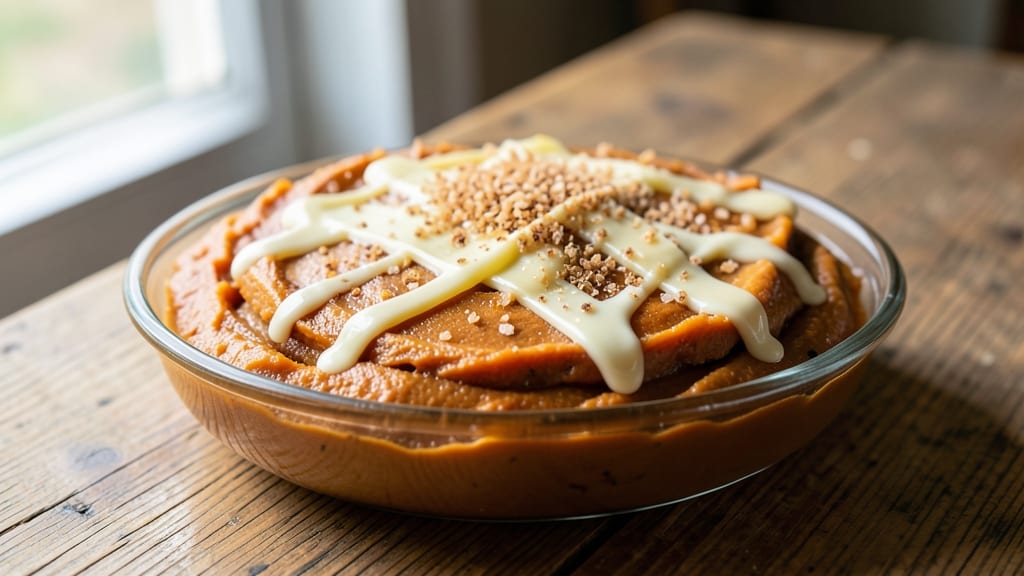
This potato fudge recipe transforms humble sweet potatoes into a decadent, caramelized dessert with a velvety texture and subtle earthy sweetness. The secret lies in controlling the cooking process to achieve that perfect balance between creamy and crispy—no one will guess it starts with a vegetable.
After years of perfecting the technique, I’ve developed a method that ensures smooth, sliceable fudge every time, with just the right amount of crunch from the caramelized edges.
The process begins with roasting the sweet potatoes to deepen their natural sweetness, then blending them into a smooth purée that forms the base of the fudge.
As it cooks, the mixture thickens into a rich, glossy consistency, and a touch of butter and brown sugar creates that signature caramelized crunch. This isn’t your average candy—it’s a dessert with depth, where the sweet potato’s subtle nuttiness shines through alongside the warm, buttery notes.
What you’ll end up with is a golden-brown, sliceable fudge that’s rich enough to satisfy a chocolate craving but light enough to feel indulgent without being heavy.
The texture is a perfect marriage of creamy and slightly crispy edges, making it ideal for serving at holiday gatherings or as a special treat. Pair it with a dollop of whipped cream or a sprinkle of toasted pecans for an extra layer of sophistication.
Best of all, this recipe is foolproof—no tempering required, just precise timing and attention to the cooking stages.
Once set, it stores beautifully in the fridge for up to two weeks, so you can make a batch ahead for parties or enjoy it as a comforting dessert whenever the mood strikes. Let’s get started on creating this unexpected yet irresistible treat.
Ingredients for potato fudge
Sweet potatoes, butter, and brown sugar—this unexpected trio creates a decadent dessert you won’t believe starts with a vegetable.
| Ingredient | Amount | Notes |
|---|---|---|
| Orange Sweet Potatoes 🍠 | 2 ½ lbs | Medium size, vibrant orange color |
| Unsalted Butter 🧈 | 1 cup | Cold, cut into small cubes |
| Light Brown Sugar 🍚 | 1 ½ cups | Packed firmly, not loosely |
| Heavy Cream 🥛 | 1 ½ cups | Cold, full-fat for richness |
| Vanilla Extract 🌿 | 1 tbsp | Pure, high-quality vanilla |
| Salt 🧂 | ½ tsp | Fine sea salt, not iodized |
| Pure Vanilla Bean Paste 🌿 | 1 tsp | For extra vanilla flavor |
| Toasted Pecans 🥜 | 1 cup | Chopped, for topping (optional) |
| Dark Chocolate Chips 🍫 | ½ cup | Semi-sweet, for optional mix-in |
| Granulated Sugar 🍚 | ½ cup | For caramelized edges |
| Cornstarch 🌾 | 2 tbsp | For thickening the mixture |
| Whole Milk 🥛 | ¼ cup | For adjusting consistency |
The sweet potatoes are the star—look for vibrant orange ones with no soft spots. Trader Joe’s and Whole Foods carry the best varieties, but regular grocery stores usually have decent ones too. Roasting them first deepens their natural sweetness, which is key for that caramelized crunch. I always roast mine at 400°F for 45 minutes—don’t skip this step! The butter should be cold when you add it to the purée, or you’ll end up with a greasy mess instead of that perfect glossy texture. And trust me, full-fat butter makes all the difference here—none of that low-fat nonsense.
No vanilla bean paste? Pure vanilla extract works fine, but the paste adds that extra depth of flavor. Running short on brown sugar? Mix white sugar with a little molasses (about 1 tbsp per cup) for a close substitute. The pecans are totally optional, but if you skip them, toasted almonds or walnuts add a nice crunch. For the chocolate chips, Ghirardelli semi-sweet melts beautifully—avoid the white chocolate unless you’re feeling adventurous. And if your fudge turns out too thick, the milk comes in handy to loosen it up. Just add it a little at a time while stirring.
This fudge keeps for up to 2 weeks in the fridge, but honestly, it’s even better the next day once everything sets properly. For holidays, I like to make it 3-4 days ahead so the flavors really meld. Store it in an airtight container with parchment paper between layers to prevent sticking. If you’re not using it all at once, portion it into small squares—they’re perfect for gift-giving. And if you’ve got leftovers, it reheats beautifully in the microwave for 10-15 seconds to restore that creamy texture.
Why You'll Love This Recipe
- Sweet Potato Magic: I swear, the moment I roast those orange sweet potatoes until they’re caramelized at the edges, the house smells like a dessert heaven I didn’t even know I needed. No fancy techniques—just toss, bake, and blend.
- No-Fuss Ingredients: Honestly, you’re probably already stocked for this. Sweet potatoes, butter, sugar—it’s the kind of recipe that doesn’t judge you for skipping the grocery store. The heavy cream and vanilla just take it from "good" to "I’ll make this every weekend."
- Holiday or Hangry Fix: Between us, this is my go-to when I need something impressive fast or when I’m craving something sweet after a long day. Serve it warm with a scoop of ice cream for a holiday crowd, or let it cool for a grab-and-go snack that’ll actually satisfy.
- Budget Sweet Tooth: Here’s what sold me—this costs a fraction of store-bought fudge, and the flavor? Ridiculously rich. A single batch stretches for days, whether I’m sneaking bites straight from the pan or packing it in jars for my kids’ lunches. (Yes, even on a Tuesday night.)
Step-by-step instructions for sweet potato dessert with caramelized crunch
This decadent sweet potato fudge delivers creamy texture, caramelized edges, and a perfect crunch from toasted pecans.
Roast and Mash the Orange Sweet Potatoes
Preheat your oven to 400°F. Pierce the 2.5 lbs orange sweet potatoes with a fork in several places, then place them directly on the oven rack. Roast for 45-50 minutes until the skin is tender and easily pierced with a knife. The flesh should be soft enough to mash with minimal effort.
Once roasted, let the sweet potatoes cool slightly, then scoop out the flesh, discarding the skin. Place the flesh in a large bowl and mash it thoroughly with a potato masher or fork. You want a completely smooth texture without any lumps—this ensures your fudge will have a velvety consistency. Real talk: if you leave any lumps, they'll create grainy spots in your finished dessert.
Create the Fudge Base
In a large, heavy-bottomed saucepan, combine the mashed sweet potatoes with the 1 cup unsalted butter, 1.5 cups light brown sugar, 0.5 tsp salt, 1 tbsp vanilla extract, and 1 tsp pure vanilla bean paste. Stir over medium heat for 5-7 minutes until the butter melts completely and the mixture becomes smooth and creamy.
This is where the magic happens—the butter and sugars blend with the sweet potatoes to create the rich, caramelized foundation. Watch carefully as the mixture thickens slightly—you're aiming for a consistency similar to thick pudding. If it starts to stick to the pan, stir more frequently to prevent burning. The aroma will be incredible—like warm caramel with vanilla undertones.
Build the Creamy Texture
Reduce heat to low and gradually whisk in the 1.5 cups heavy cream and 0.25 cup whole milk. Stir constantly for 3-4 minutes until the mixture thickens noticeably and begins to coat the back of a spoon. This step requires patience—rushing will cause lumps, and you want that silky texture.
Next, sprinkle the 2 tbsp cornstarch over the mixture and stir vigorously for 1-2 minutes until it reaches a thick, fudge-like consistency. You'll know it's ready when you can draw a line in the mixture with your spoon and have it hold its shape. If it's still too thin, add another 1 tbsp cornstarch and stir until thickened. This is your insurance policy against a runny dessert.
Add the Finishing Touches
Remove the saucepan from heat and stir in the 0.5 cup granulated sugar and 0.5 cup dark chocolate chips until evenly distributed. The granulated sugar will create those beautiful caramelized edges we're after, while the chocolate chips add pockets of rich flavor. For an extra crunch, fold in the 1 cup toasted pecans at this stage.
Transfer the fudge mixture to a greased 9x9-inch baking dish or similar size. Use a spatula to spread it evenly, then sprinkle the remaining 0.5 cup granulated sugar evenly over the top. This final sugar layer will create that coveted caramelized crust when baked. Here's the thing—don't skip this step. It's what transforms good fudge into showstopping fudge.
Bake to Golden Perfection
Bake at 350°F for 20-25 minutes until the edges are golden brown and the top has a caramelized sheen. The center should still look slightly soft—it will firm up as it cools. Don't overbake; you want a fudge with a firm exterior and a creamy interior that melts in your mouth.
Let the fudge cool completely in the pan before cutting into 8 equal squares. The cooling process allows the flavors to meld and the texture to set properly. For best results, refrigerate for at least 2 hours before serving. This fudge keeps well in the fridge for up to 5 days, though I doubt it will last that long in your house. The combination of sweet potato's natural sweetness, caramelized edges, and crunchy pecans makes this dessert irresistibly addictive.
Pro Tips For Making Potato Fudge
- Peel and Cube Small: Sweet potatoes are stubborn—cut them into ½-inch cubes before peeling. The skin’s tougher when cold, and smaller pieces cook faster, so you won’t end up with unevenly mushy bits in your fudge. (Yes, it’s extra work, but that’s how you avoid a lumpy texture.)
- Melt Butter Slowly: Don’t rush the butter—melt it over medium-low heat until it’s just liquid, no browning. Burnt butter makes your fudge taste bitter, and you’ll regret it when you’re halfway through mixing. (I learned this after one disastrous batch.)
- Whisk in Cream Warm: Heat the heavy cream to body temperature (about 100°F) before folding it in. Cold cream curdles when mixed with hot sweet potatoes, and you’ll end up with a grainy, sad dessert. (Your whisk will thank you.)
- Strain for Smoothness: After cooking, press the sweet potato mixture through a fine-mesh sieve—even if it looks smooth. Fibers sneak in, and they turn your fudge into a textural nightmare. (I skip this sometimes, and it’s always a regret.)
Troubleshooting perfect results
Grainy Texture Fix
If your fudge turns out grainy, it’s usually from unmashed sweet potato lumps or over-stirring during thickening. For next time, strain the mashed sweet potatoes through a fine-mesh sieve after roasting to ensure a completely smooth base.
If you already have grainy fudge, try blending it briefly in a food processor—just 20-30 seconds—then return it to the pan and stir over low heat for 2 minutes to restore smoothness. 💡
Too Runny Mixture
Runny fudge happens when the cornstarch isn’t fully activated or the mixture isn’t cooked long enough. If this occurs, sprinkle 1 tbsp additional cornstarch over the mixture and stir vigorously over medium heat for 1-2 minutes until it thickens.
For a quicker fix, transfer the fudge to a greased baking dish and bake at 325°F for 10-15 minutes—this helps set the texture without overcooking it.
Caramelized Edges Fail
The sugar topping won’t caramelize if it’s unevenly distributed or the oven isn’t hot enough. Before baking, press the sugar gently into the top with a fork to ensure full coverage. If your oven runs hot, reduce the temperature to 325°F and bake for 25-30 minutes to achieve even caramelization.
A kitchen torch can also add a quick, professional finish—just torch the top for 10-15 seconds after baking. ✨
Fudge Sticks to Pan
Greasing the pan isn’t enough—line it with parchment paper for easy release. If your fudge still sticks, let it cool slightly, then run a thin knife around the edges to loosen it.
For stubborn cases, place a damp towel over the pan and let it steam for 5 minutes before attempting to remove it. I’ve also had success using a 9x9-inch silicone baking mat—it prevents sticking and makes cleanup effortless.
Overcooked or Dry Texture
Overbaking is the usual culprit here. If your fudge is dry or crumbly, try reheating it gently with 2 tbsp heavy cream or whole milk over low heat for 3-4 minutes, stirring constantly until smooth.
For a richer texture, fold in 1 tbsp softened butter to restore moisture. If the damage is severe, blend the fudge with 1 tbsp corn syrup to soften it back to a creamy consistency. 🔥
Storage Issues
Fudge that develops a film or absorbs fridge odors wasn’t stored properly. Always wrap it tightly in plastic wrap or store it in an airtight container with parchment paper between layers. If it absorbs fridge smells, place a small bowl of baking soda in the fridge to neutralize odors.
For long-term storage, freeze the fudge in 1-inch squares for up to 3 months—just thaw at room temperature for 30 minutes before serving. ❄️
Nutrition facts
Frequently asked questions
Why does this recipe use sweet potatoes instead of regular potatoes?
The vibrant orange sweet potatoes add natural sweetness and a rich, caramel-like flavor that regular potatoes lack. Their lower starch content creates a smoother, more velvety texture in the fudge. Plus, the deep color makes this dessert look stunning when served!
Can I make this fudge without cornstarch?
While possible, cornstarch is essential for achieving that perfect thick, sliceable texture. As a substitute, you could use 2 tbsp arrowroot powder or 1 tbsp flour mixed with 1 tbsp water, but the texture may be slightly different. The recipe's caramelized edges rely on proper thickening.
How do I know when the fudge is fully set before cutting?
Press the center gently with your finger—it should spring back slightly but feel firm, not sticky. The edges should be completely dry and golden. For best results, refrigerate for 2 hours before cutting into perfect squares. The longer it rests, the cleaner the slices will be.
Can I add other mix-ins besides pecans and chocolate?
Try crushed pretzels for saltiness, toasted coconut for tropical flavor, or espresso powder (½ tsp) for a mocha twist. Just fold them in during the final step and adjust baking time by 2-3 minutes if needed. The key is adding mix-ins after removing from heat.
What's the best way to reheat leftover fudge?
Microwave in 10-second bursts on medium power, stirring between each, until just warmed through. For a smoother texture, place squares in a bowl with 1 tbsp heavy cream and microwave for 15 seconds**. Never overheat—just enough to restore that creamy consistency.