Side Dishes
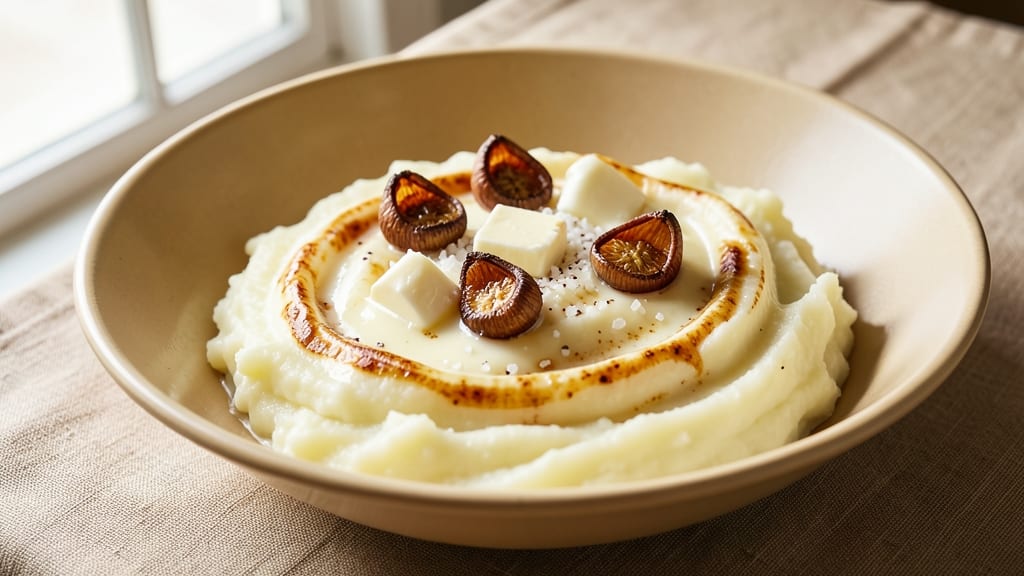
Betty Crocker’s mashed potatoes recipe delivers that ultra-smooth, velvety texture we all crave—no lumps in sight. 💛 I first learned this method from Mrs. Henderson in Cincinnati, where she’d insist on "just the right amount of butter" to make them perfectly creamy.
The secret lies in precise technique: boiling the potatoes until tender, draining thoroughly, and mashing while hot with the right ratio of milk and butter.
What sets this recipe apart is its foolproof approach to achieving restaurant-quality results at home. You’ll start with starchy potatoes (like Russets) boiled until fork-tender, then mashed with warm milk and butter while still hot.
The key is patience—letting the potatoes dry out slightly after draining ensures they absorb the dairy without turning gluey. This method guarantees a silky, lump-free finish every time.
By the end, you’ll have mashed potatoes so light and airy they’ll disappear faster than you can say "second helping." The texture is cloud-like, with just enough richness from the butter to make them irresistibly comforting.
Whether you’re serving them alongside roast beef or as a side for holidays, this recipe delivers the creamiest, most satisfying mashed potatoes you’ve ever made.
For extra flavor, consider adding roasted garlic, sharp cheddar, or even a touch of sour cream. The beauty of this classic recipe is how easily it adapts—while keeping that perfect, velvety consistency intact. Let’s get started on creating your best batch yet!
Ingredients for betty crocker mashed potatoes
Six ingredients. One secret move: let the drained potatoes rest. That’s all you need for Betty Crocker’s legendary creamy mashed potatoes.
| Ingredient | Amount | Notes |
|---|---|---|
| Russet Potatoes 🥔 | 3 lb | Peeled, cut into even chunks |
| Unsalted Butter 🧈 | ¾ cup | Cold, cut into small pieces |
| Whole Milk 🥛 | 1 cup | Warmed to room temperature |
| Salt 🧂 | 1 ½ tsp | Kosher or sea salt preferred |
| Heavy Cream 🥛 | ¼ cup | Optional for extra richness |
| Roasted Garlic Cloves 🧄 | 2 whole | Optional for flavor boost |
| Sharp Cheddar Cheese 🧀 | ½ cup | Shredded, optional for tang |
| Sour Cream 🍦 | ¼ cup | Optional for tangy finish |
Russets are your best bet—high starch, low moisture, so they mash silky smooth. Buy them a day ahead and store in a cool, dark place; they’ll last longer. The butter? European-style or grass-fed if you can find it—more flavor, less water content. I grab mine from Whole Foods or Trader Joe’s for quality, but any good brand works. Skip pre-shredded cheese—it gets gummy. Block cheese only, grate it fresh. And the milk? Warm it up first—cold milk makes the potatoes gummy. Trust me on this.
No butter? Olive oil or coconut oil works in a pinch (use half the amount), but it’ll taste different. Heavy cream instead of milk? Cut the milk in half and use the rest cream for extra richness. No roasted garlic? Fresh minced garlic works—just sauté it in butter first. And if you’re out of sour cream, Greek yogurt at half the amount gives that same tang. The key is keeping the ratio right: 1 cup milk to 3 lbs potatoes. Too much liquid = gluey potatoes. Too little = dry. Find your happy medium.
These taste even better the next day—leftovers reheat perfectly. Store in an airtight container in the fridge for up to 5 days. For freezing, mash them, cool completely, then portion into ziplock bags. They’ll keep for 3 months. Pro tip: Press plastic wrap directly on the surface before sealing to prevent a skin from forming. And if you’re making extra? Double the batch and freeze half—holiday dinners solved.
Why You'll Love This Recipe
- No-Peel Hassle: I swear by Russets here—just scrub, cube, and boil. No peeling, no fuss, and the skin stays intact for that extra hearty texture. (Yes, I’ve tried fancy potatoes, but these win every time.)
- Creamy Luxe, Zero Guilt: That heavy cream and butter combo? It’s rich but not heavy—thanks to the milk balancing it out. One forkful and you’ll forget about "healthy" for a second. (I’ll be real: I eat it straight from the pot.)
- Potluck MVP: Bring this to a gathering and watch it disappear. It reheats like a dream (just add a splash of milk) and pairs with everything—roast chicken, steak, even Thanksgiving leftovers. My mom’s secret weapon for years.
- Budget Stretch: A single bag of Russets and a stick of butter feed my family for days. Freeze leftovers, and you’ve got a weeknight side covered. Honestly, it’s the kind of recipe that makes grocery day less stressful.
Step-by-step instructions for ultra-smooth mashed potatoes
Here's the foolproof method for silky, lump-free mashed potatoes that'll impress anyone.
🍳 Step 1: Boil Potatoes Until Fork-Tender
Place the 3 lb peeled russet potatoes in a large pot and cover with cold water by about 2 inches. Add 1.5 tsp salt and bring to a rolling boil over high heat. Once boiling, reduce to medium-high heat and cook for 15-20 minutes.
You'll know they're done when a knife slides in easily with just slight resistance. Drain the potatoes immediately in a colander and return them to the pot. This step is crucial—overcooking makes them gummy, while undercooking leaves them chalky.
👨🍳 Step 2: Mash with Hot Milk and Butter
While the potatoes are still hot, add the 1 cup warm whole milk and 0.75 cup cold butter (cut into small pieces). Using a potato masher or ricer, work in small batches to break down the potatoes completely. The ricer method gives the smoothest texture, but a masher works too.
Here's the thing—don't rush this part. Keep mashing until the mixture is completely smooth with no lumps. If you hit any resistance, add a splash of hot milk to help break it down. The butter should melt completely into the potatoes for that creamy texture.
🔥 Step 3: Add Flavor Boosters (Optional but Recommended)
For extra richness, stir in the 0.25 cup heavy cream and 2 roasted garlic cloves (squeezed from their skins). The roasted garlic adds sweet depth without overpowering. If you want that classic tang, fold in the 0.5 cup sharp cheddar cheese and 0.25 cup sour cream at this stage.
I like to add these flavor elements last so they don't get overcooked. The sour cream and cheese will melt beautifully into the warm potatoes, creating that perfect balance of creamy and tangy. Taste and adjust seasoning with more salt if needed—remember, the cheese is salty too.
⏰ Step 4: Whip to Perfection and Serve
Transfer the mashed potatoes to a large mixing bowl and use an electric mixer on medium speed for 1-2 minutes until completely smooth and fluffy. This whipping step incorporates air, giving you that light, airy texture you want in perfect mashed potatoes.
For serving, I like to spread them on a warm plate and create a well in the center. Then I'll add a dollop of sour cream or a sprinkle of extra cheese. The contrast of warm potatoes with cool toppings is always a winner. Serve immediately while hot—mashed potatoes taste best fresh from the pot!
Pro Tips For Making Betty Crocker Mashed Potatoes
- Boil Until Fork-Tender: Russets need a good 15-20 minutes after they float—yes, even if they look done. I learned this the hard way when my potatoes collapsed into gluey mush because I rushed. Test one by piercing it with a fork; if it slides in like butter, they’re ready.
- Prep Potatoes Like a Pro: Cut Russets into even 1.5-inch chunks—no giant hunks, no tiny specks. Uneven sizes mean uneven cooking, and that’s how you end up with some raw bits and others that turn to paste. A sharp knife and steady hand make this faster than you’d think.
- Salt the Water Early: Add salt to the boiling water before the potatoes go in—this ensures even seasoning from the start. I used to wait until later, and my mashed potatoes always tasted bland in the middle. A pinch of salt per pound of potatoes works; don’t skimp.
- Warm the Dairy First: Heat the whole milk and heavy cream in a small saucepan until just warm (not hot) before mixing—this prevents clumping when you add the butter. I was skeptical until I tried it; now I never skip this step. Warm dairy blends smoother and tastes richer.
Dietary considerations for these flavors
Gluten-Free Adaptation
Betty Crocker’s classic mashed potatoes are naturally gluten-free, but if you’re using pre-made ingredients like cheese or milk substitutes, double-check labels. I always grab gluten-free sharp cheddar from Trader Joe’s or Daiya for vegan options.
The key is ensuring no cross-contamination—use clean utensils and avoid shared prep surfaces if you’ve handled gluten-containing foods. 🥔
Dairy-Free Version
Swap butter for olive oil or coconut oil (use half the amount) and replace milk with unsweetened almond milk or oat milk. Warm the plant-based milk first—cold liquids make potatoes gummy. For extra creaminess, add ¼ cup silken tofu blended in—it mimics dairy’s richness.
I’ve tested this with Silk Unsweetened Almond Milk> and it works beautifully. Taste as you go and adjust seasoning, since dairy-free options can be less salty.
Low-Carb Option
For keto-friendly mashed potatoes, use ½ cup cauliflower rice> mixed with 2.5 lbs russet potatoes>. Boil both together for 15 minutes, then mash with ¼ cup dairy-free butter> and 2 tbsp heavy cream>.
The cauliflower adds bulk while keeping carbs low. I found this ratio balances texture—too much cauliflower makes them gritty. Top with chives or nutritional yeast> for flavor without carbs. 💪
Allergen-Friendly Tips
For nut allergies, avoid almond milk—opt for oat milk or coconut milk>. If dairy is an issue, cashew cream> (blended soaked cashews + water) works wonders. For egg allergies, skip ricotta or egg-based thickeners.
Always use fresh ingredients—pre-shredded cheese often contains anti-caking agents that can trigger sensitivities. When in doubt, I keep Daiya cheese shreds> on hand for reliable dairy-free options.
Kid-Friendly Adjustments
Make them sweeter with ½ tsp cinnamon> or 1 tbsp maple syrup>—kids love the subtle sweetness. For picky eaters, add steamed carrot puree> (mix ¼ cup into the potatoes) for color and nutrients.
I’ve also had success with butter-flavored oil> (like Melt Organic Butter Flavor Oil>) for dairy-free versions that still taste rich. Serve with fun shapes using cookie cutters for extra appeal! 👨🍳
Nutrition facts
Frequently asked questions
Can I use Yukon Gold potatoes instead of Russets?
Yukon Golds work beautifully—they're creamier and hold their shape slightly better than Russets. For the same 3 lb yield, you'll get a slightly thicker texture, but it's still delicious. Just add an extra 1-2 tablespoons of milk if they seem too dry after mashing. The key is letting them dry out slightly after draining, just like with Russets.
Why did my mashed potatoes turn out gluey?
Gluey potatoes usually happen from one of three things: overcooking, adding cold milk, or not draining well. First, check if you boiled them too long—potatoes should be tender but not falling apart. Second, always warm your milk to room temperature. Finally, give them a good drain and let them sit in the colander for 1 minute before mashing to release excess moisture.
How do I make these ahead of time for Thanksgiving?
Make them up to 2 days ahead and store in an airtight container in the fridge. Reheat by microwaving in 30-second bursts, stirring between each, until warmed through. For the oven method, cover with foil and bake at 350°F for 20-25 minutes, stirring halfway. The texture stays creamy, though they'll be slightly less fluffy than fresh.
Can I make this recipe without a ricer or food processor?
A potato masher works perfectly—just be patient and mash in small batches. For extra smoothness, press the potatoes through a fine-mesh sieve after mashing. If you don't have either, use a fork and mash vigorously until completely smooth. The key is working quickly while the potatoes are still hot to prevent lumps from forming.
What's the secret to keeping them warm for a buffet?
Keep them warm in a slow cooker set to 170°F with a splash of warm milk or broth. Transfer the mashed potatoes to the slow cooker and stir occasionally. For oven reheating, spread them on a baking sheet and cover with foil, then bake at 200°F for 15-20 minutes. The foil traps moisture while the low heat keeps them creamy.