Side Dishes
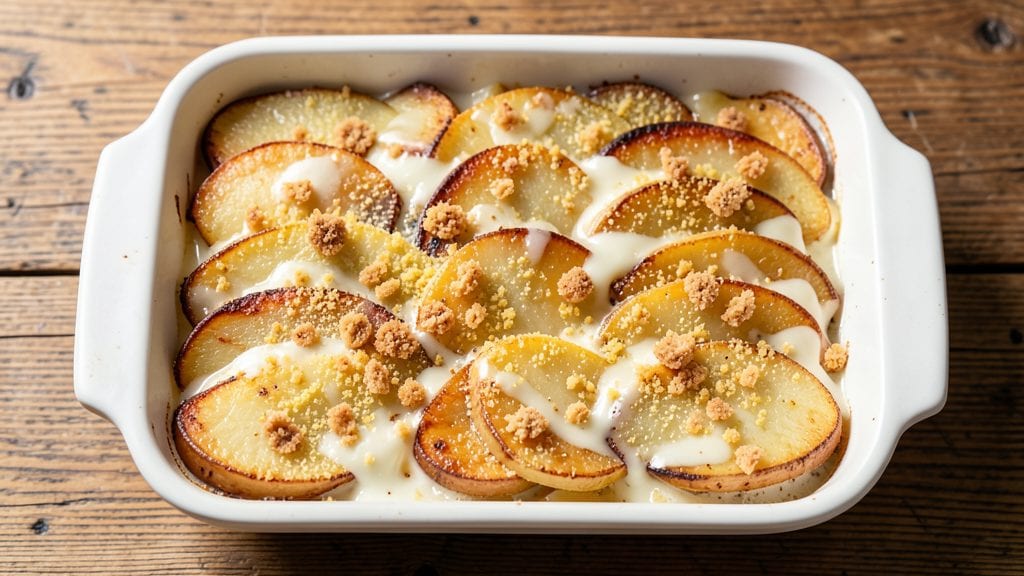
Betty Crocker’s original scalloped potatoes recipe delivers that nostalgic, cheesy-cornmeal crust magic we all crave—layer upon layer of tender potatoes baked until golden and bubbling. The secret lies in the precise cornmeal-cheese topping that creates a crispy, flavorful crust while keeping the potatoes creamy inside.
I’ve perfected this classic side dish to ensure every bite delivers that comforting, restaurant-quality texture you remember from childhood.
This recipe relies on a few key techniques: thinly slicing the potatoes for even cooking, alternating them with a rich cheese-cornmeal mixture, and baking until the top turns golden brown. The result is a dish that’s creamy, crispy, and impossible to resist.
It’s the kind of side that elevates any meal, whether it’s a holiday dinner or a simple weeknight supper. The beauty of this recipe is its simplicity—just a few ingredients, minimal prep, and a baking time of about 45 minutes.
What makes this recipe truly special is the balance of textures—creamy potatoes underneath a crispy, cheesy crust that’s impossible to stop eating. The cornmeal adds a subtle crunch, while the cheese melts into a rich, golden layer.
This dish is foolproof, but the key to success lies in patience: letting the potatoes cook slowly so they absorb all that cheesy goodness without turning mushy. Every forkful is a taste of comfort food perfection.
Serve this classic side alongside roasted meats, grilled fish, or even as a vegetarian main with a fresh salad. The leftovers reheat beautifully, making it perfect for meal prep or feeding a crowd. Let’s get baking—your taste buds will thank you.
Ingredients for original betty crocker scalloped potato
Classic comfort ingredients that transform into nostalgic, golden scalloped potatoes.
| Ingredient | Amount | Notes |
|---|---|---|
| Russet Potatoes 🥔 | 3 lb | Thinly sliced, peeled preferred |
| Medium Sharp Cheddar Cheese 🧀 | 2 cups | Shredded, block preferred |
| Yellow Cornmeal 🌾 | ½ cup | Fine grind for smooth texture |
| Whole Milk 🥛 | 1 ½ cups | Full-fat for creaminess |
| Unsalted Butter 🧈 | ½ cup | Cold, cubed for even melt |
| Heavy Cream 🥛 | ½ cup | Full-fat for richness |
| Salt 🧂 | 1 ½ tsp | Kosher or sea salt |
| Black Pepper 🌶️ | ½ tsp | Freshly ground preferred |
| Garlic Powder 🧄 | ½ tsp | For subtle depth |
| Onion Powder 🧅 | ½ tsp | Enhances flavor |
| All-Purpose Flour 🌾 | ¼ cup | For binding mixture |
Russet potatoes are non-negotiable here—their high starch content creates that perfect creamy texture. Buy the largest russets you can find (they yield more slices) and peel them for even cooking. Thin slices are key: aim for about 1/8-inch thickness. Most grocery stores carry russets, but Whole Foods or Trader Joe's often have the most consistent quality. For the cheese, block cheddar shreds better than pre-shredded (which contains anti-caking agents that prevent smooth melting), and medium sharp gives the best balance of flavor without overpowering. The cornmeal should be yellow, not white—it adds that classic golden hue and subtle crunch.
No cornmeal? All-purpose flour works in a pinch, though the texture will be slightly less crispy. Pre-shredded cheese is convenient but block cheese is worth the effort—it melts beautifully and creates that perfect stretchy crust. For a dairy-free option, nutritional yeast or vegan cheese can mimic some of the richness, though texture will differ. The milk and cream can be swapped for half-and-half if you're watching fat content, but full-fat versions ensure the creamiest results. And while garlic powder and onion powder are convenient, fresh minced garlic and finely chopped onion (about 1 tsp each) would elevate this to restaurant-quality status if you're feeling ambitious.
Prep the potatoes first—they'll release moisture as they cook, so pat them dry thoroughly with paper towels before layering. The cheese mixture can be made ahead and stored in the fridge for up to 2 days, but let it sit at room temperature for 15 minutes before assembling to prevent condensation. This dish reheats beautifully—350°F for 15-20 minutes covered with foil restores that creamy texture. For meal prep, portion into individual servings before baking so you can reheat just what you need. Leftovers keep for 4-5 days in the fridge, though they're best enjoyed fresh from the oven.
Why You'll Love This Recipe
- One-Pan Magic: I swear by this recipe when I’m too tired to wash extra dishes—just slice those Russets, layer them with the cheddar and cornmeal mix, and let the oven do the work. The butter-milk sauce pools right in the pan, so cleanup is basically nonexistent.
- Cheddar-Corn Crunch: That sharp cheddar melts into gooey perfection while the cornmeal topping stays crispy—like a hug for your taste buds. Honestly, I’ve tried fancier versions, but this combo hits the spot every time.
- Leftover Goldmine: These potatoes reheat like a dream—just pop them in the microwave or oven, and they’re just as good as day one. I’ll be real: I make a double batch on Sundays so I can grab a serving all week without stress.
- Budget-Friendly Comfort: Russets and cheddar are pantry staples, and this recipe stretches easily for a crowd. Between us, it’s my go-to when friends drop by unexpectedly—fills the house with warmth and the stomachs with satisfaction.
Step-by-step instructions for betty Crocker's original scalloped potatoes
Here's how to recreate the classic cheesy cornmeal crust that makes these potatoes legendary.
Prepare and Layer the Potatoes
Preheat your oven to 375°F and grease a 9x13-inch baking dish with unsalted butter, rubbing it evenly on the bottom and sides. This prevents sticking and ensures easy removal later.
Peel and thinly slice the 3 lb russet potatoes into ⅛-inch thick rounds. I use a mandoline for even slices, but a sharp knife works too if you're careful. Arrange the slices in the prepared baking dish in a single layer, slightly overlapping them. The first layer should fit snugly without gaps—this creates the classic scalloped look.
Make the Cheesy Cornmeal Mixture
In a medium bowl, whisk together the 2 cups medium sharp cheddar cheese, 0.5 cup yellow cornmeal, 0.25 cup all-purpose flour, 1.5 tsp salt, 0.5 tsp black pepper, 0.5 tsp garlic powder, and 0.5 tsp onion powder. This dry mixture is the foundation of that iconic crispy crust.
In a separate bowl, combine the 1.5 cups whole milk, 0.5 cup heavy cream, and the remaining 0.5 cup unsalted butter (cut into small cubes). Warm this mixture in the microwave for 30-45 seconds until the butter just melts—it should be hot but not boiling. Pour the warm liquid over the dry ingredients and stir until smooth. The consistency should be like heavy cream, thick enough to coat the back of a spoon.
Assemble and Bake the Scalloped Potatoes
Pour half of the cheesy cornmeal mixture evenly over the first layer of potatoes in the baking dish. Then add a second layer of potato slices, again arranged in a single overlapping layer. Repeat with the remaining mixture, ensuring the top layer is completely covered. The mixture should come about halfway up the sides of the potatoes.
Cover the baking dish tightly with aluminum foil and bake for 45 minutes. This initial baking time steams the potatoes gently, preventing them from drying out. After 45 minutes, remove the foil and bake for another 15-20 minutes until the top is golden brown and bubbly. The edges should be crispy while the center remains creamy.
Rest and Serve for Perfect Texture
Let the scalloped potatoes rest for 10 minutes before serving. This resting period allows the layers to set and the flavors to meld together. The potatoes should be tender enough to slide off your fork but still hold their shape slightly—this indicates they've absorbed the creamy cheese mixture perfectly.
Garnish with extra shredded cheddar cheese if desired, but I prefer to serve them as-is to appreciate the natural flavors. The crust should be crispy on top while the interior remains rich and creamy. Serve immediately with a simple green salad or steamed vegetables to complement the hearty potatoes.
Pro Tips For Making Original Betty Crocker Scalloped Potato
- Soak the Potatoes: Toss peeled Russets in cold water for 10 minutes before slicing—this stops them from turning mealy. I learned this the hard way after serving a batch that disintegrated like wet cardboard. Drain and pat very dry before layering.
- Melt Butter First: Warm the butter with cornmeal until it’s nutty and golden before adding milk—this coats the starch and keeps the topping from turning gummy. Skip this, and you’ll end up with a gluey mess instead of crispy layers.
- Salt the Cheese: Grate the cheddar yourself and mix it with ½ teaspoon salt per cup—store-bought shreds are pre-salted, and this recipe doesn’t account for it. Trust me, your taste buds will notice the difference.
- Cover Tightly Early: Press foil directly onto the surface of the casserole for the first 45 minutes—this traps steam and helps the potatoes cook evenly. After that, tent it loosely to let the top brown. (Yes, even if you’re impatient like me.)
Regional styles of this recipe
Classic Midwestern Comfort
This dish is deeply rooted in Midwestern American cuisine, where hearty, cheesy casseroles became staples during the Great Depression era. Betty Crocker herself popularized scalloped potatoes in the 1930s as an affordable, filling side that stretched ingredients across large families.
The cornmeal crust was a clever way to add texture without extra cost—cornmeal was a pantry staple in rural areas. 🥔
In the Midwest, scalloped potatoes often graced Sunday dinners alongside roasted pork chops or meatloaf. The dish's simplicity made it perfect for home cooks who wanted restaurant-quality results with minimal effort.
Today, it remains a nostalgic favorite, especially in states like Iowa, Minnesota, and Ohio where dairy farming made fresh cheese abundant and affordable.
Southern Creamy Twist
Southern cooks take scalloped potatoes to new heights by adding a splash of 1/4 cup heavy cream to the cheese mixture, creating an ultra-rich version that borders on macaroni and cheese territory. Some recipes even call for 1/2 cup grated Parmesan mixed into the cheddar for a deeper umami flavor.
The Southern approach often includes a sprinkle of paprika on top before baking for a subtle smoky note.
In states like Alabama and Tennessee, scalloped potatoes frequently appear at church potlucks and family reunions. The Southern version tends to be slightly sweeter, with some cooks adding 1/2 teaspoon sugar to the cheese mixture to balance the sharpness of the cheddar.
This adaptation reflects the region's love of sweet-and-savory flavor combinations.
New England Rustic Style
Up north, New England cooks often swap cheddar for sharp white cheddar or even Gruyère, creating a more complex flavor profile. The cornmeal crust gets a boost with 1/4 cup panko breadcrumbs mixed into the topping for extra crunch.
Some recipes even call for a splash of 1/2 cup chicken broth in the cheese mixture to keep the potatoes extra moist during baking.
In Maine and Vermont, scalloped potatoes frequently appear alongside seafood mains like baked cod or lobster rolls. The New England version often includes a sprinkle of chives or green onions on top before baking, adding a fresh herbal note that cuts through the richness.
This adaptation reflects the coastal region's love of bright, fresh flavors paired with comfort foods.
Modern Fusion Adaptations
Today's cooks are putting creative spins on this classic. One popular variation replaces half the cheddar with smoked Gouda for a deeper, slightly smoky flavor. Another trendy twist involves adding 1/2 cup cooked bacon bits to the cheese mixture, creating a savory-sweet contrast that's especially popular in the Pacific Northwest.
For a vegetarian-friendly version, some cooks add 1/2 cup sautéed mushrooms or caramelized onions between the potato layers. This adaptation keeps the dish's comforting qualities while adding extra depth of flavor.
The modern approach often includes a drizzle of truffle oil on top before serving for a gourmet touch that still maintains the dish's homey appeal.
Nutrition facts
Frequently asked questions
Can I use a different baking dish size?
A 9x13-inch baking dish is ideal, but you can adapt this recipe to 8x8-inch or 11x7-inch pans. For an 8x8-inch dish, reduce baking time by 5-10 minutes and cover tightly with foil. If using a deeper dish, reduce the cheese mixture by 1/4 cup to prevent overflow. Always preheat your oven thoroughly to ensure even cooking.
Why did my scalloped potatoes turn out watery?
Watery scalloped potatoes usually happen when potatoes aren't dried properly or the baking dish isn't preheated. Always pat potato slices dry with paper towels before layering, and preheat your baking dish with butter for 5 minutes in the oven. Also, avoid overfilling the dish—potatoes should be submerged in the cheese mixture but not drowning in it.
Can I make this recipe ahead of time?
Assemble the dish up to 24 hours ahead and refrigerate uncovered. When ready to bake, cover with foil and bake at 375°F for 50-60 minutes (10-15 minutes longer than usual). For best texture, serve immediately after baking. The flavors develop beautifully overnight, making this perfect for holiday prep.
What's the secret to a crispy top crust?
The crispy crust comes from three key elements: yellow cornmeal (not white), warming the milk mixture until just melted, and uncovering for the final 15-20 minutes of baking. For extra crunch, sprinkle 1 tablespoon panko breadcrumbs on top before the final baking phase. Avoid opening the oven door during baking—temperature fluctuations prevent proper browning.
Can I substitute cornmeal with something else?
While cornmeal gives the classic texture, you can substitute with all-purpose flour (same amount) for a smoother topping. For extra crunch, try 1/4 cup crushed cornflakes or panko mixed into the cheese. The flavor will be slightly different, but the dish will still be delicious. Just be aware the texture will be less traditional.