Breakfast & Brunch
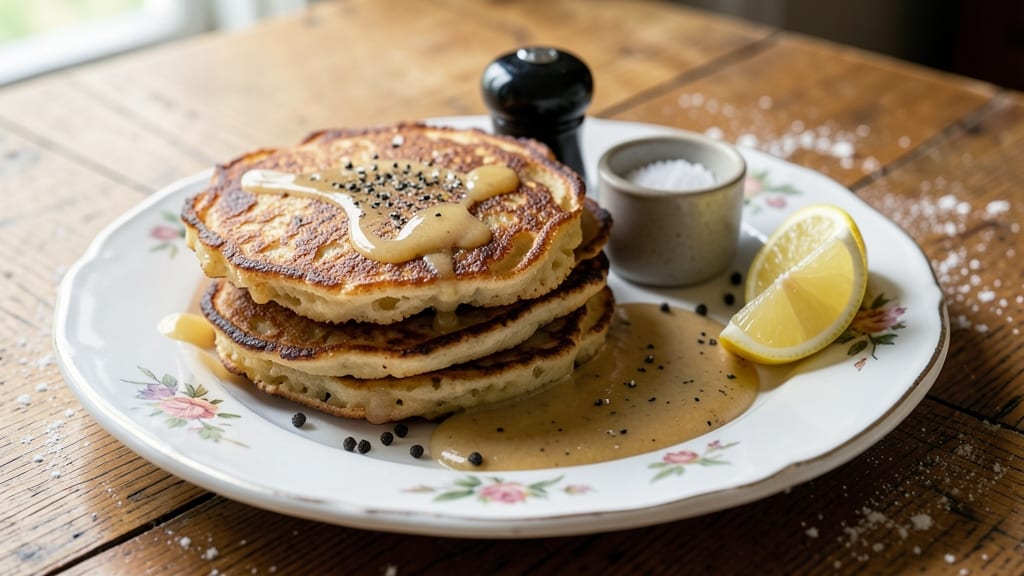
Grandma's potato pancake recipe brings back the comforting aroma of vinegar-kissed, golden-brown latkes that made every holiday gathering feel like home. 💛 The secret to their perfect texture—crispy edges and fluffy centers—lies in the right balance of grated potatoes, eggs, and a touch of vinegar that keeps them light.
I've perfected this recipe over years of family gatherings, ensuring every bite delivers that nostalgic crunch we all love.
These classic potato pancakes are more than just a dish; they're a tradition, especially during Hanukkah when they're served with sour cream or applesauce. The recipe requires just a few simple ingredients—potatoes, eggs, flour, and seasonings—but the technique makes all the difference.
Grating the potatoes properly and frying them in thin layers ensures that golden crust we all crave.
What you'll end up with is a plate of crispy, vinegar-infused potato pancakes that are tender inside and perfectly browned on the outside. The aroma alone will bring back memories of your grandmother's kitchen, and the taste will remind you why these are a staple at any family meal.
Serve them warm with your favorite toppings for a dish that feels like a warm hug.
Whether you're making them for a holiday celebration or a cozy weeknight dinner, this recipe delivers the same comforting results every time. The best part? You can customize them with cheese, herbs, or even bacon for added flavor.
Let's get started on creating these timeless potato pancakes that taste like home.
Ingredients for grandma's potato pancake
Six simple ingredients make Grandma's crispy, vinegar-kissed latkes that taste like home.
| Ingredient | Amount | Notes |
|---|---|---|
| Russet Potatoes 🥔 | 3 lb | Peeled, grated with box grater |
| Large Eggs 🥚 | 3 whole | Room temperature for best binding |
| All-Purpose Flour 🌾 | ½ cup | Lightly sifted for even texture |
| White Vinegar 🍶 | 1 tbsp | White or apple cider vinegar |
| Salt 🧂 | 1 ½ tsp | Kosher or sea salt preferred |
| Ground Black Pepper 🌶️ | ½ tsp | Freshly ground for best flavor |
| Vegetable Oil 🫒 | 3 cups | For frying, peanut oil works too |
| Sour Cream 🥛 | 1 cup | For serving, full-fat preferred |
| Applesauce 🍎 | ½ cup | Unsweetened, for serving (optional) |
| Fresh Parsley 🌿 | ¼ cup | Chopped, for garnish (optional) |
| Onion Powder 🧅 | ½ tsp | For extra flavor depth |
The potatoes are everything. Russet potatoes are the gold standard here—they're starchy enough to hold together but still crisp up nicely. Peel them first, then grate them using a box grater (not a food processor—you want long strands, not mush). I always grab potatoes from the produce section at Kroger—they're freshest there. If you're short on time, pre-grated potatoes from the bagged section work in a pinch, but squeezing out the excess moisture is key. The vinegar? White vinegar is classic, but apple cider vinegar adds a subtle sweetness that pairs perfectly with the sour cream topping.
No sour cream? Greek yogurt works just as well—it's tangier, which balances the crispiness. Short on parsley? Fresh chives or even a sprinkle of paprika add color and flavor. The oil matters too—vegetable or peanut oil are ideal because they have high smoke points, but canola oil is fine if that's what you've got. Pro tip: Let the grated potatoes sit in a colander for 10 minutes after grating to drain out excess starch—this keeps them crispy, not gummy. And if you're feeling fancy, add a grated apple to the mix for a hint of sweetness, just like Grandma used to do.
These pancakes are best served right away, but they reheat beautifully. Keep them warm in a 200°F oven while you finish frying the batch. They'll stay crispy for up to 30 minutes. For leftovers, reheat in a skillet over medium heat for 2-3 minutes per side until golden again. Store any extras in an airtight container in the fridge for 3-4 days, but honestly? They're so good they won't last that long. Freeze extras by stacking them with parchment between layers—up to 3 months in the freezer. Just thaw and reheat in a skillet for that same nostalgic crunch.
Why You'll Love This Recipe
- No-Fuss Ratatouille Night: I peel and grate those Russets while watching TV—no fancy dicing, no stress. The vinegar trick keeps them from browning while I mix, and the egg binds it all without fuss. Honestly? It’s the kind of recipe that makes you wonder why you ever ordered takeout.
- Crispy-Creamy Magic: That first golden bite—crispy outside, fluffy inside—is what makes this worth it. The flour and egg create a perfect texture, and the vinegar adds a subtle tang that cuts through the richness. (Yes, even on a Tuesday night.)
- Pantry Staple Power: Russets, eggs, flour—ingredients you already have. No specialty items, no last-minute grocery runs. Between us, this is my go-to when I’m broke but still want something satisfying. The salt and vinegar balance makes it taste like you spent hours, not minutes.
Step-by-step instructions for Grandma's potato pancake recipe
Here's how to make crispy, golden potato pancakes with a secret vinegar trick for extra crunch.
👨🍳 Step 1: Grate and Squeeze the Potatoes
Peel the 3 lb russet potatoes and grate them using a box grater. You'll get about 6 cups of grated potato. Spread the grated potatoes evenly on a clean kitchen towel or paper towels.
Gather the towel edges and gently squeeze out all the excess moisture. This step is crucial—too much moisture makes your pancakes soggy. I like to do this in batches, squeezing firmly but not pressing too hard or you'll break down the potato fibers. Work quickly so the potatoes don't oxidize and turn brown.
👨🍳 Step 2: Mix the Battering Ingredients
In a large mixing bowl, combine the grated potatoes, 3 whole large eggs, 0.5 cup all-purpose flour, 1 tbsp white vinegar, 1.5 tsp salt, 0.5 tsp ground black pepper, and 0.5 tsp onion powder. The vinegar is the secret ingredient—it helps create that signature crispy crust by breaking down the potato starches.
Use your hands to mix everything together thoroughly. You want the batter to be well combined but still hold its shape when you form patties. If it feels too wet, add a little more of the 0.5 cup all-purpose flour, 1 tablespoon at a time. The batter should be thick enough to hold together when pressed between your fingers but not dry.
🔥 Step 3: Heat the Oil and Fry the Pancakes
Pour 3 cups vegetable oil into a large skillet or deep fryer and heat it to 350°F. Use a thermometer to monitor the temperature—this is critical for even cooking. You want the oil hot enough to sizzle when you add the pancakes but not smoking.
Carefully drop heaping tablespoon-sized portions of the batter into the hot oil, flattening them slightly with a spatula. Don't overcrowd the pan—fry about 3-4 pancakes at a time for even cooking. Fry for 4-5 minutes per side until they're golden brown and crispy. You'll know they're ready when they release easily from the pan and the edges are nicely browned.
🍽️ Step 4: Drain and Serve Warm
Transfer the cooked pancakes to a paper towel-lined plate to drain any excess oil. Keep them warm in a 200°F oven while you fry the remaining batter. The residual heat helps maintain their crispiness while you finish cooking the rest.
Serve immediately with 1 cup sour cream and 0.5 cup applesauce for dipping. Garnish with chopped 0.25 cup fresh parsley for a pop of color and freshness. The pancakes should be crispy on the outside with a tender, fluffy interior. Enjoy them while they're hot—this is when they're at their best!
Pro Tips For Making Grandma'S Potato Pancake
- GRATE FRESH, DON’T RUSH: Russets have more starch when raw—grate them right after peeling, not hours ahead, or they’ll turn gummy. I learned this the hard way when a lazy prep led to pancakes that fell apart like wet cardboard. Keep the grated potatoes in cold water (with a splash of vinegar) for 10 minutes max before draining.
- SALT THE WATER LIKE THE SEA: The soaking water needs serious salt—about 1 tablespoon per quart—to pull out excess starch. Skip this, and your pancakes will stick like glue. (Yes, even if you’re impatient like me.) Drain well, but don’t wring them—just press out moisture with a clean towel.
- FLATTEN WITH A WET PALM: Use your hand (dampened slightly) to press the batter into pancakes—it keeps them from cracking. I used to slap them down dry, and they’d split like overcooked lasagna. Aim for ½-inch thickness, and don’t overpack the batter or they’ll steam instead of crisp.
- CRISP IN BATCHES, NOT HEAPS: Crowd the pan, and the oil temperature drops—leading to soggy middles. Cook 2-3 pancakes at a time over medium-high heat, and resist the urge to flip too soon. They’re ready when the edges are golden and the underside releases easily (about 3-4 minutes per side).
Pro cooking tips for grandma's potato pancake
Potato Grating Mastery
Use a box grater—not a food processor—for those perfect long potato strands. I always opt for medium holes on the grater to balance texture. Russet potatoes are non-negotiable; their high starch content creates that ideal crispy exterior.
After grating, squeeze out moisture thoroughly with a clean kitchen towel or paper towels. This step is non-negotiable for crispiness—don't skip it! 🥔
Batter Consistency Secrets
The batter should hold together when pressed but not be gluey. If it feels too wet, add 1 tablespoon all-purpose flour at a time until it reaches the right consistency. I like to test by pressing a small amount between my fingers—it should clump slightly but not stick.
The vinegar (white or apple cider) is key here; it breaks down starches for that signature crisp. Never substitute with lemon juice—it won't give the same reaction. 💡
Oil Temperature Control
Use a deep-fry thermometer to maintain 350°F—this is critical for even cooking. If the oil is too cool, your pancakes will absorb too much oil and turn greasy. If it's too hot, they'll burn before cooking through.
I use vegetable oil because of its neutral flavor and high smoke point. Never reuse oil for multiple batches—fresh oil ensures the best texture every time. 🌡️
Frying Like a Pro
Work in batches of 3-4 pancakes to avoid overcrowding. Use a slotted spatula to flip them gently when golden brown appears on the bottom—usually after 4-5 minutes. The edges should be crispy and the centers still tender.
If your pancakes release too easily, the oil isn't hot enough. Keep cooked pancakes warm in a 200°F oven while you finish the batch—they'll stay crispy for up to 30 minutes. ⚡
Vinegar's Role Revealed
The 1 tablespoon white vinegar in the batter isn't just for flavor—it's a chemical reaction accelerator. The acid breaks down potato starches, creating more surface area for browning. This is why your pancakes get that perfect golden crust.
For extra tang, I sometimes add ½ teaspoon apple cider vinegar to the serving sour cream. The vinegar also helps prevent the pancakes from turning gummy during frying. 💫
Reheating Without Ruin
For leftovers, never microwave—they'll turn soggy. Instead, heat in a skillet over medium heat for 2-3 minutes per side until golden again. For freezer storage, stack pancakes with parchment paper between layers to prevent sticking.
Thaw in the fridge overnight, then reheat in the skillet. The texture will be slightly less crisp, but it's still delicious. 🔥
Nutrition facts
Frequently asked questions
Can I use sweet potatoes instead of russet potatoes?
Sweet potatoes will change the flavor and texture significantly. Russet potatoes are ideal because their high starch content creates that perfect crispy exterior while keeping the inside fluffy. If you must use sweet potatoes, expect a denser, slightly sweeter pancake that won't crisp as well. For the classic Grandma-style experience, stick with russets.
Why do my potato pancakes turn out greasy?
Greasy pancakes usually mean the oil was too cool or you didn't squeeze out enough moisture from the grated potatoes. Always maintain 350°F oil temperature and use a thermometer to check. Also, make sure to drain the grated potatoes thoroughly before mixing with other ingredients—this prevents excess oil absorption during frying.
Can I make these pancakes ahead of time?
Yes, but with some care! Cooked pancakes can be stored in an airtight container in the fridge for 3-4 days, but they'll lose some crispiness. For freezing, stack them with parchment paper between layers and freeze for up to 3 months. Thaw overnight in the fridge before reheating in a skillet over medium heat for 2-3 minutes per side until golden.
What's the best way to keep them crispy while serving?
Keep them warm in a 200°F oven while you finish frying the batch. This maintains their crispiness for up to 30 minutes. If serving at a buffet, place them on a wire rack set over a baking sheet to allow air circulation—this prevents them from becoming soggy from steam buildup.
Can I add cheese or other mix-ins?
Many families add shredded cheddar or Gruyère to the batter for extra flavor. You can also mix in finely chopped onions, garlic, or even bacon bits. Just be mindful that additional ingredients may require adjusting the flour amount to maintain proper batter consistency. For a sweet twist, try adding grated apple or cinnamon.