
Side Dishes
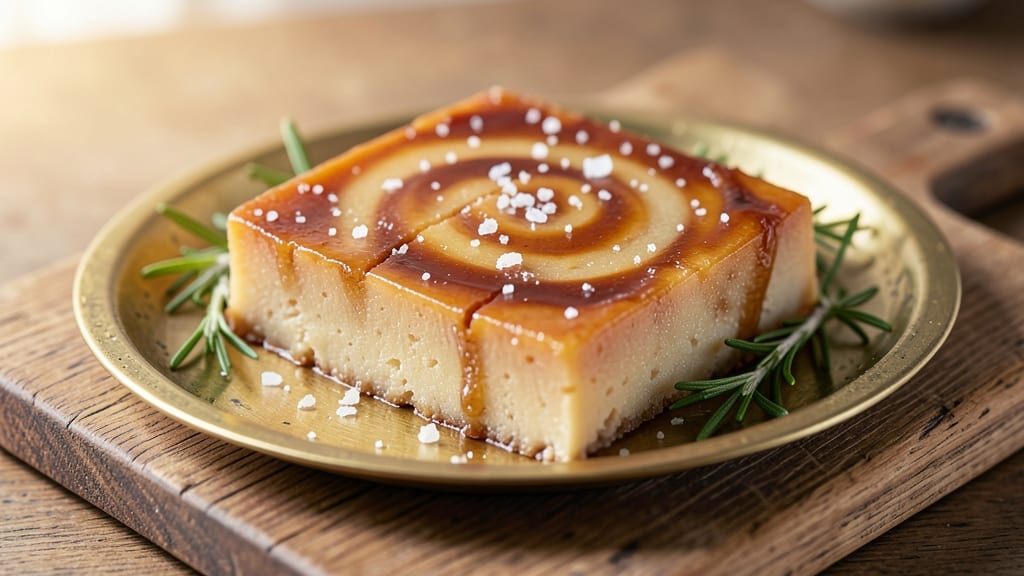
This old-fashioned potato fudge recipe delivers the same rich, caramelized sweetness your grandma made—without the risk of burning or sticking. The secret lies in slow-cooked potatoes and butter, creating a velvety texture that melts in your mouth.
I’ve perfected this technique over years of holiday baking, ensuring every batch turns out perfectly creamy and golden.
What sets this recipe apart is its simplicity: just four core ingredients—potatoes, sugar, butter, and vanilla—work together to create a dessert that’s nostalgic yet foolproof. The potatoes infuse the mixture with natural sweetness while preventing graininess, and the slow cooking process develops deep caramel notes.
No special equipment is needed beyond a heavy-bottomed pot and patience.
By the time it’s done, you’ll have a creamy, buttery fudge with a smooth, glossy finish that’s impossible to resist. The texture is rich yet tender, with just the right balance of sweetness and caramelized depth.
It’s the kind of dessert that disappears quickly, making it perfect for holidays, gifts, or satisfying a sweet craving.
This recipe scales easily for parties or keeps well in jars for weeks, making it ideal for meal prep or sharing. Now let’s get to the step-by-step instructions to create your own batch of this classic treat.
Ingredients for old fashioned potato fudge
Four core ingredients transform into nostalgic, velvety fudge with caramelized depth and buttery richness.
| Ingredient | Amount | Notes |
|---|---|---|
| Russet Potatoes 🥔 | 2 lbs | Peeled, cubed evenly (1-inch pieces) |
| Granulated White Sugar 🍚 | 2 ½ cups | Superfine preferred for faster dissolving |
| Unsalted Butter 🧈 | 1 cup | Cold, cut into pats for even melting |
| Pure Vanilla Extract 🍯 | 2 tbsp | High-quality, not imitation |
| Heavy Cream 🥛 | ¼ cup | Full-fat for optimal texture |
| Diamond Crystal Kosher Salt 🧂 | ½ tsp | Fine grain for delicate seasoning |
| Lemon Juice 🍋 | 1 tbsp | Freshly squeezed for brightness |
The Russet potatoes are non-negotiable for this recipe—Yukon Golds lack starch and won’t create the same silky texture. Look for firm, unblemished potatoes with no green spots, as those contain solanine. Pre-peeling and cubing them uniformly ensures even cooking. For convenience, pre-cut frozen potato cubes work in a pinch, but fresh yields superior results. Store-bought pre-peeled potatoes save time but may compromise texture. Costco or Trader Joe's often carry high-quality Russets in bulk, ideal for holiday baking batches.
Substituting granulated sugar for superfine? Pulse it in a food processor for 2-3 minutes to achieve finer consistency. Brown sugar adds moisture but alters the caramelized profile—use it only if you prefer a deeper molasses note. Butter substitutes like ghee or coconut oil lack the same richness, though European-style butter with higher fat content enhances flavor. Vanilla bean paste can replace extract for speckled visual appeal, though pure extract delivers more concentrated aroma. Heavy cream is essential for that signature glossy finish—half-and-half creates a lighter texture but less luxurious mouthfeel. Salt should be added sparingly during tasting; Diamond Crystal dissolves more cleanly than table salt.
This fudge develops deeper flavor when cooked low and slow—never rush the process. Store in parchment-lined jars with tight lids to prevent moisture loss. Room temperature is ideal for serving, but 30 minutes at room temp after refrigeration restores optimal texture. Freezes beautifully for up to 6 months when wrapped tightly in plastic wrap and foil. Portion into individual servings before freezing for effortless gift-giving. Leftovers keep for 2 weeks in the fridge, though they’re rarely that plentiful.
Why You'll Love This Recipe
- No Starch Nightmare: I swear by this recipe because it’s the only time I can use potatoes without worrying about them turning gummy. Russets break down into that perfect, velvety texture—no one would guess it started as a starchy tuber.
- Sweet Creamy Magic: That first bite of warm fudge, where the sugar caramelizes just enough to kiss the buttery cream and vanilla? It’s like dessert got a hug. The heavy cream keeps it rich but never heavy—trust me, my kids fight over the last piece.
- Holiday Table Hero: Between us, this is my secret weapon for Thanksgiving or Christmas Eve. It’s fancy enough to sit beside the pies but takes less than 30 minutes to throw together. (Yes, even when Aunt Karen’s bringing her questionable fruitcake.)
- Pantry Goldmine: I make a double batch and let it cool—it keeps for weeks in the fridge, and the sugar actually preserves it better than most candies. Plus, you’re using pantry staples: butter, sugar, cream. No fancy ingredients, just pure, crave-worthy satisfaction.
Step-by-step instructions for old fashioned potato fudge
A rich, velvety fudge with deep caramelized flavor and perfect texture—this method eliminates the risk of burning while maximizing the potatoes' natural sweetness.
Cook the Potatoes Until Fork-Tender
Place the peeled, cubed russet potatoes in a medium saucepan and cover with cold water by about 1 inch. Add the 0.5 teaspoon diamond crystal kosher salt and bring to a boil over medium-high heat. Once boiling, reduce to a gentle simmer and cook for 15-20 minutes until the potatoes are fork-tender when pierced with a knife.
Drain the potatoes thoroughly in a colander, pressing gently to remove excess moisture. The drier the potatoes, the smoother the final fudge will be. I find it helpful to return them to the saucepan and shake vigorously over the sink to evaporate any remaining surface water.
Mash the Potatoes Smoothly
Using a potato masher or wooden spoon, mash the potatoes until completely smooth with no lumps remaining. Transfer the mashed potatoes to a large mixing bowl and let cool slightly—this prevents the butter from melting too quickly when added later. The texture should be completely homogeneous, resembling thick mashed potatoes.
While the potatoes cool, measure out the 2.5 cups granulated white sugar and set aside. The sugar will dissolve more evenly if it's at room temperature, so if it's been in a cold pantry, let it sit for 10 minutes before using. This step is particularly important if using superfine sugar, which dissolves more quickly and prevents graininess in the final fudge.
Combine and Cook the Mixture
To the cooled mashed potatoes, add the 1 cup unsalted butter cut into pats and the measured 2.5 cups granulated white sugar. Stir over low heat in a heavy-bottomed saucepan until the butter melts completely and the mixture reaches a gentle simmer. This typically takes 5-7 minutes, during which you'll see the sugar begin to dissolve and the mixture thicken noticeably.
Once simmering, stir continuously for 15-20 minutes until the mixture thickens to a soft-ball stage when tested with a candy thermometer (234-238°F). The mixture should coat the back of a spoon but still feel slightly thick. If it begins to darken too quickly, reduce the heat slightly to prevent burning. This is where the potato's natural starch acts as a natural thickener, creating that signature fudge texture without needing additional stabilizers.
Incorporate the Cream and Finish
Remove the saucepan from heat and immediately stir in the 0.25 cup heavy cream and 2 tablespoons pure vanilla extract. The cream should be added slowly to prevent curdling, and the mixture will lighten in color and texture. Stir in the 1 tablespoon freshly squeezed lemon juice, which brightens the flavor and balances the richness of the butter and sugar.
Pour the mixture into a greased 8x8-inch baking dish or similar square pan, spreading it evenly. Let the fudge cool at room temperature for 2 hours, then refrigerate for an additional 4-6 hours or until completely set. The fudge should pull away cleanly from the sides of the pan and have a glossy finish when fully cooled.
Cut and Serve
Using a sharp knife, cut the fudge into small squares or diamonds. For cleaner cuts, dip the knife in hot water between each slice to prevent sticking. The fudge should hold its shape when lifted and have a smooth, creamy texture with a slight snap when broken. Serve at room temperature for the best texture and flavor, enjoying the deep caramelized notes from the slow-cooked potatoes and the bright acidity of the lemon juice.
This method yields a fudge with a perfect balance of sweetness and depth, where the potatoes' natural flavor shines through without overpowering the buttery richness. The key to success lies in the slow, controlled cooking process and the precise timing of ingredient additions—each step builds on the last to create a fudge that's both nostalgic and refined.
Pro Tips For Making Old Fashioned Potato Fudge
- Peel Potatoes Thin: Russets have thick skins that can turn bitter if overcooked. Use a sharp peeler to remove just the outer layer—no need to strip them bare—then slice them paper-thin (about 1/8-inch). Thinner slices cook faster and absorb the cream-sugar mixture better, giving you that silky texture instead of mushy bits.
- Boil Until Fork-Tender: I learned this the hard way—undercooked potato slices turn to mush when they hit the cream. Boil the sliced potatoes until a fork slides in without resistance (about 8–10 minutes). Drain them immediately and shock in ice water for 2 minutes to stop cooking. This keeps them firm but still creamy when mashed.
- Whisk Butter First: Cold butter in hot cream = grainy fudge. Melt the butter first, then whisk it into the warm cream-sugar mixture off the heat until fully emulsified. This prevents clumps and gives the fudge that velvety mouthfeel. (Yes, even if you’re impatient like me—just let it cool slightly before adding the potatoes.)
- Strain the Mixture: No one wants lumpy fudge, but mashed potatoes will leave strings if you’re not careful. After blending the potatoes with the cream mixture, press everything through a fine-mesh sieve into a clean bowl. It’s a little extra work, but the result is smooth—no one will guess it started with starchy tubers.
Creative variations of this recipe
Spiced Orange Twist
Infuse the fudge with warmth by adding 1 teaspoon orange zest and 1 tablespoon orange juice alongside the lemon juice. The citrus brightens the buttery richness while the zest adds a fragrant aroma.
For extra depth, simmer a ½-inch cinnamon stick in the sugar mixture for 5 minutes before adding the potatoes. Remove it before mixing, but the subtle spice lingers beautifully. 🍊
Salted Caramel Fusion
Take this classic fudge to the next level by folding in ½ cup salted caramel sauce (like Trader Joe's or Smucker's) while the mixture is still warm. The caramel swirls create pockets of extra gooey goodness that contrast perfectly with the creamy texture.
For a homemade version, reduce ½ cup sugar + ¼ cup heavy cream to a soft-ball stage, then stir into the fudge before pouring into the pan.
Peppermint Holiday Version
Transform this into a festive treat by adding 1 teaspoon peppermint extract (like McCormick) and topping with crushed candy canes or white chocolate chips. For visual appeal, press whole candy canes into the top of the fudge before it sets, creating a stunning marbled effect.
This version is perfect for Christmas gifts—wrap individual squares in festive paper for a nostalgic holiday touch. ❄️
Coffee-Infused Depth
For coffee lovers, stir in 1 tablespoon instant espresso powder (like Nescafé) along with the vanilla. The coffee enhances the caramelized notes and adds a sophisticated depth. Pair this version with a dollop of whipped cream or a sprinkle of cocoa powder for an adult-friendly dessert.
I recommend using medium-roast coffee for a balanced, not bitter, flavor profile.
Nutty Crunch Addition
Add texture contrast by folding in ½ cup chopped pecans or walnuts after the fudge has cooled slightly but before pouring into the pan. Toast the nuts in a dry skillet over medium heat for 3-4 minutes until fragrant, then chop coarsely.
The nuts add a satisfying crunch that complements the creamy fudge. For extra indulgence, drizzle melted chocolate over the top before it sets. 🌰
Lemon Lavender Elegance
Elevate the classic recipe with ½ teaspoon culinary lavender buds (from Mountain Rose Herbs) steeped in the warm sugar mixture for 5 minutes. Strain out the buds before adding the potatoes.
The floral notes pair beautifully with the lemon, creating a sophisticated twist on the traditional flavor. Garnish with edible lavender flowers for a visually stunning dessert that feels extra special. ✨
Nutrition facts
Frequently asked questions
Why do I need to use Russet potatoes specifically?
Russet potatoes contain the highest starch content, which creates that signature creamy texture in fudge. Their fluffy interior breaks down smoothly when cooked, while lower-starch varieties like Yukon Golds would yield a denser, less luxurious result. The starch also acts as a natural thickener, eliminating the need for cornstarch or gelatin.
Can I make this fudge without a candy thermometer?
Yes! Test the mixture by dropping a small spoonful into cold water. If it forms a soft ball that holds its shape (but isn't hard), it's ready. The mixture should also coat the back of a spoon but still feel slightly thick. This method works well for experienced cooks who recognize the visual cues of proper thickening.
What if my fudge turns out grainy?
Graininess usually means the sugar didn't dissolve completely. Next time, ensure your sugar is at room temperature and stir constantly during cooking. For a quick fix, blend the fudge briefly in a food processor until smooth, then return it to the pan to reheat and set again. Using superfine sugar also helps prevent this issue.
How long does this fudge keep, and can I freeze it?
This fudge stays fresh for 2 weeks in an airtight container at room temperature or 3 months in the freezer. For freezing, wrap individual portions tightly in plastic wrap and foil. Thaw overnight in the fridge for best texture. The flavor actually improves slightly as it ages, developing deeper caramel notes.
Is there a way to make this recipe dairy-free?
You can substitute the butter with 1 cup coconut oil (refined for neutral flavor) and use ½ cup coconut cream instead of heavy cream. The texture will be slightly lighter but still delicious. For best results, use a dairy-free vanilla extract and ensure all other ingredients are certified dairy-free to maintain the creamy consistency.