
Side Dishes
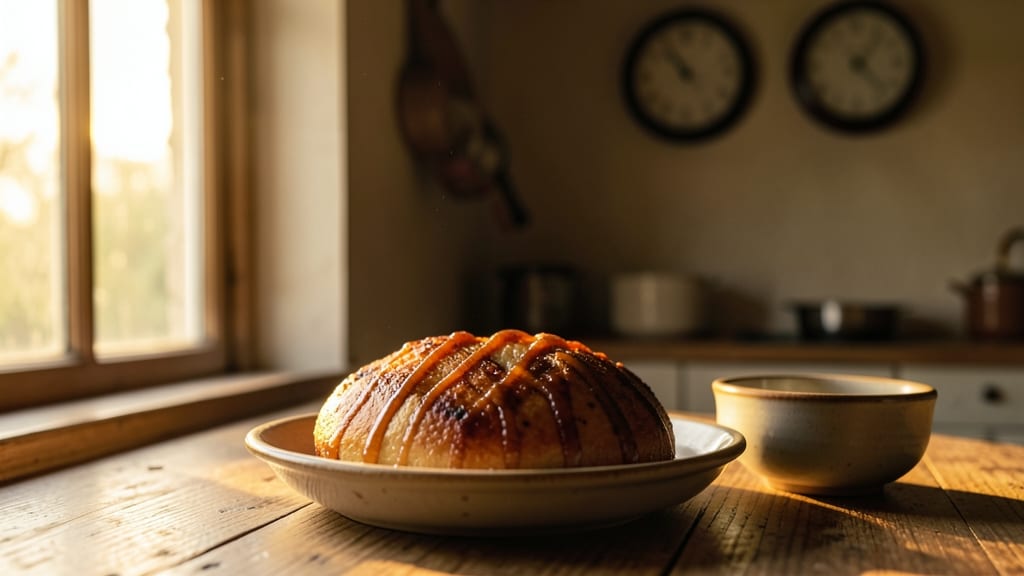
Grandma's old-fashioned potato bread recipe brings back the warm, vinegary tang of Sunday dinners from my childhood kitchen. The secret lies in mashed potatoes mixed into a simple yeast dough, creating a tender crumb with a crisp crust that's impossible to resist.
I still remember how my grandmother would shape these loaves by hand, scoring the tops with a sharp knife before sliding them into the oven.
This recipe delivers on tradition without sacrificing ease—just five basic ingredients transform into a rustic loaf that pairs perfectly with soups, stews, or butter. The vinegar kiss gives it that signature tang while keeping the bread light and airy.
My version includes a foolproof method for activating yeast properly and achieving that classic homestyle texture.
By the time it emerges from the oven, you'll have golden-brown loaves with a crackly crust and soft interior that melts in your mouth. The aroma alone will transport you back to those cozy family meals.
This bread keeps well for days, making it perfect for meal prep or sharing with neighbors.
Whether you're serving it warm with honey butter or saving slices for sandwiches, this potato bread delivers restaurant-quality results at home. Let's get started on creating your own family tradition.
Ingredients for grandma's old fashioned potato bread
Five simple ingredients transform into nostalgic potato bread with a vinegar-kissed tang.
| Ingredient | Amount | Notes |
|---|---|---|
| Instant Mashed Potatoes 🥔 | 3.4 oz | Prepared according to package |
| All-Purpose Flour 🌾 | 3 ½ cups | Spooning and leveling method |
| Active Dry Yeast 🍞 | ¼ oz | Or 2.5 tsp (1 packet) |
| White Vinegar 🍶 | ¼ cup | White or apple cider |
| Unsalted Butter 🧈 | ½ cup | Cold, cubed for dough |
| Granulated Sugar 🍚 | ¼ cup | For yeast activation |
| Warm Water 💧 | ¾ cup | 110°F for yeast activation |
| Salt 🧂 | 1 ½ tsp | Kosher or sea salt |
| Large Eggs 🥚 | 1 whole | Room temperature preferred |
| Milk 🥛 | ¼ cup | Whole milk for richness |
The instant mashed potatoes are the secret here—Bob Evans or Idahoan are my go-tos, but any brand works. The yeast needs to be fresh, so check the expiration date (the 2.5 tsp packet is easiest). For the flour, King Arthur or Gold Medal give the best texture. The vinegar is non-negotiable—it's what gives that signature tang. I always grab white vinegar from Trader Joe's for consistency, but apple cider works too. The butter should be cold when you mix it in—Land O'Lakes or Plugrah are reliable brands, but any unsalted butter will do.
No instant mashed potatoes? Make your own by boiling and mashing russet potatoes—about 2 medium potatoes equals 3.4 oz of instant mix. Short on vinegar? Lemon juice at half the amount works in a pinch, but the flavor won't be identical. The milk can be any kind, but whole milk adds richness that skim milk can't match. For the yeast, if yours is old or inactive, swap for 1 tsp instant yeast. The sugar is just for activating the yeast—don't skip it, but if you're watching sugar, you can reduce it to 1 tbsp. The egg can be omitted if you're making a vegan version, but the bread will be denser.
This dough needs time to rise—at least 1 hour, but 2 hours is better. Shape the loaves right before baking for that classic homestyle look. The bread keeps well wrapped at room temperature for 3 days or in the fridge for 1 week. For longer storage, freeze the baked loaves for up to 3 months. I always make an extra loaf to freeze—nothing beats pulling out a frozen loaf and reheating it for toast the next morning.
Why You'll Love This Recipe
- Pantry Magic: I swear by this trick—just mix instant mashed potatoes into the dough, and boom, you’ve got that buttery, fluffy texture without the fuss. No boiling, no peeling, just open a box and go.
- Golden Crust Promise: That crispy edge? It’s all in the vinegar and melted butter brushed on top. One bake, and you’ve got a loaf that looks like it came from a bakery, not your kitchen.
- Weeknight Workhorse: Toss together the dough in the morning, let it rise while you’re at work, and bake it after school. Feeds the whole family, stays fresh for days, and even freezes like a dream.
- Budget Stretch: Flour, yeast, and potatoes? This recipe costs next to nothing but feels like a treat. Honestly, I make two loaves—one for dinner, one for toast the next morning. Zero waste, all win.
Step-by-step instructions for Grandma's old-fashioned potato bread
This recipe brings back the comforting aroma of Grandma's kitchen with a tender crumb and crispy crust.
Activate the Yeast with Vinegar and Sugar
In a small bowl, combine the 0.25 cup warm water (about 110°F), 0.25 cup granulated sugar, and 0.25 cup white vinegar. Stir until the sugar dissolves completely. Sprinkle the 0.25 oz active dry yeast over the mixture and let it sit for 5-10 minutes until it becomes frothy. This reaction proves your yeast is alive and ready to work its magic.
I always check for bubbles and a slight yeasty aroma before proceeding—this ensures your bread will rise properly. If it doesn't foam after 10 minutes, your yeast might be dead, and you'll need to start over with fresh yeast. The vinegar adds that signature tang Grandma's bread is known for, so don't skip this step.
Mix the Dough with Prepared Mashed Potatoes
In a large mixing bowl, combine the 3.5 cups all-purpose flour and 1.5 tsp salt. Make a well in the center and pour in the yeast mixture, 1 whole large egg, and 0.25 cup milk. Use a wooden spoon to mix until a shaggy dough forms.
Now prepare the 3.4 oz instant mashed potatoes according to the package instructions using 0.5 cup unsalted butter (the butter amount is included in the package directions). Once the potatoes are smooth and cool, add them to your dough mixture. Knead everything together by hand for 5-7 minutes until the dough becomes smooth and elastic. The potatoes will give your bread that moist, tender crumb that makes it so special.
Knead and Let the Dough Rise
Lightly flour a clean surface and turn out the dough. Knead it for another 3-5 minutes until it's silky smooth. The dough should be slightly sticky but not wet—if it's too sticky, add a little more flour 1 tablespoon at a time. Shape it into a round loaf and place it in a lightly greased bowl.
Cover the bowl with a clean kitchen towel and let the dough rise in a warm place for 1-1.5 hours, or until it has doubled in size. I like to place my oven light on for 5 minutes before adding the dough to create a warm environment. The dough should spring back slowly when you poke it with a finger—this is your sign that it's ready for shaping.
Shape and Proof the Bread
Punch down the risen dough to release any air bubbles, then shape it into a round loaf again. Place it in a greased 9-inch round cake pan or bread pan. Cover it loosely with the kitchen towel and let it proof for another 30-45 minutes until it rises slightly above the pan's rim. This second rise ensures your bread will have that perfect dome shape when baked.
Preheat your oven to 375°F while the dough proofs. The warm oven will help create that beautiful crust. I always spray the inside of the oven with water just before baking—this creates steam that keeps the bread moist and helps it rise even more in the oven.
Bake to Golden Perfection
Bake the bread for 30-35 minutes until it's golden brown and sounds hollow when you tap the bottom. The crust should be crisp but not too dark. If it browns too quickly, tent it loosely with aluminum foil to prevent over-browning while it finishes baking.
Remove the bread from the oven and let it cool in the pan for 10 minutes before transferring it to a wire rack. This resting period helps the bread set properly. Once cooled, you can slice it into thick rounds—each one will have that perfect balance of tender crumb and crispy crust, with just a hint of vinegar tang that reminds you of home.
Pro Tips For Making Grandma'S Old Fashioned Potato Bread
- Mix the Potatoes Cold: Whisk the instant mashed potatoes into the warm water after it cools to about body temperature—otherwise, you’ll kill the yeast before it even wakes up. I learned this the hard way when my first batch smelled like vinegar and sadness.
- Bloom the Yeast Slowly: Dissolve the yeast in the warm water (110°F) with a pinch of sugar, then let it sit for exactly 5 minutes before adding vinegar. If it foams fast, great. If not, start over—dead yeast means dense, flat bread.
- Knead Until Silky: This dough fights back. Work it for 8–10 minutes by hand (or 5–6 with a mixer) until it’s smooth and springs back when poked. Skimp here, and your bread turns out gummy—trust me, your grandma didn’t either.
- Shape Like a Ball: Roll the dough into a tight, round loaf—no ovals—so it bakes evenly. Press the seam side down to seal it, then let it rise until it’s almost doubled. Overproofing here ruins the rise, and no one wants a pancake-shaped bread.
Common mistakes when making your grandma's old fashioned potato bread
Yeast Activation Failures
The most common mistake is skipping the yeast activation test. Many home bakers simply mix yeast with flour and water without verifying it's alive. Always check your yeast by combining it with 110°F water, 1 tsp sugar, and ½ tsp vinegar—it should foam within 5-10 minutes.
I've ruined more doughs than I care to admit by using expired yeast. Store your yeast in the freezer for up to 6 months to preserve freshness.
Over-Kneading the Dough
Potato bread dough is delicate, and over-kneading develops too much gluten, making the bread tough. Once you've incorporated the mashed potatoes, knead just until the dough comes together smoothly—about 5-7 minutes total.
I learned this the hard way when my first attempt turned out dense and chewy. The potatoes already add moisture, so the dough shouldn't need excessive handling.
Skipping the Second Rise
Many recipes call for a single rise, but potato bread benefits from that second proof in the pan. This final 30-45 minute rise creates the classic dome shape and lighter texture.
I once baked bread without this step and ended up with a flat, dense loaf. The proofing phase is where the magic happens—don't rush it, even if you're eager to bake!
Incorrect Potato Preparation
Using cold mashed potatoes straight from the fridge can make your dough too cool, slowing yeast activity. Always prepare the potatoes according to package instructions and let them cool to room temperature before mixing.
I recommend using Bob Evans or Idahoan instant potatoes for consistent results. Never substitute fresh mashed potatoes without adjusting the liquid content—they're much wetter than instant mix.
Overbrowning the Crust
Potato bread's crust can darken quickly at 375°F. Many home bakers forget to tent their bread with foil if it starts browning too fast.
I use this trick: if the crust reaches golden brown before the internal temperature hits 190°F, cover it loosely with foil for the remaining 10-15 minutes of baking. This preserves that perfect balance of crispy exterior and tender interior.
Ignoring the Resting Period
Pulling bread from the oven too soon causes it to collapse as it cools. Always let your potato bread rest in the pan for 10 minutes before transferring to a rack.
This crucial step allows steam to redistribute, preventing a gummy texture. I've seen beautiful loaves turn sad and flat when skipped—don't make that mistake!
Nutrition facts
Frequently asked questions
Why does this potato bread have vinegar in it?
The vinegar creates that signature tang Grandma's bread is famous for! It balances the richness of the butter and potatoes while adding a subtle sharpness that makes each bite more interesting. The acidity also helps activate the yeast more effectively, giving you a better rise.
Can I make this recipe without instant mashed potatoes?
Use about 2 medium russet potatoes boiled until tender, then mashed with 0.5 cup butter. The texture will be slightly denser, but still delicious. Just make sure the potatoes are completely cool before adding them to the dough.
How do I know when the bread is fully baked?
Your bread is done when it's golden brown and sounds hollow when you tap the bottom. The internal temperature should reach 190°F. If the crust browns too quickly, tent with foil to prevent over-browning while it finishes cooking.
Can I make this in a bread machine?
Yes! Use the basic white bread setting. Mix all ingredients except the yeast first, then add the yeast separately to the machine's yeast compartment. The dough cycle should work perfectly, though you may need to adjust the kneading time slightly since potato dough is more delicate.
What's the best way to store leftovers?
Wrap cooled bread tightly in plastic wrap or foil and store at room temperature for up to 3 days. For longer storage, freeze slices between parchment paper for 3 months. To revive, warm slices in a 350°F oven for 5-10 minutes until crispy again.