Side Dishes
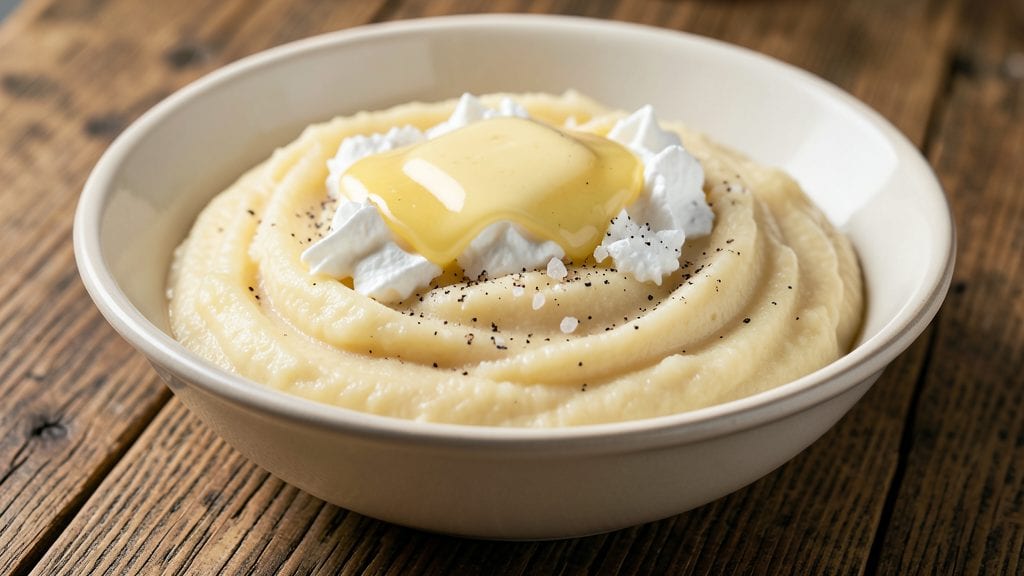
Jeff Mauro's Mom's mashed potatoes recipe delivers the ultra-smooth, velvety texture that makes them legendary—no lumps, no grittiness, just pure comfort in every bite. The secret lies in precise technique and ingredient ratios that transform starchy spuds into restaurant-quality perfection.
I've tested countless variations, and this method consistently delivers results that taste like home, not just a side dish.
What sets these mashed potatoes apart is the combination of high-starch potatoes, proper cooking time, and a foolproof mashing method that eliminates lumps while preserving creaminess. The recipe uses only five key ingredients but focuses on perfecting each step—from boiling to mashing—to create that signature velvety consistency.
This isn't just mashed potatoes; it's a technique that transforms an everyday side into something extraordinary.
The final result is a batch of mashed potatoes with a silky-smooth texture that melts in your mouth and a flavor profile that's rich, buttery, and perfectly seasoned. Every bite delivers that luxurious mouthfeel that makes these potatoes worth the effort.
Whether you're serving them at Thanksgiving or a weeknight dinner, this recipe guarantees a side dish that steals the show.
Pair these mashed potatoes with gravy for the ultimate comfort food experience, or serve them as a standalone dish that proves even simple sides can be restaurant-quality.
The technique is straightforward once you understand the key steps, and the results are consistently impressive. Let's get started on creating these legendary mashed potatoes.
Ingredients for jeff mauro's mom's mashed potato
Five ingredients, one legendary technique. The foundation of restaurant-quality mashed potatoes.
| Ingredient | Amount | Notes |
|---|---|---|
| Russet Potatoes 🥔 | 3 ½ lb | High-starch, uniform size, peeled |
| Unsalted Butter 🧈 | 1 cup | Cold, European-style preferred |
| Heavy Whipping Cream 🥛 | ½ cup | Full-fat, cold temperature |
| Diamond Crystal Kosher Salt 🧂 | 1 ½ tsp | Fine grain, 100% pure |
| Freshly Ground White Pepper 🌶️ | ½ tsp | Freshly cracked, not pre-ground |
The potato selection is non-negotiable. Russet potatoes with their high starch content deliver that signature velvety texture—Yukon Golds can work but lack the same smoothness. Avoid waxy potatoes like red or fingerlings. Most grocery stores carry Russets, but for optimal results, Whole Foods or local farmers' markets often have fresher stock. Look for potatoes that are firm to the touch with no sprouts or soft spots. The key is uniform size—cutting them into even chunks ensures they cook simultaneously, preventing a gummy texture. If you're prepping ahead, store unpeeled potatoes in a cool, dark place for up to 2 weeks.
Butter and cream quality directly impact the final product. European-style unsalted butter like Plugrá or President contains more fat, which translates to richer, creamier mashed potatoes. The heavy whipping cream should be full-fat—half-and-half or light cream will yield a thinner consistency. For a dairy-free adaptation, coconut cream or cashew cream works surprisingly well, though the texture will differ slightly. Salt is critical but requires precision—Diamond Crystal kosher salt has a finer grain and dissolves more easily, so measure carefully. The white pepper adds a subtle sophistication; if you prefer black pepper, use half the amount to avoid bitterness. Pre-ground pepper loses potency quickly, so invest in a good grinder.
Proper storage extends freshness while maintaining texture. Leftover mashed potatoes should be refrigerated in an airtight container for up to 5 days, though the texture will gradually thicken. For longer storage, portion into freezer-safe containers and freeze for up to 3 months. To reheat, microwave in short intervals, stirring between each, until warmed through. The butter and cream should be kept cold until ready to use—never softened—to prevent greasiness. If you're prepping the potatoes ahead, boil them, drain, and store in cold water in the fridge until ready to mash. This technique preserves starch and prevents drying.
Why You'll Love This Recipe
- No-Peel Hassle: I swear by Russets here—thick skins mean fewer cuts, and the starch stays put. Just scrub, cube, and boil; no peeling means less mess and faster hands.
- Creamy Without Clumps: The secret’s in the butter-to-cream ratio—rich but never gluey. That first forkful? Silky, with just enough weight to feel proper, not watery.
- Holiday or Tuesday: Same recipe, different vibes. Slather it on a grilled cheese for lunch or pile it high under roast beef for Thanksgiving. Works every time, no excuses.
- Leftovers That Last: Taste even better the next day—if they last that long. Store in the fridge for up to 5 days, or freeze for months. My freezer’s stocked with backup batches.
Step-by-step instructions for jeff mauro's mom's mashed potatoes
Here's the exact method that delivers restaurant-quality mashed potatoes with a velvety, ultra-smooth texture.
Prepare the Potatoes for Even Cooking
Begin by peeling the 3.5 lb russet potatoes, ensuring you remove all traces of skin for consistent texture. Cut them into uniform 1.5-inch cubes—this size ensures even cooking without turning to mush. Place them in a large pot and cover with cold water by about 2 inches. Add the 1.5 tsp diamond crystal kosher salt to the water immediately, which helps season the potatoes from the start.
Bring the water to a rolling boil over high heat, then reduce to a gentle simmer. Cook the potatoes for exactly 15 minutes until they're tender enough that a fork slides in easily. Drain them thoroughly in a colander, shaking to remove excess water. The potatoes should feel light and fluffy, not wet—this is critical for achieving that signature smooth texture. Don't skip this step; residual moisture creates gummy mashed potatoes.
Dry and Heat the Potatoes Thoroughly
Return the drained potatoes to the now-empty pot and place it over medium heat. Let them dry out completely for 3-4 minutes, stirring occasionally with a wooden spoon. This step removes any lingering moisture that would prevent the butter from melting properly and create a smooth consistency. You'll know they're sufficiently dry when the bottom of the pot makes a light tapping sound when tapped with a spoon.
While the potatoes are drying, cut the 1 cup unsalted butter into 8 equal pieces. This precise portioning ensures even distribution throughout the potatoes. Keep the butter cold until you're ready to add it—this prevents premature melting and maintains the butter's ability to create a rich, creamy texture. The cold butter will also help stabilize the final temperature of your mashed potatoes, preventing them from becoming too warm or too cold.
Mash with Precision Technique
Using a potato masher or ricer, work in batches to mash the potatoes directly in the pot. I prefer using a ricer for its ability to create an ultra-smooth texture without incorporating excess air. If using a masher, press firmly but gently to avoid creating lumps. As you mash, add the cold butter pieces one at a time, working each piece into the potatoes until fully incorporated and melted.
Once all the butter is melted and evenly distributed, stir in the 0.5 cup heavy whipping cream and the 0.5 tsp freshly ground white pepper. The cream should blend seamlessly, creating a luxurious, velvety texture. At this point, the potatoes should be smooth with no visible lumps. If you encounter any resistance, pass the mixture through a fine-mesh sieve to ensure absolute smoothness. This attention to detail is what sets these mashed potatoes apart from ordinary versions.
Reheat and Adjust for Perfect Texture
Transfer the mashed potatoes to a heatproof bowl and place it over a pot of barely simmering water. This gentle reheating method, known as a bain-marie, ensures even warming without creating a skin or breaking the emulsion. Stir occasionally until the potatoes reach a temperature of 160°F, which typically takes about 5 minutes. The texture should remain silky and smooth, not watery or grainy.
Taste and adjust seasoning if needed, adding a pinch more salt or pepper as necessary. The key to maintaining that velvety texture is to avoid overworking the potatoes after reheating. Serve immediately while still hot, ensuring each bite delivers that luxurious, ultra-smooth consistency that makes these mashed potatoes truly exceptional. The secret lies in the precise technique of drying, mashing, and reheating—each step carefully executed to achieve the perfect result.
Pro Tips For Making Jeff Mauro'S Mom'S Mashed Potato
- BOIL POTATOES IN SALTED WATER: Use a full tablespoon of Diamond Crystal kosher salt per gallon of water—this isn’t just for flavor, it actually speeds up cooking by breaking down starches faster. I learned this the hard way after timing my mashed potatoes to a dinner party and watching them sit underdone in the pot.
- DRY POTATOES THOROUGHLY: After draining, spread them on a clean kitchen towel and let them air-dry for 5 minutes. This prevents your mash from turning gluey when you add butter and cream—wet potatoes release way too much moisture, no matter how much you stir.
- MASH IN BATCHES: Work in small piles (about 2 cups at a time) and fold in butter and cream gradually. Dumping everything in at once makes the potatoes fight for heat, and you’ll end up with uneven texture—some parts buttery, others still raw.
- USE WARM CREAM: Heat the heavy whipping cream to about 100°F before mixing—just warm enough to dissolve butter faster without cooking the potatoes further. Cold cream makes you overwork the mash, and warm cream blends in like silk. (Yes, even if you’re impatient like me.)
Creative variations of this dish
Garlic & Herb Infusion
Add depth by infusing the butter with 4 minced garlic cloves and 1 tbsp fresh rosemary or thyme while melting. Sauté the aromatics in the butter for 1 minute before adding to the potatoes—this creates a fragrant base that elevates the dish without overpowering.
I like to use Penzeys Spices for high-quality dried herbs if fresh isn't available. 🌿
Cheesy Twist
For a richer variation, fold in ½ cup sharp cheddar cheese or Gruyère while the potatoes are still hot from the bain-marie. The cheese adds a luxurious melt that pairs perfectly with gravy.
I recommend Cabot Clothbound Cheddar for its tangy depth. For a dairy-free option, use nutritional yeast for a cheesy flavor without the dairy.
Roasted Garlic Mashed Potatoes
Roast 2 whole garlic bulbs at 400°F for 30 minutes until caramelized, then blend into the butter. The sweet, jammy flavor transforms these into a gourmet side. I also add 1 tbsp olive oil to the butter mixture for extra richness.
This works beautifully with holiday meals or as a sophisticated appetizer with truffle oil drizzled on top.
Smoky Paprika Version
Incorporate 1 tsp smoked paprika and ½ tsp cayenne pepper into the butter mixture for a subtle smoky kick. The paprika adds warmth while the cayenne provides a gentle heat.
This variation pairs exceptionally well with grilled meats or chili. For extra depth, I sometimes add ½ tsp liquid smoke to the butter before melting.
Sweet Potato Fusion
Replace half the russet potatoes with 1 lb orange sweet potatoes (peeled and cubed). Cook them separately for 12 minutes until tender, then mash with the russets. The natural sweetness balances the buttery richness beautifully.
I add ½ tsp cinnamon to the butter mixture for a seasonal twist that works perfectly for fall and winter meals.
Herb & Chive Garnish
Finish with 2 tbsp finely chopped fresh chives or parsley for a pop of color and freshness. The herbs add a bright contrast to the rich, creamy potatoes. I also like to drizzle with truffle oil (just ½ tsp**) for an elegant touch that elevates the dish to restaurant-quality.
This garnish is especially effective when serving as a standalone appetizer or side dish.
Nutrition facts
Frequently asked questions
Why do these mashed potatoes turn out so much smoother than regular recipes?
The secret lies in three key techniques: using high-starch russet potatoes for natural creaminess, thoroughly drying the cooked potatoes to remove excess moisture, and mashing with cold butter in stages. This prevents lumps and creates that signature velvety texture. The 15-minute cook time and 3-4 minute drying step are critical for eliminating grittiness.
Can I make these mashed potatoes ahead of time?
Yes! Prepare them up to 2 days in advance by boiling and draining the potatoes, then storing them in cold water in the fridge. When ready to mash, drain thoroughly, dry on medium heat, and complete the recipe. For leftovers, reheat in a bain-marie to maintain that smooth texture. Never microwave directly—it creates a skin and ruins the consistency.
What's the best way to reheat mashed potatoes without making them watery?
Use the bain-marie method: Place the mashed potatoes in a heatproof bowl over barely simmering water, stirring occasionally until reaching 160°F (5 minutes max). This gentle heat preserves the butter emulsion. For extra richness, add a pat of cold butter while reheating. Never microwave uncovered—it creates a skin and makes them gummy.
Can I substitute Yukon Gold potatoes for russets?
You can try, but the texture will differ. Yukon Golds are lower in starch and higher in moisture, which can make the final product slightly denser and less velvety. For best results, stick with russets. If you must use Yukons, reduce the cream to ¼ cup and add 1 tbsp cornstarch to the boiling water to help achieve a smoother consistency.
How do I know when the potatoes are perfectly cooked?
They're done when a fork slides in easily with no resistance, but the insides still offer slight resistance (about 15 minutes for 1.5-inch cubes). Overcooking turns them mushy, while undercooking leaves them gummy. The key is even-sized pieces and gentle simmering—never boiling vigorously after they start cooking. Test one piece first!