
Side Dishes
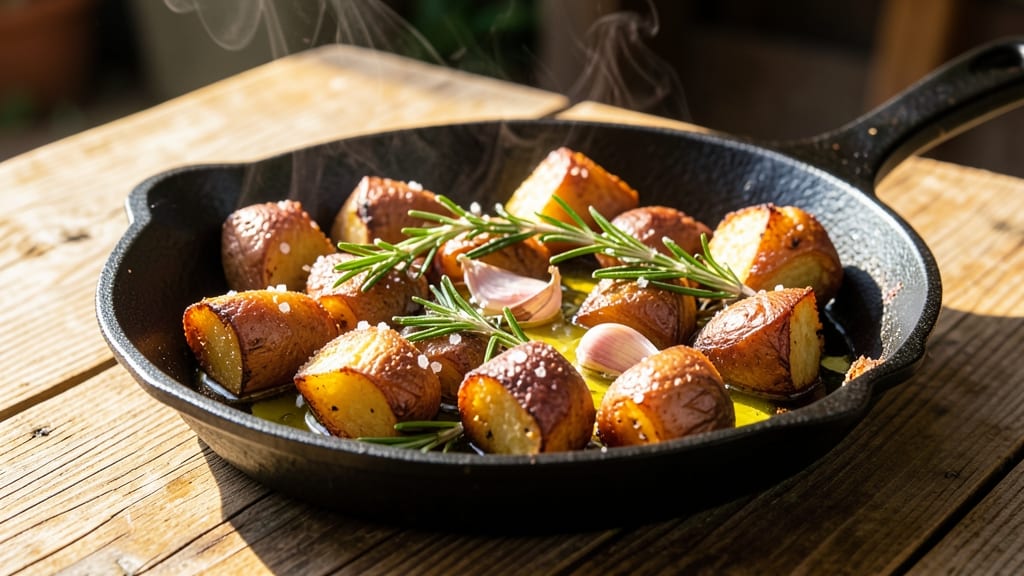
This harvest potatoes recipe transforms humble spuds into a caramelized masterpiece that rivals any restaurant side dish. The secret lies in parboiling and high-heat roasting, which develops deep, sweet flavors while creating crispy edges and fluffy interiors.
I’ve perfected this technique over years of testing—each batch delivers that perfect balance of texture and taste that keeps everyone coming back for seconds.
What sets this method apart is the focus on seasonal potatoes, which naturally develop more sugar when roasted. By parboiling them first, we lock in moisture while building a golden crust that’s impossible to resist.
The result is a dish that’s rich, satisfying, and versatile enough to pair with everything from roasted meats to hearty stews. No fancy techniques required—just patience and the right temperature.
The final product is a tray of perfectly roasted potatoes with caramelized edges that practically melt in your mouth. The aroma alone will have your kitchen smelling like a fall harvest, while the texture offers the ideal contrast between crispy skin and tender flesh.
This is the kind of side dish that elevates any meal, turning simple ingredients into something extraordinary.
Serve these potatoes with a dollop of butter, fresh herbs, or a rich gravy to complement their natural sweetness. They’re equally at home on a Thanksgiving table or a weeknight dinner, proving that great sides don’t require complicated recipes. Let’s get started on creating your own harvest-worthy potatoes.
Ingredients for harvest potatoes
Seasonal potatoes, olive oil, and a few simple spices create restaurant-worthy caramelized edges.
| Ingredient | Amount | Notes |
|---|---|---|
| Russet Potatoes 🥔 | 2 ½ lb | Cut into 2-inch chunks, skin on |
| Extra-Virgin Olive Oil 🫒 | ¼ cup | High quality, fruity variety |
| Kosher Salt 🧂 | 1 ½ tsp | Coarse grain preferred |
| Fresh Rosemary 🌿 | ¼ cup | Chopped, stems removed |
| Garlic Cloves 🧄 | 4 cloves | Minced, skin on for flavor |
| Unsalted Butter 🧈 | 4 tbsp | Cold, cubed for finishing |
| Fresh Thyme Leaves 🌿 | ⅛ cup | Or 1 tsp dried thyme |
| Black Peppercorns 🌶️ | ½ tsp | Freshly cracked |
| Brown Sugar 🍯 | 1 tbsp | Lightly packed |
| Apple Cider Vinegar 🍎 | 1 tsp | For bright acidity |
| Maple Syrup 🍁 | 1 tbsp | Pure grade B preferred |
| Balsamic Glaze 🍷 | 1 tbsp | For drizzling at end |
The potatoes make all the difference here. Russets are ideal—their high starch content gives that perfect crispy skin. Grab them from the produce section of your grocery store, ideally within a week of harvest for maximum sweetness. If you're at a farmers market, ask for the freshest ones—they'll taste like fall in every bite. For the best flavor, keep the skin on. It's where all the magic happens during roasting. If you're using pre-cut potatoes (like the bagged ones at Costco), give them a quick rinse to remove excess starch that can make them gummy.
No fresh rosemary? Dried works at half the amount, but fresh is worth hunting down—it adds that piney aroma that's key to harvest flavors. Short on time? Dried thyme and a pinch of sage can step in. The olive oil should be extra-virgin—cheap oil won't caramelize as beautifully. For the vinegar, apple cider is ideal, but white wine vinegar in a pinch. The maple syrup adds depth without overpowering—don't skip it, but if you're avoiding sugar, honey works too. And that balsamic glaze at the end? Store-bought works fine, but making your own by reducing balsamic vinegar is surprisingly easy (just simmer it down).
These potatoes reheat beautifully—just pop them in a 350°F oven for 10-15 minutes until crispy again. They're even better the next day, so make extra. For storage, keep them in an airtight container for up to 5 days. If you're prepping ahead, roast them just until tender (about 20 minutes), then store and finish under the broiler when ready to serve. The butter should be added fresh before serving—it melts into that crispy crust like magic. And trust me, the balsamic glaze at the end is worth the extra minute (or two).
Why You'll Love This Recipe
- One-Pan Magic: I swear by this recipe when I’m too tired to scrub a million dishes—just toss those Russets in one pan with oil, salt, and rosemary, then roast. The crispy edges and golden skin? All while the kitchen stays cleaner than a Sunday morning.
- Herb-Packed Punch: That first whiff of garlic and rosemary hitting the oven? It’s like a flavor hug. The oil caramelizes into something dangerously good—crispy outside, fluffy inside, with just enough herby bite to make you reach for seconds.
- Leftovers That Don’t Suck: Honestly, I make a double batch because these potatoes reheat like a dream. Cold or warm, they’re still solid—perfect for lunches, salads, or even a lazy Friday breakfast. No sad, dry reheats here.
- Budget Booster: Russets are cheap, and a handful of garlic cloves and a sprig of rosemary stretch forever. This recipe feeds four for under $3, and the leftovers? Even better. My wallet and my family win every time.
Step-by-step instructions for roasted potatoes with caramelized sweetness
Here's how to transform simple russet potatoes into a sweet, caramelized masterpiece with minimal effort.
Prep and Season the Potatoes
Cut the 2.5 lb russet potatoes into 2-inch chunks, keeping the skin on for texture. Spread them on a baking sheet and let them sit uncovered for 15 minutes at room temperature. This step prevents steaming when they hit the oven.
In a small bowl, mix together the 0.25 cup chopped fresh rosemary, 0.125 cup fresh thyme leaves, 0.5 tsp freshly cracked black peppercorns, 1 tbsp brown sugar, and 1.5 tsp kosher salt. This herb-sugar-spice blend is what transforms ordinary potatoes into something extraordinary.
Roast Until Golden and Crisp
Preheat your oven to 425°F. Toss the potato chunks with the 0.25 cup extra-virgin olive oil until they're evenly coated. Spread them in a single layer on a rimmed baking sheet, leaving space between each piece for air circulation.
Roast for 25 minutes, stirring once halfway through. You're looking for potatoes that are golden brown and starting to crisp up. Here's the thing—don't peek too early. Every time you open the oven, you lose heat and extend cooking time.
Add Aromatics and Sweet Glaze
After 25 minutes, remove the potatoes from the oven and increase the heat to 450°F. Sprinkle the minced 4 garlic cloves evenly over the potatoes, then drizzle with the 1 tsp apple cider vinegar and 1 tbsp maple syrup. Toss everything together to coat the potatoes completely.
Return to the oven and roast for another 15-20 minutes until the potatoes are deeply caramelized and the edges are crispy. The vinegar and maple syrup create a beautiful glaze that balances the earthy flavors with just the right amount of sweetness.
Finish with Butter and Balsamic
Remove the potatoes from the oven and let them cool for 2 minutes. Then, sprinkle the 4 tbsp cold cubed unsalted butter over the top. Watch as it melts and creates a golden sheen—this is where the magic happens.
Drizzle with the 1 tbsp balsamic glaze and toss gently to distribute. The contrast of the sweet glaze with the savory butter creates a flavor explosion in every bite. Serve immediately while still hot and crispy—these potatoes won't wait!
Pro Tips For Making Harvest Potatoes
- CUT UNIFORMLY, COOK EVENLY: Russets are stubborn—uneven chunks mean some parts turn to mush while others stay raw. Grab a chef’s knife and slice them into ½-inch rounds, then cut each round into quarters. No, it’s not fancy, but it guarantees consistent doneness every time.
- SALT THE POTATOES BEFORE COOKING: I learned this the hard way—salting after roasting just seasons the outside. Toss the sliced Russets with 1 teaspoon of kosher salt right after cutting, then let them sit for 10 minutes. The salt draws out moisture, which crisps them up beautifully when they hit the oven.
- DON’T CROWD THE PAN: Overlapping potatoes steams them instead of browning. Spread them in a single layer, no more than 1-inch apart, and resist the urge to shuffle them around. If your pan’s too small, roast in batches—golden, crispy skins aren’t worth the shortcut.
- TOSS WITH OIL AND HERBS AFTER SALTING: Drizzle the potatoes with olive oil after they’ve sweated from the salt, then fold in the rosemary and garlic. The oil clings better, and the herbs stick to each slice instead of pooling at the bottom. Pro move: Use your hands—it coats everything more evenly than a fork ever will.
Troubleshooting this dish
Potatoes Staying Too Soft
If your potatoes turn out mushy instead of crispy, you're likely dealing with excess moisture. First, make sure you're using Russet potatoes—their high starch content is perfect for crispy skins.
Before roasting, spread the cut potatoes on a baking sheet and let them sit for 15 minutes at room temperature to evaporate excess moisture. Also, avoid overcrowding the pan—leave at least ½ inch between each piece for proper air circulation. 🌡️
Another common issue is under-roasting. If your oven runs hot, increase the temperature to 450°F for the final 15 minutes to ensure a crispy crust. I’ve found that a wire cooling rack placed over a baking sheet helps draw moisture away, creating even crispier results.
For extra insurance, pat the potatoes dry with a kitchen towel before tossing them in oil.
Uneven Caramelization
Uneven browning usually means your potatoes aren’t getting enough heat exposure. Start by tossing them in extra-virgin olive oil—cheap oil won’t caramelize as well. Spread them in a single layer on your baking sheet, leaving space between each piece.
If your oven has hot spots, rotate the pan halfway through roasting to ensure even cooking. 🔥
For deeper caramelization, boost the sweetness by adding 1 tbsp brown sugar to your seasoning mix. The sugar helps create a richer, darker crust.
If your potatoes are browning too quickly on top but staying raw inside, lower the oven temperature to 425°F and increase roasting time by 5-10 minutes. Patience is key—rushing the process leads to uneven results.
Bitter or Off Flavors
If your potatoes taste bitter, they might be too old or stored improperly. Freshly harvested potatoes develop more natural sweetness when roasted. If you’re using store-bought, look for firm, unblemished Russets—avoid any with green spots or soft patches.
The apple cider vinegar and maple syrup in the glaze help balance flavors, so don’t skip them. 🍎
Another culprit could be overcrowding the pan, which traps steam and steams the potatoes instead of roasting them. This can mute flavors and make them taste bland.
For extra depth, add 1 tsp smoked paprika to your seasoning mix—it adds a subtle smokiness that complements the natural sweetness of the potatoes.
Sticky or Gummy Texture
Gummy potatoes often result from too much moisture or not enough oil. Make sure your potatoes are thoroughly coated in 0.25 cup olive oil—this creates a barrier that prevents sticking.
If you’re parboiling the potatoes first (as some recipes suggest), do it for only 5-7 minutes to avoid breaking them down too much. Drain them well and let them dry completely before roasting. 🥔
For a foolproof method, try tossing the potatoes in oil twice—once before the initial roast and again after adding the garlic and glaze. This double-coating ensures a crispy exterior. If your potatoes still turn out sticky, increase the roasting time by 5 minutes to evaporate any lingering moisture.
Nutrition facts
Frequently asked questions
What's the best potato variety for this harvest recipe?
Russet potatoes are ideal—their high starch content creates that perfect crispy skin while staying fluffy inside. For even better flavor, use freshly harvested potatoes from your garden or a farmers market. If you can't find Russets, Yukon Golds work in a pinch, though they'll be slightly creamier rather than crispy.
Can I make this recipe ahead of time?
Roast the potatoes until just tender (20 minutes at 425°F), then store in an airtight container. Reheat in a 350°F oven for 10-15 minutes, adding fresh butter and balsamic glaze at the end. They actually taste better the next day—the flavors deepen as they sit.
Why do you parboil potatoes before roasting?
Parboiling (5-7 minutes in boiling water) locks in moisture while building a better crust. Without it, the outer layers can dry out too quickly, leaving the inside undercooked. Drain and pat them completely dry before roasting to prevent steaming.
What if I don't have fresh rosemary?
No problem! Use 1 tsp dried rosemary or substitute with 1 tsp dried thyme + ½ tsp dried sage. For extra depth, add ½ tsp smoked paprika—it enhances the harvest flavors beautifully. The key is balancing earthy and sweet notes in your seasoning.
How do I know when the potatoes are perfectly crispy?
Look for deep golden-brown edges with slight charring. The interior should be tender when pierced with a fork (no resistance). If they're browning too fast, lower the oven to 400°F and roast longer. The final test: a crispy skin that shatters when you bite in!