Side Dishes
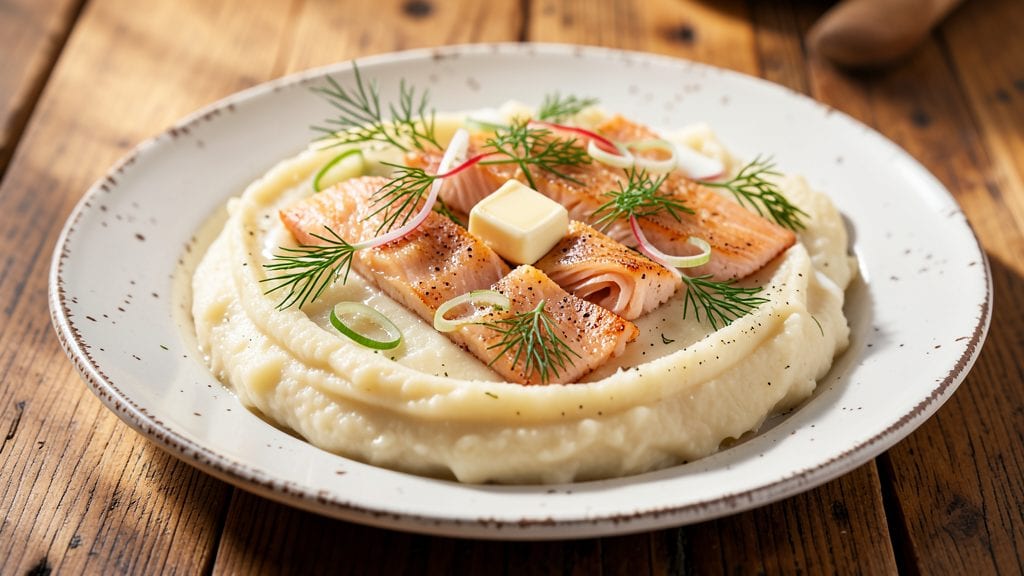
This canned salmon mashed potatoes recipe transforms a pantry staple into a protein-packed side that’s creamy, flavorful, and ready in under 30 minutes. The secret lies in flaking the salmon directly into the potatoes, where its rich, briny notes infuse every bite with omega-3 goodness—no fancy prep required.
I developed this dish after realizing how often canned salmon gets overlooked in home cooking, and it’s become a game-changer for quick yet nutritious meals.
The beauty of this recipe is its simplicity: just four core ingredients—potatoes, canned salmon, butter, and milk—come together to create a velvety texture with a subtle, savory depth. Unlike traditional mashed potatoes, the salmon adds a satisfying protein boost without altering the dish’s comforting creaminess.
The flaking technique ensures even distribution, so every spoonful delivers that perfect balance of buttery richness and oceanic freshness.
What you’ll end up with is a side that’s elegant enough for dinner parties but quick enough for weeknight dinners—golden, smooth, and topped with a sprinkle of fresh dill or green onions for brightness.
The salmon’s natural oils keep the potatoes moist, while the seasoning ensures a flavor profile that’s far more complex than basic mashed potatoes. This isn’t just a side; it’s a complete, protein-rich meal in one bowl.
Serve alongside grilled vegetables, roasted chicken, or even a simple salad to round out a balanced plate. The recipe scales effortlessly, making it ideal for small gatherings or meal prep. Let’s get started—your taste buds (and omega-3 intake) will thank you.
Ingredients for canned salmon mashed potatoes
Four core ingredients transform basic mashed potatoes into a protein-rich, omega-3 packed side dish.
| Ingredient | Amount | Notes |
|---|---|---|
| Russet Potatoes 🥔 | 2 lbs | Medium size, peeled and cubed |
| Canned Salmon 🐟 | 2 cans | Wild-caught, drained and flaked |
| Unsalted Butter 🧈 | ½ cup | Cold, cut into small pieces |
| Whole Milk 🥛 | ½ cup | Full-fat for creaminess |
| Fresh Dill 🌿 | ¼ cup | Chopped, for garnish |
| Green Onions 🧅 | 3 whole | Sliced, for garnish |
| Kosher Salt 🧂 | 1 tsp | Adjust to taste |
| Black Pepper 🌶️ | ½ tsp | Freshly ground |
| Lemon Juice 🍋 | 1 tbsp | Freshly squeezed |
| Heavy Cream 🥛 | ¼ cup | Optional, for extra richness |
| Garlic Powder 🧄 | ½ tsp | For subtle depth |
The potatoes are the foundation—Russet potatoes work best for their fluffy texture. Grab the medium-sized ones from the grocery store produce section, not the pre-cut bags. If you're short on time, microwave them first before boiling to cut prep time in half. For the salmon, wild-caught is ideal, but any good-quality canned salmon will work. Trader Joe's and Wild Planet brands are my go-tos—they flake easily and have minimal additives. Avoid the 'salmon loaf' style; you want the chunky kind for even distribution. The butter should be cold when you add it to the potatoes—this ensures smooth, creamy results without breaking the emulsion.
No fresh dill? Dried dill at one-third the amount works in a pinch, but fresh is worth hunting down at the market. Green onions can be swapped for chives if you prefer, but the mild onion flavor pairs perfectly with the salmon. The lemon juice brightens the dish and cuts through the richness—freshly squeezed is best, but bottled works if it's labeled 'real lemon juice'. For extra richness, the heavy cream is optional but recommended if you're serving this as a main. If you're avoiding dairy, unsweetened almond milk can replace the milk, though the texture will be slightly lighter. The garlic powder adds depth without overpowering—no need to toast it unless you're feeling fancy.
This dish reheats beautifully—microwave for 1-2 minutes with a splash of milk to restore creaminess. Store leftovers in an airtight container for up to 4 days in the fridge, or freeze for 3 months. For meal prep, portion into single-serving containers before freezing. The salmon's natural oils help keep the potatoes moist even after reheating. Garnish with extra dill and green onions right before serving to keep everything vibrant. Double the batch for dinner parties—it disappears fast!
Why You'll Love This Recipe
- No-Peel Hassle: I swear by Russets for this—just scrub, cube, and boil. No peeling, no fuss, and the skins add texture that makes it feel real, not lazy.
- Lunchbox Hero: Between us, these potatoes reheat like a dream for work lunches. Cold or warm, they hold up better than store-bought—plus, the salmon keeps them interesting for days.
- Budget Luxury: A single can of salmon stretches to feed four, and Russets are cheaper than fingerling potatoes. Honestly, it’s one of those recipes where the ingredients cost less than takeout, but the result feels way fancier.
Step-by-step instructions for canned salmon mashed potatoes
Here's how to create velvety mashed potatoes infused with rich salmon flavor using just one bowl.
Boil the Potatoes Until Fork-Tender
Place the peeled and cubed russet potatoes in a large pot and cover with cold water by about 2 inches. Add 1 teaspoon kosher salt and bring to a boil over high heat. Once boiling, reduce heat to medium-high and cook for 15-20 minutes until a fork slides in easily with minimal resistance.
Drain the potatoes thoroughly in a colander for 2 minutes, shaking gently to remove excess water. The potatoes should feel warm but not wet when squeezed. If they're still damp, return them to the pot and heat on low for 1-2 minutes while you prepare the salmon mixture—this ensures perfectly smooth mashed potatoes without adding extra liquid later.
Prepare the Salmon Mixture
In a medium bowl, combine the drained and flaked canned salmon with 0.5 cup whole milk, 0.25 cup heavy cream, 1 tablespoon lemon juice, 0.5 teaspoon garlic powder, 0.5 teaspoon black pepper, and 0.5 teaspoon kosher salt. Use a fork to break up any remaining salmon chunks, then mash lightly to create a rough puree.
This mixture should be thick but still pourable—it will blend seamlessly with the potatoes. The lemon juice brightens the salmon flavor while the cream adds luxurious richness. If the mixture seems too thick, add 1 tablespoon whole milk to loosen it slightly before combining with the potatoes.
Mash the Potatoes with Salmon Mixture
Return the drained potatoes to the pot and add the 0.5 cup cold unsalted butter in small pieces. Using a potato masher or ricer, mash the potatoes until mostly smooth with a few small lumps remaining. This texture creates the perfect balance of creaminess and bite.
Gradually add the salmon mixture while continuing to mash, incorporating it evenly. The potatoes should absorb the salmon flavor completely, resulting in a golden, creamy mash. If the mixture is too thick, add 1-2 tablespoons whole milk at a time until reaching your desired consistency. Real talk: don't overmix—just combine until fully integrated.
Season and Garnish to Perfection
Transfer the mashed potatoes to a serving bowl and stir in the chopped fresh dill and sliced green onions. Taste and adjust seasoning with additional kosher salt or black pepper if needed. The dill adds a bright, herby note that complements the salmon beautifully.
For presentation, create swirls in the mashed potatoes using a spoon, then sprinkle with additional chopped dill and green onions. Serve immediately while warm, as these potatoes taste best fresh from the pot. The salmon flavor will be subtle but noticeable in every bite, making this a protein-packed twist on classic mashed potatoes.
Pro Tips For Making Canned Salmon Mashed Potatoes
- BOIL POTATOES IN SKIN: After peeling, leave the skins on—yes, even for mashed potatoes. They help lock in moisture and save time (no need to peel after boiling). Just give them a quick rinse first to remove dirt, then boil whole until fork-tender. I learned this the hard way when my potatoes turned out gluey from over-mashing after peeling too early.
- DRAIN AND SHOCK POTATOES: Once boiled, drain the potatoes and immediately plunge them into ice water for 2-3 minutes. This stops the cooking process, makes peeling easier if needed, and keeps them from turning to mush when you’re ready to mash. (Pro move: Do this right before mashing—no waiting.)
- USE COLD SALMON: Take the canned salmon straight from the fridge—cold salmon melts into the potatoes more evenly than room-temperature. Flake it by hand (no forks) and mix it in while the potatoes are still warm but not piping hot. This keeps the texture creamy without breaking up the salmon into tiny, unappetizing bits.
- SALT THE MILK: Season the whole milk with a pinch of salt (about ¼ teaspoon per cup) before adding it to the potatoes. The milk carries flavor directly into the mash, and it’s way easier than trying to adjust salt later when the butter’s already mixed in. (Trust me, your taste buds will notice.)
Flavor customization for this canned salmon mashed potatoes
Citrus Brightness Boost
Add 1 extra tablespoon of lemon juice or swap in 1 teaspoon orange zest for a zesty twist. The citrus cuts through the richness while enhancing the salmon’s natural brininess. I also like adding ½ teaspoon grated lemon zest directly to the mashed potatoes for a fragrant aroma.
For a tropical vibe, try lime juice instead—it pairs surprisingly well with the creamy texture. 🍋
Herb Variations
Swap out the dill for other fresh herbs like chives or parsley for a milder flavor. For a Mediterranean touch, add ½ teaspoon dried oregano with the garlic powder.
If you love heat, stir in ½ teaspoon hot sauce or a pinch of cayenne pepper—it’s a surprisingly delicious contrast to the salmon’s richness. Fresh herbs should always be added after mashing to preserve their bright flavors.
Smoky Depth
Add ½ teaspoon smoked paprika or ¼ teaspoon liquid smoke to the salmon mixture for a campfire-inspired twist. This works especially well if you’re serving these mashed potatoes alongside grilled meats or roasted vegetables.
For an extra layer of complexity, toast 1 teaspoon sesame seeds in a dry skillet until golden and sprinkle them on top before serving. The nutty, toasted flavor adds unexpected texture. 🔥
Cheesy Upgrade
Fold in ¼ cup shredded sharp cheddar or cream cheese while mashing for a decadent twist. The cheese melts into the potatoes, creating a velvety texture with a tangy kick. For a lighter option, use ricotta cheese—it adds creaminess without overpowering the salmon.
If you’re feeling fancy, try goat cheese crumbles for a sophisticated flavor profile. Always melt the cheese gently with the warm potatoes to avoid clumping.
Spicy Kick
Add 1 teaspoon sriracha or ½ teaspoon gochujang to the salmon mixture for a subtle heat that lingers. For a smoky-spicy combo, mix ½ teaspoon chipotle powder with the garlic powder.
If you love bold flavors, top with crushed red pepper flakes before serving. The heat balances the creamy potatoes beautifully, making every bite exciting. 🌶️
Umami Enhancers
Stir in 1 teaspoon fish sauce or ½ teaspoon soy sauce to deepen the salmon’s oceanic flavor. For a vegetarian-friendly boost, add 1 teaspoon nutritional yeast—it adds a cheesy, savory note without dairy.
A dash of Worcestershire sauce also works wonders, especially if you’re serving this with grilled meats. These umami-rich additions elevate the dish from simple to restaurant-worthy in seconds.
Nutrition facts
Frequently asked questions
Can I use canned salmon from any brand?
For best results, choose wild-caught canned salmon with minimal additives. Brands like Wild Planet or Trader Joe's flake easily and provide rich flavor. Avoid salmon loaf-style cans—the chunky variety blends better into the potatoes.
How do I make these extra creamy?
Add 2 tablespoons extra heavy cream or replace milk with ½ cup half-and-half. For a dairy-free option, use full-fat coconut milk instead. Warm the potatoes slightly longer to release more starch, which naturally thickens the mixture.
What if my mashed potatoes are too watery?
Drain the potatoes longer in a colander or heat them uncovered for 2-3 minutes after draining. For extra insurance, mash in 1 tablespoon cornstarch mixed with 1 tablespoon cold water. Never add raw flour—it can develop a bitter taste.
Can I make this ahead of time?
Yes! Prepare the mashed potatoes up to 2 days ahead and store in an airtight container. Reheat in the microwave with 1 tablespoon milk to restore creaminess. For best texture, finish with fresh dill and green onions right before serving.
What's the best way to serve these?
Pair with grilled salmon, roasted asparagus, or a simple green salad. For a complete meal, serve with steamed broccoli and a drizzle of lemon. The salmon flavor makes it hearty enough to stand alone as a main dish for lighter meals.