
Side Dishes
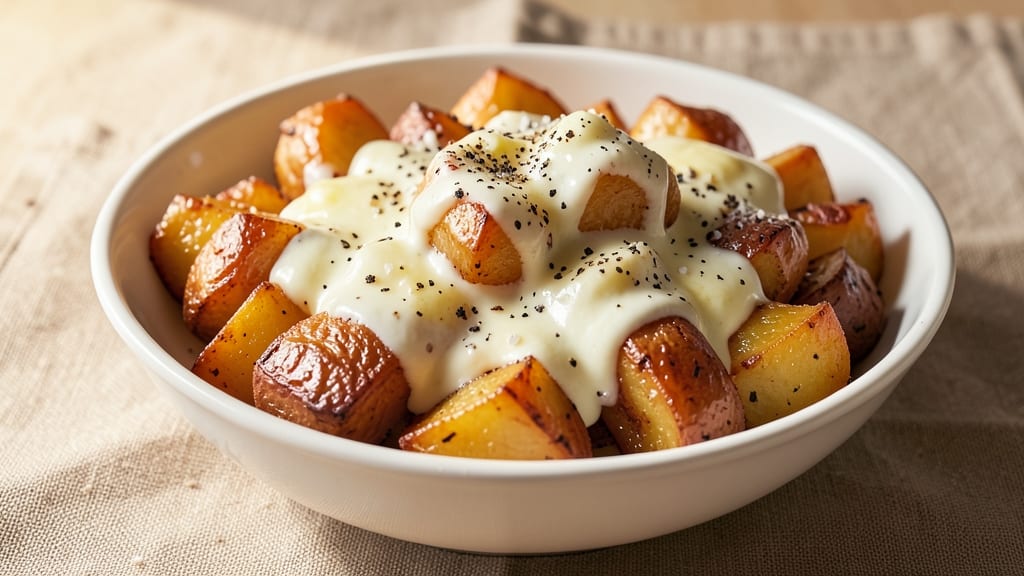
This buttered potatoes recipe transforms humble spuds into velvety, golden clouds that melt in your mouth with every forkful. The secret lies in a precise balance of butter, creaminess, and high heat—creating a dish so rich and satisfying it deserves its own spot on the table.
I’ve perfected this method over years of testing, ensuring the potatoes stay tender while developing a crispy, buttery crust that’s impossible to resist.
What makes this recipe truly special is its simplicity and versatility—just five key ingredients come together in one pan for foolproof results. Whether you’re serving them alongside roasted chicken, steak, or as a standalone side, these potatoes deliver restaurant-quality texture and flavor without the fuss.
The process is straightforward: parboil, roast, and toss with butter until golden and irresistible.
By the end, you’ll have perfectly creamy potatoes with a luxurious buttery finish that clings to every bite. The aroma alone will have everyone at the table asking for seconds, and the texture—tender yet slightly crisp—is exactly what elevates a simple side dish into something extraordinary.
Ready to master this timeless classic?
This method works equally well for holiday dinners or weeknight meals, and optional additions like garlic or herbs can customize the flavor to your taste. Let’s get started on creating the creamiest buttered potatoes you’ve ever made.
Ingredients for buttered potatoes
Five ingredients. One pan. Creamy, golden clouds that'll have everyone asking for seconds.
| Ingredient | Amount | Notes |
|---|---|---|
| Russet Potatoes 🥔 | 2 lbs | Cut into 1.5-inch chunks, uniform size |
| Unsalted Butter 🧈 | ½ cup | Cold, cubed for best texture |
| Heavy Whipping Cream 🥛 | ¼ cup | Full-fat for richness |
| Salt 🧂 | 1 ½ tsp | Kosher or sea salt |
| Freshly Ground Black Pepper 🌶️ | ½ tsp | Freshly cracked for flavor |
Russets are your best bet here—they're waxy and hold up to roasting without turning gluey. Costco or Trader Joe's usually have them pre-washed for convenience, but if you're buying regular, scrub them well under cold water. Look for potatoes that feel firm and heavy for their size—those are the good ones. Cutting them evenly (about 1.5 inches) ensures they cook at the same rate. I always toss them in cold water after cutting to keep them from browning while I prep the rest. The butter? Plugrá or Land O'Lakes work great, but if you've got a fancy European brand, go for it—just make sure it's cold when you add it later.
No heavy cream? Half-and-half or whole milk will work in a pinch, but the texture won't be quite as luxurious. Short on butter? Olive oil or bacon fat adds richness too, though the flavor will shift. The salt is where you can play—if you're using a salt with large crystals (like Maldon), you might want to use a bit less since they dissolve slower. Freshly ground pepper is non-negotiable here—pre-ground tastes like sawdust. Want to kick it up? A garlic clove smashed into the butter cubes before adding them takes this to the next level. Or toss in a pinch of fresh rosemary or thyme if you've got it—just don't overdo it.
These reheat like a dream—just pop them in the oven at 350°F for 10 minutes with a splash of milk or cream to revive the creaminess. Store leftovers in an airtight container for up to 4 days, though I've never had them last that long. The best part? They taste even better the next day as the flavors meld. Double the recipe if you're feeding a crowd—it's hard to make too many. Leftovers freeze beautifully too, though the texture gets a little softer after thawing. Just toss them in the oven to crisp up before serving.
Why You'll Love This Recipe
- One-Pot Magic: I swear by this—just peel, cube, and toss into boiling water. No chopping boards, no extra pans, just pure simplicity. The Russets break down into fluffy clouds while the butter and cream melt into them like a warm hug.
- Creamy Luxury: That first bite of buttery potatoes with the richness of heavy cream? It’s the kind of comfort food that makes you pause mid-bite. Honestly, I’ve made fancier sides, but this always wins.
- Weeknight Workhorse: Game day? Pasta night? This dish pairs with everything—steaks, sandwiches, even a simple salad. I keep a big batch in the fridge because it’s my go-to when I’m too tired to plan.
- Budget Bliss: Russets are cheap, butter stretches far, and leftovers reheat like a dream. Between us, this is how I feed my family for under $10 and still feel like I’m serving restaurant-quality food.
Step-by-step instructions for buttery-creamy clouds in one pan
Here's how to turn simple russet potatoes into velvety, melt-in-your-mouth perfection.
Prep the Potatoes for Even Cooking
Start by cutting the 2 lbs russet potatoes into 1.5-inch chunks, keeping them uniform in size. This ensures they cook at the same rate and absorb the buttery cream evenly. I like to use a sharp chef's knife for this—it gives you cleaner cuts and prevents the potatoes from breaking into uneven pieces.
Place the cut potatoes in a large bowl and toss them with 1.5 tsp salt and 0.5 tsp freshly ground black pepper. The salt will penetrate the potatoes as they cook, while the pepper adds a subtle warmth that balances the richness. Don't skip this step—seasoning early ensures every bite is perfectly flavored.
Parboil the Potatoes for Creamy Texture
Fill a large pot with 4 quarts of cold water and bring it to a boil over high heat. Add the seasoned potatoes and cook for 8-10 minutes until they're fork-tender—you should be able to pierce them easily with a fork, but they shouldn't fall apart completely. This partial cooking step prevents the potatoes from turning mushy later.
Drain the potatoes in a colander and give them a quick rinse under cold water to stop the cooking process. This also removes any excess starch that could make the final texture gummy. Shake the colander gently to remove as much water as possible before transferring the potatoes to your baking dish.
Create the Buttery Cream Mixture
In a small bowl, melt the 0.5 cup unsalted butter (cubed) in the microwave in 20-second intervals, stirring between each interval until fully melted. This gentle melting preserves the butter's flavor and prevents it from becoming greasy. Stir in the 0.25 cup heavy whipping cream until smooth—this creates the rich, velvety base for your potatoes.
Pour this creamy mixture over the drained potatoes in your baking dish, making sure to distribute it evenly. The butter should coat the potatoes completely, and you should see a thin layer of cream pooling at the bottom. This is what will transform your potatoes from simple sides to luxurious clouds.
Bake Until Golden and Creamy
Preheat your oven to 400°F and spread the buttered potatoes in a single layer on a rimmed baking sheet. The single layer ensures even browning and prevents steaming, which can make the potatoes soggy. Bake for 25-30 minutes, stirring halfway through, until the potatoes are golden brown on top and the edges are slightly crispy.
Here's the thing—you want the potatoes to be tender but not falling apart. They should hold their shape when pierced with a fork, with a creamy interior that's almost like mashed potatoes. The top should have a beautiful golden crust, while the bottom remains soft and buttery. If you're unsure, cut into one—it should be creamy inside with a slight resistance.
Rest and Serve Warm
Let the baked potatoes rest for 5 minutes before serving. This resting time allows the creamy sauce to fully absorb into the potatoes, ensuring each bite is rich and velvety. Don't skip this step—it makes a world of difference in the final texture.
Serve immediately while still warm. The contrast of the crispy golden top with the creamy interior is what makes these potatoes so special. They're perfect as a side dish for steak, chicken, or even on their own as a comforting meal. The buttery cream flavor will have you coming back for seconds!
Pro Tips For Making Buttered Potatoes
- Parboil First: Drop peeled Russets into boiling salted water for 5 minutes before roasting or boiling—this guarantees they finish tender without turning gummy. I learned this the hard way when I skipped it and ended up with mealy potatoes that soaked up all the cream instead of staying creamy.
- Use Cold Butter: Cut unsalted butter into chunks and add it cold to the warm potatoes at the end—it melts faster and coats every surface evenly. My grandmother swore by this, and she was right: the sauce thickens better when the butter comes in chilled.
- Don’t Overcrowd the Pan: If roasting, spread potatoes in a single layer with space between them—otherwise, they steam instead of crisp. I was skeptical until I tried it: the edges get golden, and the centers stay fluffy, so every bite has texture.
- Salt the Cream: Mix a pinch of salt directly into the heavy whipping cream before adding it to the potatoes—it dissolves fully and seasons the sauce from the start. Sounds weird, but it works: no clumpy salt crystals in your final dish.
Perfect pairings for this buttered potatoes
Classic Protein Pairings
These buttery clouds shine alongside rich, hearty proteins like grilled ribeye steak or herb-roasted chicken. The creamy texture contrasts beautifully with the smoky char of steak or the tender juiciness of chicken.
I always serve them with a garlic butter sauce drizzled over the top for an extra layer of flavor. For a lighter option, pair with pan-seared salmon—the buttery potatoes complement the fish's delicate flavor without overpowering it. 🥩
Vegetable Complements
Bright, fresh vegetables cut through the richness perfectly. A simple sautéed green bean salad with lemon zest and toasted almonds adds a pop of color and acidity. I also love roasted asparagus with lemon and Parmesan—the crisp-tender texture balances the potatoes' creaminess.
For a heartier side, roasted Brussels sprouts with bacon and balsamic glaze create a flavorful contrast that keeps the meal exciting. 🥦
Bread and Dipping Options
Serve with crusty sourdough bread or garlic focaccia for scooping up extra buttery goodness. A side of warm dinner rolls with herb butter lets guests customize their experience.
For dipping, a small bowl of warm chicken or beef broth enhances the flavor profile—just a quick dip restores the creamy richness if the potatoes cool slightly. 🍞
Cheese and Charcuterie Additions
Elevate the dish with a sharp cheddar or Gruyère on the side—guests can sprinkle it over their potatoes for a savory boost. A few slices of prosciutto or salami add a salty crunch that pairs wonderfully.
For a vegetarian spread, include marinated artichokes and olives to create a full charcuterie-style experience that complements the buttery potatoes beautifully. 🧀
Sauce and Garnish Finishes
Finish with a drizzle of truffle oil or brown butter for a gourmet touch. Fresh chives or parsley add a bright, herbaceous note that cuts through the richness. A sprinkle of smoked paprika or crushed red pepper flakes introduces subtle heat for those who love a little kick.
These final touches take your buttered potatoes from simple side to showstopper. 🌿
Nutrition facts
Frequently asked questions
Can I use Yukon Gold potatoes instead of Russets?
Yes, but the texture will be slightly different. Yukon Golds are waxier and hold their shape better, making them ideal for a creamier, less fluffy result. For the classic buttery clouds, Russets are preferred—they break down more during cooking, creating that melt-in-your-mouth consistency. If you choose Yukons, parboil them for 5-7 minutes instead of 8-10 minutes to avoid overcooking.
Why did my buttered potatoes turn out dry?
Overcooking or skipping the parboiling step usually causes dryness. Always parboil the potatoes first to soften them, then bake to develop the crispy crust. If they still seem dry, toss them with an extra 1 tablespoon of warm heavy cream or a pat of butter after baking to restore moisture. The oven temperature should be 400°F—any higher risks burning the exterior before the interior cooks through.
Can I make this recipe ahead of time?
These potatoes reheat beautifully. Store leftovers in an airtight container for up to 4 days in the fridge. To reheat, cover with foil and bake at 350°F for 10-15 minutes, then uncover and broil for 2 minutes to crisp the top. For freezing, spread cooled potatoes on a tray to freeze solid, then transfer to a bag for up to 3 months. Thaw overnight in the fridge before reheating.
What’s the secret to extra crispy edges?
The key is baking in a single layer on a rimmed sheet pan—this allows air to circulate and creates those golden, crispy edges. Spread the potatoes evenly and avoid overcrowding. For extra crispiness, broil for 1-2 minutes at the end of baking, watching closely to prevent burning. A light spray of olive oil before baking also helps develop a crispier crust.