
Side Dishes
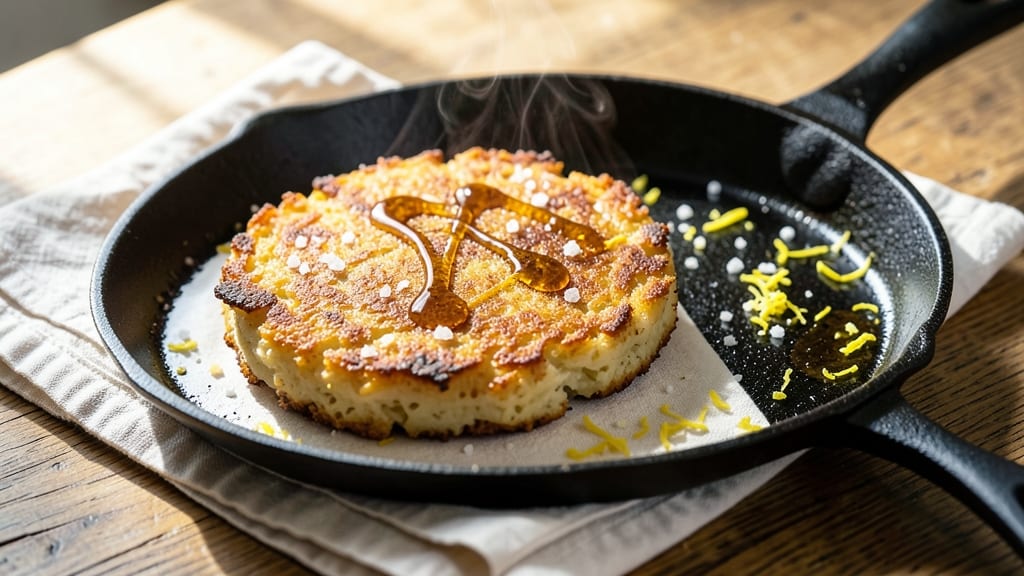
This basic potato latke recipe delivers the perfect balance of crispy edges and tender centers—just like your favorite Hanukkah tradition. The secret lies in proper potato preparation and cornmeal for that signature crunch, while a touch of vinegar keeps them golden and crispy every time. I've perfected this method after years of testing, ensuring your latkes stay light and never soggy.
What sets these latkes apart is the careful draining of excess moisture from grated potatoes, which guarantees a crispy exterior without compromising the tender interior. Using a mix of cornmeal and flour creates that ideal texture, while a pinch of salt and pepper keeps flavors balanced.
The golden vinegar kiss comes from a simple post-fry step that elevates them from good to unforgettable.
By the time you flip the last latke, you'll have a plate of perfectly golden, crispy pancakes with a satisfying crunch that gives way to fluffy potato centers. The aroma alone will bring back memories of holiday gatherings, but with a professional touch that makes them shine at any table.
Serve with traditional toppings like sour cream or applesauce for the full experience.
This recipe is designed to be your go-to for crispy latkes—whether you're hosting a celebration or simply craving a taste of comfort. The method is straightforward, but the results are restaurant-quality, proving that homemade can truly outshine takeout. Let's get started on creating your perfect batch.
Ingredients for basic potato latke
Two pounds of potatoes, a handful of pantry staples, and you're on your way to crispy perfection.
| Ingredient | Amount | Notes |
|---|---|---|
| Russet Potatoes 🥔 | 2 lb | Peeled, grated on fine side |
| All-Purpose Flour 🌾 | ¼ cup | For binding texture |
| Yellow Cornmeal 🌽 | ¼ cup | For signature crunch |
| Large Eggs 🥚 | 1 whole | Beaten lightly |
| Granulated Sugar 🍚 | 1 tbsp | Balances flavors |
| Salt 🧂 | 1 ½ tsp | Kosher or sea salt |
| Ground Black Pepper 🌶️ | ½ tsp | Freshly cracked |
| White Vinegar 💧 | 1 tbsp | For golden finish |
| Vegetable Oil 🫒 | 2 cups | For frying (peanut oil preferred) |
| Fresh Parsley 🌿 | 0.1 cup | Chopped, for garnish (optional) |
| Sour Cream 🥛 | ½ cup | For serving (optional) |
| Applesauce 🍎 | ½ cup | For serving (optional) |
Russet potatoes are your best bet—they're starchy and hold up perfectly when grated. Organic potatoes from Trader Joe's work great, but any russet will do. Peel them first, then grate them on the fine side of a box grater. The key is to squeeze out as much moisture as possible using a clean kitchen towel or cheesecloth—this is what keeps your latkes crispy. I like to do this over the sink so I can easily wring out the excess water. If you're short on time, pre-peeled frozen grated potatoes (like Idahoan brand) work in a pinch, but drain them extra well since they hold more moisture.
No cornmeal? Semolina or fine polenta will give you that same signature crunch. Short on flour? Matzoh meal is perfect for latkes and adds a nice texture. The egg binds everything together, but if you're avoiding it, a flax egg works too (1 tbsp ground flax + 3 tbsp water). For the vinegar, white or apple cider both work—just don't skip it. That golden kiss is what makes these latkes shine. The oil matters too—peanut oil has the highest smoke point, but vegetable oil works fine. Just make sure it's enough to coat the bottom of your pan about 1/2 inch deep.
Latkes reheat beautifully—just pop them in a 350°F oven for 5-7 minutes to restore that crispy texture. Store leftovers in an airtight container in the fridge for up to 3 days, but honestly, they're best fresh. The sour cream and applesauce? Buy full-fat sour cream (like Breyers) for that creamy texture, and any unsweetened applesauce will do. If you're making these ahead, fry them and freeze on a wire rack before storing—reheat straight from frozen in the oven for the crispiest results.
Why You'll Love This Recipe
- The secret’s in the ratio: cornmeal keeps them golden, flour binds just right, and a quick fry delivers that perfect contrast—crunchy outside, pillowy inside. (Yes, even on a Tuesday night.)
- Five-Ingredient Magic: I swear by this list—no fancy prep, no hidden shortcuts. Russets, flour, cornmeal, eggs, and sugar are all you need, and honestly? That’s all you’ll ever want.
- Crispy-Creamy Payoff: The secret’s in the ratio: cornmeal keeps them golden, flour binds just right, and a quick fry delivers that perfect contrast—crunchy outside, pillowy inside. (Yes, even on a Tuesday night.)
- Crowd-Pleaser Flex: Serve them as appetizers with applesauce, a side dish with smoked salmon, or a full meal with sour cream and chives. My college friends still ask for this when they visit—no matter the occasion.
Step-by-step instructions for crispy potato latkes
Let's make golden, crunchy latkes with a perfect cornmeal crunch and vinegar kiss—every bite will be worth it.
Grate and Squeeze the Potatoes
Start by peeling the 2 lb russet potatoes and grating them on the fine side of a box grater. You'll end up with about 5 cups of grated potato. Place the grated potatoes in a clean kitchen towel or cheesecloth and gently squeeze out as much liquid as possible. This step is crucial—wet potatoes won't crisp up properly.
Work in batches if needed, but don't rush. I like to wring the towel like a sponge to get all the excess moisture out. The goal is to have potatoes that feel dry to the touch but still hold their shape. This ensures your latkes will be crispy on the outside and tender inside.
Mix the Batter for Perfect Texture
In a large bowl, combine the squeezed potatoes with 0.25 cup all-purpose flour, 0.25 cup yellow cornmeal, 1 whole large egg, 1 tbsp granulated sugar, 1.5 tsp salt, and 0.5 tsp ground black pepper. Mix gently with a wooden spoon or your hands until just combined—you're looking for a thick, shaggy texture, not a smooth batter.
Next, stir in 1 tbsp white vinegar. This might seem odd, but it's what gives latkes that signature golden color and crispy exterior. The vinegar reacts with the baking soda (if you're using it) or simply enhances browning. Let the batter rest for 5 minutes while you heat the oil—this helps the cornmeal absorb any remaining moisture and prevents splattering when frying.
Heat the Oil to the Right Temperature
Fill a deep skillet or Dutch oven with 2 cups vegetable oil (or peanut oil if preferred) to a depth of about 1.5 inches. Heat the oil over medium heat until it reaches 350°F—this is critical. Use a deep-fry thermometer to check the temperature. If you don't have one, test the oil by dropping in a small piece of potato batter. If it sizzles and rises to the surface immediately, it's ready.
Keep the heat steady at 350°F. Too hot, and your latkes will burn on the outside before cooking through. Too cool, and they'll absorb too much oil and turn greasy. I like to maintain this temperature by adjusting the heat as needed—it's worth the attention to detail for that perfect crunch.
Fry Until Golden and Crispy
Using a spoon or ice cream scoop, drop 2-tablespoon portions of the potato batter into the hot oil. Fry in batches, leaving space between them so they don't stick together. The latkes will bubble vigorously at first, then settle as they cook. Fry for 3-4 minutes per side, turning once, until they're golden brown and deeply crispy.
Here's the thing—don't rush this step. You'll know they're done when the underside is golden and the edges are crisp. If they're not brown enough, they won't have that satisfying crunch. Drain the fried latkes on paper towels to remove any excess oil. They'll stay crispy as they cool, but serving them immediately is ideal.
Serve with Classic Toppings
Transfer the latkes to a serving platter and sprinkle with 0.1 cup chopped fresh parsley for a pop of color and freshness. Serve warm with 0.5 cup sour cream and 0.5 cup applesauce on the side. The sour cream adds a cool, creamy contrast to the crispy latkes, while the applesauce brings a touch of sweetness that balances the savory flavors.
For extra authenticity, dust them with a pinch of salt right before serving. The contrast of temperatures and textures—crispy latkes, cool sour cream, and smooth applesauce—makes every bite unforgettable. Enjoy them while they're hot, and don't be surprised if they disappear faster than you can say "Hanukkah favorite."
Pro Tips For Making Basic Potato Latke
- GRATE DRY, NOT WET: Russets release more water when grated fresh, and soggy latkes are a nightmare. After grating, dump the potatoes into a clean kitchen towel and squeeze out every last drop—yes, even if it feels excessive. (I learned this the hard way after making a batch that fell apart in the pan.)
- USE COLD POTATO MIX: Let your grated potato, flour, and cornmeal mixture sit in the fridge for at least 30 minutes before frying. Cold batter means less oil absorption and a crispier crust. I was skeptical until I tried it—now I never skip it.
- SKIP THE OVERMIXING: Stir the wet ingredients (egg, sugar, salt) into the dry just until combined. Overmixing develops gluten, and your latkes will turn out dense instead of light. A few lumps are fine—rustic texture is better than gummy.
- TEST OIL TEMPERATURE: The oil should be hot enough to sizzle when you add a small piece of potato, but not smoke. Too hot = burnt outside, raw inside. Too cool = greasy latkes. Aim for a steady medium-high heat—about 350°F if you’re measuring. (I used to guess, and it never turned out right.)
Make-ahead tips for this dish
Prep Ahead for Frying
Grated potatoes can be prepped up to 24 hours ahead and stored in an airtight container in the fridge. Just squeeze out any extra moisture that collects overnight before mixing with your batter.
I like to do this because it gives me time to relax before frying—no last-minute grating stress! 🥔
Fry and Freeze for Later
For a true make-ahead hack, fry your latkes completely and let them cool on a wire rack. Once fully cooled, transfer them to a single layer in a freezer-safe bag or airtight container.
Freeze for up to 3 months. When ready to serve, reheat in a 350°F oven for 8-10 minutes until crispy again. The key is spacing them out so they don't stick together.
Batter Prep Shortcut
Mix your batter up to 4 hours ahead and store it in the fridge. When you're ready to fry, let it sit at room temperature for 15 minutes before cooking.
This helps the cornmeal absorb any lingering moisture, ensuring your latkes stay crispy instead of greasy. I always do this when hosting—less stress during the party! 💡
Reheating Like a Pro
For the crispiest results, reheat frozen latkes straight from the freezer in a skillet over medium heat for 2-3 minutes per side until golden. If using the oven, place them on a baking sheet with parchment paper and bake at 400°F for 5-7 minutes.
Avoid microwaving—it makes them soggy and loses that golden crunch.
Batch Frying Strategy
Double the recipe and fry in batches to avoid crowding the pan. Keep the cooked latkes warm in a 200°F oven on a wire rack while you finish frying. This keeps them crispy without making them greasy.
I use this method when feeding a crowd—no one wants lukewarm latkes! The oven method works best for maintaining texture while you finish cooking.
Topping Prep in Advance
Chop your parsley garnish and portion out sour cream and applesauce into small bowls ahead of time. Store toppings in the fridge until ready to serve. For extra flair, mix a pinch of smoked paprika into the sour cream—it adds a subtle depth that pairs perfectly with crispy latkes.
This small step makes serving feel effortless! 🌿
Nutrition facts
Frequently asked questions
Why do my latkes turn out greasy instead of crispy?
Greasy latkes usually mean excess moisture in the potatoes or oil that's too cool. Always squeeze grated potatoes thoroughly in a clean towel, and maintain oil at 350°F. If your oil isn't hot enough, the latkes will absorb too much fat. Test with a small piece of batter—it should sizzle immediately.
Can I make latkes without cornmeal?
Swap cornmeal for semolina or matzo meal for that signature crunch. If you're completely out, use an extra 2 tablespoons flour per recipe, but expect slightly less texture. The cornmeal adds that perfect bite—it's what makes latkes special!
How do I keep latkes crispy when reheating?
Reheat frozen latkes in a 400°F oven for 5-7 minutes on a wire rack (not a plate) to prevent sogginess. For stovetop reheating, use medium heat for 2-3 minutes per side until golden. Never microwave—it destroys the crispy texture. Always reheat from frozen for best results.
What's the best oil for frying latkes?
Peanut oil is ideal with its high smoke point (450°F) and neutral flavor. Vegetable or canola oil work fine too, but avoid olive oil—it burns at lower temps and imparts a bitter taste. Use enough oil to coat the pan 1/2 inch deep for even cooking.
Can I make latkes ahead for a party?
Yes! Fry latkes completely, cool on a wire rack, then freeze in a single layer. Store in an airtight container for up to 3 months. Reheat in the oven at 350°F for 8-10 minutes until crispy. Pro tip: Keep cooked latkes warm in a 200°F oven while frying batches to maintain texture.