
Side Dishes
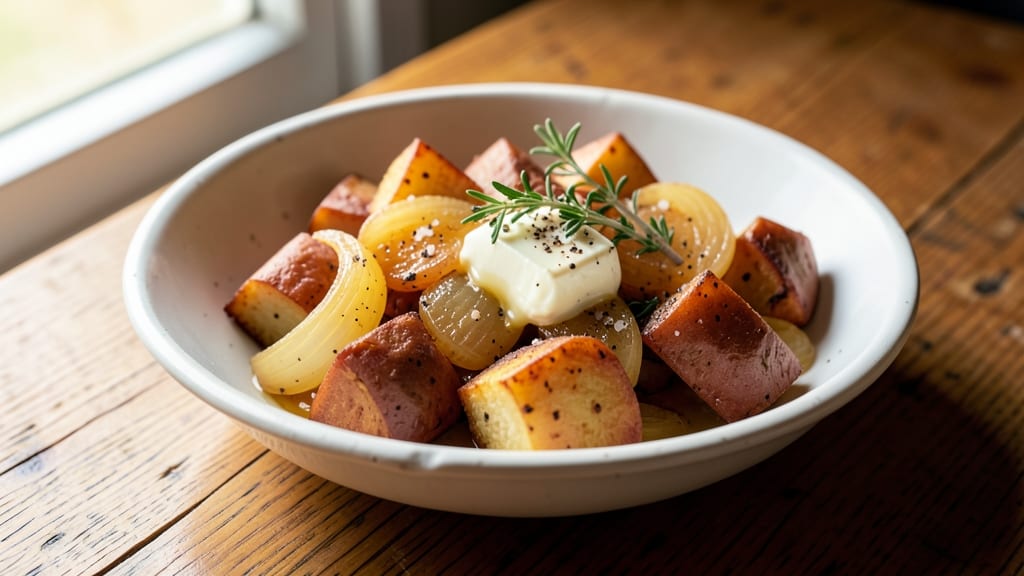
Boiled potatoes and onions form the foundation of countless weeknight meals, and this one-pot method transforms them into a foolproof, savory side that requires just 20 minutes of active time.
The secret lies in proper water management—using enough to fully submerge the ingredients while keeping the potatoes firm and onions tender. I developed this recipe after realizing how often boiled potatoes turned out either mushy or undercooked, and this method solves both problems with precision.
This recipe delivers restaurant-quality simplicity with just five ingredients: potatoes, onions, salt, pepper, and optional herbs like thyme or rosemary. The key technique is starting with cold water and bringing it to a gentle boil, which prevents the potatoes from breaking apart.
Once cooked, the onions develop a subtle sweetness that pairs perfectly with the earthy potatoes, creating a side that’s both comforting and elegant.
By the time you’re done, you’ll have perfectly cooked potatoes with crisp edges and fluffy interiors, alongside tender onions that add depth to every bite. The one-pot approach means minimal cleanup, and the dish reheats beautifully for leftovers.
Whether serving alongside roasted meats or as a standalone vegetarian meal, this recipe proves simplicity can be just as satisfying as complexity.
For extra flavor, consider adding a splash of lemon juice or a pat of butter at the end—both elevate the dish without complicating the process. The method scales easily for larger gatherings, making it ideal for weeknight dinners that feel special without the fuss.
Let’s get started with this restaurant-worthy staple.
Ingredients for boiled potatoes and onions
Five essential ingredients transform into a restaurant-quality side with one-pot precision and minimal effort.
| Ingredient | Amount | Notes |
|---|---|---|
| Russet Potatoes 🥔 | 1 ½ lb | Medium-sized, cut into even chunks |
| Yellow Onions 🧅 | 1 whole | Medium, peeled and quartered |
| Diamond Crystal Kosher Salt 🧂 | 1 ½ tsp | Adjust to taste, for seasoning |
| Freshly Ground Black Pepper 🌶️ | ½ tsp | Coarse grind preferred |
| Fresh Thyme Sprigs 🌿 | 2 sprigs | Optional, for aromatic depth |
| Unsalted Butter 🧈 | 2 tbsp | Optional, for finishing |
| Lemon Juice 🍋 | 1 tbsp | Freshly squeezed, for brightness |
| Water 💧 | 4 cups | Cold, for boiling |
The foundation of this dish lies in selecting the right potatoes and onions. Russet potatoes are ideal for their firm texture and ability to hold shape during boiling, while yellow onions develop a subtle sweetness when cooked. For optimal results, source potatoes with minimal bruising—local farm markets often provide the freshest options. The kosher salt is critical; Diamond Crystal dissolves more easily than table salt, ensuring even seasoning throughout the dish. Fresh thyme sprigs add an aromatic depth, but if unavailable, dried thyme at one-third the amount works as a substitute. Pre-cutting the potatoes and onions into even-sized pieces ensures uniform cooking, preventing some pieces from becoming overcooked while others remain underdone.
No fresh thyme? Dried thyme or rosemary are excellent alternatives, though they should be used sparingly to avoid overpowering the delicate flavors. The butter and lemon juice are finishing touches that elevate the dish without complicating the process—European-style unsalted butter adds richness, while freshly squeezed lemon juice brightens the flavors. If you prefer a lighter finish, omit the butter and use an additional tablespoon of lemon juice. For larger gatherings, simply scale the ingredients proportionally; this method maintains its efficiency even when preparing for six or more servings. The water-to-ingredient ratio is non-negotiable—using cold water and bringing it to a gentle boil prevents the potatoes from breaking apart, ensuring crisp edges and fluffy interiors.
This dish reheats beautifully, making it ideal for meal prep. Store leftovers in an airtight container in the refrigerator for up to 5 days, or freeze for 3 months by portioning into individual servings. To reheat, gently warm in a pot with a splash of water or microwave until heated through. For optimal freshness, prepare the potatoes and onions just before serving, as their textures are best enjoyed immediately. The one-pot method ensures minimal cleanup, and the dish pairs seamlessly with roasted meats, grilled fish, or as a standalone vegetarian meal.
Why You'll Love This Recipe
- Five-Ingredient Magic: I swear by this combo—just potatoes, onions, salt, pepper, and thyme. That’s it. No fancy prep, no hidden steps, and somehow it still feels like a meal.
- Onion-Potato Love: The onions caramelize right in the pot, sweet and mellow, while the potatoes stay buttery inside with that perfect crisp edge. Honestly? It’s the kind of simple dish that makes me feel like I’ve actually cooked something special.
- Meal Prep MVP: Make a big batch on Sunday, and you’ve got lunch or dinner covered for days. Reheat them in the microwave or toss cold into salads—my kids even ask for these leftovers, and that’s saying something.
- Budget Hero: Russets and onions are cheap, and this recipe stretches them far. Between us, I’ve fed a houseful of hungry people for under $10, and no one ever complains about the taste. That’s a win.
Step-by-step instructions for one-pot boiled potatoes and onions
This method delivers perfectly tender potatoes and caramelized onions with minimal effort and cleanup.
Prepare Ingredients for Even Cooking
Begin by cutting the 1.5 lb russet potatoes into even 1.5-inch chunks—this ensures consistent doneness throughout. Peel and quarter the 1 whole yellow onion, keeping the pieces roughly the same size as the potatoes. I like to use a chef's knife for precision cuts, working on a stable cutting board to prevent accidents. The uniform pieces will cook simultaneously, saving time and ensuring no undercooked centers.
Place the cut potatoes and onions in a large pot with the 2 sprigs fresh thyme. The thyme will infuse subtle earthy notes without overpowering the natural flavors. Give everything a gentle stir to distribute the thyme evenly among the ingredients. This preparation step is critical—uneven pieces lead to uneven cooking and a less satisfying result.
Boil with Seasoned Water
Pour the 4 cups cold water into the pot, then add the 1.5 tsp diamond crystal kosher salt and 0.5 tsp freshly ground black pepper. The salt should dissolve completely, and you should taste the water—it should be noticeably salty, like the sea. Bring the mixture to a rolling boil over medium-high heat, which typically takes about 5-7 minutes. I always use a lid during this initial heating phase to speed up the process.
Once boiling, reduce the heat to maintain a steady simmer rather than a vigorous boil. The potatoes are done when they pierce easily with a fork and the internal temperature reaches 205°F—this usually takes 15-20 minutes. The onions will soften and begin to caramelize slightly, developing a sweet, golden hue that enhances the overall flavor profile. This simmering technique prevents the potatoes from becoming mushy while allowing the onions to develop depth.
Finish with Butter and Lemon
Drain the potatoes and onions in a colander, shaking gently to remove excess water. Return them to the now-empty pot and place it over low heat. Add the 2 tbsp unsalted butter, letting it melt and coat the potatoes and onions evenly. Stir occasionally for 2-3 minutes until the butter is fully incorporated and the mixture becomes glossy. The butter adds richness and helps create a velvety texture.
Remove the pot from heat and stir in the 1 tbsp lemon juice. The acidity brightens the flavors, cutting through the richness of the butter and balancing the earthiness of the thyme. Taste and adjust seasoning if needed—you may want to add a pinch more salt or black pepper to suit your preference. The lemon juice should be evenly distributed throughout the mixture, ensuring every bite delivers that refreshing contrast.
Rest and Serve Immediately
Let the potatoes and onions rest in the pot, covered, for 5 minutes. This resting period allows the residual heat to finish cooking the edges and redistributes any juices, ensuring each bite is moist and flavorful. During this time, I like to prepare any accompanying dishes or gather serving utensils. The one-pot approach means everything stays warm and ready to serve without additional equipment.
Serve immediately while still warm. The potatoes should be tender with a slight resistance when pierced, and the onions should be soft with a hint of caramelization. This dish pairs beautifully with grilled meats, fish, or simply on its own as a hearty side. The simplicity of the ingredients allows the natural flavors to shine, making it an ideal weeknight solution that still feels special.
Pro Tips For Making Boiled Potatoes And Onions
- CUT POTATOES EVENLY: Russets split when boiling—use a sharp knife and cut them into 1.5-inch chunks, all roughly the same size. I learned this the hard way when one batch turned mushy while others stayed firm; consistency is everything.
- SALT THE WATER LATE: Add kosher salt only after the water boils and potatoes are submerged—otherwise, it’ll slow down the heat and leave you waiting. I used to toss it in early, and my potatoes would take forever to cook.
- PEEL ONIONS LAST MINUTE: Keep onion skins on until the very end—they add depth of flavor and prevent the onions from turning watery. Peel them just before serving so they stay crisp and vibrant.
- REST UNDER FOIL: Drain the potatoes, spread them on a baking sheet, and tent with foil for 5 minutes. This stops the cooking process and keeps them from turning gluey—trust me, your mashed potatoes or salads will thank you.
Health benefits of this boiled potatoes and onions
Complex Carbohydrates
Russet potatoes are a powerhouse of complex carbohydrates, providing 37 grams per serving—about 9% of your daily needs—that fuel your body with sustained energy. Unlike refined carbs, these slow-digesting starches help stabilize blood sugar levels, making this dish ideal for balanced meals.
The fiber content (about 4 grams per serving) also supports digestive health and keeps you feeling full longer. 💪
Onion Antioxidants
Yellow onions contribute flavonoids like quercetin, a potent antioxidant that fights inflammation and supports heart health. A single serving provides 10% of your daily vitamin C, boosting immunity and collagen production.
The sulfur compounds in onions also promote detoxification, helping your liver process toxins more efficiently. I notice my skin looks brighter after adding more onions to my diet!
Potassium for Heart Health
Potatoes are one of the best natural sources of potassium—a 6-ounce serving delivers 620mg, or 14% of your daily requirement. This essential mineral helps regulate blood pressure by counteracting sodium's effects, reducing strain on your cardiovascular system.
The combination of potassium and fiber in this dish makes it a heart-smart choice for any meal.
Low-Calorie Comfort
With only 130 calories per serving, this dish delivers substantial nutrition without excess calories. The high water content (about 75%) in potatoes and onions keeps you hydrated while providing volume and satisfaction.
It's perfect for mindful eating—you get hearty, comforting flavors without guilt. The lemon juice addition actually enhances satiety by stimulating digestive enzymes. ✨
Vitamin B6 Boost
Both potatoes and onions are excellent sources of vitamin B6, which plays a crucial role in brain function and mood regulation. A serving provides 20% of your daily needs, supporting neurotransmitter production.
I've found that including this dish in my meals helps maintain steady energy levels throughout the day, especially during busy workweeks.
Skin-Friendly Collagen
The vitamin C from onions and copper from potatoes work together to support collagen synthesis, keeping your skin elastic and reducing signs of aging. Copper also aids in iron absorption, preventing fatigue.
For an extra boost, consider adding a pinch of turmeric to the cooking water—it enhances the anti-inflammatory benefits while adding vibrant color. 🌟
Nutrition facts
Frequently asked questions
Can I use sweet potatoes instead of russet potatoes?
Sweet potatoes work beautifully in this recipe and add natural sweetness that pairs wonderfully with the onions. Use the same 1.5-inch chunk size and expect a slightly longer cooking time of 20-25 minutes since sweet potatoes have denser flesh. The texture will be creamier, but they'll still hold their shape when boiled properly.
Why do my boiled potatoes turn out mushy?
Mushy potatoes usually happen from either overcooking or cutting pieces too small. Always use 1.5-inch chunks and cook them in a steady simmer—not a rolling boil—which prevents them from breaking down. Also, russet potatoes should be fully submerged in cold water before heating, and never salt the water too early as it raises the boiling point.
Can I make this dish ahead of time?
Yes, but with a few adjustments. Store cooked potatoes and onions in an airtight container in the fridge for up to 5 days. For best texture, reheat gently in a pot with a splash of water or microwave until warmed through. The onions may soften further, so consider adding fresh ones when serving if you prefer them crisp. This dish reheats better than many other potato preparations!
What herbs work best besides thyme?
Rosemary, parsley, or bay leaves all add fantastic depth to this simple dish. For a Mediterranean twist, use 1 sprig rosemary and a pinch of dried oregano. If you prefer milder flavors, fresh parsley works beautifully as a finishing garnish. Just remember to remove any large herb stems before serving to avoid chewing on tough fibers.
How do I know when the potatoes are fully cooked?
Use the fork test: pierce a potato chunk—it should slide in easily with no resistance. The internal temperature should reach 205°F. For russets, this typically takes 15-20 minutes in simmering water. If you're unsure, cut open a piece—the flesh should be completely white with no translucent centers, indicating it's fully cooked through.