
Side Dishes
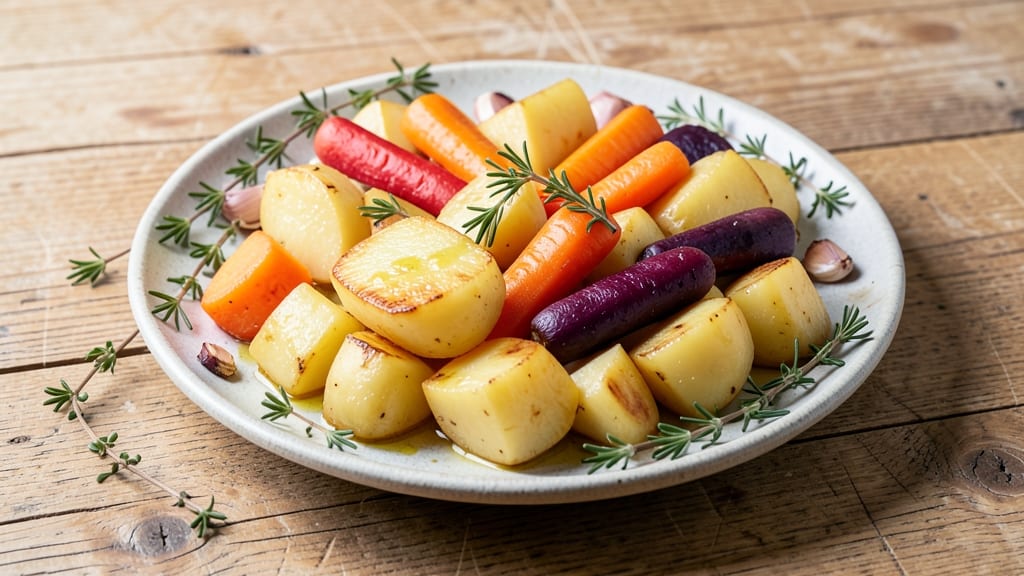
Boiled carrots and potatoes don’t have to be boring—this one-pot herb-infused side dish transforms simple ingredients into a flavorful, restaurant-worthy accompaniment. The secret lies in balancing seasoning and cooking times to achieve tender yet firm vegetables that hold their shape perfectly.
I developed this recipe after realizing how often store-bought versions lack depth, so I focused on infusing flavor during the boiling process itself.
This method works in a single pot, making it efficient and mess-free, while still delivering professional results. You’ll need just carrots, potatoes, herbs, and a splash of citrus to elevate the natural sweetness of the vegetables.
The herbs—like thyme, rosemary, or parsley—steep in the cooking water, infusing every bite with aromatic richness. A pinch of salt and a squeeze of lemon at the end brightens the flavors, ensuring your side dish stands out.
By the time you serve this dish, you’ll have perfectly cooked vegetables with vibrant color and a subtle herbal note that complements any main course. Whether paired with roasted meats, hearty soups, or grain bowls, this side adds texture and flavor without overpowering.
The best part? It takes less than 30 minutes to prepare, making it ideal for busy weeknights or meal prep.
For extra versatility, adjust the herb blend to match your meal—garlic and parsley work well with Mediterranean dishes, while sage and thyme pair beautifully with roasted poultry.
The key is controlling the cooking time to avoid mushy textures, so we’ll walk you through precise methods to achieve al dente results every time. Let’s get started!
Ingredients for boiled carrots and potatoes
Herbs, citrus, and a single pot transform simple veggies into restaurant-quality side dishes.
| Ingredient | Amount | Notes |
|---|---|---|
| Medium Yellow Potatoes 🥔 | 1 ½ lb | Baby or fingerling preferred for even cooking |
| Rainbow Carrots 🥕 | 1 lb | Whole or baby, uniform size |
| Fresh Thyme Sprigs 🌿 | 4 whole | Or 1 tbsp dried thyme |
| Fresh Rosemary Sprigs 🌿 | 2 whole | Or 1 tsp dried rosemary |
| Garlic Cloves 🧄 | 3 cloves | Smashed for flavor infusion |
| Extra-Virgin Olive Oil 🫒 | 2 tbsp | For vibrant color and richness |
| Diamond Crystal Kosher Salt 🧂 | 1 ½ tsp | Adjust to taste |
| Fresh Lemon Juice 🍋 | 2 tbsp | Brightens flavors at the end |
| Fresh Flat-Leaf Parsley 🌿 | ¼ cup | Chopped for garnish |
| Vegetable Broth 💧 | 4 cups | Low-sodium preferred |
| White Wine Vinegar 🍶 | 1 tbsp | For subtle tang |
The potatoes and carrots should be roughly the same size for even cooking. Baby potatoes or fingerlings from Whole Foods or Trader Joe's stay firm and delicious, but regular russets work too if cut into even chunks. Rainbow carrots add vibrant color, but orange works just as well. Fresh herbs make all the difference—grab them from the grocery store's refrigerated section and give them a sniff before buying (they should smell fragrant, not stale). The vegetable broth is where the flavor really builds, so low-sodium versions like Pacific Foods let you control the seasoning better.
No fresh thyme or rosemary? Dried works at one-third the amount, but fresh is ideal. Short on parsley? Fresh basil or cilantro works in a pinch. The lemon juice can be swapped for lime juice if you prefer. Want extra depth? Add a 1-inch piece of fresh ginger to the pot while cooking. For a Mediterranean twist, swap the rosemary for fresh oregano. The white wine vinegar is optional but adds a nice brightness—apple cider vinegar works too if you don't have it.
This dish reheats beautifully—just add a splash of water or broth to the pot and simmer for 5 minutes. Keeps in the fridge for 4-5 days in an airtight container. For meal prep, portion into containers with the broth so it stays moist. The herbs can be added fresh at serving if you're prepping ahead. Freezes well for up to 3 months—just thaw in the fridge overnight before reheating.
Why You'll Love This Recipe
- Foolproof Simplicity: I swear by this recipe because it’s the kind of meal that doesn’t demand your attention—just chop, boil, and let the flavors meld while you handle the rest. No peeling fussy skins, no precise timing, just throw everything in a pot and walk away. (Yes, even on a Tuesday night.)
- Herb-Packed Magic: The rosemary and thyme don’t just hint at flavor—they punch through the potatoes and carrots like a cozy hug. That first bite? Crispy edges, tender centers, and a garlic aroma that makes you wonder why you ever skipped this combo. Honestly, it’s the kind of taste that turns a side dish into the star.
- Meal Prep MVP: This keeps flawlessly for days, so I make a big batch on Sundays and toss it into lunches or salads all week. The potatoes stay firm, the carrots hold their color, and the herbs? They dry out just enough to add depth, not overpower. My kids grab it straight from the fridge—no reheating, no complaints.
- Budget-Friendly Staple: Potatoes and carrots are the ultimate pantry heroes, and adding a few sprigs of herbs makes them feel special without breaking the bank. I’ll be real: this recipe saved me from takeout more times than I can count, and it’s still the go-to when I need something hearty, cheap, and actually good.
Step-by-step instructions for one-pot herb-infused carrots and potatoes
This method delivers perfectly tender vegetables with vibrant herb notes—all in a single pot for effortless cleanup.
Prepare and Parboil the Vegetables
Begin by scrubbing the 1.5 lb medium yellow potatoes and 1 lb rainbow carrots thoroughly under cold water to remove any dirt. Cut the potatoes into 1-inch chunks and leave the carrots whole if they're baby-sized, or cut larger ones into 2-inch pieces for even cooking. This size ensures they all cook through simultaneously.
In a large, deep pot with a tight-fitting lid, combine the potatoes and carrots with the 4 whole fresh thyme sprigs and 2 whole fresh rosemary sprigs. Add the 3 smashed garlic cloves, 2 tbsp extra-virgin olive oil, and 1.5 tsp diamond crystal kosher salt. Pour in 4 cups vegetable broth until the vegetables are just submerged—you may need to add a splash of water if they're not fully covered.
Bring to a rolling boil over high heat, then immediately reduce to a gentle simmer. Cover and cook for 12-15 minutes, stirring occasionally, until the vegetables are tender when pierced with a fork but still hold their shape. This parboiling step ensures they cook evenly in the final infusion without becoming mushy.
Infuse with Herbs and Acid
After the initial parboil, remove the pot from heat and let it sit uncovered for 5 minutes to allow the vegetables to absorb the herb flavors. This resting period also helps the garlic release its aromatic oils into the liquid.
Return the pot to medium-low heat and stir in the 1 tbsp white wine vinegar. The acidity brightens the flavors and balances the earthiness of the vegetables. Simmer uncovered for another 8-10 minutes, stirring occasionally, until the liquid reduces slightly and clings to the vegetables. You're looking for a glossy sheen on the surface—this indicates the flavors have melded.
Here's the thing—don't overcook at this stage. The vegetables will continue cooking slightly when you add them back to the pot later. Taste a piece of potato; it should be fork-tender but still offer a slight resistance when bitten.
Finish with Lemon and Fresh Herbs
Remove the pot from heat and stir in the 2 tbsp fresh lemon juice. This final touch adds a bright, citrusy finish that cuts through the richness of the herbs. The lemon juice also helps preserve the vibrant color of the rainbow carrots.
Gently fold in the 0.25 cup chopped fresh flat-leaf parsley just before serving. This step ensures the parsley remains vibrant and adds a fresh, herbaceous note that contrasts beautifully with the warm, infused vegetables. If you prefer, you can also sprinkle the parsley on top as a garnish for an elegant presentation.
Let the vegetables rest for 2-3 minutes before serving. This brief resting period allows the flavors to settle and the juices to redistribute, ensuring each bite is packed with herb-infused goodness. Serve immediately as a side dish to complement roasted meats, grilled fish, or even as a hearty vegetarian main with a dollop of crème fraîche.
Pro Tips For Making Boiled Carrots And Potatoes
- Peel After Cooking: Potatoes and carrots shrink when peeled raw, so save yourself frustration by peeling them only after boiling. The skins stay on during cooking, locking in moisture—then you can trim off any stubborn bits afterward.
- Layer by Size: Big potatoes and thick carrots take longer to cook than small ones, so stack them in the pot with the largest pieces at the bottom. This ensures everything finishes at the same time without overcooking the smaller bits.
- Don’t Crowd the Pot: I learned this the hard way—packing the pot too tightly means uneven cooking and soggy herbs. Leave about an inch of space between each piece so the water circulates properly and the thyme and rosemary can infuse the water.
- Crush Garlic First: Whole garlic cloves won’t release their flavor into the water. Smash them lightly with the flat side of a knife or crush them with the back of a spoon before adding them to the pot—this guarantees they’ll perfume the dish instead of just sitting there.
Serving suggestions for boiled carrots and potatoes
Protein-Packed Pairings
These herb-infused carrots and potatoes make a stellar side for grilled chicken breast or pan-seared salmon. The bright lemon and thyme flavors complement the protein beautifully. I like serving them alongside lemon-herb roasted chicken—the citrus notes tie everything together.
For a vegetarian option, pair with crispy tofu or white beans for a hearty plant-based meal. 🍗
Soup and Stew Companions
This dish elevates simple soups and stews. Toss it into minestrone or lentil soup for added texture and flavor. I also love using it as a topping for creamy tomato basil soup—the warm, herby veggies contrast perfectly with the cool broth.
For stews, add a spoonful of the cooking liquid to enhance depth. 🥘
Grain Bowl Base
Transform this into a complete meal by serving over quinoa, farro, or brown rice. Add avocado slices, cherry tomatoes, and a drizzle of tahini-lemon dressing for a Mediterranean-inspired bowl.
The potatoes and carrots hold their shape well, making them ideal for layering. I often prep this ahead and assemble bowls fresh for easy lunches. 🌾
Elegant Garnishes
Elevate the presentation with a sprinkle of toasted pumpkin seeds or crumbled feta cheese for a savory touch. A drizzle of extra-virgin olive oil and a pinch of flaky sea salt adds a restaurant-quality finish.
For a pop of color, scatter edible flowers or microgreens on top. These small details make the dish feel special. ✨
Kid-Friendly Twists
Make it fun for picky eaters by shaping the potatoes into fun shapes with cookie cutters before boiling. Serve with a side of honey-mustard dip or ranch dressing for dipping.
The natural sweetness of the carrots and potatoes makes them appealing to kids—just skip the herbs if they’re sensitive to strong flavors. 🧒
Meal Prep Magic
Prep this dish ahead and store it in airtight containers with the cooking liquid to keep it moist. Reheat gently in the microwave or stovetop, then add fresh herbs and lemon juice before serving.
It reheats beautifully and tastes even better the next day as the flavors meld further. Perfect for busy weeknights! ⏰
Nutrition facts
Frequently asked questions
Can I use regular potatoes instead of baby potatoes?
Yes, but you'll need to cut them into 1-inch chunks for even cooking. Regular russet or Yukon gold potatoes work perfectly—they just require slightly more attention to size consistency. For best results, peel them first to ensure uniform texture and cooking time.
How do I prevent my carrots and potatoes from turning mushy?
Keep the water at a gentle simmer (not a rolling boil) and avoid overcooking. The 12-15 minute parboil should yield tender-but-firm vegetables. If they're still too soft, you likely overcooked them—they should hold their shape when pierced with a fork. For extra firmness, add a splash of vinegar to the cooking water.
Can I make this recipe without fresh herbs?
Use 1/3 the amount of dried herbs (so 1 tsp dried thyme instead of 4 sprigs). For rosemary, 1/2 tsp dried works well. The flavor will be slightly less intense, but still delicious. To compensate, add an extra pinch of salt and a splash more lemon juice at the end.
What's the best way to reheat these boiled vegetables?
Reheat gently in a pot with 1/4 cup fresh broth or water over medium-low heat for 5-7 minutes until warmed through. Avoid microwaving without moisture—it makes them rubbery. For extra flavor, add a pinch of salt and a squeeze of lemon juice when reheating.
How can I adjust this for a larger group?
Double the recipe using a 6-8 quart pot for even cooking. Maintain the same water-to-vegetable ratio (4 cups broth per 2 lbs veggies) and cooking times. For 8+ servings, use two pots to ensure the vegetables don't overcrowd. The herb infusion works best when the vegetables have room to breathe in the pot.