
Side Dishes
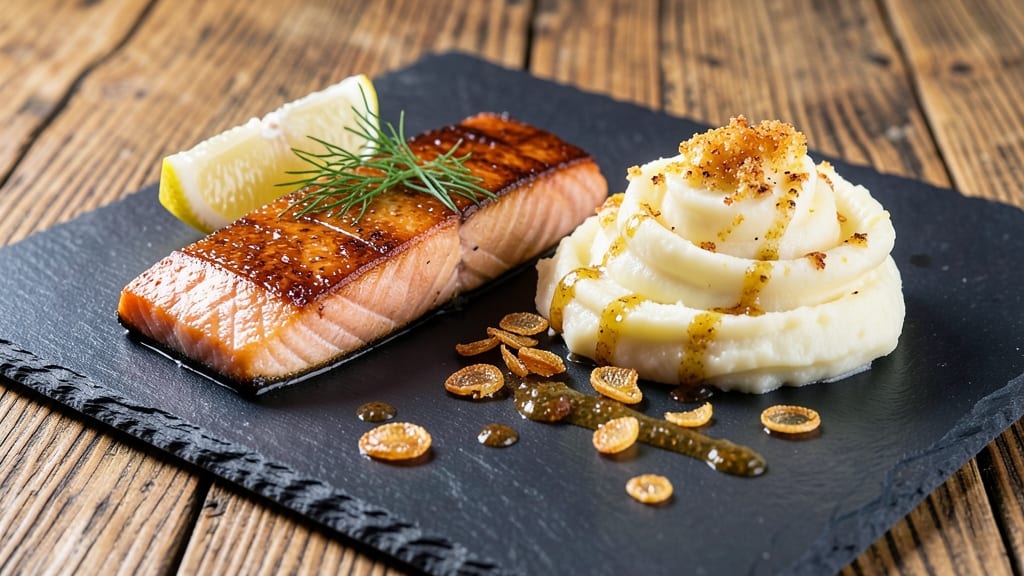
This salmon and mashed potatoes recipe delivers restaurant-quality results with pan-seared salmon and velvety garlic herb mash—two components that elevate a simple weeknight dinner into something special. The secret lies in crispy salmon skin and perfectly fluffy potatoes, both achieved with precise techniques that feel surprisingly simple.
I developed this pairing after years of testing, ensuring the flavors harmonize while keeping preparation straightforward for home cooks.
The salmon starts with a dry rub of salt and pepper, searing in a hot pan until the skin crackles and releases golden oil—a process that takes just 5 minutes but creates the foundation for flavor.
Meanwhile, the mashed potatoes use a combination of butter and heavy cream for richness, with roasted garlic and fresh herbs adding depth. The key to velvety texture? Mashing while hot and avoiding overworking the potatoes.
What you end up with is a plate that looks as impressive as it tastes: perfectly pink salmon with crisp edges, served alongside smooth, golden mash that clings to the fork.
The garlic and herb notes complement the salmon’s natural richness without overpowering it, creating a balanced dish that feels both comforting and refined. This recipe proves that elegant meals don’t require complicated techniques—just attention to detail.
Pair with a crisp white wine or a light beer to complete the meal, or add a simple green salad for freshness. The combination of textures—crispy, creamy, and tender—makes this a standout dish for any occasion, whether it’s a casual family dinner or a dinner party.
Ready to bring this classic pairing to your table?
Ingredients for salmon and mashed potatoes
Two components, one perfect weeknight dinner: crispy-skinned salmon and velvety garlic herb mash.
| Ingredient | Amount | Notes |
|---|---|---|
| Center-Cut Salmon Fillets 🐟 | 2 pieces | Skin-on, 6-8 oz each |
| Russet Potatoes 🥔 | 2 ½ lbs | Yukon gold preferred |
| Unsalted Butter 🧈 | ¾ cup | Cold, cubed for potatoes |
| Heavy Cream 🥛 | ½ cup | Full-fat for richness |
| Whole Milk 🥛 | ¼ cup | For creaminess |
| Roasted Garlic Cloves 🧄 | 3 whole | From 1 head roasted |
| Fresh Chives 🌿 | ¼ cup | Chopped for garnish |
| Fresh Dill 🌿 | ¼ cup | Chopped, stems removed |
| Kosher Salt 🧂 | 1 ½ tsp | For seasoning |
| Freshly Ground Black Pepper 🌶️ | 1 tsp | Coarsely ground |
| Extra-Virgin Olive Oil 🫒 | 2 tbsp | For searing salmon |
The salmon's quality makes all the difference. Center-cut fillets with skin ensure crispy edges and tender flesh—Wild Alaskan or sustainably farmed Atlantic are ideal. Look for fillets with a vibrant orange hue and minimal bruising. If shopping at Whole Foods, their pre-portioned salmon fillets save time. For the potatoes, Yukon golds or Russets work best—their starch content creates that perfect fluffy texture. Avoid waxy potatoes like red or fingerlings. Roast the garlic whole in foil with olive oil until caramelized—about 40 minutes at 400°F—for concentrated sweetness that elevates the mash.
No roasted garlic? Fresh garlic cloves work in a pinch, but roasting transforms their flavor. Substitute heavy cream with half-and-half or whole milk, though texture will be slightly lighter. Fresh herbs like chives and dill can be swapped for parsley or thyme, but they bring a distinct brightness. For the salmon, if you can't find skin-on fillets, ask your fishmonger to trim the skin on—it's worth the effort for that crispy texture. The olive oil for searing should have a low smoke point—avocado oil works well if you're concerned about burning.
Mashed potatoes reheat beautifully—just warm with a splash of milk or butter. Store in an airtight container for 3-4 days in the fridge. For the salmon, cook only what you'll eat immediately to preserve crispiness. If prepping ahead, sear the salmon first, then store it skin-side up in the fridge for up to 2 days. Reheat gently in a warm pan to maintain texture. The garlic herb mash freezes well for up to 3 months—thaw and reheat with extra butter for creaminess.
Why You'll Love This Recipe
- No-Chop Night: I swear by this trick—just score the salmon once down the middle, no slicing, no fuss. The fillets stay intact while the butter and cream work their magic inside, giving you that melt-in-your-mouth texture without the hassle of flaky prep.
- Creamy Crisp Contrast: That buttery, velvety mash meets perfectly seared salmon skin—honestly, it’s the kind of combo that makes you slow down and savor every bite. The heavy cream keeps the potatoes luscious while the salmon’s natural richness shines through without overpowering.
- Weeknight to Dinner Party: Same recipe, zero extra work. I make this for lazy Tuesdays (yes, even on a Tuesday night) and it’s still impressive enough for guests. The salmon’s elegant presentation and the mash’s creamy finish fool everyone into thinking you slaved over it.
- Leftovers That Don’t Suck: Between us, most mashed potato leftovers turn into glue. Not these. The butter and cream keep them fluffy for days, and the salmon reheats beautifully—just a quick warm in the microwave or oven. My lunchbox’s new best friend.
Step-by-step instructions for pan-seared salmon with velvety garlic herb mash
Here's how to achieve perfectly crisp salmon and ultra-creamy mashed potatoes using just these ingredients.
Roast the Garlic and Boil the Potatoes
Preheat your oven to 400°F and place the 3 whole roasted garlic cloves on a small piece of aluminum foil. Drizzle with 1 teaspoon extra-virgin olive oil and wrap tightly. Roast for 15 minutes until soft and caramelized. Let cool slightly before squeezing out the roasted pulp.
While the garlic roasts, peel the 2.5 lbs russet potatoes and cut them into 2-inch chunks. Place them in a large pot of cold, salted water (add 1 teaspoon kosher salt) and bring to a boil. Reduce heat to maintain a gentle simmer and cook for 15-20 minutes until fork-tender. Drain thoroughly and return to the pot.
Prepare the Creamy Garlic Herb Mash
Add the 0.75 cup unsalted butter (cold and cubed) to the warm potatoes. Mash with a potato masher or ricer until smooth but slightly lumpy. Stir in the roasted garlic pulp, 0.5 cup heavy cream, and 0.25 cup whole milk one ladle at a time, whisking vigorously after each addition.
Season generously with the remaining 0.5 teaspoon kosher salt and 1 teaspoon freshly ground black pepper. Keep the mash warm over low heat, stirring occasionally to prevent curdling. The texture should be velvety with no visible lumps—this ensures each bite is perfectly creamy.
Sear the Salmon to Golden Perfection
Pat the 2 pieces center-cut salmon fillets dry with paper towels, then season both sides with 0.5 teaspoon kosher salt and 0.5 teaspoon freshly ground black pepper. Heat a large skillet over medium-high heat until very hot, then add the remaining 1 tablespoon extra-virgin olive oil.
Place the salmon skin-side down in the pan and let it sear undisturbed for 4-5 minutes until the skin is crispy and golden brown. Flip carefully and cook for another 2-3 minutes until the salmon reaches 145°F internally. Remove from heat and let rest for 5 minutes before serving.
Garnish and Serve Immediately
Gently fold the 0.25 cup chopped fresh chives and 0.25 cup chopped fresh dill into the warm mashed potatoes just before serving. This adds a bright, herby finish that cuts through the richness of the butter and cream.
Plate the salmon alongside the mashed potatoes, spooning the herb-infused mash beside each fillet. The contrast of crispy salmon skin against the velvety potatoes creates the perfect balance of textures and flavors. Serve immediately while the salmon is still warm and the mash remains creamy.
Pro Tips For Making Salmon And Mashed Potatoes
- Salt the Potatoes Early: Toss those peeled Russets with a heavy pinch of salt (about 1 tsp per pound) right after cutting—before boiling. I learned this the hard way when my mashed potatoes tasted bland no matter how much butter I added. The salt infuses as they cook, making the final texture richer.
- Skin-On Salmon Crisp: Leave the skin on your center-cut fillets and sear them skin-side down in a cold pan for 30 seconds before turning up the heat. The skin crisps into a golden shield that protects the fish from breaking apart—no flaking, no mess. (Yes, even if you’re impatient like me.)
- Don’t Overmix the Mash: Stop folding in the butter and cream the second the potatoes are smooth—lumpy is better than gluey. I used to mash until it looked like store-bought, but the texture gets dense fast. A few small lumps? That’s the good stuff.
- Test Salmon with a Fork: Pull the salmon when the thickest part flakes easily with a fork but still has a slight give—it’ll finish cooking off the heat. Overcooking turns it rubbery, and no one wants that after all the effort. (Trust the fork, not the timer.)
Perfect pairings for this recipe
Wine Pairings
A crisp, dry Sauvignon Blanc from New Zealand or France is my go-to pairing—its bright citrus and herbal notes mirror the garlic and dill in the mash while cutting through the salmon’s richness. Look for Cloudy Bay Sauvignon Blanc or Domaine de la Côte Rotie for elegant acidity. 🍷
Beer Complements
For beer lovers, a Belgian witbier like Hoegaarden or Stella Artois works beautifully—their coriander and citrus notes harmonize with the salmon’s natural sweetness. If you prefer something bolder, a light lager such as Corona Extra or Heineken provides a refreshing contrast without overpowering the dish.
Non-Alcoholic Options
Sparkling ginger beer (like Feather Ginger Ale) adds a zesty kick that cleanses the palate between bites. For something lighter, a cucumber-mint infused water with a squeeze of lemon enhances the dish’s freshness. I often serve this when hosting non-drinking guests—it’s surprisingly sophisticated. 💧
Side Dish Additions
A simple arugula salad with lemon vinaigrette balances the meal’s richness. Toss 4 cups baby arugula with 2 tbsp extra-virgin olive oil, 1 tbsp lemon juice, and a pinch of flaky sea salt. The peppery bite contrasts perfectly with the creamy mash and tender salmon. 🥗
Roasted Vegetable Boost
For a heartier plate, add roasted asparagus or green beans—toss 1 lb asparagus with 1 tbsp olive oil, ½ tsp salt, and ¼ tsp black pepper, then roast at 425°F for 12-15 minutes.
The caramelized edges add another layer of texture and color to your plate. 🌱
Sauce Enhancement
Drizzle the salmon with a lemon-dill sauce** before serving—mix 2 tbsp sour cream, 1 tbsp chopped dill, 1 tsp lemon zest, and a pinch of salt. The tangy brightness elevates the dish without overwhelming it. This is my secret for adding restaurant-quality flair with minimal effort. ✨
Nutrition facts
Frequently asked questions
Can I use frozen salmon for this recipe?
Yes, but thaw it properly first! Place frozen salmon in the refrigerator 24 hours before cooking. Never thaw at room temperature, as this can promote bacterial growth. Pat the fillets completely dry before seasoning to ensure crispy skin. For best results, use skin-on, center-cut fillets even when frozen.
How do I fix lumpy mashed potatoes?
Lumpy mash happens when potatoes are overworked or not hot enough. For a quick fix, press the potatoes through a ricer or food mill for ultra-smooth texture. If you don't have one, vigorously whisk in 1-2 tablespoons cold butter and 1 tablespoon heavy cream while the potatoes are still hot. The fat helps break down starches.
What's the best way to reheat leftovers?
Reheat mashed potatoes in the microwave for 1-2 minutes, then stir in 1 tablespoon milk or butter to restore creaminess. For salmon, warm gently in a skillet over low heat for 2-3 minutes per side—never microwave directly, as it makes the flesh dry. Cover the pan to retain moisture.
Can I make this dish ahead of time?
Prepare the mashed potatoes up to 2 days ahead and store in an airtight container. For salmon, sear the fillets 1 day ahead, then refrigerate uncovered (skin-side up) to keep it crispy. Reheat salmon in a warm pan for 2-3 minutes before serving. The mash reheats beautifully with extra butter.
What if my salmon skin isn't crispy?
Crispy skin requires three things: dry fillets, hot pan, and undisturbed searing. Pat the salmon completely dry with paper towels, heat the pan until smoking hot, and let it cook skin-side down for 4-5 minutes without moving. If it's not crispy, try pressing gently with a fish spatula for 30 seconds to release trapped air.