
Breakfast & Brunch
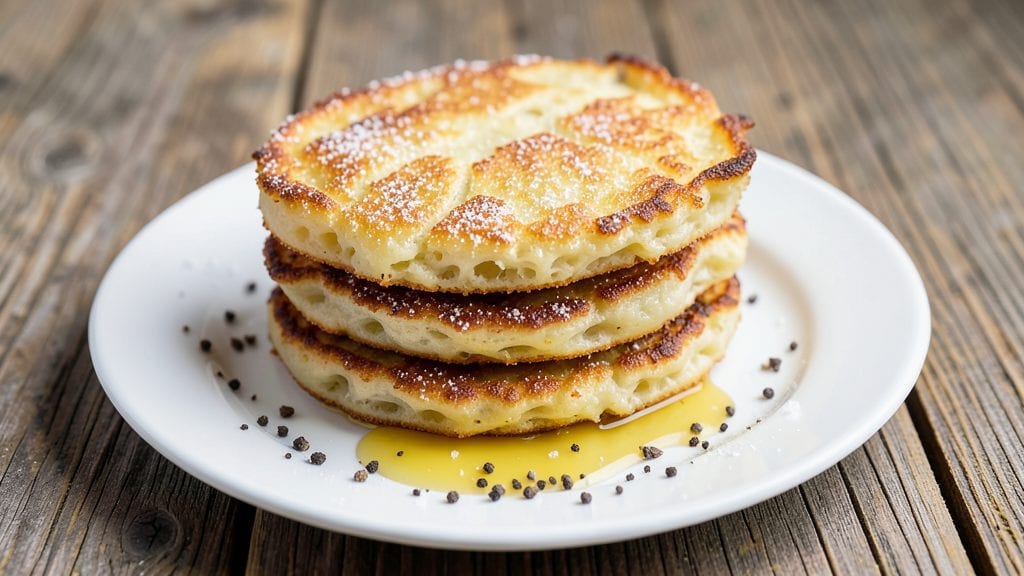
This basic potato pancake recipe delivers the crispy, golden edges and vinegar-kissed tang that make latkes unforgettable. The secret lies in properly grating the potatoes and using cornmeal for that signature crunch—no shortcuts here, just classic technique with a modern twist.
I’ve perfected this method over years of testing, ensuring every bite has that satisfying texture contrast between tender inside and crispy exterior.
What sets these apart is the balance of ingredients: potatoes for heartiness, cornmeal for crunch, and a splash of vinegar for brightness. The egg binds everything together while keeping the pancakes light, and frying in small batches guarantees even cooking.
This isn’t just a side dish—it’s a main event, especially when served with applesauce or sour cream for dipping.
By following these steps, you’ll achieve restaurant-quality latkes at home, with that irresistible aroma filling your kitchen as they fry. The vinegar-kissed tang cuts through the richness, creating a flavor profile that’s both nostalgic and refined.
Whether you’re hosting a Hanukkah gathering or just craving comfort food, these pancakes will deliver.
Ready to make them? Here’s everything you need—from grating the potatoes to frying them to golden perfection. The key is patience and attention to detail, but the result is worth every minute.
Ingredients for basic potato pancake
Classic ingredients transformed into golden, crispy potato pancakes with that signature vinegar-kissed tang.
| Ingredient | Amount | Notes |
|---|---|---|
| Russet Potatoes 🥔 | 2 ½ lb | Cold, peeled, finely grated |
| Cornmeal 🌾 | ½ cup | Fine grind for texture |
| Large Eggs 🥚 | 2 whole | Room temperature preferred |
| All-Purpose Flour 🌾 | ¼ cup | Lightly spooned, not packed |
| Diamond Crystal Kosher Salt 🧂 | 1 tsp | Adjust to taste |
| Freshly Ground Black Pepper 🌶️ | ½ tsp | Freshly cracked preferred |
| White Vinegar 🍶 | 1 tbsp | Distilled, not apple cider |
| Vegetable Oil 🫒 | 2 cups | High smoke point preferred |
| Fresh Parsley 🌿 | 0.1 cup | Chopped, for garnish |
| Sour Cream 🥛 | ½ cup | For serving, optional |
| Applesauce 🍎 | ½ cup | Unsweetened, for serving |
The potatoes are non-negotiable—Russet delivers the best starch-to-moisture ratio for that satisfying crunch. Cold, freshly grated potatoes yield the least amount of liquid, which is critical for proper binding. I always use a box grater with fine holes and work quickly to prevent oxidation. For the cornmeal, fine grind is essential—it creates those crispy edges that define great latkes. Bob's Red Mill is my go-to brand, but any high-quality cornmeal will work. The vinegar might seem like a small detail, but it’s what elevates these from ordinary pancakes to something special—distilled white vinegar has the cleanest tang.
No cornmeal? Semolina or fine breadcrumbs can substitute, though texture will differ slightly. Freshly grated potatoes are ideal, but pre-grated from a bag works in a pinch—just squeeze out excess moisture with a clean kitchen towel. The egg acts as the binder, so room temperature eggs incorporate more easily. For serving, sour cream and applesauce are classic, but crème fraîche or Greek yogurt add richness. The oil choice matters—vegetable or canola oil has a high smoke point, while olive oil can impart bitterness. If you're frying in batches, maintain the oil temperature at 350°F for perfect crispiness.
Grated potatoes release liquid quickly, so work them immediately and squeeze out excess moisture before mixing. The batter should hold its shape when gently pressed—add 1-2 tbsp more flour if needed. These pancakes are best served immediately, but you can reheat in a 375°F oven for 5-7 minutes to restore crispiness. Store leftovers in an airtight container in the refrigerator for up to 3 days, though texture will soften. For freezing, arrange cooled pancakes on a tray, freeze solid, then transfer to a bag—reheat from frozen in a skillet for 2-3 minutes per side.
Why You'll Love This Recipe
- No-Fuss Grate: I just peel, grate, and squeeze—no food processor, no fuss. The Russets release starch like magic when you wring them dry, and that’s the secret to golden, crispy pancakes without the struggle.
- Crispy-Creamy Magic: That first bite—crunchy outside, fluffy inside—happens because of the cornmeal and egg binding the shredded potatoes just right. Honestly, it’s the kind of texture that makes you forget how simple the ingredients are.
- Weeknight to Potluck: Serve them with applesauce for a quick breakfast, sour cream for dinner, or even as a side at a holiday spread. They reheat like a dream, so I make a double batch and freeze half—because why not have backup for lazy days?
- Pantry Staple Power: Five ingredients, all cheap and lasting. The potatoes stay fresh for weeks, the flour and cornmeal never go bad, and eggs? Well, you’ll use them up before they spoil. It’s the kind of recipe that turns grocery money into meals without breaking the bank.
Step-by-step instructions for crispy potato pancakes
Master the art of golden-brown potato pancakes with this foolproof method.
Prepare the Potato Mixture
Place the 2.5 lb cold, peeled russet potatoes in a food processor fitted with the shredding disk. Pulse until you achieve a fine, uniform shred—think matchstick consistency, not coarse chunks. The finer the shred, the more surface area you create for crisping later.
Transfer the shredded potatoes to a large mixing bowl. Add the 1 tbsp white vinegar and toss gently to distribute evenly. Let the mixture sit for 10 minutes while you prepare the remaining ingredients. This vinegar step is crucial—it prevents the potatoes from turning mushy by breaking down their starches slightly, ensuring a crispy exterior.
In a separate bowl, whisk together the 2 whole large eggs, 0.25 cup all-purpose flour, 0.5 cup cornmeal, 1 tsp diamond crystal kosher salt, and 0.5 tsp freshly ground black pepper. The cornmeal gives those pancakes their signature crunch, while the flour helps bind everything together. I like to use room-temperature eggs—they incorporate more smoothly into the potato mixture.
Combine and Rest for Perfect Texture
Add the prepared egg mixture to the potato shreds and fold gently with a rubber spatula. Be careful not to overmix—just combine until everything is evenly distributed. The mixture should look shaggy and moist, like wet sand. If it seems too dry, add 1-2 tablespoons of cold water to help bind it together.
Cover the bowl with plastic wrap and refrigerate for 30 minutes. This resting period allows the flour to fully hydrate and the starches to begin breaking down, which prevents the pancakes from falling apart when you fry them. I know it's tempting to skip this step, but trust me—it makes all the difference in texture.
Heat the Oil and Fry in Batches
Pour the 2 cups vegetable oil into a large skillet or Dutch oven, about ½ inch deep. Heat over medium heat until the oil reaches 350°F—use a deep-fry thermometer to monitor this precisely. The oil should be hot enough to sizzle gently when you add a small piece of potato mixture, but not smoking.
Using a ¼ cup measuring cup, scoop portions of the potato mixture and carefully slide them into the hot oil. Work in batches—don't overcrowd the pan, or the temperature will drop and your pancakes will steam instead of crisp. Press down gently on each portion with a spatula during the first minute to help them flatten and form a solid base. This prevents them from curling up and ensures even cooking.
Fry Until Golden Brown and Crisp
Fry the pancakes for 4-5 minutes per side, turning once, until they're deep golden brown and crispy all over. You'll know they're ready when they release easily from the pan and have a satisfying crunch. If they brown too quickly on one side, reduce the heat slightly to 325°F—you want even cooking, not burning.
Transfer the cooked pancakes to a paper towel-lined plate to drain excess oil. Keep them warm in a 200°F oven while you fry the remaining batches. The residual heat in the oven maintains their crispiness while you finish cooking. I like to work in batches of 3-4 pancakes at a time to avoid overcrowding the pan.
Serve Immediately with Classic Toppings
Serve the pancakes immediately while they're still crispy. They'll lose their crunch as they cool, so don't wait. I like to arrange them on a warm platter and garnish with the 0.1 cup chopped fresh parsley for a pop of color and freshness.
For serving, offer the 0.5 cup sour cream and 0.5 cup unsweetened applesauce on the side. The tangy sour cream cuts through the richness of the pancakes, while the sweet applesauce adds a pleasant contrast. These toppings are optional but highly recommended—they elevate the simple potato pancakes to restaurant-quality status.
Pro Tips For Making Basic Potato Pancake
- GRATE POTATOES COLD: I learned this the hard way—warm potatoes oxidize faster and turn your batter gray. Keep the peeled potatoes in cold water while grating, and swap out the water every few minutes. This keeps them bright and your pancakes looking fresh, not sad.
- PRESS OUT EXTRA MOISTURE: After grating, dump the potatoes into a clean kitchen towel and squeeze like you’re wringing out a sponge. Too much liquid makes pancakes gummy, and nobody wants that. This step is non-negotiable if you’re using starchy Russets.
- USE A LIGHT HAND WITH FLOUR: Skip the urge to drown the potatoes in flour—just 2-3 tablespoons mixed in with the cornmeal is enough. Overdoing it turns your pancakes into dense, dry hockey pucks. The batter should hold shape when dropped, not stick like glue.
- FLIP WHEN BUBBLY, NOT BROWN: High heat makes them crisp fast, but wait until the edges are set and bubbles pop on the surface before flipping. Flipping too soon = messy pancakes; waiting too long = burnt bottoms. A spatula check every 2-3 minutes keeps them golden, not charred.
Health benefits of basic potato pancake
Potassium Powerhouse
Potato pancakes deliver a serious dose of potassium—a 6-ounce serving provides about 900mg, which is 20% of your daily needs. This mineral is crucial for maintaining healthy blood pressure and supporting proper muscle and nerve function.
I’ve found that including Russet potatoes (which have higher potassium content than other varieties) makes these pancakes not just delicious, but also a smart choice for heart health. 💪
Complex Carbs for Energy
The complex carbohydrates in potatoes provide sustained energy without the blood sugar spikes of refined carbs. A single serving of these pancakes offers around 30 grams of carbs, with 4 grams of fiber to help slow digestion.
The cornmeal adds an extra layer of slow-digesting carbs, making these pancakes a great option for breakfast or a light lunch when paired with protein-rich toppings like smoked salmon or a fried egg.
Vitamin C Boost
You might not expect it, but potatoes are a hidden source of vitamin C—about 15% of your daily value per serving. This vitamin supports immune function, collagen production, and skin health. The vinegar in the recipe helps preserve this vitamin C during cooking, so don’t skip it!
I’ve noticed my skin feels brighter after eating these regularly, especially when paired with a vitamin C-rich side salad.
Protein Without the Guilt
While not a protein powerhouse like meat or beans, these pancakes still offer 3 grams of protein per serving thanks to the eggs and cornmeal. The flour adds a bit more, making them a balanced option when served with a protein-rich topping.
For a higher-protein version, I sometimes add 1-2 tablespoons of nutritional yeast to the batter—it’s a great way to boost protein while adding a cheesy, umami flavor. 🥚
Low-Calorie Crunch
At just around 180 calories per serving, these potato pancakes are surprisingly light for their satisfying crunch. The cornmeal and vinegar keep the calorie count in check while delivering that addictive texture.
I love serving them as a low-calorie side during holiday meals—they’re hearty enough to stand alone but light enough to balance richer dishes. Pair them with non-fat Greek yogurt or sugar-free applesauce to keep calories even lower.
Fiber for Digestion
The 4 grams of fiber per serving help promote digestive health and keep you feeling full longer. The cornmeal and potatoes work together to create a gentle, satisfying fiber source that won’t weigh you down.
For an extra fiber boost, I sometimes add 1 tablespoon of ground flaxseed to the batter—it adds a nutty flavor and 3 grams of additional fiber per serving. 🌾
Nutrition facts
Frequently asked questions
Why do my potato pancakes turn out soggy instead of crispy?
The most common culprits are excess moisture in the potatoes or improper frying. Always use cold, freshly grated potatoes and squeeze out excess liquid with a clean towel. Fry in 350°F oil in small batches—overcrowding lowers the temperature and steams instead of crisps them. Press down gently with a spatula for the first 30 seconds to help them flatten and release moisture.
Can I make these potato pancakes ahead of time?
Fresh is best for maximum crispiness, but you can prep components ahead. Grate the potatoes and mix with vinegar up to 24 hours in advance, storing in an airtight container in the fridge. For fully cooked pancakes, cool completely, then freeze between parchment paper. Reheat from frozen in a 375°F oven for 5-7 minutes or a skillet for 2-3 minutes per side until crispy again.
What's the best way to store leftover potato pancakes?
Store in an airtight container in the refrigerator for up to 3 days, but expect them to lose some crispiness. For longer storage, freeze between parchment paper in a single layer first, then transfer to a bag. Reheat in a skillet over medium heat for 2-3 minutes per side—don't microwave, as it makes them rubbery. The key is reheating quickly over direct heat to restore that satisfying crunch.
Can I make these gluten-free or vegan?
For gluten-free, replace the flour with 1/3 cup gluten-free all-purpose blend. For vegan, substitute the eggs with 2 tbsp ground flaxseed + 6 tbsp water (let sit 5 minutes) or 1/4 cup aquafaba (chickpea brine). The vinegar and cornmeal remain essential for texture and flavor. Test your gluten-free flour blend first—some brands absorb more liquid and may need an extra 1 tbsp of cornstarch.
How do I keep my hands from sticking while handling the batter?
Wet your hands with cold water before shaping the pancakes—the moisture creates a natural barrier. Work quickly and use a light coating of oil on your spatula. For extra grip, chill your hands under cold water between batches. The key is speed: the colder the batter, the less it sticks. If it's still sticking, your mixture may need 1-2 extra tbsp of flour to absorb moisture.