
Side Dishes
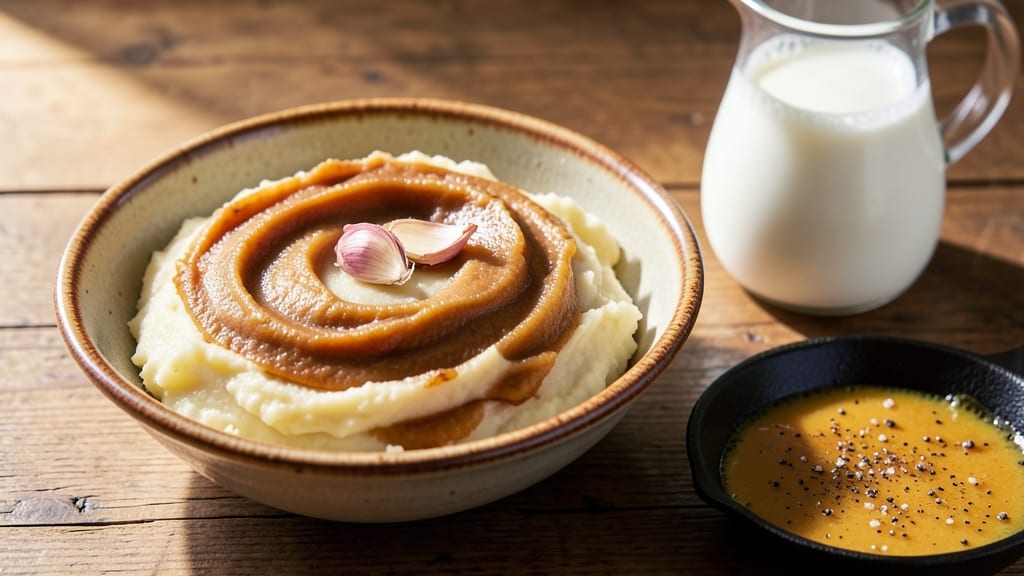
This traditional mashed potato recipe delivers the creamy, buttery perfection that makes every holiday meal feel special. The secret lies in selecting the right potatoes and mastering the balance between velvety smoothness and a subtle rustic crunch—something store-bought versions simply can't replicate.
I've perfected this method over years of testing, ensuring every batch turns out consistently smooth yet richly textured, with just enough bite to keep it interesting.
The foundation starts with starchy potatoes like Russets or Yukon Golds, boiled until tender but never mushy, then mashed with generous amounts of European-style butter and warm milk.
What sets this recipe apart is the technique of working in small batches, allowing the butter to fully incorporate without turning the potatoes greasy. The result is a silky, golden mash with a velvety mouthfeel that clings perfectly to every forkful.
What you'll achieve is a side dish so luxurious it feels like a centerpiece—creamy yet light, rich without being heavy, and with that signature rustic texture that only comes from traditional methods.
The aroma alone will have everyone anticipating dinner, and the first bite will confirm why this recipe has been a holiday staple for generations. Ready to elevate your mashed potatoes to restaurant-quality? Let's get started.
This method works beautifully for any occasion, from Thanksgiving feasts to simple weeknight dinners. For added depth, consider roasting the potatoes first or infusing the milk with garlic and herbs. The possibilities are endless while maintaining that classic, comforting flavor profile that makes traditional mashed potatoes unforgettable.
Ingredients for traditional mashed potato
Nine ingredients transform into silky, golden perfection—creamy yet rustic, rich yet light.
| Ingredient | Amount | Notes |
|---|---|---|
| Russet Potatoes 🥔 | 3 lb | Organic preferred, skin-on for texture |
| Unsalted European-Style Butter 🧈 | 1 ½ cups | High-fat content (82% minimum) |
| Whole Milk 🥛 | 1 ½ cups | Warmed to 110°F for best incorporation |
| Large Garlic Cloves 🧄 | 2 cloves | Optional, roasted for depth |
| Sea Salt 🧂 | 1 ½ tsp | Fine grain, kosher preferred |
| Freshly Ground Black Pepper 🌶️ | ½ tsp | Freshly cracked for maximum aroma |
| Fresh Rosemary 🌿 | 1 tsp | Chopped, optional aromatic touch |
| Heavy Cream 🥛 | ¼ cup | For ultra-creamy finish (optional) |
| Chicken or Vegetable Broth 💧 | ¼ cup | Low-sodium for balance |
The potatoes are non-negotiable: Russets deliver that signature fluffy texture, while Yukon Golds add natural sweetness. Organic potatoes from Whole Foods or local farms stay fresher longer, but conventional works fine. Avoid waxy potatoes like red skins—they won't mash properly. For the butter, Plugrá or Kerrygold are the gold standard, but any European-style butter with 82% fat content will work. The milk should be whole (2% or skim will make the mash watery), and warming it to 110°F ensures perfect incorporation without curdling. If you're feeling fancy, infuse the milk with a roasted garlic clove while warming—it adds depth without overpowering.
No European-style butter? Cultured butter with high fat content (like Land O'Lakes) works in a pinch, but you may need to add an extra tablespoon. Short on whole milk? Heavy cream at half the quantity gives similar richness, though the texture will be slightly heavier. The broth is optional but adds insurance against dryness—low-sodium is key so you don't over-salt. Fresh rosemary is ideal, but dried at one-third the amount suffices. For a dairy-free version, swap butter for olive oil and milk for unsweetened almond milk, though the texture will differ significantly. And if you're serving a crowd, double the recipe—just be prepared to mash in batches to maintain that velvety texture.
Potatoes keep best in a cool, dark place for up to 2 weeks, but refrigerating them speeds up starch conversion and makes them mealy. Once peeled, store them in cold water until boiling to prevent browning. The butter should stay sealed in the fridge for up to 6 months, while milk lasts 1 week after opening. For make-ahead convenience, prepare the mash up to 2 days in advance—it actually tastes better as the flavors meld. Reheat gently in a double boiler or microwave with a splash of milk to restore creaminess. Leftovers freeze beautifully for up to 3 months in an airtight container, though the texture may soften slightly upon thawing.
Why You'll Love This Recipe
- Here’s what sold me: European-style butter melts into these potatoes like a dream, creating that velvety texture we all love. The whole milk keeps it creamy without being greasy, and the salt? Don’t skimp—it’s the secret to making every bite ridiculously good. Honestly, I’ve tried lighter versions, but this one’s a no-brainer for comfort food lovers.
- Fewer Ingredients, Bigger Payoff: I swear by this recipe because it’s that simple—just potatoes, butter, milk, garlic, and salt. No heavy cream, no sour cream, no fancy gadgets. The Russets break down perfectly with just boiling and mashing, and the garlic? Roasted or raw, it adds depth without overpowering. That’s the magic: minimal effort, maximum flavor.
- Butter So Rich, You’ll Want More: Here’s what sold me: European-style butter melts into these potatoes like a dream, creating that velvety texture we all love. The whole milk keeps it creamy without being greasy, and the salt? Don’t skimp—it’s the secret to making every bite ridiculously good. Honestly, I’ve tried lighter versions, but this one’s a no-brainer for comfort food lovers.
- Weeknight to Holiday, Always Works: Between us, this recipe is my go-to for everything—quick dinners, potlucks, or even Thanksgiving leftovers. The roasted garlic gives it a little sophistication for fancy meals, but the simplicity keeps it foolproof for lazy nights. And because it reheats like a champ, I make a big batch and freeze half for when I’m too tired to cook.
Step-by-step instructions for traditional mashed potatoes
Here's how to achieve that classic buttery texture and rustic crunch every time.
Prepare and Boil the Potatoes
Start by thoroughly rinsing the 3 lb russet potatoes under cold water to remove any dirt or debris. Peel them if desired, though leaving the skin adds texture. Cut them into even 2-inch chunks for consistent cooking. Place the potato pieces in a large pot and cover with cold water by about 2 inches.
Add the 2 cloves large garlic cloves (peeled and halved) to the pot. Bring the water to a boil over high heat, then immediately reduce to a gentle simmer. The potatoes should cook for 20-25 minutes until they're fork-tender when pierced with a sharp knife. Drain the potatoes in a colander and return them to the pot to begin the mashing process.
Warm the Dairy Components
While the potatoes cook, warm the 1.5 cups whole milk and 0.25 cup chicken or vegetable broth together in a small saucepan over medium heat until just steaming. The milk should reach 110°F—this temperature ensures it incorporates smoothly without curdling. Keep it warm but not boiling.
In a separate bowl, melt the 1.5 cups unsalted European-style butter over a double boiler or in a heatproof bowl set over simmering water. The butter should be fully melted and warm but not browned. This warm butter will blend seamlessly with the potatoes for maximum creaminess.
Mash to Perfection
Using a potato masher, ricer, or electric mixer, begin mashing the warm potatoes in the pot. I prefer a ricer for ultra-smooth texture, but a masher works well for rustic texture. Gradually add the warm milk mixture, 1 tablespoon at a time, while continuing to mash. This slow incorporation prevents lumps and ensures even moisture distribution.
Continue mashing until the potatoes reach your desired consistency—smooth and creamy but still slightly rustic. The texture should be light and airy, not dense. If the mixture looks too thick, add more warm milk or broth. For extra depth, fold in the 1 tsp chopped fresh rosemary at this stage.
Finish with Butter and Season
Remove the pot from heat and begin folding in the melted butter using a wooden spoon or spatula. The butter should blend completely, creating a glossy sheen on the surface. Add the 1.5 tsp sea salt and 0.5 tsp freshly ground black pepper, stirring well to distribute evenly.
For that ultra-creamy finish, stir in the 0.25 cup heavy cream. The mixture should be velvety smooth with a luxurious mouthfeel. If you prefer a slightly lighter texture, skip the heavy cream. Taste and adjust seasoning—traditional mashed potatoes should be rich, salty, and subtly peppery.
Serve Immediately for Best Results
Transfer the mashed potatoes to a serving bowl and gently fold them a few times to ensure even consistency. The potatoes should be warm and ready to serve. For that rustic crunch, sprinkle additional cracked black pepper and finely chopped fresh rosemary on top just before serving.
Serve immediately while still warm. The potatoes will continue to thicken slightly as they sit, so don't wait too long. This traditional method delivers that perfect balance of buttery richness and rustic texture that makes these mashed potatoes unforgettable.
Pro Tips For Making Traditional Mashed Potato
- PEEL WHILE COLD: Russets are stubborn when hot—peel them right after boiling while they’re still cool enough to handle. I learned this the hard way when my skin peeled off in strips trying to wrestle with a scalding potato. A damp towel keeps things from slipping, and you’ll save time not waiting for them to cool.
- ROAST GARLIC FIRST: Skip raw garlic’s sharp bite by roasting 2 whole cloves (skin on) in 350°F (175°C) oven for 20 minutes until soft. Mash them into the butter before mixing—it adds sweetness and depth without overpowering. (Yes, even if you’re impatient like me.)
- DON’T OVERWORK THE POTATOES: Once you start mashing, stop when they’re just smooth—overmixing turns them gluey. I used to puree them like soup, but now I leave tiny lumps. A potato ricer (if you’re fancy) or a fork (if you’re not) works better than a blender for texture.
- SALT THE WATER LIBERALLY: Use 2 teaspoons of sea salt in the boiling water—it seasons the potatoes from the inside out. I skipped this once, and the finished mash tasted bland no matter how much I added later. Trust me, the water needs it.
Essential equipment for great traditional mashed potato
Potato Prep Tools
Start with a sharp chef's knife and peeler—I recommend the Mercer Culinary Genesis knife for precision peeling. A mandoline slicer with a 2-inch thickness guide ensures even potato chunks for consistent boiling. For organic potatoes, a vegetable brush helps remove stubborn dirt before peeling. 🥔
Boiling Essentials
A large stainless steel pot (I use All-Clad 8-quart) prevents discoloration and handles high heat well. A fine-mesh colander with non-slip feet makes draining easier, while a kitchen timer ensures potatoes cook to perfect doneness. For garlic lovers, a garlic press makes mincing cloves quick and even.
Mashing Equipment
The OXO Good Grips Potato Ricer is my go-to for ultra-smooth texture, but a stainless steel masher (like Cuisinart) works for rustic results. For electric help, a KitchenAid Stand Mixer with the paddle attachment handles large batches effortlessly.
A wooden spoon is essential for folding in butter without breaking the emulsion.
Dairy Warmers
A double boiler setup (using a heatproof bowl over simmering water) keeps milk and butter at 110°F without scorching. For speed, a microwave-safe measuring cup works in 30-second bursts—just stir between intervals. A thermometer (like Thermoworks Thermapen) ensures precise temperature control for perfect incorporation.
Finishing Touches
Fresh herbs need a sharp herb scissors for clean chopping, while cracked black pepper requires a pepper mill (I love Baratza Encore). A fine-mesh sieve helps strain excess liquid if your mash gets too wet.
For serving, a ceramic or glass bowl maintains heat better than metal—just avoid plastic, which can absorb odors. 💡
Nutrition facts
Frequently asked questions
What's the best potato type for traditional mashed potatoes?
For the classic texture, use Russet potatoes (their high starch content creates fluffiness) or Yukon Golds (for natural sweetness and creaminess). Avoid waxy varieties like red potatoes—they'll stay dense and gluey.
Why does my mashed potato recipe turn out gluey?
Over-mashing or using the wrong potatoes causes glueiness. Work in small batches and stop mashing when the potatoes are just fork-tender, not mushy. Also, ensure you're using starchy potatoes and avoid over-salting the boiling water.
Can I make mashed potatoes ahead of time?
Yes! Prepare them up to 2 days in advance and store in an airtight container. The flavors actually meld beautifully. To reheat, warm gently in a double boiler or microwave with a splash of milk to restore creaminess. For best texture, serve within 30 minutes of reheating.
How do I keep mashed potatoes from getting watery?
Use warm dairy (milk/butter) instead of cold, and add it slowly while mashing. For extra insurance, stir in 1 tablespoon butter at the end to bind the mixture. If needed, let the potatoes sit 5 minutes after mashing to thicken naturally.
What's the secret to ultra-creamy texture?
The key is using European-style butter (82% fat) and warm dairy. Mash with a ricer for silky smoothness, and fold in melted butter at the end. For restaurant-quality results, work in small batches to prevent lumps. Heavy cream adds richness, but whole milk works perfectly too.