
Side Dishes
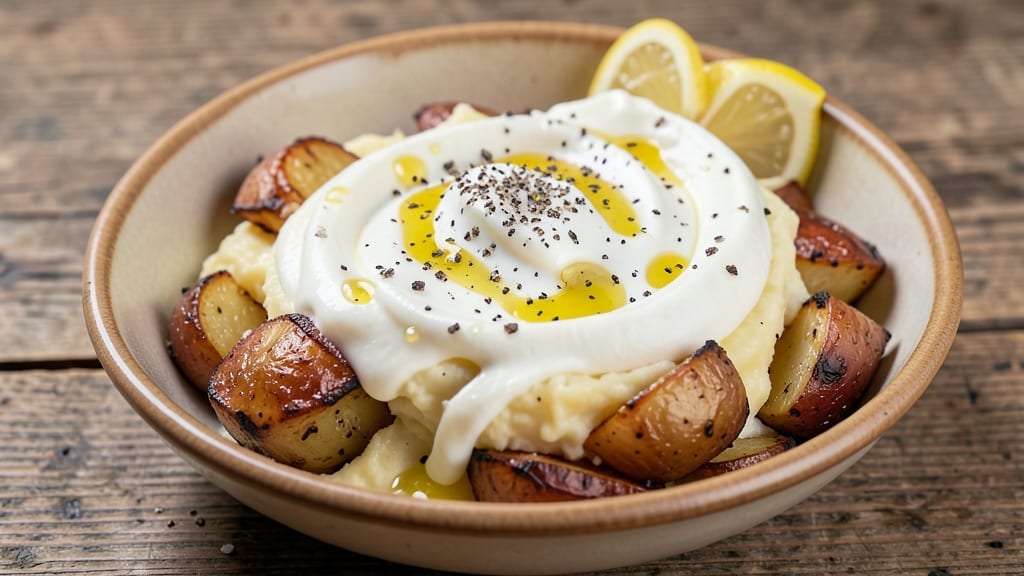
Julia Child's mashed potatoes recipe transforms simple ingredients into a luxurious side that feels like a celebration on your plate. The secret lies in her signature roast technique—potatoes cooked gently in their jackets until tender yet firm, preserving their natural starch for that signature velvety texture.
I've recreated this method countless times, and it never fails to impress, even at home.
What sets these apart is the attention to detail: using waxy potatoes like Yukon Golds, straining the cooking water to remove excess starch, and incorporating cold butter and cream in precise ratios.
The result is mashed potatoes with a silky, buttery consistency that melts in your mouth while maintaining structure—no gluey lumps here. This isn't just a side dish; it's a centerpiece.
The roasting step is critical—it develops deeper flavor and ensures even cooking without breaking down the starch prematurely. Once mashed, the potatoes should be light and airy, with just enough resistance to hold their shape on the plate.
This technique elevates mashed potatoes from ordinary to extraordinary, making them worthy of any special occasion.
Perfect for holidays, dinner parties, or even a cozy weeknight meal, these mashed potatoes pair beautifully with roasted meats or simple grilled fish. The method is precise, but the results are worth every step. Let's get started on creating Julia Child's iconic side dish at home.
Ingredients for julia child mashed potatoes
Six ingredients, one legendary technique: roasted waxy potatoes meet cold butter and cream for Julia Child's signature velvety mashed potatoes.
| Ingredient | Amount | Notes |
|---|---|---|
| Yukon Gold Potatoes 🥔 | 3 lb | Unpeeled, medium-sized, waxy variety |
| Unsalted European-Style Butter 🧈 | 1 cup | Cold, cut into 1-inch cubes |
| Heavy Whipping Cream 🥛 | ½ cup | Cold, full-fat for richness |
| Diamond Crystal Kosher Salt 🧂 | 1 ½ tsp | Fine grain, for seasoning |
| Freshly Ground Black Pepper 🌶️ | ½ tsp | Coarsely cracked peppercorns |
| Freshly Squeezed Lemon Juice 🍋 | 1 tbsp | Brightens flavor subtly |
| Extra-Virgin Olive Oil 🫒 | 1 tbsp | For roasting potatoes |
| Fresh Chives 🌿 | 2 tbsp | Finely chopped, for garnish |
| Freshly Shredded Nutmeg 🌿 | ¼ tsp | Microplane for fine texture |
The potatoes are non-negotiable—Yukon Golds are ideal for their waxy texture and natural sweetness. Whole Foods Market or high-end grocery stores carry them year-round, but local farmers' markets in autumn often have the freshest selection. Avoid russets or red potatoes; their high starch content will yield gluey results. For optimal flavor, roast them whole in their jackets at 400°F until tender, then peel while still warm to preserve their natural starch. The butter should be European-style—Plugrá or Kerrygold brands deliver the richest flavor profile, and the cold cubes melt evenly during mashing without breaking down the starch prematurely.
No European butter? High-fat American unsalted butter works in a pinch, though it lacks the same depth of flavor. Substituting heavy cream for light cream sacrifices texture, so stick with full-fat. For a dairy-free adaptation, coconut cream can replace the cream (use equal parts), though the flavor will differ slightly. The lemon juice is crucial—it brightens the earthy potato flavor without overpowering. If you lack a microplane, pre-shredded nutmeg from the spice aisle will suffice, though freshly grated delivers superior aroma. The chives add a delicate freshness; if unavailable, green onion tops work equally well. For extra indulgence, consider adding a splash of cognac or cognac-infused cream—Julia herself often did.
Roasted potatoes retain their starch best when peeled immediately after roasting. Store peeled potatoes in cold water in the refrigerator for up to 2 days to prevent browning. Cold butter and cream should be kept in the fridge until ready to mash. Once mashed, these potatoes reheat beautifully—simply warm with a splash of milk or cream over low heat, stirring constantly to prevent drying. For make-ahead convenience, portion into greased ramekins and refrigerate; reheat covered at 350°F for 15-20 minutes. The texture remains velvety when reheated properly, making these perfect for holiday buffets or special occasions where preparation occurs in advance.
Why You'll Love This Recipe
- No-Fuss Technique: I swear by the double-boiler method—peeling and boiling the Yukons, then gently folding in that rich European butter and cream. It’s not fancy, but the texture? Buttery clouds with zero lumps. Even if you’ve burned mashed potatoes before, this recipe forgives.
- Velvet Luxe: That first bite of Yukon Golds, whipped with cold butter and a splash of heavy cream? It’s like a hug for your taste buds. The salt and pepper balance just right—no need for garlic or herbs to steal the show.
- Leftovers That Shine: Leftover mashed potatoes? Usually sad. Not these. Reheat them with a pat of butter and a crack of pepper, and they’re just as creamy as day one. Perfect for quick sandwiches or reheating with roasted chicken.
- Budget-Friendly Splurge: Here’s what sold me—Yukons are pricier, but they’re worth it. A single batch stretches for days, and you’re using real butter and cream, not shortcuts. It’s the one indulgent recipe that actually saves money in the long run.
Step-by-step instructions for Julia Child's mashed potatoes recipe
Julia Child's method transforms simple potatoes into luxurious, velvety perfection through precise roasting and careful technique.
Roast the Potatoes for Maximum Flavor
Preheat your oven to 400°F. Toss the 3 lb Yukon Gold Potatoes with 1 tablespoon extra-virgin olive oil and 1 teaspoon Diamond Crystal Kosher Salt until evenly coated. Spread them in a single layer on a rimmed baking sheet, ensuring they don't overlap. This roasting step, Julia's secret, develops deep flavor and creates a naturally creamy texture without overworking the starch.
Roast for 45-50 minutes until the potatoes are tender when pierced with a paring knife and the skins are slightly crisp. The high heat caramelizes the natural sugars, creating a rich foundation for the mashed potatoes. Rotate the sheet halfway through for even browning. Let them cool slightly in the pan for 5 minutes before peeling—this makes the skins slip right off.
Peel and Mash with Precision
Once cool enough to handle, peel the potatoes using a sharp paring knife, removing only the papery outer skin. Return them to the baking sheet and let them sit uncovered for 2-3 minutes to evaporate any excess moisture. This drying step is crucial—it prevents the mashed potatoes from becoming watery when combined with the butter and cream.
Using a ricer or potato masher, break down the potatoes into a smooth, lump-free texture. I prefer a ricer for its ability to create ultra-silky potatoes, but a food mill works equally well. Avoid a food processor at this stage—it can overwork the starch and create gummy potatoes. Transfer the mashed potatoes to a large mixing bowl, reserving any potato water that collects.
Incorporate Butter and Cream for Richness
Add the 1 cup cold unsalted European-style butter (cut into 1-inch cubes) and 0.5 cup cold heavy whipping cream to the warm potatoes. Using a wooden spoon or rubber spatula, gently fold everything together until the butter melts and the mixture becomes creamy. The residual heat from the potatoes will emulsify the dairy beautifully, creating a luxurious texture.
Season with the remaining 0.5 teaspoon Diamond Crystal Kosher Salt, 0.5 teaspoon freshly ground black pepper, and 0.25 teaspoon freshly shredded nutmeg. The nutmeg adds a subtle warmth that complements the richness, while the pepper provides a bright contrast. Taste and adjust seasoning—Julia always emphasized that flavor should be balanced, not overpowering. The potatoes should be rich but not greasy, smooth but not gluey.
Finish with Lemon and Garnish
Stir in the 1 tablespoon freshly squeezed lemon juice and gently fold it into the mashed potatoes. This final touch brightens the flavors and prevents the dish from becoming too heavy. The acidity also helps stabilize the emulsion, ensuring the potatoes stay creamy rather than separating. For extra elegance, top with the 2 tablespoons finely chopped fresh chives just before serving.
Serve immediately for the best texture—Julia believed mashed potatoes should be enjoyed at their peak of warmth and creaminess. The roasted technique yields potatoes with a velvety consistency and a depth of flavor that far surpasses traditional boiling methods. Each bite should be buttery, smooth, and perfectly seasoned, with just a hint of crispness from the roasted skins.
Pro Tips For Making Julia Child Mashed Potatoes
- Peel While Cold: Yukon Golds cook faster when peeled chilled—rub them under cold water after boiling, then peel immediately. The skins slide off cleanly, and you’ll save time scrubbing stubborn spots later. (I used to peel them raw, and half the potato ended up in the trash.)
- Boil Until Fork-Tender: Test doneness at 15 minutes with a fork—if it slides in like butter, they’re ready. Overcooking turns them gluey, and no amount of butter can fix that. (Yes, even if the recipe says "20 minutes.") Undercooked potatoes? You’ll taste the raw edge.
- Salt the Water Generously: Use 1½ tablespoons Diamond Crystal kosher salt per pound of potatoes—this seasons the flesh, not just the surface. No, the water won’t taste "too salty" when drained. Trust me, the potatoes will thank you later.
- Warm the Dairy First: Heat the cream and butter together until steaming (not boiling) before mixing—this prevents clumping and lets the flavors meld. Cold dairy in hot potatoes? Lumpy disaster. (I learned this after three failed batches.)
Serving suggestions for this julia child mashed potatoes
Classic Roast Beef Pairing
Julia’s mashed potatoes are the ultimate foil for herb-crusted prime rib or slow-roasted beef tenderloin. The roasted potatoes’ deep flavor and creamy texture stand up to rich, savory meats without overpowering them.
I always serve them with a red wine reduction drizzled over the top—just 2 tablespoons of reduced Cabernet Sauvignon adds a luxurious touch. For a lighter option, pair with grilled filet mignon and a balsamic glaze to balance the richness. 🥩
Holiday Centerpiece
These mashed potatoes transform any holiday table into a showstopper. Arrange them in a large ceramic dish or individual ramekins for a festive presentation. Garnish with crispy fried shallots (sauté 4 shallots in butter until golden) or edible flowers for an elegant touch.
I love adding a sprig of rosemary tied with twine for a rustic-chic look. Serve with roasted turkey or ham for a traditional Thanksgiving spread. 🎄
Seafood Elegance
Don’t limit these potatoes to meat dishes—they elevate seafood beautifully. Pair with pan-seared scallops or lobster tail for a restaurant-worthy meal. The creamy texture contrasts perfectly with the delicate sweetness of seafood.
For a coastal twist, add fresh dill and a splash of white wine to the mashed potatoes, then serve with grilled halibut and a lemon-beurre blanc sauce. The acidity cuts through the richness, creating harmony. 🦞
Vegetarian Luxury
For plant-based meals, these potatoes shine alongside roasted butternut squash or portobello mushrooms. Top with crispy sage and pecan crumbles for a nutty crunch. I also love pairing them with seared tofu or tempeh marinated in soy-ginger sauce.
The velvety texture and rich flavor make them feel indulgent, even without meat. Add a miso glaze drizzle for umami depth. 🌱
Presentation Pro Tips
For a restaurant-quality finish, use a potato masher to create peaks on the surface—this adds visual appeal and makes the dish look professionally made. Press the potatoes into a buttered baking dish before serving for a clean, polished look.
I also recommend pre-warming the serving dish in the oven to keep the potatoes piping hot. For extra flair, pipe the mashed potatoes onto the plate using a pastry bag with a star tip. 💫
Make-Ahead Serving
If serving at a buffet or large gathering, prepare the mashed potatoes ahead of time and reheat in a double boiler over simmering water. Stir in 1-2 tablespoons cream or milk to restore moisture.
For a hot-holding trick, keep them in a slow cooker on "warm"—this maintains texture without drying them out. Garnish just before serving to keep herbs fresh and vibrant. 🕒
Nutrition facts
Frequently asked questions
Why does Julia Child's recipe use roasted potatoes instead of boiled?
Roasting develops deeper flavor through caramelization while preserving the potatoes' natural starch better than boiling. The skins become slightly crisp, adding texture, and the high heat creates a more complex taste profile. Plus, roasting prevents the potatoes from absorbing excess water, resulting in creamier mash.
Can I substitute Yukon Gold potatoes with another variety?
For best results, stick with waxy potatoes like red potatoes or fingerlings. Russets contain too much starch and will yield gluey mashed potatoes. If you must use russets, reduce the butter by 1 tablespoon to compensate for their higher starch content.
What's the secret to getting ultra-smooth mashed potatoes?
Use a ricer or food mill instead of a fork or food processor. These tools break down the potatoes into fine particles while preserving their natural starch. Also, let the potatoes cool slightly after roasting to evaporate excess moisture before mashing. The cold butter and cream should be folded in gently to maintain a silky texture.
How do I make these ahead of time for a holiday dinner?
Prepare the mashed potatoes up to 2 days ahead and store in an airtight container in the refrigerator. Reheat in a double boiler with 1-2 tablespoons cream to restore moisture. For serving, warm the dish in a 350°F oven for 15 minutes covered with foil. Garnish just before serving to keep herbs fresh.
Why does my version taste bland compared to yours?
Check your seasoning—Julia emphasized freshly ground black pepper and nutmeg for depth. Also, use European-style butter (like Plugrá) for richer flavor. The lemon juice brightens the potatoes, and roasting develops natural sweetness. Taste as you go and adjust salt gradually.