
Side Dishes
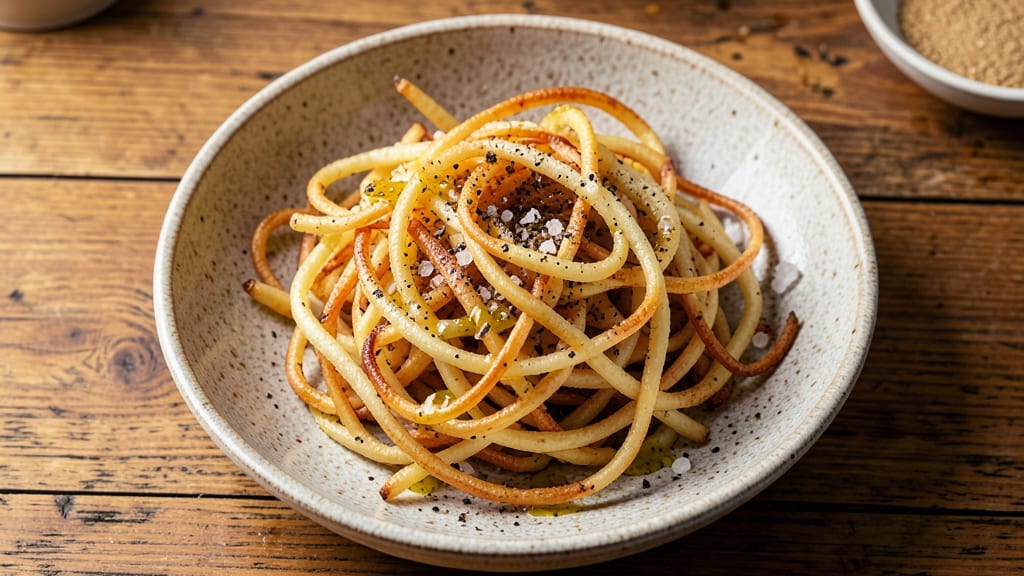
A crispy vinegar-roasted twist is the star of this easy spiralize potatoes recipe, proving that even humble spuds can shine. This spiralized potatoes recipe delivers restaurant-quality texture in just 20 minutes, with a method so simple even beginners will achieve perfect results every time.
The secret lies in the vinegar marinade, which creates that signature tangy crunch while keeping the insides tender.
What makes this recipe stand out is its versatility—these crispy potato twists work as a standalone side dish or pair beautifully with proteins like grilled chicken or salmon.
The vinegar not only enhances crispiness but also balances the natural starchiness of the potatoes, resulting in a dish that's both satisfying and light. No special equipment beyond a spiralizer (or even a sharp knife) is required, making this a foolproof technique for any kitchen.
The process begins with peeling and spiralizing the potatoes, then a quick vinegar bath that transforms their texture completely. When roasted at high heat, they develop a golden, caramelized exterior with a satisfying crunch that holds up even after serving.
The result is a dish that's crispy on the outside, tender on the inside, and packed with flavor—perfect for elevating any meal from ordinary to extraordinary.
These potato twists also adapt effortlessly to different occasions—serve them as a side for holiday dinners, a snack for game day, or even a base for potato salads with added herbs and cheese.
The possibilities are endless, and the method remains consistently reliable. Let's get started on creating your crispy vinegar-roasted potato twists today.
Ingredients for spiralize potatoes
Nine essential ingredients transform humble russets into crispy, vinegar-kissed twists that rival restaurant sides.
| Ingredient | Amount | Notes |
|---|---|---|
| Russet Potatoes 🥔 | 2 lbs | Uniform size, waxy variety preferred |
| White Vinegar 💧 | ½ cup | Distilled for consistent flavor |
| Extra-Virgin Olive Oil 🫒 | ¼ cup | Light infusion for crispiness |
| Salt 🧂 | 1 ½ tsp | Diamond Crystal kosher preferred |
| Black Pepper 🌶️ | ½ tsp | Freshly cracked for aroma |
| Garlic Powder 🧄 | ½ tsp | Not garlic salt |
| Dried Thyme 🌿 | ¼ tsp | Or 1 tbsp fresh thyme leaves |
| Paprika 🌶️ | ½ tsp | Smoked for depth of flavor |
| Cayenne Pepper 🔥 | ⅛ tsp | Adjust for heat preference |
The russet potatoes are the foundation—uniform size ensures even cooking, while waxy varieties like Yukon Gold resist falling apart during spiralizing. Organic russets from Whole Foods or Trader Joe's deliver consistent texture, but conventional brands work fine. Avoid potatoes with sprouts or soft spots. For spiralizing, peel first—the vinegar bath won't penetrate thick skins effectively. If you lack a spiralizer, a sharp mandoline or even a knife works (just be patient). The key is thin, consistent strands—about 1/4-inch thick—for maximum crispiness.
White vinegar is non-negotiable here—its acidity creates that signature tangy crunch. Apple cider vinegar works in a pinch, but distilled delivers the most reliable results. The olive oil isn't just for flavor; it creates a light barrier that enhances browning. Use light olive oil (not extra-virgin) to avoid bitterness. For the spices, Penzeys brand or bulk bins at natural markets ensure potency. Fresh thyme? Use triple the amount of dried. The cayenne is optional but recommended—it adds subtle heat that balances the potatoes' earthiness without overpowering.
Store pre-spiralized potatoes in vinegar water (1 part vinegar to 3 parts water) in the fridge for up to 24 hours before roasting. Once roasted, these twists stay crispy for 3-4 days in an airtight container, though they're best served immediately. For meal prep, roast in batches and reheat at 400°F for 3-5 minutes to restore crispness. Freezing isn't recommended—they lose texture, but you can freeze the vinegar bath mixture separately for up to 3 months if you're prepping ahead.
Why You'll Love This Recipe
- No Spiralizer? No Problem: I’ll be real—you don’t need a fancy gadget. A sharp knife and steady hand work just fine, and the vinegar bath keeps those edges from browning while you spiral. (Yes, even on a Tuesday night.)
- Crispy-Creamy Magic: That first bite—golden, paper-thin edges with a buttery center? The olive oil and salt do all the heavy lifting here, but the vinegar’s tang cuts through the richness like a perfect balance. Honestly, it’s the kind of dish that makes you want to skip dessert.
- Weeknight Meal Prep Hero: Toss these in a container with a drizzle of olive oil, and they’ll stay fresh for days. Reheat straight from the fridge, or throw them into salads, grain bowls, or even a quick pasta for lunch. My daughter picks out the prettiest spirals for her plate, but we all end up fighting over the leftovers.
- Budget-Friendly Crunch: Russets are cheap, and this recipe stretches them further than fries or roasted wedges ever could. A single bag feeds my family for three meals, and the vinegar and oil are pantry staples. Not the prettiest, but the taste makes up for it—and my wallet thanks me.
Step-by-step instructions for crispy vinegar-roasted potato twists
Here's the precise method to transform spiralized potatoes into perfectly crispy, vinegar-kissed twists every time.
Prepare and Soak the Spiralized Potatoes
Using a high-quality vegetable spiralizer, cut the 2 lbs russet potatoes into ¼-inch thick strands. Immediately transfer them to a large bowl and toss with the 0.5 cup white vinegar. This acid treatment breaks down starches on the surface, creating that signature crispy texture we're after. Let them soak for exactly 10 minutes while you prepare the seasoning blend.
Don't skip this soaking step - it's what transforms limp potato strands into restaurant-quality crispy twists. After soaking, drain the vinegar completely using a fine-mesh colander and pat the strands dry with paper towels. Any remaining moisture will prevent proper browning in the oven. I like to work in batches if needed, keeping the drained potatoes in a single layer on a clean kitchen towel to absorb excess moisture.
Season the Potato Twists Thoroughly
In a small mixing bowl, combine the 1.5 tsp salt, 0.5 tsp black pepper, 0.5 tsp garlic powder, 0.25 tsp dried thyme, 0.5 tsp paprika, and 0.125 tsp cayenne pepper. This blend delivers smoky depth with a subtle heat that complements the crispy texture perfectly. Using clean hands, toss the dried potato strands with the seasoning mixture until every twist is evenly coated.
The key here is generous but even distribution. I press the seasoning into the strands with my fingertips to ensure it adheres to the surface rather than just coating the outside. For extra crispiness, I recommend using a light touch when tossing - we want the strands to maintain their shape rather than becoming a dense mass. This seasoning will develop into a flavorful crust during roasting.
Roast Until Deep Golden and Crispy
Preheat your oven to 425°F with the rack positioned in the middle position. Line two large baking sheets with parchment paper and lightly mist them with extra-virgin olive oil using a spray bottle. Arrange the seasoned potato strands in a single layer, leaving ½-inch between each twist to allow for even browning and crisping. This is crucial - overcrowding will steam the potatoes rather than crisp them.
Roast for 15-18 minutes, rotating the baking sheets halfway through if your oven has hot spots. You'll know they're perfectly crispy when they develop a deep golden brown color and the edges begin to curl slightly at the ends. The internal temperature should reach 150°F at their thickest points. For extra assurance, test a few strands - they should snap when bent rather than feeling soft.
Finish with Olive Oil for Maximum Crispiness
Remove the baking sheets from the oven and immediately drizzle the potato twists with the 0.25 cup extra-virgin olive oil. Using a silicone spatula, toss the hot potatoes with the oil until they're evenly coated. This final step creates an irresistible crispy exterior while maintaining their delicate interior. Return the sheets to the oven and roast for an additional 2-3 minutes until the oil is fully absorbed and the twists are uniformly golden.
Work quickly during this final step - the potatoes will continue crisping as they cool. For best results, serve immediately while still hot and crispy. The vinegar treatment combined with the high-heat roasting creates a perfect balance of textures: crispy edges that snap, tender centers that yield slightly, and a flavor profile that's both savory and subtly tangy from the vinegar treatment.
Pro Tips For Making Spiralize Potatoes
- SOAK THE POTATOES FIRST: I learned this the hard way—skipping the soak means soggy, gluey potato ribbons that stick together like overworked dough. Toss the spirals in a bowl of cold water with a splash of white vinegar for 10 minutes. The vinegar keeps them bright, and the water washes off excess starch so they crisp up instead of turning to mush.
- CUT THE SPIRALS SHORTER THAN YOU THINK: Long, dramatic spirals look impressive, but they cook unevenly—ends stay raw while the middle turns to paste. Aim for 2-3 inch lengths; they’ll crisp faster and stay crisp longer. Yes, even if it means more trips to the spiralizer.
- SALT THE OIL, NOT THE POTATOES: After burning three batches, I finally figured out that salting the potatoes before frying just makes them sweat and steam instead of crisp. Instead, heat your olive oil in a cold pan, add a generous pinch of salt, and let it dissolve completely before adding the potatoes. The seasoning clings better, and the oil stays hotter longer.
- REST THE SPIRALS BEFORE FRYING: Sounds weird, but it works: let the potato ribbons sit in a single layer on a paper towel for 5 minutes after soaking. This lets surface moisture evaporate, so they hit the oil dry and crisp instead of splattering everywhere. I know, I know—you’re eager to fry, but trust the process.
Pro cooking tips for this dish
Spiralizer Mastery
Invest in a quality spiralizer like the OXO Good Grips or Mandoline Pro for consistent ¼-inch thick strands—thinner strands crisp faster but may overcook. If using a knife, cut potatoes lengthwise into ½-inch thick slices first, then carefully shave into thin strips.
For extra crispiness, I recommend spiralizing potatoes immediately before soaking—delaying this step by even 15 minutes can cause the strands to soften. 🌟
Vinegar Bath Science
The vinegar soak isn’t just about flavor—it’s a chemical reaction that breaks down surface starches, creating that signature crunch. Use white vinegar (not apple cider) for maximum acidity, and soak for exactly 10 minutes—any longer risks making the potatoes mushy.
After draining, pat dry with paper towels until completely moisture-free. I like to spread them on a clean kitchen towel in a single layer to absorb excess liquid. 💧
Oven Temperature Control
Preheat your oven to 425°F—this high heat is crucial for crispiness. Use two baking sheets to avoid overcrowding, and arrange strands in a single layer with ½-inch spacing between each.
If your oven runs hot, reduce to 400°F and increase roasting time by 2-3 minutes. I test doneness by bending a strand—it should snap crisply rather than bend. 🌡️
Seasoning Distribution
Don’t just toss seasoning—press it into the strands with your fingertips to ensure even coating. The spices should adhere to the surface rather than clumping. For extra flavor, I recommend adding 1 tsp smoked paprika to the seasoning blend.
This step is where the magic happens—properly seasoned twists develop a flavorful crust during roasting. 🌶️
Final Olive Oil Drizzle
The last step—drizzling with extra-virgin olive oil and tossing—is what elevates these twists from good to restaurant-quality. This final coat locks in moisture while enhancing crispiness. Return to the oven for just 2-3 minutes—any longer risks burning the oil. Serve immediately while still hot and crispy. 🔥
Equipment Shortcuts
No spiralizer? A sharp mandoline or even a peeler works—just be patient. For large batches, I recommend using a food processor with a julienne attachment (like the Cuisinart DLC-100PSM). If your oven lacks even heat, rotate baking sheets halfway through roasting for uniform crispiness. 💡
Nutrition facts
Frequently asked questions
Can I use any type of potato for spiralizing?
Russet potatoes are ideal for this recipe due to their low moisture content and starchy texture, which creates the perfect crispy exterior. For best results, avoid waxy varieties like red potatoes—they tend to fall apart during spiralizing and roasting. Yukon Golds can work in a pinch but may yield slightly less crispy strands.
What if I don't have a spiralizer?
No problem! A sharp mandoline, peeler, or even a knife works perfectly. For knife method, cut potatoes lengthwise into ½-inch thick slices, then carefully shave into thin strips. For large batches, a food processor with a julienne attachment (like Cuisinart DLC-100PSM) is a great alternative.
How do I prevent the potato twists from sticking together?
After draining the vinegar bath, pat the strands completely dry with paper towels and spread them in a single layer on a clean kitchen towel. Arrange them on baking sheets with ½-inch spacing between each twist. Avoid overcrowding—this ensures even crispiness and prevents sticking during roasting.
Can I make these ahead of time?
Spiralized potatoes can be soaked in vinegar water (1:3 ratio) in the fridge for up to 24 hours before roasting. For best texture, roast immediately after draining. If reheating, spread on a baking sheet and warm at 400°F for 3-5 minutes to restore crispiness.
What are the best ways to serve these potato twists?
These crispy twists pair beautifully with grilled meats, roasted chicken, or as a standalone snack with dips like garlic aioli or sour cream. For a complete meal, serve with a fresh green salad and steamed vegetables. They also make an excellent topping for loaded baked potatoes or as a crunchy element in potato salads.