Side Dishes
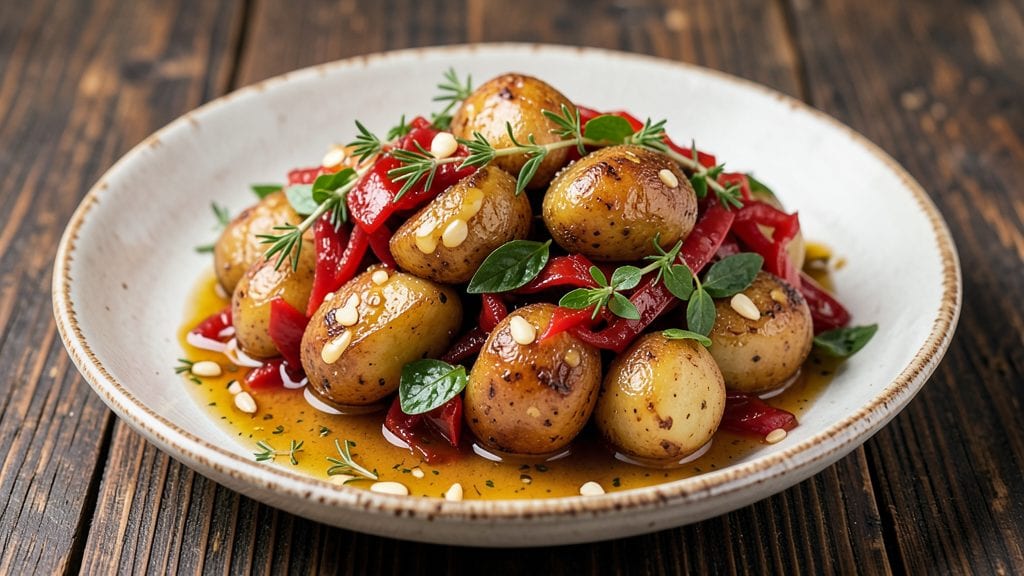
This sauerkraut and potatoes recipe transforms humble ingredients into a bold, tangy side dish that pairs perfectly with roasted meats or hearty stews. The marriage of fermented sauerkraut with tender potatoes creates a dish that's both comforting and complex—savory, slightly sour, and impossibly satisfying.
I first discovered this combination while exploring German-inspired dishes, and it quickly became a staple in my kitchen for its ability to elevate any meal.
The beauty of this recipe lies in its simplicity: just a few ingredients and a straightforward cooking process that yields restaurant-quality results.
You'll start by parboiling the potatoes to achieve that perfect creamy yet firm texture, then finish them in the oven with sauerkraut and a touch of butter for richness. The tangy fermented cabbage cuts through the earthiness of the potatoes, creating a harmonious balance that's impossible to resist.
What you'll end up with is a side dish that's golden, crispy at the edges, and packed with flavor—ideal for serving alongside roasted chicken, pork chops, or even as a standalone vegetarian meal.
The aroma alone will have everyone at the table asking for seconds, and the leftovers reheat beautifully for quick lunches. This is the kind of dish that feels like a hug in food form.
Ready to try it? This recipe delivers foolproof results with minimal effort, making it perfect for weeknight dinners or holiday feasts. Let's get cooking—your taste buds will thank you.
Ingredients for sauerkraut and potato
Just eight ingredients transform simple potatoes into a tangy, crispy masterpiece that steals the show.
| Ingredient | Amount | Notes |
|---|---|---|
| Yukon Gold Potatoes 🥔 | 2 lbs | Cut into 1-inch chunks, skin on |
| Sauerkraut 🥬 | 2 cups | Unopened jar preferred for tang |
| Unsalted Butter 🧈 | 4 tbsp | Cold, cubed for crisp edges |
| Fresh Thyme Leaves 🌿 | 1 tbsp | Or 1 tsp dried thyme |
| Garlic Cloves 🧄 | 3 cloves | Minced, for depth of flavor |
| Apple Cider Vinegar 🍎 | 1 tbsp | Balances sauerkraut acidity |
| Diamond Crystal Kosher Salt 🧂 | 1 tsp | For seasoning, not salting |
| Freshly Ground Black Pepper 🌶️ | ½ tsp | Cracked peppercorns preferred |
| Heavy Cream 🥛 | ¼ cup | Optional for richness |
| Dijon Mustard 🍯 | 1 tsp | For subtle tang |
| Olive Oil 🫒 | 1 tbsp | For tossing potatoes |
The potatoes are the foundation—Yukon Golds because they hold their shape while soaking up the sauerkraut's tang. Grab the pre-cut 1-inch chunks from the grocery store's prepped veggie section to save time, or ask your butcher to cube them if you're feeling fancy. For the sauerkraut, unopened jars from the refrigerated section (like Rehrl or Bubbaproof) have the best flavor. If you're using homemade, drain it well—you want that liquid, not a soggy mess. The butter? Cold, cubed butter creates those golden, crispy edges we're all after—don't skip this part.
No fresh thyme? Dried works at one-third the amount, but fresh has that bright aroma that cuts through the sauerkraut's funk. Running low on apple cider vinegar? White wine vinegar or lemon juice in a pinch, but taste first—the sauerkraut is already tangy. The heavy cream is optional but worth it for that velvety finish—if you skip it, just add a splash of milk for moisture. For the garlic, roast it first (400°F for 10 minutes) if you're feeling extra—it mellows the sharpness and adds sweetness. And if you're making this ahead, add the butter and cream just before serving to keep things crisp.
This reheats like a dream—just pop it in the oven at 375°F for 15-20 minutes until bubbly and golden. Keeps in the fridge for 4-5 days (covered to trap the aroma), but honestly, it disappears faster than that. For meal prep, portion into containers with the sauce on top—it'll soak in overnight and taste even better the next day. Freezes for 3 months if you're planning ahead, but the texture gets a little softer after thawing. Trust me, the leftovers are just as good as the first bite.
Why You'll Love This Recipe
- One-Pan Magic: I swear by this for nights when I’m too tired to wash extra dishes—just slice the potatoes, toss them in a hot pan with the sauerkraut, and let the butter and garlic work their magic. The crispy edges and tender centers happen almost without thinking.
- Tangy Creamy Crunch: That first bite? The buttery Yukon Golds soak up the sauerkraut’s sharp tang while the thyme adds a bright, earthy finish. Honestly, it’s the kind of flavor that makes you forget it’s basically just potatoes and fermented cabbage—until you taste it again and realize how brilliant it is.
- Leftovers That Beg for More: This dish actually improves the next day. The potatoes soften just enough to absorb more of that sauerkraut juice, and the butter keeps it rich without feeling heavy. I’ll be real: I’ve reheated these three times in a row, and my family never complains.
- Budget-Friendly Pantry Power: Sauerkraut lasts forever, potatoes are cheap, and a little butter stretches far when you’re melting it into everything. Between us, this is my go-to when I’m trying to stretch a grocery budget—but somehow, it still feels special. No fancy ingredients, just good stuff.
Step-by-step instructions for sauerkraut and potatoes
Here's how to transform simple ingredients into a dish where crispy potatoes meet tangy fermented goodness.
Par-Cook the Potatoes Until Tender
Place the 2 lbs of yukon gold potatoes in a large pot and cover with cold water by about 1 inch. Add 1 tsp of diamond crystal kosher salt and bring to a boil over high heat. Once boiling vigorously, reduce heat to medium and simmer for 10 minutes until the potatoes are fork-tender but still hold their shape when pierced.
Drain immediately and return the potatoes to the pot. Let them steam-dry for 2 minutes while you prepare the next components. This step ensures your potatoes will crisp beautifully in the oven without becoming mushy. If you prefer extra-crispy skin, you can pat them completely dry with a kitchen towel before proceeding.
Create the Sauerkraut and Herb Base
In a large mixing bowl, combine the 2 cups of sauerkraut, 1 tbsp of apple cider vinegar, 1 tbsp of minced garlic cloves, and 1 tbsp of fresh thyme leaves. Stir well to distribute the flavors evenly. The vinegar helps balance the sauerkraut's acidity while the garlic and thyme add depth.
Add the 4 tbsp of cold, cubed unsalted butter to the bowl and toss everything together until the butter begins to melt slightly and coat the sauerkraut. This creates a flavorful base that will cling beautifully to the potatoes. If using dried thyme instead, reduce to 1 tsp and crush the leaves between your fingers first to release their aroma.
Toss Potatoes with Sauerkraut Mixture
Transfer the par-cooked potatoes to the mixing bowl with the sauerkraut mixture. Using a large spoon or your hands, gently but thoroughly toss everything together until each potato piece is well-coated. The potatoes should absorb the sauerkraut's tangy juices while maintaining their individual shape.
For extra richness, add the 0.25 cup of heavy cream and 1 tsp of dijon mustard to the bowl and toss again. The mustard adds a subtle tang that complements the sauerkraut beautifully. If you prefer a lighter version, skip the cream and mustard but don't reduce any other ingredients.
Roast Until Golden and Crisp
Preheat your oven to 425°F. Spread the potato-sauerkraut mixture evenly on a large rimmed baking sheet, working in batches if needed. For extra crispiness, toss the potatoes with 1 tbsp of olive oil before spreading them out in a single layer.
Roast for 25-30 minutes, stirring once halfway through, until the potatoes are golden brown and crispy on the edges. You'll know they're done when they develop a beautiful caramelized crust and the sauerkraut mixture bubbles slightly around the edges. The potatoes should be tender throughout but still hold their shape when pierced with a fork.
Finish with Seasoning and Serve
Remove the baking sheet from the oven and let the potatoes cool for 2 minutes. Sprinkle evenly with 0.5 tsp of freshly ground black pepper and toss gently to distribute. The pepper adds a nice contrast to the tangy sauerkraut and buttery potatoes.
Serve immediately while still hot, as the crispy edges soften quickly. This dish makes for an excellent side or even a hearty vegetarian main course. The combination of crispy potatoes, tangy sauerkraut, and herby butter creates a perfect balance of textures and flavors that keeps everyone coming back for seconds.
Pro Tips For Making Sauerkraut And Potato
- Parboil Potatoes First: Toss your Yukon Golds in boiling water for 5 minutes before finishing in the pan—this guarantees they’ll be fluffy inside and crispy outside without falling apart. I used to skip this and ended up with sad, gummy potatoes every time.
- Rinse and Drain Kraut: Give your sauerkraut a quick rinse under cold water and drain it well before cooking. The brine is salty enough to overpower the dish if you don’t, and you’ll lose that bright, tangy flavor you’re paying for.
- Sauté Garlic Low: Add your minced garlic to the butter after the potatoes and sauerkraut have already softened, and cook it on the lowest heat possible—just until fragrant. Burnt garlic ruins everything, and this way, it won’t compete with the other flavors.
- Finish with Thyme Late: Tuck your fresh thyme leaves into the pan right at the end, stirring them in for just 30 seconds. This keeps their bright aroma intact instead of letting them stew in the butter and turn bitter—trust me, it’s worth the extra 30 seconds.
Common mistakes when making great sauerkraut and potato
Overcooking the Potatoes
One of the biggest mistakes is letting the potatoes boil too long, which turns them mushy and waterlogged. I’ve seen this happen when people ignore the 10-minute par-cook time and let them simmer longer.
The goal is fork-tender but still firm—if they fall apart when pierced, they’re overdone. For extra insurance, test one piece early and adjust time as needed. 🥔
Skipping the Steam-Dry Step
After draining, many people rush to toss the potatoes with the sauerkraut mixture without letting them steam-dry for 2 minutes. This step is crucial—it removes excess moisture so the potatoes crisp up beautifully in the oven.
If you skip it, you’ll end up with soggy edges instead of the perfect golden crust. Trust me, those 2 minutes make all the difference.
Using Warm Butter
Cold, cubed butter is key for creating those crispy edges, but I’ve seen people melt the butter first to save time. Warm butter coats the potatoes evenly but doesn’t create the same caramelized crust.
If you’re short on time, at least let the butter sit at room temperature for 10 minutes before using—it’ll still give you better results than fully melted butter.
Overcrowding the Baking Sheet
Packing too many potatoes onto the baking sheet causes them to steam instead of crisp. I recommend spreading them in a single layer with ½-inch gaps between each piece.
If you’re short on space, roast in batches—it’s worth the extra time for that perfect texture. A half-sheet pan works best for this recipe.
Ignoring the Sauerkraut Juice
Many people drain the sauerkraut completely, but that liquid is packed with flavor. I recommend using 2 cups of sauerkraut with its juices to keep the dish moist and tangy.
If you’re worried about sogginess, squeeze out just the excess liquid with a paper towel before tossing with the potatoes. This balances the texture without losing flavor.
Not Resting Before Serving
Freshly roasted potatoes continue to crisp up while they rest, but many people serve them immediately after coming out of the oven. Let them sit for 2-3 minutes before serving—this allows the flavors to meld and the edges to firm up.
It’s a small detail, but it makes a world of difference in the final presentation. 💫
Nutrition facts
Frequently asked questions
Can I make this recipe with sweet potatoes instead of Yukon Golds?
Yes, but expect a slightly different texture and flavor. Sweet potatoes will be more moist and slightly sweet, which pairs beautifully with the tangy sauerkraut. Use the same cooking time, but you may want to add an extra 5 minutes of roasting to achieve crispy edges. The dish will still be delicious—just richer and heartier!
How do I store leftovers to keep them crispy?
Store leftovers in an airtight container in the fridge for up to 4-5 days. To reheat while keeping them crispy, spread them on a baking sheet and warm at 375°F for 15-20 minutes until bubbly. For extra crunch, add a drizzle of olive oil before reheating. The flavor actually improves overnight as the sauerkraut mellows slightly.
What's the best way to make this vegetarian-friendly?
This recipe is already vegetarian! For extra protein, serve with a side of chickpeas or white beans. You can also add ½ cup of crumbled feta cheese during the final toss for a Mediterranean twist. The tangy sauerkraut balances beautifully with plant-based proteins, making it a satisfying meat-free meal.
Can I substitute sauerkraut with another fermented vegetable?
While sauerkraut is ideal, you can try kimchi for a spicier version or fermented green beans for a milder tang. Use the same amount (2 cups) and adjust seasoning—kimchi may need extra salt while green beans might need more acid (like an extra ½ tbsp vinegar). The texture will differ slightly, but the flavor pairing still works well.
Why does my dish taste too sour?
Too much sauerkraut juice or vinegar can make the dish overly acidic. Balance it by adding 1 tsp sugar or ½ tsp honey to the mixture before roasting. If using homemade sauerkraut, which can be more acidic, reduce the vinegar to ½ tbsp instead. Taste as you go—you can always adjust after roasting with a pinch of salt or a splash of cream.