
Side Dishes
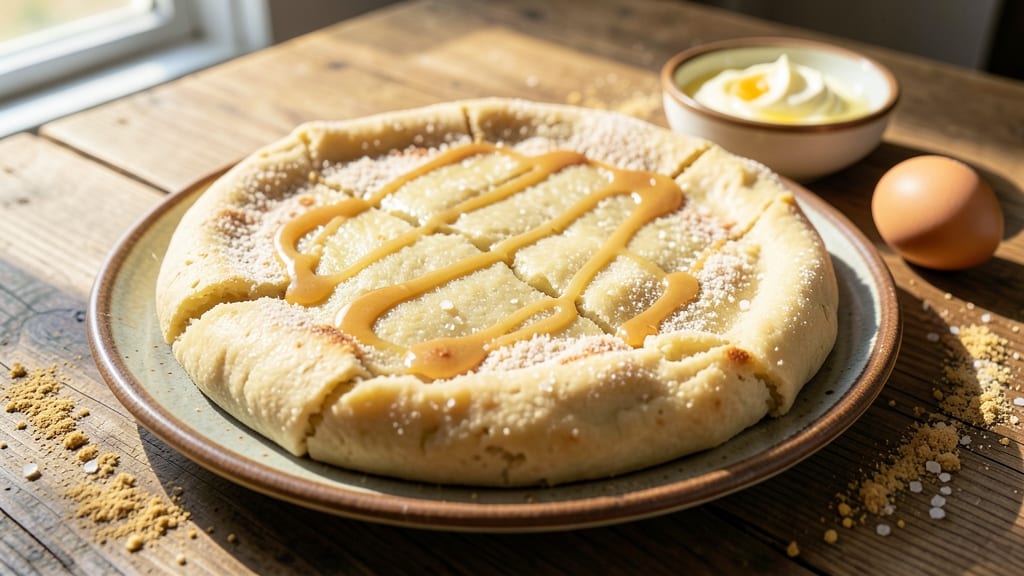
This potato dough recipe transforms humble mashed potatoes into pillowy, golden clouds with a satisfying cornmeal crunch—perfect for pierogi, gnocchi, or crispy latkes. The secret lies in balancing moisture and structure, creating dough that's light enough to puff beautifully yet sturdy enough to hold its shape.
I developed this method after years of experimenting with traditional recipes, refining the technique to eliminate common pitfalls like gummy textures or dense results.
The foundation of great potato dough begins with properly cooked and drained potatoes, then carefully mixed with cornmeal for that signature crispy exterior. Unlike many recipes that rely on excessive flour, this version uses minimal cornmeal to achieve the perfect crunch while maintaining a tender interior.
The dough is designed to be versatile—whether you're shaping it into delicate pierogi, rustic gnocchi, or crispy latkes, the technique remains the same.
What you'll achieve is a dough that bakes or fries to golden perfection, with a crispy exterior that shatters slightly and a fluffy interior that melts in your mouth. The cornmeal creates those coveted crunchy pockets while the potato base ensures a satisfying, hearty bite.
This recipe delivers restaurant-quality results with a fraction of the effort, making it ideal for both weeknight dinners and special occasions.
Once you master this potato dough, you can create everything from classic pierogi to crispy potato pancakes—all using the same foolproof technique. The dough keeps well in the refrigerator for up to 2 days, allowing you to prep ahead and cook fresh whenever you're ready.
Here's how to make it perfect every time.
Ingredients for potato dough
Nine simple ingredients transform starchy potatoes into golden, crispy clouds perfect for pierogi or latkes.
| Ingredient | Amount | Notes |
|---|---|---|
| Russet Potatoes 🥔 | 2 ½ lbs | Yukon gold works too, peeled |
| Cornmeal 🌽 | 1 cup | Fine grind for best texture |
| All-Purpose Flour 🌾 | ½ cup | Plus 2 tbsp for dusting |
| Unsalted Butter 🧈 | ½ cup | Cold, cubed for texture |
| Large Eggs 🥚 | 1 whole | Room temperature preferred |
| Salt 🧂 | 1 tsp | Kosher or sea salt |
| Black Pepper 🌶️ | ¼ tsp | Freshly ground preferred |
| Garlic Powder 🧄 | ½ tsp | For subtle flavor boost |
| Vegetable Oil 🫒 | 1 tbsp | For greasing dough surface |
| Milk 🥛 | ½ cup | Warm for smoother mash |
The potatoes are the star—Russets give the fluffiest texture, but Yukon Golds work beautifully too. Peel them first (the skin can get gummy) and boil until fork-tender. Trader Joe's and Whole Foods carry the best organic Russets—look for firm, unblemished tubers. For the cornmeal, Bob's Red Mill is my go-to; it gives that perfect crispy crunch. The butter needs to stay cold—cold cubes melt slower and create pockets of air in the dough, making it light as a cloud. I always buy Plugrá butter for this recipe—it's European-style and stays solid longer.
No cornmeal? Semolina or fine breadcrumbs work in a pinch, though the texture won't be quite as crispy. Running short on butter? Coconut oil is a great dairy-free swap—just make sure it's solid at room temperature. For the flour, King Arthur or Gold Medal are reliable brands, but any all-purpose will do. The milk helps create a smoother mash, but if you're out, warm water works just fine. Pro tip: if your dough feels too sticky, add 1 tbsp more cornmeal—it's better to have dough that's slightly dry than one that sticks to your hands. The garlic powder is optional but adds a subtle depth that pairs perfectly with the crispy exterior.
This dough keeps beautifully in the fridge for up to 2 days, wrapped tightly in plastic wrap. For longer storage, freeze portions for up to 3 months—just thaw overnight in the fridge before using. The best part? You can prep the dough ahead of time and shape it fresh whenever you're ready to cook. If you're making pierogi, roll the dough out between two sheets of parchment paper to prevent sticking. For latkes, cut the dough into strips and fry until golden—about 2 minutes per side—for that perfect crunch.
Why You'll Love This Recipe
- No Boil, No Stress: I’ll admit, I used to dread peeling and boiling potatoes for dough—until I realized you can just grate them raw. That’s right: no pot, no waiting, just shred and mix. The texture’s still perfect, and honestly? It’s half the work.
- Buttery, Crispy Magic: That moment when the edges turn golden and the inside stays tender? With butter baked right into the dough, it’s like a hug for your taste buds. The cornmeal gives it that satisfying crunch, while the eggs bind it all together—no dry, sad dough here.
- Lunchbox Hero: Between us, this is my go-to for packed lunches. Slice it like a flatbread, toast it lightly, and suddenly you’ve got a portable, filling snack that kids (and adults) actually eat. No sad sandwiches—just warm, crispy goodness that lasts.
- Pantry Goldmine: Russets are cheap, eggs are cheap, and you’re probably already using butter and flour. This dough turns scraps into something special—no fancy ingredients needed. Plus, leftovers freeze like a dream for quick breakfasts or snacks later. Budget-friendly? Absolutely.
Step-by-step instructions for fluffy potato dough with crispy cornmeal crunch
Here's how to transform humble russet potatoes into light-as-air dough with a perfect cornmeal crust—crispy outside, pillowy inside!
🍳 Step 1: Cook the Potatoes Until Fork-Tender
Place the 2.5 lbs russet potatoes in a large pot and cover with cold water by 2 inches. Add 1 tsp salt and bring to a boil over high heat. Once boiling, reduce to medium-high and cook for 15-20 minutes until a knife slides in easily. Drain immediately and return the potatoes to the pot.
Here's the thing—don't mash them yet. Let them steam-dry for 5 minutes with the lid off. This removes excess moisture that would make your dough gummy. I like to give them a gentle smash with the back of a wooden spoon to create larger, smoother potato pieces for the mash.
👨🍳 Step 2: Make the Ultimate Potato Mash
Add the 0.5 cup warm milk and 0.5 cup unsalted butter to the potatoes. Mash vigorously with a potato masher or ricer until completely smooth—no lumps! The ricer method gives the silkiest texture, but a masher works too if you're patient. Stir in 0.5 tsp garlic powder and 0.25 tsp black pepper while still hot.
Let the mash cool to about 110°F—warm enough to handle but not hot. This temperature is crucial because cold mash makes tough dough while hot mash can cook the eggs prematurely. I test by touching the mash—it should feel warm but not steamy. If it's too hot, spread it thin on a baking sheet and let it sit for 10 minutes.
🥘 Step 3: Combine Ingredients for Perfect Dough
In a large mixing bowl, combine the cooled potato mash with 1 cup cornmeal and 0.5 cup all-purpose flour. Mix thoroughly with a wooden spoon until just combined—don't overwork it. In a separate bowl, beat the 1 whole large egg until frothy, then whisk in the remaining 0.5 tsp garlic powder and 1 tsp salt.
Pour the egg mixture into the potato-cornmeal mixture and combine gently with a rubber spatula. The dough should be thick but pourable—like pancake batter. If it's too stiff, add 1-2 tablespoons of warm milk to loosen it. This is your window to get the perfect texture before it thickens as it cools.
🔥 Step 4: Cook the Dough to Golden Perfection
Heat a large skillet over medium heat and add 1 tbsp vegetable oil. Pour about ½ cup of the potato dough into the skillet, immediately spreading it into a thin, even circle using the back of the spatula. Cook for 2-3 minutes until the edges start to lift and the bottom is golden brown. Flip carefully and cook another 2-3 minutes until the second side is crispy and golden.
Here's where the magic happens: the cornmeal creates that irresistible crunch while the potato base stays wonderfully light. Work in batches, keeping the cooked dough warm in a 200°F oven while you finish the rest. Each piece should be crispy around the edges with a soft, fluffy center—like a perfect cloud with a crunchy shell.
🍽️ Step 5: Serve Immediately for Maximum Crunch
Transfer the crispy potato dough pieces to a serving platter and serve immediately while hot. The contrast of the crispy cornmeal crust with the light, airy potato interior is what makes this dish so incredible. For extra flair, sprinkle with additional garlic powder or serve with a side of sour cream for dipping.
Real talk: these disappear fast, so have your serving dishes ready. The texture changes dramatically as they cool, so enjoy them at their peak—hot, crispy, and utterly irresistible. This recipe serves 4, but I promise you'll want seconds!
Pro Tips For Making Potato Dough
- Boil Potatoes Until Fork-Tender: I learned this the hard way—overcooked potatoes turn to mush, undercooked ones stay clumpy. Aim for a knife slipping in easily with light resistance, not a fight. Drain immediately and shock in ice water for 5 minutes to stop cooking; this keeps the texture crisp when mixed.
- Use Cold Butter and Eggs: Room-temperature fats behave unpredictably. Whisk your cold butter into the dry ingredients first—it’ll melt faster and distribute evenly. Then fold in cold eggs last; they’ll bind better and prevent a gummy dough. (Yes, even if you’re impatient like me.)
- Don’t Overmix the Dough: After adding the eggs, mix just until combined—think 10-12 strokes max. Overworking develops gluten, which turns your light, fluffy potato dough into a dense, chewy mess. If it looks shaggy, resist the urge to keep stirring.
- Rest the Dough Before Cooking: This isn’t the prettiest method, but it’s the tastiest. Let the dough sit covered for 20 minutes after mixing. The starches settle, the texture firms up, and you’ll get a golden crust instead of a sad, pale blob. (Your future self will thank you.)
Troubleshooting great potato dough
Dough Too Sticky?
If your potato dough feels too wet and clings to your hands, resist the urge to add more flour—it’ll make the texture dense. Instead, sprinkle 1 tbsp cornmeal at a time while mixing until it reaches a thick but pourable consistency.
The cornmeal absorbs excess moisture better than flour while maintaining that signature crunch. I’ve found that dough at 110°F is ideal for handling without sticking.
Dough Too Dry?
Dry dough happens when potatoes aren’t cooked long enough or cooled properly. To fix it, add 1 tbsp warm milk at a time while mixing until the dough becomes pliable. If the dough still feels crumbly, let it rest for 5 minutes—sometimes warmth helps the starches relax.
For prevention, always steam-dry potatoes for 5 minutes after draining to remove excess moisture.
Gummy Texture?
Gummy dough usually means the potatoes weren’t dry enough or the dough was overworked. To troubleshoot, ensure potatoes are fully drained and steamed-dry before mashing. If the dough feels sticky after mixing, add ½ tsp more cornmeal and knead gently.
Overmixing develops gluten, so stop as soon as ingredients combine. For extra insurance, let the dough rest for 10 minutes before cooking—this helps the starches set properly.
Dough Not Holding Shape?
If your dough collapses when frying or baking, it likely lacks structure. Strengthen it by adding 1 tbsp more all-purpose flour or letting it rest for 20 minutes before shaping. Cold dough holds shape better, so chill it for 10 minutes in the fridge if needed.
For pierogi or gnocchi, roll the dough thinly between parchment paper to prevent sticking and ensure even cooking.
Burning Too Fast?
High heat causes burning before the interior cooks through. Use medium heat and add 1 tbsp vegetable oil to the skillet before pouring dough. Cook in 2-minute intervals per side until golden brown, then transfer to a 200°F oven to finish cooking if needed.
A thermometer helps—dough should reach 165°F internal temperature for safety and perfect texture.
Flat Instead of Fluffy?
Flat results usually mean the dough was too thick or cooked too long. Spread dough thinner (¼-inch thick) for crispy latkes or pierogi. For gnocchi, roll dough into ½-inch ropes and cut into 1-inch pieces for maximum puff.
Work quickly when shaping—cold dough holds better. If dough spreads unevenly, use a wet spatula to help release it from the pan.
Nutrition facts
Frequently asked questions
Can I make this potato dough without eggs?
Yes! Replace the egg with 2 tablespoons ground flaxseed mixed with 3 tablespoons warm water—let it sit for 5 minutes to thicken. For extra binding power, add 1 tablespoon cornstarch to the dough mixture. The texture will be slightly denser but still delicious. This works especially well for vegan pierogi or latkes.
What's the best way to store leftover potato dough?
Wrap the dough tightly in plastic wrap and refrigerate for up to 2 days. For longer storage, portion it into freezer bags (removing excess air) and freeze for up to 3 months. Thaw overnight in the fridge before using. If the dough feels dry after thawing, add 1 teaspoon warm milk to restore moisture.
How do I prevent my potato dough from sticking to the pan?
Use a well-seasoned cast-iron skillet or nonstick pan, and heat it over medium heat until hot. Add 1 tablespoon vegetable oil and spread it evenly with a paper towel. For extra insurance, dust the pan lightly with cornmeal before pouring the dough. Work quickly when spreading—thin, even layers (about ¼-inch thick) release more easily.
Can I use sweet potatoes instead of russets?
Sweet potatoes work but require adjustments—they're moister and less starchy. Roast them first (instead of boiling) to remove excess liquid, then mash thoroughly. Reduce the cornmeal to ½ cup and add 2 tablespoons extra flour for structure. The flavor will be slightly sweeter, perfect for dessert-style latkes or pierogi with fruit fillings.
Why does my potato dough turn out dense instead of fluffy?
Overmixing develops gluten, making the dough tough. Stop stirring as soon as ingredients combine (just until no dry spots remain). Also ensure potatoes are fully cooked and drained, then steamed-dry for 5 minutes before mashing. Cold dough (below 110°F) can also cause density—let it warm slightly before shaping.