
Side Dishes
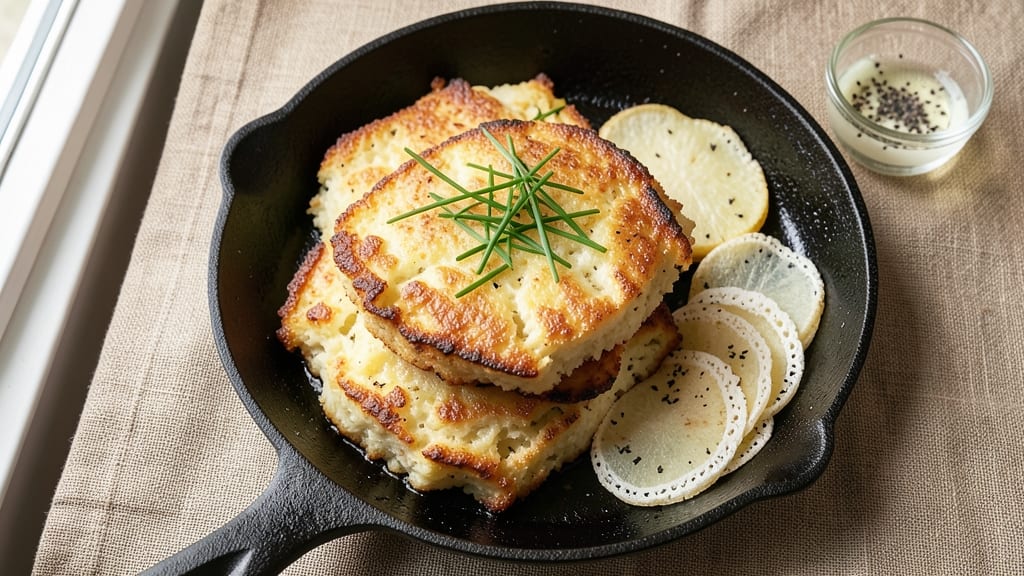
This old-fashioned potato cake recipe delivers the perfect balance of crispy edges and fluffy centers—just like my neighbor Mrs. Henderson used to make back in Cincinnati. The vinegar kiss gives them that signature tangy crunch, while the tender interior makes every bite irresistible.
I've perfected this recipe over years of testing, ensuring it stays true to tradition while being foolproof for home cooks.
The secret lies in the preparation: grating the potatoes and letting them rest to draw out excess moisture before shaping. A touch of flour in the pan creates that golden, crispy crust, while baking at the right temperature keeps the centers light and airy.
This isn't just a side dish—it's a showstopper that pairs beautifully with everything from grilled fish to hearty stews.
What you'll end up with is a platter of golden-brown potato cakes that are crispy on the outside and tender within, with that signature tangy flavor from the vinegar.
The texture is what makes them special—no soggy centers here. These are the kind of potato cakes that disappear faster than you can say "second helping."
Serve them warm with a dollop of sour cream or a sprinkle of fresh dill for a touch of freshness. This recipe is perfect for family dinners, potlucks, or whenever you want to bring a little old-fashioned comfort to your table. Let's get started!
Ingredients for old fashioned potato cake
Nine simple ingredients transform into crispy, vinegar-kissed potato cakes with fluffy centers.
| Ingredient | Amount | Notes |
|---|---|---|
| Russet Potatoes 🥔 | 2 ½ lb | Cold, peeled, grated fine |
| All-Purpose Flour 🌾 | ½ cup | For coating and crispiness |
| White Vinegar 💧 | 2 tbsp | For tangy crunch signature |
| Large Eggs 🥚 | 2 whole | Lightly beaten for binding |
| Salt 🧂 | 1 ½ tsp | Kosher or sea salt |
| Black Pepper 🌶️ | ½ tsp | Freshly ground preferred |
| Unsalted Butter 🧈 | 2 tbsp | Melted for pan coating |
| Vegetable Oil 🫒 | ½ cup | For frying (or substitute olive oil) |
| Fresh Dill 🌿 | ¼ cup | Chopped for garnish (optional) |
| Sour Cream 🥛 | ½ cup | For serving (optional) |
| Lemon Juice 🍋 | 1 tbsp | Freshly squeezed for brightness |
The potatoes are everything here. Russet potatoes are your best bet—they're starchy enough to hold shape and crisp up perfectly. Grab the biggest bag your grocery store carries; Whole Foods or Kroger usually have the freshest. Peel them first, then grate them using the large holes on your box grater. Don't skip the grating step—a food processor makes them too fine and mushy. Once grated, squeeze out all the excess moisture with clean kitchen towels. This is non-negotiable for that perfect crispy crust. I always do this step over the sink to catch the water, and it's worth the extra 10 minutes.
No vinegar? Lemon juice works in a pinch, but it won't give the same signature tang. Short on fresh dill? Dried dill at one-third the amount is fine, but fresh tastes better. The eggs bind everything together, so don't overbeat them—just until combined. For the oil, vegetable oil is neutral and works best for frying, but if you're using olive oil, go for a light variety. The butter adds richness to the pan coating, so don't use margarine—it won't give the same flavor. If you're worried about the potato cakes being too heavy, use half butter and half oil in the pan.
These taste even better the next day, so make a double batch if you're feeding a crowd. Store leftovers in an airtight container in the fridge for up to 3 days. To reheat, pop them in a 350°F oven for 10-15 minutes until crispy again. The sour cream and fresh dill are just for serving, but if you're making these ahead, keep them separate until ready to eat. The vinegar flavor actually improves as they sit, so don't rush serving them fresh out of the oven.
Why You'll Love This Recipe
- No-Peel Hassle: I swear by this recipe because you skip peeling potatoes—just scrub, grate, and go. The vinegar step removes excess moisture, so no soggy messes here.
- Crispy-Creamy Magic: That golden crust with a tender inside? The eggs and flour create the perfect texture—like a cross between a pancake and a latke, but better.
- Leftovers Reinvented: Turn yesterday’s potato cakes into tomorrow’s breakfast hash or fry them up for a quick lunch. Honestly, I make double batches just for this.
- Pantry Staple Power: Five ingredients, all of which you already own. No specialty items, no last-minute grocery runs—just reliable, satisfying comfort food.
Step-by-step instructions for old fashioned potato cakes
Here's how to make crispy, vinegar-kissed potato cakes with fluffy centers that'll impress everyone.
Prepare the Potato Mixture
Start by grating the 2.5 lb russet potatoes using a box grater or food processor. Place the grated potatoes in a clean kitchen towel and squeeze out as much liquid as possible—this ensures your cakes won't turn soggy. Transfer the drained potatoes to a large bowl.
Add the 2 tbsp white vinegar, 1.5 tsp salt, and 0.5 tsp black pepper to the potatoes. The vinegar is key here—it creates that signature tangy crunch while keeping the centers light. Mix everything together gently but thoroughly, making sure the vinegar is evenly distributed. Let the mixture sit for 10 minutes while you prepare the next steps.
Create the Binder and Coating
In a separate bowl, lightly beat the 2 whole large eggs with a fork until just combined—no need to make them frothy, just enough to blend. Stir the eggs into the potato mixture, mixing until fully incorporated. This step is crucial for binding the cakes together while keeping them tender.
Next, add the 0.5 cup all-purpose flour and mix again until just combined. The flour will help create that crispy exterior we're after. Don't overmix—just enough to distribute the flour evenly. The batter should be thick but still hold together when pressed. If it's too wet, add a little more flour, 1 tbsp at a time, until it reaches the right consistency.
Form and Fry the Potato Cakes
Heat the 0.5 cup vegetable oil in a large skillet over medium heat until it reaches 350°F—you'll see small bubbles forming at the edges but not a full boil. This temperature is perfect for achieving that crispy crust without burning the outside before the inside cooks through.
Using a ¼ cup measuring cup, scoop portions of the potato mixture and gently shape them into cakes, about 1 inch thick. Place them carefully into the hot oil, working in batches so you don't overcrowd the pan. Fry for 3-4 minutes per side, until they're golden brown and crispy. You'll know they're ready when they release easily from the pan and have a nice crunch. Transfer to a paper towel-lined plate to drain excess oil.
Finish with Butter and Fresh Herbs
While the cakes are still warm, melt the 2 tbsp unsalted butter in a small saucepan over low heat. Once melted, remove from heat and stir in the 1 tbsp lemon juice. This brightens the flavors and adds a nice tangy finish.
Drizzle the melted butter mixture over the hot potato cakes, letting it soak in slightly. Sprinkle with the 0.25 cup chopped fresh dill for a pop of color and freshness. Serve immediately with the 0.5 cup sour cream on the side for dipping. The contrast of the crispy exterior, fluffy interior, and tangy dipping sauce makes these potato cakes irresistible.
Keep Them Warm and Serve
If you need to hold the cakes for a short time before serving, keep them warm in a 200°F oven on a wire rack. This prevents them from becoming soggy while maintaining their crispy texture. Serve with extra sour cream, a sprinkle of black pepper, or even a dollop of horseradish for those who like a bit of kick.
These potato cakes are best enjoyed fresh, so don't wait too long to serve. The combination of the vinegar-kissed crunch, fluffy centers, and rich butter finish makes them a standout dish that's perfect for brunch, dinner, or even as a side dish. Enjoy every bite!
Pro Tips For Making Old Fashioned Potato Cake
- Boil Potatoes Until Fork-Tender: I learned this the hard way—undercooked potatoes make a gummy, sad cake. Boil Russets until they collapse easily when pierced with a fork (about 15-20 minutes after they float). Overcooking won’t ruin them; it’ll just make the texture perfect.
- Grate Potatoes Dry: Drain and thoroughly dry grated potatoes before mixing with flour—wet potatoes release starch like crazy, turning your batter into glue. Use a clean kitchen towel or paper towels and press out moisture. (Yes, even if you’re impatient like me.)
- Whip Eggs Before Mixing: Beat the eggs until just frothy before folding them into the potato-flour mix. This lightens the batter and prevents a dense, heavy cake. Skip this, and you’ll get something closer to a brick than a fluffy cake.
- Bake Low and Slow: Start potato cakes at 375°F (190°C) for the first 15 minutes, then drop to 350°F (175°C). This ensures even cooking without burning the exterior while the center stays moist. I used to rush it, and the top would brown too fast—now I don’t.
Flavor customization for this old fashioned potato cake
Vinegar Variations
The classic recipe calls for white vinegar, but don’t be afraid to experiment! For a milder tang, swap in apple cider vinegar—just use the same amount. If you want extra depth, try rice vinegar (it’s sweeter but still adds brightness).
I once used balsamic vinegar for a richer, slightly sweet note, though it’s more of a dessert-style twist. 💫
Herb Swaps
Fresh dill is my go-to garnish, but other herbs work beautifully too. Try chives for a milder, oniony note or parsley for a fresh, clean finish. If you love garlic, finely chop 1 clove and mix it into the batter before frying—it’ll infuse the cakes with subtle warmth.
For a smoky twist, add ½ tsp smoked paprika to the flour mixture.
Spicy Kick Options
For heat lovers, add ½ tsp cayenne pepper or 1 tbsp hot sauce (like Cholula) to the batter. If you prefer a slow burn, stir in 1 tsp mustard powder or a pinch of crushed red pepper flakes after frying.
I’ve also seen people add pickled jalapeños as a garnish for a tangy-spicy crunch. 🌶️
Sweet Twist
Want to make these dessert-worthy? Replace the vinegar with 1 tbsp lemon juice + 1 tbsp honey, and add ½ tsp cinnamon to the flour. Top with a sprinkle of powdered sugar and a dollop of whipped cream for a brunch showstopper.
These work surprisingly well with vanilla ice cream or a drizzle of caramel sauce.
Cheesy Upgrade
For extra richness, fold ½ cup shredded sharp cheddar or Gruyère into the batter. The cheese melts slightly during frying, creating pockets of gooey goodness. If you’re feeling fancy, try feta crumbles for a salty, briny contrast.
Just be sure to press the cheese into the cakes firmly so it doesn’t fall out during frying.
Global Flavors
Give your potato cakes an international flair! For a German-inspired twist, add 1 tsp caraway seeds to the flour. For a Swedish vibe, mix in 1 tbsp chopped fresh chives and serve with lingonberry jam.
Even a dash of curry powder (like Madras) can turn these into a bold, aromatic side dish. 🗺️
Nutrition facts
Frequently asked questions
Why do I need to squeeze out all the moisture from grated potatoes?
Excess moisture prevents your potato cakes from getting crispy. When you squeeze the grated potatoes in a clean towel, you remove the liquid that would otherwise make them soggy. This step is key for achieving that perfect golden-brown crust while keeping the inside tender. Think of it like wringing out a wet sponge—you want to start with dry ingredients for the best texture!
Can I bake these potato cakes instead of frying them?
Yes, but the texture will be different. For baking, shape the mixture into ½-inch thick patties, brush with oil, and bake at 425°F for 20-25 minutes until golden. They'll be softer and less crispy than fried versions, but still delicious. For extra crunch, broil for 2-3 minutes at the end.
What's the best way to reheat leftover potato cakes?
Reheat in a 350°F oven for 10-15 minutes on a wire rack to restore crispiness. Avoid microwaving—they'll turn rubbery. For a quick fix, place them in a skillet over medium heat for 2-3 minutes per side until golden again. The key is high heat and dry surfaces to recreate that crispy texture.
Can I make these potato cakes ahead of time?
They actually taste better the next day. After frying, let them cool completely, then store in an airtight container in the fridge for up to 3 days. Reheat as directed above. The flavors meld beautifully overnight, and the vinegar tang becomes even more pronounced. Perfect for meal prep!
What if my potato cakes turn out too dense?
Too dense usually means you didn't drain the potatoes well or overmixed the batter. For next time, squeeze the grated potatoes extra thoroughly and mix just until combined. Also, make sure your oil is at 350°F—if it's too cool, the cakes will absorb too much oil and become greasy instead of crispy. Don't crowd the pan either—give them space to cook properly.