
Side Dishes
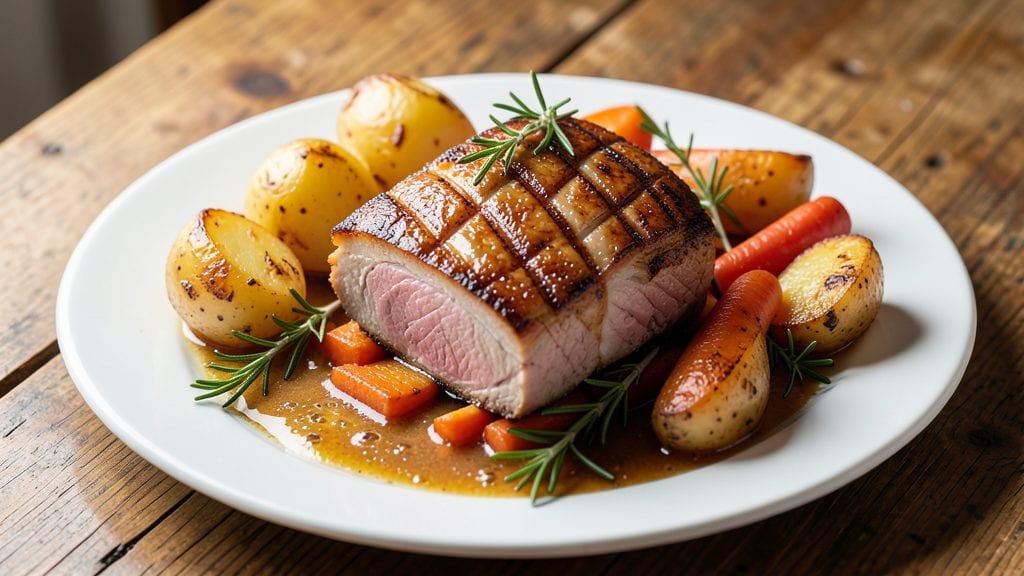
Mastering pork belly with potatoes and carrots transforms a simple roast into a showstopping Sunday dinner—where crispy rind meets perfectly seasoned meat and tender vegetables in one pan.
Growing up in small-town Georgia, I learned that pork belly cooked low and slow with root vegetables creates a meal so hearty it feeds a crowd while feeling like a restaurant-worthy feast.
The secret lies in high-heat searing followed by a slow bake, ensuring the pork stays juicy while the vegetables caramelize into sweet, golden perfection.
This recipe delivers restaurant-quality results with just five core ingredients and one hour of active time—though the flavors develop even more as it rests.
The pork belly develops a crispy, crackling rind while staying tender inside, while the potatoes and carrots absorb the pork's rich juices, creating a cohesive dish that tastes like it simmered all day.
I use a simple herb blend of rosemary, thyme, and garlic to elevate the pork without overpowering its natural richness.
By the time you serve this dish, your kitchen will smell like a Southern Sunday supper, and every bite will deliver that perfect balance of textures: the shatteringly crisp rind, the melt-in-your-mouth pork, and the caramelized vegetables.
The potatoes become fluffy and golden, while the carrots develop a natural sweetness that pairs beautifully with the herbed pork. This is the kind of meal that makes guests ask for seconds—and leaves you wondering why you didn’t make it more often.
Perfect for family dinners, holiday feasts, or when you want to impress without spending hours in the kitchen. The leftovers reheat beautifully, making it an ideal make-ahead option for busy weeks.
Let’s get started on creating this crowd-pleasing centerpiece that proves good food doesn’t require complicated techniques—just patience and the right approach.
Ingredients for pork belly with potato and carrots
Five core ingredients and one herb blend transform simple pork belly into restaurant-worthy Sunday supper perfection.
| Ingredient | Amount | Notes |
|---|---|---|
| Pork Belly 🥓 | 3 lb | Skin-on, cut into 1-inch thick slices |
| Yukon Gold Potatoes 🥔 | 2 ½ lb | Cut into 1-inch chunks, skin on |
| Carrots 🥕 | 1 ½ lb | Whole, scrubbed, cut into 2-inch pieces |
| Fresh Rosemary 🌿 | ½ cup | Chopped, woody stems removed |
| Fresh Thyme 🌿 | 2 tbsp | Leaves only, finely chopped |
| Garlic Cloves 🧄 | 6 cloves | Smashed, not minced |
| Extra-Virgin Olive Oil 🫒 | ¼ cup | High-quality, fruity variety |
| Kosher Salt 🧂 | 1 ½ tbsp | Diamond Crystal preferred |
| Freshly Ground Black Pepper 🌶️ | 1 tsp | Coarse grind preferred |
| Brown Sugar 🍯 | 2 tbsp | Lightly packed |
The pork belly is the star—look for thick slices with a good layer of fat. Whole Foods or your local butcher often carry the best cuts, but don't overlook the pre-sliced packages at Costco or Trader Joe's. That crispy rind? It comes from rendering the fat slowly while keeping the meat tender. The Yukon Gold potatoes are non-negotiable—their buttery texture holds up perfectly to the pork's richness. For the carrots, organic heirloom varieties from the farmers market stay sweeter longer, but regular grocery store carrots work fine. Fresh herbs make all the difference here: buy them from the grocery store's produce section and use them within 3 days for maximum flavor.
No fresh rosemary? Dried at one-third the amount works in a pinch, but trust me—fresh has that piney aroma that elevates everything. Running short on time? Pre-chop your herbs and store them in the fridge wrapped in damp paper towels. The brown sugar might seem odd, but it caramelizes beautifully with the pork's juices, adding just the right touch of sweetness. For the garlic, smash the cloves with the side of your knife instead of mincing—it infuses better without turning bitter. And if you're worried about the pork being too fatty, don't be: the slow cooking renders most of that fat out, leaving you with melt-in-your-mouth meat.
This dish tastes even better the next day—reheats beautifully in a 350°F oven for 15-20 minutes. Store leftovers in an airtight container with the juices for up to 5 days. Freeze portions for up to 3 months—just thaw overnight in the fridge before reheating. I always make a double batch because the leftovers make incredible sandwiches the next day. The crispy rind? That's the best part—save some for croutons or garnish if you're feeling fancy. And if you're serving a crowd, double the vegetables—they disappear fast!
Why You'll Love This Recipe
- One-Pan Magic: The moment I realized this recipe only needs one pan—no chopping boards, no extra dishes—was a game-changer. Toss everything in, roast, and the pork belly renders its own fat to crisp up while the potatoes and carrots caramelize. That’s 20 minutes of hands-off perfection.
- Crispy-Creamy Contrast: Between us, there’s nothing like that first bite: the pork belly’s crackling crust gives way to tender, fatty richness, while the Yukon Golds turn buttery inside. Add the rosemary and thyme? Suddenly, your dinner tastes like it belongs on a Parisian bistro menu—not just your weeknight table.
- Leftovers That Don’t Suck: Honestly, I make this intentionally for leftovers because reheated pork belly is a whole different level of delicious. The next day, the crispiness softens into melt-in-your-mouth goodness, and the veggies stay tender. Pack it for lunch or serve it cold—it’s still the star of the show.
- Budget-Friendly Luxury: You’d never guess this tastes like a splurge when the pork belly’s fat renders into pure flavor gold. Yukon Golds and carrots stretch across meals, and a sprig of fresh herbs makes everything feel special. It’s the kind of dish that tricks your brain into thinking you spent twice as much.
Step-by-step instructions for pork belly with potatoes and carrots
Here's how to achieve that perfect balance of crispy pork belly rind and tender, herbed roasted vegetables.
Prepare the Pork Belly for Maximum Crispiness
Begin by scoring the pork belly in a diamond pattern with a sharp knife, cutting through the fat but not the meat. This creates pathways for the fat to render out evenly, resulting in that coveted crackly crust. Pat the scored belly completely dry with paper towels—moisture is the enemy of crispy skin.
In a small bowl, combine the 0.25 cup extra-virgin olive oil, 1.5 tablespoons kosher salt, 1 teaspoon freshly ground black pepper, and 2 tablespoons brown sugar. Rub this mixture all over the pork belly, pressing it into the scores and fat. Let it sit at room temperature for 30 minutes while you prepare the vegetables. This resting period allows the seasoning to penetrate and the fat to firm up slightly, ensuring better browning.
Roast the Potatoes and Carrots Until Tender
Preheat your oven to 425°F and line two large rimmed baking sheets with parchment paper. In a large bowl, toss the 2.5 lb yukon gold potatoes and 1.5 lb carrots with 0.25 cup extra-virgin olive oil, 0.5 cup chopped fresh rosemary, 2 tablespoons chopped fresh thyme, 6 smashed garlic cloves, 1 tablespoon kosher salt, and 0.5 teaspoon freshly ground black pepper. Spread them evenly on the prepared baking sheets, leaving space between each piece for circulation.
Roast for 25 minutes, then carefully flip each piece with a spatula. Continue roasting for another 20-25 minutes until the potatoes are fork-tender with golden-brown edges and the carrots are caramelized. Remove them from the oven and set aside on a plate, reserving any accumulated juices in the pans.
Render the Pork Belly Fat and Achieve the Perfect Crisp
Place the pork belly fat-side down on a wire rack set inside a deep roasting pan. This rack position is crucial—it allows hot air to circulate underneath, rendering the fat while keeping the meat moist. Transfer the pan to the oven and roast at 425°F for 45 minutes. After this initial cook, reduce the heat to 325°F and continue roasting for 1 hour to 1 hour 15 minutes, until the internal temperature reaches 195°F.
Here's the thing—don't rush this step. The low-and-slow cooking ensures the pork belly becomes tender and the fat renders completely, leaving you with that irresistible crispy skin. If the pork belly starts to brown too quickly, tent it loosely with foil to prevent burning while maintaining crispiness.
Rest and Slice for Juicy Perfection
Once the pork belly reaches the target temperature, remove it from the oven and transfer it to a cutting board. Let it rest for 15 minutes before slicing. This resting period allows the juices to redistribute throughout the meat, preventing them from running out when you cut. Use a sharp carving knife to slice the pork belly into ¼-inch thick slices, cutting against the grain for maximum tenderness.
Return the roasted potatoes and carrots to the oven for 5 minutes to reheat slightly, then arrange them on a platter with the sliced pork belly. Drizzle any reserved juices from the roasting pan over the top and garnish with additional chopped fresh rosemary and thyme. The result? A showstopping centerpiece with crispy, caramelized edges and perfectly seasoned vegetables.
Pro Tips For Making Pork Belly With Potato And Carrots
- Render Fat Slowly: Pork belly’s magic happens when the fat melts gradually—start at 300°F (150°C) and let it render for 45 minutes before cranking heat to sear. I learned this the hard way: rushing it leaves you with greasy, uneven cooking instead of crispy edges and tender meat.
- Par-Cook Potatoes First: Yukon Golds take forever to soften when roasted with pork belly. Boil them for 8–10 minutes until just tender, then drain and toss with oil, salt, and herbs before adding to the pan. This cuts roasting time by half and keeps them from turning to mush.
- Don’t Overcrowd Carrots: Slice carrots thinly—about ¼-inch thick—and spread them in a single layer. Crowding steams them instead of caramelizing, and you’ll end up with sad, soggy sticks. A baking sheet works better than a pan here; trust me, your future self will notice.
- Sear Pork in Batches: Pork belly is thick—cut it into 1-inch chunks and sear in two batches if needed. Overloading the pan drops the temperature, and you’ll get greasy meat instead of golden, crispy crust. A hot skillet and patience make all the difference.
Perfect pairings for this recipe
Herbed Green Salad
Brighten the richness of your pork belly with a simple arugula and radicchio salad tossed with 2 tbsp lemon vinaigrette—I use extra-virgin olive oil and fresh lemon juice with a pinch of flaky sea salt.
The peppery bite cuts through the pork's fat beautifully. Top with toasted walnuts for crunch and shaved Parmigiano-Reggiano for a touch of umami. 🥗
Crusty Bread
A warm, crusty baguette or sourdough is essential for soaking up those pork juices. I love Brioche from local bakeries—its buttery richness complements the dish perfectly. For an extra touch, brush the bread with garlic-infused olive oil and sprinkle with flaky salt before serving.
This is the kind of bread that disappears faster than the pork belly slices!
Apple-Cider Glaze
Elevate your dish with a quick apple-cider reduction—simmer 1 cup apple cider vinegar, 2 tbsp brown sugar, and 1 cinnamon stick for 10 minutes until syrupy. Drizzle this tangy-sweet glaze over the sliced pork belly just before serving.
The acidity balances the richness, and the cinnamon adds warmth. Trust me, your guests will ask for the recipe. 🍏
Pickled Vegetables
Add a refreshing contrast with quick-pickled red onions or carrots. Thinly slice 1 red onion and 1 carrot**, then pack them into a jar with 1 cup apple cider vinegar, 1 tbsp sugar, and 1 tsp salt.
Let them sit for at least 30 minutes before serving. The bright acidity cuts through the pork's richness and adds a pop of color to the plate.
Wine Pairings
For a classic pairing, reach for a dry Riesling from Germany or Alsace—its crisp acidity and citrus notes complement the pork's richness without overpowering it. If you prefer red, a Pinot Noir from Oregon offers enough body to stand up to the dish while keeping the palate clean.
Avoid heavy, oaky whites or bold Cabernets that could clash with the delicate herbs and crispy rind. 🍷
Nutrition facts
Frequently asked questions
Can I substitute regular potatoes for Yukon Gold?
You can, but Yukon Gold potatoes are ideal because they stay creamy when roasted rather than turning starchy. If using russet potatoes, parboil them for 5 minutes first to prevent dryness. Red potatoes work too, but they'll be slightly firmer. The key is to cut them evenly so they cook at the same rate as the carrots.
How do I get the pork belly extra crispy?
Scoring the fat in a diamond pattern and rendering it fat-side down on a wire rack are essential. For maximum crispiness, broil the pork for the last 3-5 minutes at 500°F while watching closely to avoid burning. The secret is patience—don't rush the low-and-slow cook that makes the meat tender first.
Can I make this recipe in a slow cooker?
While not ideal for the crispy rind, you can adapt it! Score and season the pork belly, then place it in a slow cooker with potatoes and carrots on top. Cook on low for 6-8 hours, then broil for 5 minutes to crisp the skin. The vegetables will be softer but still flavorful. For best results, stick to the oven method for that signature texture.
What if my pork belly isn't cooking evenly?
If one side browns too quickly, tent it loosely with foil to prevent burning while maintaining crispiness. For uneven cooking, rotate the pan halfway through the 325°F stage. The pork should reach 195°F internally—if it's not, extend the cook time by 15-30 minutes. The fat should render completely, leaving tender meat underneath.
How far ahead can I prep this dish?
Prep the vegetables and season the pork belly up to 24 hours ahead—store them separately in the fridge. For the pork, you can even roast it a day ahead, then reheat at 350°F for 15-20 minutes until warmed through. The crispiness will soften slightly, but the meat stays juicy. Reheat the vegetables separately to maintain their texture.