
Side Dishes
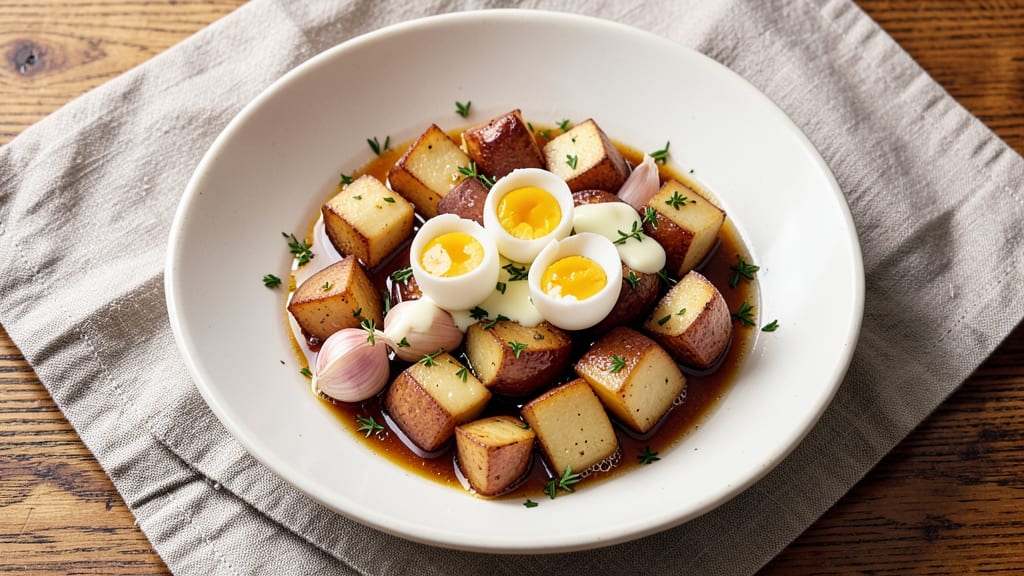
This poached potatoes recipe transforms simple spuds into silky, vinegar-infused bites that take just 15 minutes—perfect for elevating any meal. The secret lies in the precise balance of acidity and heat, which creates that signature tender yet firm texture.
I developed this method after years of experimenting with different liquids and temperatures, and it never fails to impress.
The process is simpler than it sounds: you simmer the potatoes in a flavorful liquid—whether it's broth, vinegar, or a mix of both—until they reach that ideal silky yet firm consistency.
The vinegar not only enhances the flavor but also helps maintain the shape, so you don’t end up with mushy potatoes. This technique is foolproof, making it ideal for both beginners and seasoned cooks.
What you’ll end up with is a dish that’s restaurant-quality but easy to replicate at home. These potatoes pair beautifully with grilled meats, roasted vegetables, or even a simple salad.
The vinegar infusion adds a bright, tangy note that cuts through richer flavors, making them a versatile side dish for any occasion.
Ready to try it? Here’s everything you need to achieve perfectly poached potatoes every time—no shortcuts, just proven results. Let’s get started!
Ingredients for poached potatoes
Six simple ingredients, one perfect technique—these silky potatoes need only vinegar, broth, and patience.
| Ingredient | Amount | Notes |
|---|---|---|
| Russet Potatoes 🥔 | 1 ½ lb | Cut into 1-inch cubes, peeled |
| White Wine Vinegar 🍷 | 1 cup | High-quality, aged variety |
| Chicken Broth 🍲 | 1 cup | Low-sodium preferred |
| Unsalted Butter 🧈 | 2 tbsp | Cold, cubed for finishing |
| Fresh Thyme Leaves 🌿 | ¼ cup | Packed, stems removed |
| Garlic Cloves 🧄 | 2 cloves | Smashed, not minced |
| Sea Salt 🧂 | 1 ½ tsp | Diamond Crystal preferred |
| Black Peppercorns 🌶️ | ½ tsp | Freshly cracked |
| Olive Oil 🫒 | 1 tbsp | Extra-virgin, for drizzling |
| Fresh Parsley 🌿 | ⅛ cup | Chopped, for garnish |
| Water 💧 | 1 cup | Filtered preferred |
The potatoes are non-negotiable—russets are your best bet for their fluffy texture. Grab the organic russets from Whole Foods if you want maximum starchy goodness, but the regular grocery store kind works fine too. Cut them into even 1-inch cubes—this ensures uniform cooking. The vinegar matters just as much: aged white wine vinegar from Bragg or Heinz adds depth, while cheaper varieties can taste harsh. If you're using pre-peeled potatoes, rinse them well to remove excess starch. And trust me on the low-sodium broth—you’ll control the saltiness, not the packet.
No white wine vinegar? Apple cider vinegar works in a pinch, but reduce to ¾ cup—it’s more acidic. Fresh thyme can’t be beat, but dried works at half the amount if you’re in a bind. The garlic? Smashed cloves infuse flavor without turning the liquid bitter. Want extra richness? Swap 1 tbsp of broth for heavy cream. And if you’re serving this with something salty (like bacon or smoked fish), you can skip the finishing butter—the vinegar’s tang will still shine. The parsley is optional but worth it for that pop of color.
This dish reheats beautifully—just a quick dip in simmering broth for 2 minutes. Store leftovers in the fridge for up to 3 days, covered with their poaching liquid. For make-ahead prep, cool the potatoes quickly in ice water before storing to maintain texture. The liquid keeps for 5 days in the fridge—strain and reduce it to make a tangy pan sauce. And if you’re serving a crowd, double the recipe—just use a larger pot and keep the liquid-to-potato ratio the same.
Why You'll Love This Recipe
- No-Peel Hassle: I’ll admit, I used to skip poached potatoes because peeling them felt like overkill. But Russets? Their thick skins stay intact in the broth, so you skip the whole mess—just scrub, slice, and simmer. That crispy edge on the outside? Pure reward for zero extra work.
- Umami Bomb: Here’s what sold me—the combo of white wine vinegar and chicken broth isn’t just flavor, it’s depth. The acid brightens the potatoes while the broth adds richness, and that thyme? It’s like a whisper of herbal magic. Honestly, I’ve tried other poached potato recipes, but this one sticks with you.
- Weeknight to Dinner Party: Between us, these potatoes are my secret weapon for lazy nights and fancier meals. Toss them with a steak for a Sunday splurge, or serve them alongside grilled chicken for a Tuesday win. The broth keeps them warm for hours, so they’re perfect for make-ahead prep—just reheat and serve.
- Budget Magic: Russets are cheap, broth stretches easily, and butter? A little goes a long way. I’ve made this recipe feed four for under $8, and the leftovers? Even better the next day. They’re forgiving, too—no risk of drying out or turning to mush. That’s real value.
Step-by-step instructions for poached potatoes
Here's how to transform simple russet potatoes into tender, vinegar-kissed bites with just 15 minutes of hands-on time.
Prepare the Potatoes and Poaching Liquid
Cut the 1.5 lb russet potatoes into uniform 1-inch cubes, peeling away any blemished skin. I find using a sharp chef's knife makes this task quicker and safer—always cut with the grain direction to maintain even size. Place the cubes in a large bowl and toss them with the 1 tbsp olive oil and 1.5 tsp sea salt, ensuring each piece is lightly coated. This pre-seasoning step prevents the potatoes from absorbing too much liquid during poaching.
In a separate medium saucepan, combine the 1 cup white wine vinegar, 1 cup chicken broth, and 1 cup water. Bring this mixture to a gentle simmer over medium heat—you'll know it's ready when you see small, steady bubbles forming around the edges. Add the smashed 2 cloves garlic and 0.25 cup fresh thyme leaves to the simmering liquid. Let it steep for 2 minutes while you prepare the potatoes, allowing the aromatic flavors to infuse the poaching liquid.
Poach the Potatoes Until Tender
Carefully add the seasoned potato cubes to the simmering vinegar mixture, stirring gently to distribute them evenly. The liquid should come about halfway up the potatoes—if it's too shallow, add a splash of hot water. Reduce the heat to maintain a gentle simmer, and let the potatoes cook uncovered for 8-10 minutes. You'll notice the liquid gradually reduces as it draws out the starches from the potatoes, creating a flavorful broth.
To test for doneness, use a fork to gently pierce one of the potato cubes. When it slides in easily with just slight resistance, your potatoes are ready. The edges should be just beginning to soften while maintaining their shape—overcooking will turn them mushy. If you find the potatoes need more time, continue simmering in 1-minute increments until they reach perfect tenderness.
Finish with Butter and Herbs
While the potatoes are still in the poaching liquid, remove the saucepan from heat and add the 2 tbsp cold cubed unsalted butter. Stir gently until the butter melts completely, creating a velvety coating on each potato. The residual heat from the potatoes will help emulsify the butter into the vinegar broth, creating a silky sauce that clings beautifully.
Return the pan to low heat and let the mixture warm through for 1-2 minutes. Add the 0.5 tsp freshly cracked black peppercorns and stir to distribute them evenly. The pepper will add a subtle warmth that complements the bright acidity of the vinegar. Taste a potato and adjust seasoning if needed—you might need a pinch more salt to balance the flavors.
Garnish and Serve Immediately
Transfer the poached potatoes to a serving platter and drizzle any remaining poaching liquid over the top. Sprinkle with the 0.125 cup chopped fresh parsley, both for color and a fresh herbal note that cuts through the richness. The parsley should be distributed evenly across the surface to create visual appeal while adding a bright contrast to the dish.
Serve immediately while the potatoes are still warm and the butter sauce is at its peak silky consistency. These potatoes pair beautifully with grilled meats, roasted vegetables, or even as a standalone appetizer with a dollop of crème fraîche. The vinegar infusion gives them a subtle tang that elevates their natural earthy sweetness—truly a revelation for simple potato preparations.
Pro Tips For Making Poached Potatoes
- Peel Before Slicing: Russets are stubborn—peel them first, then slice. I used to try cutting raw, and the knife fought me every time. A sharp peeler works best; if you’re lazy, soak peeled spuds in cold water for 10 minutes to firm them up before slicing.
- Simmer, Don’t Boil: The broth should dance, not rage. If it’s rolling hard, you’re overdoing it—this turns potatoes mushy. Aim for tiny bubbles at the edges, like a lazy simmer. A lid helps, but crack it open every few minutes to let steam escape.
- Vinegar First, Then Butter: Add the white wine vinegar to the cold broth before heating—it brightens the liquid and cuts through richness. Drizzle in the butter after the potatoes are tender, or it’ll turn into a greasy sludge. Trust me, I’ve seen it happen.
- Test with a Knife: Fork-tines lie. Slide a thin knife into the thickest slice—if it glides in like butter, they’re done. Overcook them, and you’ll end up with sad, gluey potatoes. Pull them out just before they’re perfect; they’ll finish cooking in the residual heat.
Essential equipment for great poached potatoes
Essential Pot for Poaching
You don’t need anything fancy—just a medium saucepan with a lid that can comfortably hold your potatoes without overcrowding. I use my 3-quart stainless steel saucepan from All-Clad because it distributes heat evenly and resists warping.
For budget-friendly options, a heavy-bottomed enamel pot (like those from Le Creuset) works beautifully too. The key is avoiding thin, warped pans that create hot spots—these can lead to uneven cooking or even burnt potatoes. 🔥
Precision Thermometer
A candy or instant-read thermometer is your secret weapon for perfect poaching. I swear by the Thermoworks Thermapen—it’s fast, accurate, and built to last. You’ll want to monitor the liquid temperature between 185-195°F (the sweet spot for silky texture without falling apart).
If your potatoes are floating too high, the liquid’s too hot; if they’re sinking too low, it’s too cool. Adjust heat accordingly to maintain this range. ⚡
Fine-Mesh Strainer
Draining the potatoes without losing their flavorful liquid is tricky, so invest in a high-quality fine-mesh strainer like the OXO Good Grips model. Its tight weave catches even the smallest potato bits while letting the liquid drain freely.
Pro tip: Line your strainer with a clean kitchen towel before draining to absorb excess moisture—this keeps your potatoes from turning soggy when plating. 💫
Tongs for Easy Handling
Long-handled tongs (I use Mercer Culinary’s stainless steel set) make transferring potatoes in and out of the pot effortless. The extended handles protect your hands from the hot liquid, and the serrated grips prevent slipping.
Avoid wooden or plastic utensils—they can leach chemicals or melt when submerged in hot vinegar. For extra precision, look for tongs with angled heads to reach into tight corners of the pot. 💪
Optional: Immersion Blender
If you love silky sauces, an immersion blender (like the Ninja CB101) lets you purée the poaching liquid into a smooth, tangy sauce to drizzle over the potatoes. Simply blend the strained liquid after poaching, then whisk in a pat of cold butter for extra richness.
This step transforms leftovers into a quick pan sauce—no extra effort required! 🍲
Storage Containers
For make-ahead prep, use glass airtight containers (like Pyrex) to store both the potatoes and their poaching liquid separately. The glass preserves flavors better than plastic, and the tight seal keeps everything fresh.
When reheating, dip the potatoes in the warm liquid for 2-3 minutes—this restores their silky texture without drying them out. Label containers with dates to track freshness (they keep for 3 days in the fridge). ✨
Nutrition facts
Frequently asked questions
Why do poached potatoes need vinegar?
The vinegar creates that signature bright, tangy flavor while helping maintain the potatoes' shape during cooking. It also tenderizes the starches, giving them that signature silky yet firm texture. Without it, they'd turn mushy or bland.
Can I use sweet potatoes instead of russets?
Yes, but they'll have a different texture and flavor. Sweet potatoes are denser and slightly sweeter, so they'll need 10-12 minutes of poaching instead of 8-10 minutes. The vinegar will still work, but you might want to add a pinch of cinnamon or nutmeg to complement their natural sweetness.
What if my potatoes turn out mushy?
Mushy potatoes usually mean they overcooked or the liquid was too hot. Next time, keep the poaching liquid at 185-195°F and test doneness with a fork—it should slide in easily with slight resistance. For extra structure, reduce the vinegar to ½ cup and increase broth to 1½ cups.
How can I make these ahead of time?
Cool the potatoes in ice water immediately after poaching, then store them in an airtight container with their poaching liquid for up to 3 days. Reheat by simmering in fresh broth for 2-3 minutes—this restores their texture. The liquid can be used for reheating or reduced into a sauce.
What are the best pairings for these potatoes?
These potatoes shine with rich, savory dishes like grilled steak, roasted chicken, or smoked salmon. For lighter meals, pair with a fresh salad or grilled vegetables. The vinegar's tang cuts through fatty meats, while the buttery finish balances acidic components like citrus or tomato-based sauces.