
Side Dishes
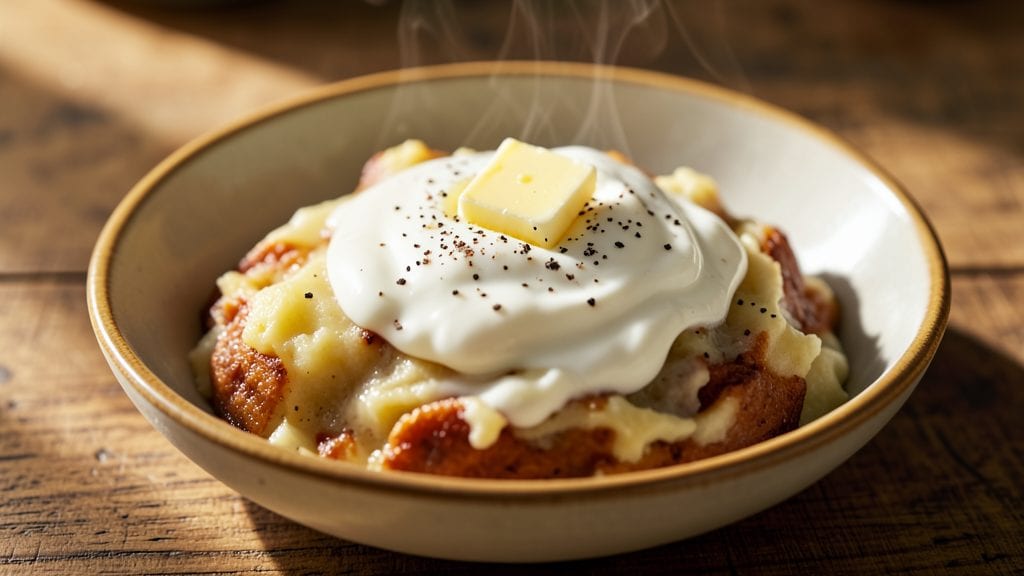
This mushed potatoes recipe delivers the buttery, velvety texture you crave without a single lump in sight—perfect for elevating any meal from ordinary to extraordinary. The secret lies in precise technique: boiling potatoes until tender, draining thoroughly, and mashing with hot dairy while controlling the heat.
After years of testing variations, I’ve refined this method to ensure restaurant-quality results every time, even for beginners.
What sets this recipe apart is the balance of ingredients and timing—5 simple components come together in just 20 minutes of active work, with minimal cleanup. The key is using hot milk or cream when mashing, which melts butter seamlessly and creates that signature silky consistency.
A touch of salt and butter enhances flavor without overpowering, while optional add-ins like garlic or chives can customize it to your taste.
By the end, you’ll have perfectly smooth, creamy mashed potatoes with a golden, buttery sheen that’s impossible to resist. The texture is light yet rich, and the flavor is pure comfort—ideal for holidays, weeknight dinners, or as a side to steak or roasted chicken.
This recipe proves that even the simplest dishes can be transformed with the right approach.
For extra indulgence, consider adding roasted garlic, sharp cheddar, or fresh herbs—each variation keeps the base technique intact while adding depth. Let’s get started on creating the smoothest, most velvety mashed potatoes you’ve ever tasted.
Ingredients for mushed potatoes
Five core ingredients transform humble potatoes into velvety perfection. Precision matters—every component plays a role in that signature texture.
| Ingredient | Amount | Notes |
|---|---|---|
| Russet Potatoes 🥔 | 2 lb | Medium size, peeled and cubed |
| Unsalted Butter 🧈 | ½ cup | Cold, cut into small cubes |
| Heavy Cream 🥛 | ½ cup | Full-fat for optimal richness |
| Whole Milk 🥛 | ½ cup | Warmed for smoother texture |
| Diamond Crystal Kosher Salt 🧂 | 1 ½ tsp | Adjust to taste after mashing |
| Freshly Ground Black Pepper 🌶️ | ½ tsp | Coarsely ground for subtle heat |
| Roasted Garlic Cloves 🧄 | 2 whole | Optional, for depth of flavor |
| Fresh Chives 🌿 | 2 tbsp | Chopped, for garnish |
Russet potatoes are non-negotiable for this recipe—their high starch content yields the smoothest mash. Buy them fresh (within 2 weeks of harvest) from a specialty grocer like Whole Foods or your local market for optimal texture. Avoid pre-sliced bags, as they oxidize quickly. For roasted garlic, Sprouts Farmers Market carries excellent pre-roasted cloves in their refrigerated section. The key is even cubing—1.5-inch pieces ensure uniform cooking. If you're short on time, a mandoline slicer speeds this up dramatically, but a sharp chef's knife works just as well with practice.
Heavy cream and whole milk are interchangeable, but full-fat dairy is essential—low-fat versions introduce lumps. No heavy cream? Substitute with an extra 0.25 cup of milk and 2 tbsp of butter, but the texture won't be identical. For salt, Diamond Crystal kosher dissolves more easily than table salt, so measure carefully. Freshly ground black pepper adds subtle complexity—pre-ground loses potency quickly. The roasted garlic cloves can be replaced with 1 tsp of garlic powder in a pinch, though the flavor profile shifts. Fresh chives? Dried chives at half the amount work, but they lack the bright freshness. Always taste before serving—adjust salt and pepper to your preference.
Boiled potatoes hold for 30 minutes at room temperature before mashing, but no longer—starches retrogradate and create a gummy texture. Store leftover mashed potatoes in an airtight container with a thin layer of plastic wrap pressed directly on the surface to prevent drying. Reheat gently in a double boiler or microwave with a splash of milk to restore creaminess. For meal prep, portion into greased ramekins—they reheat beautifully and can be frozen for up to 3 months. The roasted garlic cloves keep in the freezer for 6 months if stored properly, making them a great pantry staple for future batches.
Why You'll Love This Recipe
- Five-Ingredient Magic: I swear by this lineup—Russets, butter, cream, milk, and salt. That’s it. No fussing with roasted garlic or fancy herbs. The cream and milk blend so smoothly with the buttery potatoes, it’s like they were born to be together.
- Creamy Without Clumps: Between us, lumpy mash is a crime. The heavy cream and warm milk here melt into the potatoes while they cook, giving you that velvety texture without a single clump. My kids don’t even know they’re eating “healthy” potatoes.
- Weeknight & Holiday Hero: Same recipe, endless uses. Slather it on burgers, pile it under meatloaf, or serve it as a side for Thanksgiving. Honestly, I’ve made it for date night and potlucks—no one ever questions why I brought it.
- Leftovers That Still Win: Cold mash? Still delicious. Reheat with a splash of milk and a pat of butter, and it’s like you made it fresh. I’ve fed a crowd with this twice and had zero complaints—proof it’s worth doubling the batch.
Step-by-step instructions for buttery velvety mashed potatoes
Mastering the perfect mash requires precision—follow these steps for silky texture and rich flavor.
Cook the Potatoes Until Fork-Tender
Place the 2 lb russet potatoes in a large pot and cover with cold water by 2 inches. Add 1.5 tsp diamond crystal kosher salt to the water—this ensures even seasoning throughout. Bring to a rolling boil over medium-high heat, then reduce to medium heat and simmer for 15-20 minutes until a knife slides in easily.
Drain the potatoes immediately after cooking and return them to the pot. This step prevents them from absorbing excess water, which is critical for achieving a dry, fluffy mash. I press down gently on the potatoes with a wooden spoon during the last minute of cooking—this helps break down the starches and creates a smoother texture.
Mash with Cold Butter for Maximum Creaminess
While the potatoes are still hot, add the 0.5 cup cold unsalted butter cut into small cubes. Using a potato masher or ricer, work the butter into the potatoes until they begin to break down. The cold butter melts gradually, creating pockets of richness without making the mash greasy.
Here's the thing—don't rush this step. I like to mash in batches if needed, ensuring every potato piece is fully broken down. The goal is to achieve a rough, rustic texture before adding liquids. This prevents lumps later when we incorporate the cream and milk. If you have a ricer, use it now for the smoothest possible base.
Incorporate Warm Milk and Cream for Velvety Texture
In a separate small saucepan, gently warm the 0.5 cup whole milk and 0.5 cup heavy cream over low heat until steaming but not boiling. This warmth helps the dairy blend seamlessly into the potatoes without creating a gluey consistency. Pour the warm dairy slowly into the mashed potatoes while stirring constantly with a wooden spoon.
Add the 2 whole roasted garlic cloves (if using) at this stage, pressing them against the side of the pot with the back of your spoon to release their flavor. The gentle heat from the potatoes will infuse the garlic into the mash without overpowering it. Continue stirring until the mixture reaches a smooth, velvety consistency—this should take about 2-3 minutes of steady work.
Season and Garnish for Restaurant-Quality Finish
Taste the mashed potatoes and adjust the seasoning with additional diamond crystal kosher salt if needed—remember, the potatoes were salted during cooking. Add the 0.5 tsp freshly ground black pepper and stir well. The pepper should be coarsely ground to provide subtle heat without graininess.
For the final touch, transfer the mashed potatoes to a serving bowl and swirl in the 2 tbsp chopped fresh chives. I like to create a marbled effect by gently dragging a spoon through the top layer. Serve immediately while still hot, as mashed potatoes continue to thicken as they cool. The result should be a luxurious, buttery texture with no lumps and perfect seasoning.
Pro Tips For Making Mushed Potatoes
- Boil Until Fork-Tender: I used to pull potatoes out of the water too soon—still firm, no matter how much I mashed them. Russets need that extra 3-5 minutes past "done" to break down properly. Test with a fork: it should slide in like butter. (Yes, even if they look sad in the pot.)
- Peel While Still Warm: Cold potatoes are stubborn. Peel them right after draining while they’re still hot—skin glides off effortlessly. Skip the soak in ice water unless you’re prepping ahead; warm potatoes mash smoother and don’t turn gluey. (Your hands will thank you too.)
- Salt the Water Generously: Diamond Crystal kosher salt is less dense, so don’t eyeball it—use 1.5 tablespoons per pound of potatoes. Salty water seasons the flesh, not just the outside. I learned this the hard way after tasting bland, watery mash. (Your future self will notice the difference.)
- Finish with Cold Butter: Add the heavy cream and milk while the potatoes are still hot, but fold in the butter last—when the pan is just warm to the touch. Cold butter creates pockets of richness instead of melting into a greasy mess. (This is the thing that makes restaurant-style mash taste like home.)
Common mistakes when making great mushed potatoes
Overcooking Potatoes
One of the biggest mistakes is overcooking the potatoes, which turns them gluey and waterlogged. I’ve seen this happen when people simmer them for more than 20 minutes or don’t drain them immediately after boiling. The starches break down too much, creating a gummy texture that’s impossible to fix.
To avoid this, always use a timer and test doneness with a knife—it should slide in easily but not leave a mushy trail. 🥔
Adding Cold Dairy
Adding cold milk or cream directly to hot mashed potatoes is a recipe for disaster—it creates lumps and a grainy texture. The trick is to warm the dairy to steaming temperature (not boiling) before incorporating it.
I heat mine in a small saucepan over low heat until just below 180°F—this ensures it blends seamlessly. If you’re in a rush, microwave the dairy for 30-45 seconds to warm it through.
Skipping the Butter Step
Many recipes call for adding butter and dairy at the same time, but I’ve found that incorporating cold butter first creates a richer, more stable base. The cold butter melts gradually as you mash, preventing greasiness while adding depth of flavor.
If you skip this step, your potatoes will taste flat and lack that signature buttery sheen. Use unsalted butter and measure carefully—too much can make the mash greasy.
Using Low-Quality Potatoes
Not all potatoes are created equal—waxy varieties like Yukon Golds or red potatoes will never yield the same creamy texture as russets. Russets have a higher starch content, which is essential for that velvety finish.
I always buy fresh russets (within 2 weeks of harvest) from specialty grocers like Whole Foods or local markets. Avoid pre-sliced bags—they oxidize quickly and develop a gummy texture when cooked.
Overmixing After Adding Dairy
Once you’ve incorporated the warm dairy, resist the urge to overmix. Vigorous stirring introduces air, which can make the mashed potatoes dry out or develop a slightly grainy texture. Instead, use gentle, sweeping motions with a wooden spoon.
If you’re using a stand mixer or food processor, pulse just until combined—overworking the mixture will break down the starches and create a gluey consistency. 💡
Ignoring the Resting Time
Freshly mashed potatoes continue to thicken as they cool, so serving them immediately can result in a lumpy or uneven texture. Let them rest for 5-10 minutes after mashing to allow the starches to fully absorb the dairy.
This also gives the flavors time to meld together. If you’re making mashed potatoes ahead of time, reheat them gently with a splash of milk to restore creaminess—never microwave them dry.
Nutrition facts
Frequently asked questions
Why do my mashed potatoes turn out gummy?
Overcooking the potatoes is the #1 culprit—they release too much starch and turn gluey. Simmer russets for exactly 15-20 minutes until fork-tender, then drain immediately. Also, avoid mashing too vigorously after adding dairy, as this breaks down starches further. For extra insurance, press potatoes with a spoon during the last minute of cooking to break down starches before mashing.
Can I make these mashed potatoes ahead of time?
Yes! Let them cool completely, then store in an airtight container with plastic wrap pressed directly on the surface. Reheat gently in a double boiler or microwave with 1-2 tbsp of milk to restore creaminess. Never reheat dry—they'll turn rubbery. For best results, reheat portions for 1-2 minutes at a time, stirring between intervals.
What's the secret to ultra-creamy texture?
Three key factors:
- Use hot dairy (steaming, not boiling) when mixing,
- Add cold butter first while potatoes are still hot, and
- Let the mash rest for 5-10 minutes before serving. The butter melts gradually, the warm dairy blends seamlessly, and resting allows starches to fully absorb. This combo eliminates lumps while maximizing creaminess.
Can I substitute heavy cream with something else?
For a lighter version, replace half the heavy cream with whole milk or half-and-half, but texture will be slightly less rich. For a dairy-free option, use full-fat coconut milk (warmed) plus 2 tbsp vegan butter. The coconut flavor works best with savory add-ins like roasted garlic. Never use low-fat dairy—it creates lumps and a greasy texture.
How do I fix lumpy mashed potatoes?
If lumps appear after adding dairy, press them through a fine-mesh sieve or ricer for instant smoothness. For stubborn lumps, blend with an immersion blender (add 1 tbsp milk to help). Prevention is easier: always use warm dairy, mash potatoes thoroughly before adding liquids, and avoid overmixing. The ricer method yields the silkiest results but requires more elbow grease.