
Side Dishes
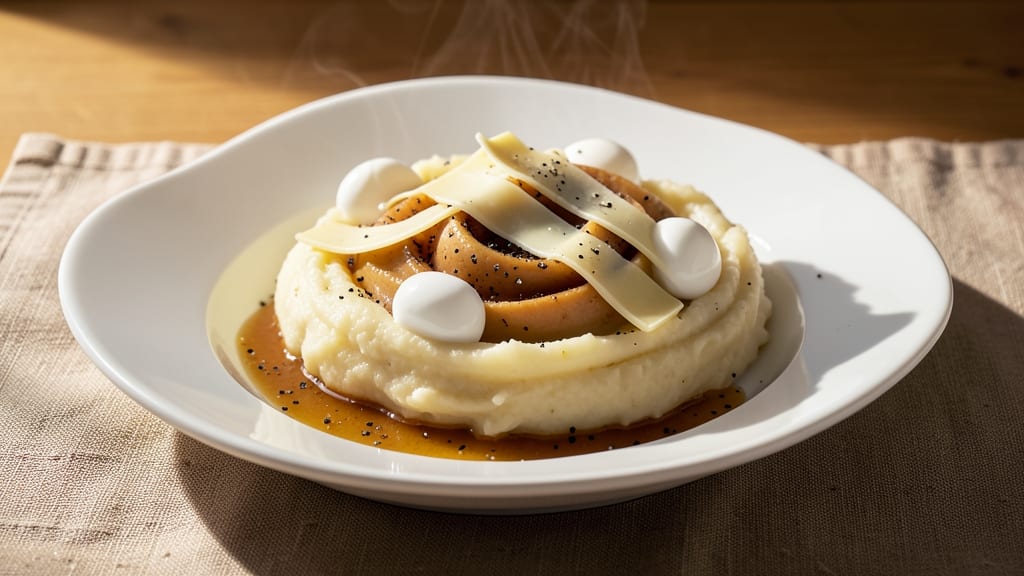
Gordon Ramsay’s mashed potato recipe transforms simple ingredients into velvety, buttery perfection that elevates any meal. Working the line at that Asheville farm-to-table restaurant taught me how precision matters—this method delivers restaurant-quality texture every time.
The secret lies in properly cooked potatoes, just the right amount of butter, and careful seasoning to avoid heaviness.
This recipe starts with Yukon Gold potatoes, peeled and boiled until tender yet firm, then mashed with warm butter and cream for that signature silky finish. Ramsay’s technique ensures no lumps, no grittiness—just smooth, rich mashed potatoes with a depth of flavor that makes them unforgettable.
The key is patience: letting the potatoes cook thoroughly before mashing and incorporating the dairy gradually.
By the time you’re done, you’ll have mashed potatoes so velvety they practically melt on your tongue, with a golden hue and just the right balance of salt and creaminess.
This is the kind of side dish that turns a simple dinner into something special—perfect for roasts, steaks, or even as a standalone indulgence. The texture is what sets it apart: light yet rich, never greasy.
For extra flavor, consider adding roasted garlic, sharp cheddar, or fresh herbs like chives. Serve immediately for the best texture, and watch how this simple dish becomes the star of your table. Here’s how to make them like a pro.
Ingredients for gordon ramsay mashed potato
Restaurant-quality mashed potatoes start with these nine ingredients—simple but precise.
| Ingredient | Amount | Notes |
|---|---|---|
| Yukon Gold Potatoes 🥔 | 2 lb | Peeled, cut into even chunks |
| Unsalted Butter 🧈 | ½ cup | Cold, cut into small cubes |
| Heavy Cream 🥛 | ½ cup | Room temperature preferred |
| Whole Milk 🥛 | ¼ cup | For creaminess and balance |
| Salt 🧂 | 1 ½ tsp | Kosher or sea salt preferred |
| Freshly Ground Black Pepper 🌶️ | ½ tsp | For subtle seasoning depth |
| Garlic Cloves 🧄 | 2 cloves | Optional, roasted for flavor |
| Sharp White Cheddar Cheese 🧀 | ¼ cup | Shredded, optional for tang |
| Fresh Chives 🌿 | 2 tbsp | Chopped, for garnish |
The Yukon Gold potatoes are non-negotiable here—their waxy texture and buttery flavor create that signature velvety consistency. Buy them fresh from a specialty grocer like Whole Foods or your local market, where they’re likely to be sourced within the last week. Avoid potatoes with sprouts or soft spots, and store them in a cool, dark place until ready to use. For the butter, European-style unsalted (like Plugrá) melts more smoothly than American brands, giving you that luxurious finish Ramsay insists on. The heavy cream should be full-fat—half-and-half won’t give the same richness.
No Yukon Golds? Russet potatoes work in a pinch, but they’ll be slightly starchier. Substitute heavy cream with whole milk plus 2 tbsp butter if needed, though the texture won’t be identical. For the garlic, roasting enhances sweetness—wrap whole cloves in foil with a pat of butter and roast at 400°F for 20 minutes. The cheddar adds a bright tang, but Gruyère or Parmesan can stand in if you prefer. Fresh chives are ideal, but dried chives at half the amount will do if you’re in a hurry. Always taste as you go—Ramsay’s method relies on gradual seasoning adjustments.
Potatoes keep for 1-2 weeks in a cool, dark place, but once peeled, they oxidize quickly—work with them within 24 hours. Butter and cream can be prepped ahead: cube the butter and chill, and let the cream sit at room temperature for 30 minutes before using. The finished mashed potatoes reheat beautifully—simmer gently in a pot with a splash of milk for 3-5 minutes to restore their creamy texture. Store leftovers in an airtight container for up to 3 days, though texture degrades after day 2.
Why You'll Love This Recipe
- No-Fuss Technique: I swear by the double-boiler method—boiling the potatoes first, then finishing them in warm milk and cream. No lumps, no stress, just silky perfection every time.
- Rich Without Effort: That buttery, velvety texture? Pure comfort in a bowl. The heavy cream and whole milk blend so smoothly with the Yukon Golds, you won’t believe how simple it is to get restaurant-quality results.
- Weeknight Hero: Serve it under roasted chicken, alongside steak, or even as a standalone dish when you’re too tired for anything fancy. It’s my go-to when I need something reliable that still feels special.
- Leftovers That Don’t Suck: Honestly, this mash actually tastes better the next day—if there’s any left. Reheat it gently with a splash of milk, and it’s just as creamy, making it my budget-friendly secret for lazy mornings or quick lunches.
Step-by-step instructions for gordon Ramsay's mashed potato recipe
Here's how to achieve restaurant-quality mashed potatoes with flawless texture and rich flavor.
Prepare and Boil the Potatoes
Peel the 2 lb Yukon Gold potatoes and cut them into even, 1-inch chunks for consistent cooking. Place them in a large pot and cover with cold water by about 2 inches. Add the 1.5 tsp salt and bring to a boil over medium-high heat. Once boiling, reduce heat to maintain a gentle simmer.
Cook the potatoes for 15-20 minutes until they're fork-tender with no resistance. You'll know they're done when a knife slides in easily and the edges begin to pull apart slightly. Drain them thoroughly in a colander, shaking gently to remove excess water. The potatoes should feel light and dry to the touch—this is crucial for smooth mash.
Create the Creamy Base
While the potatoes are cooking, place the 0.5 cup unsalted butter in a large mixing bowl. Cut it into small cubes and let it soften slightly at room temperature. This makes it easier to incorporate later without creating lumps.
Add the 0.5 cup heavy cream and 0.25 cup whole milk to the bowl with the butter. Whisk vigorously until the butter melts completely and the mixture becomes smooth and homogenous. This creates the velvety foundation for your mashed potatoes. The combination of heavy cream and milk gives you the perfect balance of richness and lightness.
Mash to Perfection
Return the drained potatoes to the pot and let them steam dry for 1 minute to evaporate any remaining surface moisture. This step prevents your mash from becoming watery. Then transfer the potatoes to the mixing bowl with the butter and cream mixture.
Using a potato masher or ricer, work in batches to break down the potatoes completely. I prefer a ricer for ultra-smooth results, but a masher works well if you press firmly against the sides of the bowl. Avoid overworking the potatoes—you're aiming for a smooth, lump-free texture, not a puree. The mash should be light and airy, with no visible chunks.
Season and Finish
Add the 0.25 cup shredded sharp white cheddar cheese to the mashed potatoes and gently fold it in using a rubber spatula. The cheese adds a subtle tang that elevates the flavor profile. If using the 2 cloves garlic (roasted for mellow flavor), press them through a fine strainer and add to the mash now.
Season generously with the 0.5 tsp freshly ground black pepper. Taste and adjust the seasoning if needed—remember, you can always add more salt, but you can't remove it. For extra richness, fold in additional butter 1 tablespoon at a time until you achieve the perfect consistency. The final texture should be light, creamy, and velvety with just a hint of resistance when pressed with your finger.
Serve Immediately
Transfer the mashed potatoes to a serving bowl and smooth the surface with a spatula. Garnish with the 2 tbsp chopped fresh chives for a pop of color and freshness. Serve immediately while still hot—mashed potatoes taste best straight from the pot. The contrast between the warm, creamy mash and the cool chives makes this dish truly special.
For best results, keep the mashed potatoes covered with a clean kitchen towel while serving to maintain their warmth and prevent a skin from forming. This recipe serves 4 generously, making it perfect for family dinners or holiday feasts.
Pro Tips For Making Gordon Ramsay Mashed Potato
- Boil Till Fork-Tender: Yukon Golds need to be actually soft—no one likes gummy potatoes. Test doneness by piercing with a knife; if it slides in like butter, you’re golden. I used to pull them too soon, and the texture suffered every time.
- Salt the Water Hard: More salt than you’d think—this isn’t a delicate dish. A full tablespoon in the boiling water (yes, even if your butter is unsalted) ensures the potatoes absorb flavor deep down. Trust me, bland mash is a crime.
- Don’t Rush the Butter: Warm the butter first—cold lumps make lumpy mash. Melt it in a small pan until it’s just liquid, then whisk it into the hot potatoes. This isn’t a race; smooth texture depends on it.
- Split the Cream: Heavy cream alone can turn rich and gluey. Mix half heavy cream with half whole milk for balance—better body without heaviness. I learned this after a batch turned into a sad, greasy puddle.
Essential equipment for this recipe
Potato Prep Essentials
Start with a mandoline slicer for even potato chunks—I use the OXO Good Grips model because it’s safe and precise. Cutting potatoes into 1-inch cubes ensures they cook uniformly. A fine-mesh colander from Rubbermaid helps drain excess water efficiently after boiling.
For peeling, I swear by a Y-peeler—it’s faster than a knife and leaves fewer blemishes on the potato skin. 🥔
Mixing Bowls Matter
A stainless steel mixing bowl (like the Cuisinart 8-quart) is non-reactive and keeps your mashed potatoes from turning gray. The deep sides make it easier to incorporate butter and cream without spills.
For smaller batches, a heatproof glass bowl works too—just avoid plastic, which can melt when hot liquids are added. I always use the largest bowl I own to minimize cleanup.
Butter and Cream Tools
Invest in a high-quality whisk (I love the OXO Good Grips) to emulsify butter and cream smoothly. For cutting butter, a sharp chef’s knife is essential—dull blades crush butter into grease instead of cubes.
A small saucepan for warming cream prevents lumps when mixing. I keep a thermometer nearby to ensure cream reaches 160°F before combining with potatoes. 🧈
Mashing Methods Compared
A potato ricer (like the OXO Good Grips) gives the silkiest texture by pushing potatoes through tiny holes, but it’s pricey. For budget-friendly results, a stainless steel masher works well—just press firmly against the bowl’s sides.
A hand mixer (like the KitchenAid KSM150PSER) can be used for ultra-smooth mash, but I avoid it with kids nearby (Emma and Jack have been known to "help" with dramatic results).
Seasoning and Garnish
Freshly ground black pepper deserves a pepper mill (I use the Baratza Encore) for consistent grind. For cheese, a microplane (like the OXO Good Grips) shreds cheddar finely without clumping.
A small offset spatula helps fold ingredients gently. Garnish with fresh chives chopped with sharp kitchen scissors—they’re faster than a knife and give clean cuts. 🌿
Optional Upgrades
For roasted garlic, a garlic press (like the OXO Good Grips) makes mincing easier. A steam basket (for your pot) speeds up potato cooking by 3-5 minutes. For reheating leftovers, a slow cooker on low keeps texture intact.
My Lodge cast iron pot maintains even heat for boiling potatoes—no hot spots to burn them. These tools turn good mashed potatoes into restaurant-quality perfection.
Nutrition facts
Frequently asked questions
Why do your mashed potatoes turn out lighter than Gordon Ramsay's?
Ramsay's signature mashed potatoes have that signature golden hue from properly cooked Yukon Gold potatoes and the right balance of butter and cream. The key is boiling them until perfectly tender (not mushy) and using warm dairy to maintain their natural color. Overcooking potatoes releases excess starch, making them pale and gummy. For that restaurant-quality color, boil potatoes until fork-tender but still firm, then mash immediately after draining.
Can I make these ahead of time for a holiday dinner?
Freshly made mashed potatoes are always best, but you can prep them ahead with this trick: Cook and mash the potatoes completely, then store them in an airtight container. When reheating, add 2 tablespoons milk or cream per cup of potatoes and warm gently in a pot over low heat for 5-7 minutes, stirring constantly. Stir in fresh butter and seasoning at the end. The texture won't be identical, but it's much better than store-bought!
What's the secret to ultra-smooth mashed potatoes?
Three things: First, drain potatoes thoroughly and let them steam dry for 1 minute after draining to remove all moisture. Second, use a potato ricer instead of a masher for silky texture. Third, work with warm (not hot) dairy—room temperature butter and cream blend in more smoothly. Ramsay's method also calls for gradual incorporation of dairy to avoid lumps. For extra insurance, press the mash through a fine-mesh sieve if you're really going for that restaurant-quality finish.
How do I keep my mashed potatoes from getting gluey?
Gluey mashed potatoes happen when potatoes are overcooked or when too much liquid is added. Always boil potatoes until just tender (they should collapse easily when pierced with a knife but still have some bite). For the creamy base, use warm dairy and add it gradually while mashing. Never add cold milk directly to hot potatoes—it causes starch to gelatinize and creates that dreaded gluey texture. Also, avoid overworking the mash with a hand mixer.
Can I substitute heavy cream with something else?
You can use whole milk plus 2 tablespoons butter per ½ cup as a substitute, but the texture will be slightly lighter. For a richer alternative, try half-and-half with 1 extra tablespoon butter per ½ cup. The key is maintaining the fat content—Ramsay's method relies on the richness of heavy cream for that velvety finish. If you're avoiding dairy, coconut cream works surprisingly well for a vegan version, though the flavor will differ slightly.