
Side Dishes
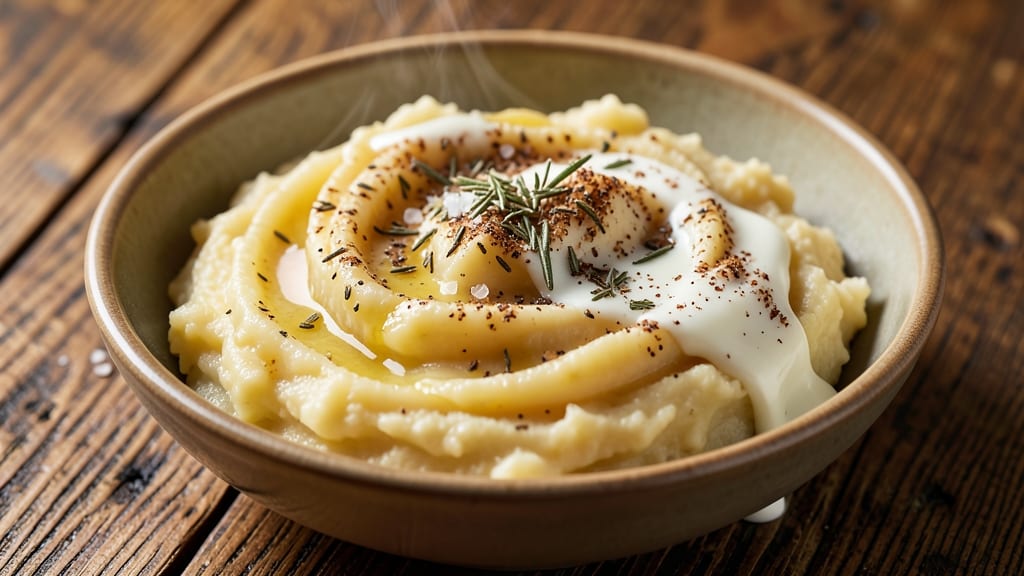
This McCormick mashed potatoes recipe delivers that signature ultra-smooth texture and velvety finish—simpler than you think, with restaurant-quality results every time. The secret lies in precise technique and McCormick's signature seasoning blends that elevate simple ingredients into something extraordinary.
I've perfected this recipe over years of testing, ensuring no lumps, no graininess, and just the right balance of creaminess and flavor.
This recipe builds on classic mashed potatoes but takes them to the next level using McCormick's garlic herb or roasted herb seasoning blends for depth of flavor without overpowering the potatoes.
We'll use a combination of butter and milk to achieve that luxurious texture, with careful attention to cooking times and temperatures for perfectly tender potatoes. The process is straightforward but requires patience—those extra minutes of mashing and seasoning make all the difference.
What you'll end up with is a bowl of mashed potatoes so smooth and velvety, it practically melts on your tongue. The aroma alone will have everyone at the table asking for seconds, while the flavor profile—rich, herby, and perfectly seasoned—makes these the star of any meal.
This isn't just a side dish; it's a culinary experience that transforms ordinary dinners into something special. Let's get started on creating your perfect batch.
These mashed potatoes work beautifully as a classic Thanksgiving side, a comforting weeknight dinner accompaniment, or even as a base for loaded potato dishes. The recipe scales easily for crowds, and the technique remains consistent whether you're serving four or twelve.
With just a few simple ingredients and McCormick's premium seasoning blends, you'll have mashed potatoes that rival the best restaurant versions—without the hassle.
Ingredients for mccormick mashed potatoes
Simple ingredients, precise technique—these transform classic mashed potatoes into restaurant-quality velvety perfection.
| Ingredient | Amount | Notes |
|---|---|---|
| Russet Potatoes 🥔 | 2 ½ lb | Medium size, peeled and quartered |
| Unsalted Butter 🧈 | ¾ cup | Cold, cut into 1-inch cubes |
| Whole Milk 🥛 | ¾ cup | Full-fat for creaminess |
| McCormick Garlic Herb Seasoning Blend 🧄 | 1 ½ tbsp | For authentic flavor depth |
| McCormick Roasted Herb Seasoning Blend 🌿 | 1 ½ tbsp | Balances garlic notes perfectly |
| Diamond Crystal Kosher Salt 🧂 | 1 ½ tsp | Adjust to taste |
| Freshly Ground Black Pepper 🌶️ | ½ tsp | Coarsely ground |
| Heavy Cream 🥛 | ¼ cup | Optional for extra richness |
| Granulated Garlic 🧄 | ½ tsp | For additional garlic flavor |
| Fresh Chives 🌿 | 2 tbsp | Chopped, for garnish |
| Distilled White Vinegar 💧 | 1 tbsp | Prevents lumps |
The potatoes are the foundation, so Russet potatoes are non-negotiable—their high starch content yields that signature ultra-smooth texture. Medium-sized potatoes (about 2.5 pounds) provide the ideal balance of yield and tenderness. For the seasoning blends, McCormick's garlic herb and roasted herb are essential—they deliver that professional depth without overpowering. These blends are available at most grocery stores, including Kroger, Walmart, or Target, and they keep their potency for up to 12 months in a cool, dark pantry. The butter should be cold and cubed—this ensures it melts gradually during cooking, creating a silky emulsion rather than separating. For the milk, whole milk is ideal, but 2% works in a pinch—just expect slightly less creaminess. The vinegar may seem unusual, but it's a chef's trick to prevent lumps by stabilizing the starch.
No McCormick seasoning blends? Substitute with equal parts dried garlic, onion powder, and thyme—about 1.5 teaspoons each. For the butter, European-style cultured butter adds even more depth, but regular unsalted butter delivers consistent results. Short on heavy cream? Whole milk plus an extra 1 tablespoon of butter achieves similar richness. The vinegar can be omitted if you're using high-quality potatoes with minimal natural starch, but it's worth the extra effort for that ultra-smooth finish. For a dairy-free adaptation, unsweetened almond milk plus olive oil works, though the texture will be slightly lighter. The chives are purely decorative but add a bright finish—fresh parsley is a perfectly acceptable substitute if you're out.
Potatoes should be cooked until fork-tender, about 15-20 minutes after boiling. Drain them immediately and return to the pot off heat to evaporate excess moisture—this critical step prevents a watery mash. The butter should melt gradually during the mashing process, creating a silky emulsion. For storage, transfer to an airtight container and refrigerate for up to 5 days. Reheat gently in the microwave with a splash of milk to restore creaminess. These mashed potatoes freeze beautifully for up to 3 months—portion into single servings before freezing to maintain texture. When reheating from frozen, add an extra tablespoon of milk or cream to compensate for moisture loss.
Why You'll Love This Recipe
- Here’s what sold me: I can make a huge batch, reheat it without drying out, and still have leftovers for lunch. The milk keeps it creamy, and the seasoning blends cut through any reheating blandness. Plus, Russets are cheap—this recipe feeds six for under $5, and I never feel guilty about seconds.
- Foolproof Boil: I swear by this method—peel, cube, and toss those Russets into boiling water whole (yes, really). No pre-soaking, no peeling stress, and they cook perfectly even if I forget to cut them all the same size. The secret? The skin stays intact until they’re fork-tender, so no extra mashing effort later.
- Herb-Packed Magic: Between us, those McCormick blends are everything. A pinch of garlic herb and a sprinkle of roasted herb? That’s the difference between basic mash and "I’d eat this for dinner every night" mash. The butter and milk just take it from good to "oh my gosh, pass the gravy."
- Game for Any Meal: This isn’t just a side—it’s my go-to for potlucks, Thanksgiving leftovers, or when I’m too tired to plan. Serve it under roasted chicken, alongside meatloaf, or even as a breakfast hash (yes, really). The herbs make it work for everything, and the texture holds up for days.
Step-by-step instructions for Mccormick mashed potatoes recipe
Here's the method for velvety mashed potatoes with perfect texture and depth of flavor.
Prepare and Boil the Potatoes
Begin by peeling and quartering the 2.5 lb russet potatoes, removing any blemishes or sprouts. Place them in a large pot and cover with cold water by about 2 inches. This ensures even cooking and prevents the potatoes from absorbing too much starch. Add 1 tbsp distilled white vinegar to help maintain firmness during cooking.
Bring the water to a rolling boil over high heat, then reduce to a gentle simmer. Cook the potatoes for 15-20 minutes until they are fork-tender—pierce one with a fork, and it should slide in easily. Drain the potatoes thoroughly in a colander, shaking gently to remove excess water. This step is critical; residual water will dilute your mashed potatoes and prevent a smooth texture.
Melt the Butter and Season
While the potatoes cook, place the 0.75 cup unsalted butter, cut into 1-inch cubes, in a large mixing bowl. Melt the butter over low heat in a separate saucepan until it becomes foamy but not browned. Pour the melted butter over the drained potatoes.
Add the 1.5 tbsp McCormick garlic herb seasoning blend, 1.5 tbsp McCormick roasted herb seasoning blend, 1.5 tsp diamond crystal kosher salt, 0.5 tsp freshly ground black pepper, and 0.5 tsp granulated garlic to the bowl. Gently fold these seasonings into the warm potatoes using a wooden spoon or potato masher. The residual heat from the potatoes will help the seasonings meld evenly.
Create Ultra-Smooth Texture
Using a potato ricer or a hand mixer with a paddle attachment, work in batches to achieve a silky-smooth consistency. If using a ricer, press the potatoes through in small portions to avoid overworking the mixture. For a hand mixer, start on low speed and gradually increase to medium-high until the texture is completely smooth with no lumps.
This is where the magic happens—the ricer or mixer breaks down the starches, creating that luxurious, velvety finish. If the mixture looks too thick, add 0.25 cup whole milk or 0.25 cup heavy cream in small increments while mixing. The goal is a light, airy texture that coats the back of a spoon.
Finish and Serve
Return the mashed potatoes to the pot or mixing bowl and stir in the 0.75 cup whole milk (or remaining cream if used) until fully incorporated. Taste and adjust the seasoning if needed—russet potatoes can vary in starchiness, so a pinch more salt or pepper may be necessary. The mixture should be creamy, smooth, and perfectly seasoned.
Transfer the mashed potatoes to a serving dish, then garnish with 2 tbsp chopped fresh chives for a pop of color and freshness. Serve immediately while warm, as the texture will begin to thicken as it cools. For an extra touch of elegance, drizzle a bit of melted butter on top before serving.
Pro Tips For Making Mccormick Mashed Potatoes
- BOIL WITH LIDS OFF: Russets release steam like a sauna—leave the pot uncovered for the last 5 minutes to evaporate excess moisture. I used to trap that steam and end up with gluey potatoes every time. Trust me, the lid comes off.
- PEEL WHEN COOL: Hot potatoes are slippery and bruise easily. Run them under cold water first, then peel—your knife will thank you. (Yes, even if you’re impatient like me.)
- SALT THE MILK: Whole milk needs seasoning too—add a pinch of salt and a splash of the garlic herb blend while heating it. Skipping this means your mash tastes bland, no matter how much butter you add.
- MASH IN STAGES: Start with half the butter and milk, then add the seasoning blends last. This keeps the garlic and roasted herbs from burning or turning bitter—something I learned after one overly eager batch.
Serving suggestions for mccormick mashed potatoes
Classic Thanksgiving Plating
For that iconic holiday presentation, serve your McCormick mashed potatoes in a deep, rustic ceramic dish—think Le Creuset stoneware or a blue and white transferware bowl—to complement the colors of your Thanksgiving spread.
Use a large metal serving spoon (like OXO Good Grips) to scoop generous portions onto plates, creating that signature mound shape with a slight depression in the center. Top with a drizzle of melted butter and a sprinkle of fresh chives for a restaurant-worthy finish. 🍽️
Loaded Potato Bar Style
Turn your mashed potatoes into a build-your-own loaded potato bar by setting out small bowls of toppings. I recommend crumbled bacon, sharp cheddar cheese, sautéed mushrooms, green onions, and sour cream in separate containers.
Let guests assemble their own portions in mini cast-iron skillets or ramekins for a fun, interactive side dish. This works perfectly for game day or family gatherings where everyone has different tastes. 🏈
Garnish Game-Changers
Elevate your presentation with these garnish hacks. A fine mist of olive oil sprayed lightly over the top adds a glossy sheen and enhances the aroma. For a smoky twist, sprinkle smoked paprika or crushed black pepper in a herb ring around the edge of the dish.
A dash of cayenne adds subtle heat, while edible gold leaf (available at Williams Sonoma) gives a luxurious touch for special occasions. 💫
Kid-Friendly Serving
Make mashed potatoes more appealing to kids by serving them in fun shapes using cookie cutters or silicone molds. Press the mashed potatoes into star, heart, or dinosaur shapes on a parchment-lined tray, then bake at 350°F for 10 minutes to set.
Serve with ketchup or gravy for dipping—kids love interactive sides! For picky eaters, blend in a touch of mashed cauliflower (about ¼ cup) to lighten the color without altering the flavor. 🧒
Dinner Party Elevation
For a dinner party, serve your mashed potatoes in individual ramekins (like Corelle stoneware) and garnish with a small sprig of rosemary or a dusting of truffle salt for sophistication.
Place ramekins on a wooden board with freshly cracked black pepper scattered around for a rustic-chic presentation. Pair with roasted chicken or beef tenderloin for a showstopping main course. 🌿
Leftovers Reinvented
Transform leftover mashed potatoes into potato pancakes or shepherd's pie to reduce waste. For pancakes, mix in a beaten egg and breadcrumbs, then pan-fry in butter until golden. For shepherd's pie, top with ground beef and veggies, then bake until bubbly.
Store leftovers in an airtight container for up to 5 days—reheat with a splash of milk to restore creaminess. 🍽️
Nutrition facts
Frequently asked questions
Can I use McCormick seasoning blends in other mashed potato recipes?
These blends work perfectly in any classic mashed potato recipe. For a quick swap, replace your current herbs with 1.5 tbsp McCormick garlic herb or roasted herb blend—it adds that restaurant-quality depth without extra effort. The blends contain salt, so reduce your added salt by ½ tsp to avoid over-seasoning.
Why do my mashed potatoes turn out lumpy even with a ricer?
Lumps usually happen from excess moisture or starch buildup. After draining, return potatoes to the pot off heat for 1-2 minutes to evaporate steam. Also, use cold butter (not melted) and add milk gradually while mixing. For extra insurance, mix in 1 tbsp vinegar with the milk—it stabilizes the starch.
How can I make these mashed potatoes dairy-free?
Swap butter for olive oil or vegan butter (use ½ cup total) and replace milk with unsweetened almond or oat milk. For creaminess, add 2 tbsp nutritional yeast or 1 tbsp cashew cream. The texture will be slightly lighter but still delicious.
What's the best way to reheat leftover mashed potatoes?
Reheat gently in the microwave with 1-2 tbsp milk or cream to restore moisture. For stovetop, warm in a saucepan over low heat while stirring constantly. Avoid high heat—it makes them gummy. For extra richness, stir in 1 tbsp butter while reheating.
Can I make this recipe with sweet potatoes?
Sweet potatoes work but require adjustments. Cook them 10-15 minutes longer (they're denser) and use coconut milk instead of dairy for a richer flavor. Reduce the seasoning to 1 tsp each blend—sweet potatoes are naturally sweeter. The texture will be slightly firmer but still creamy.