
Side Dishes
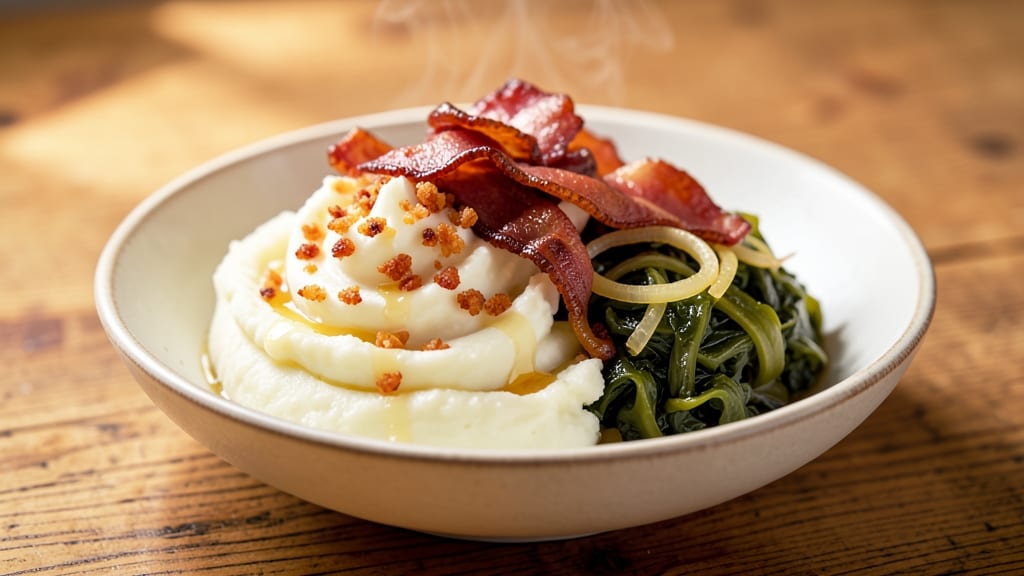
This mashed potatoes and sauerkraut recipe transforms a classic side dish into a bold, tangy-sour masterpiece that elevates any hearty meal. The secret lies in balancing creamy, buttery potatoes with the sharp, fermented punch of sauerkraut—a combination that cuts through rich meats and adds depth to every bite.
I developed this recipe after realizing how often sauerkraut gets overlooked in favor of plain sides, and the results speak for themselves.
The beauty of this dish is its versatility and simplicity. You'll start with classic mashed potatoes—smooth, velvety, and infused with garlic and butter—but the real magic happens when you sauté sauerkraut with onions and bacon until caramelized.
This method preserves the sauerkraut's tang while adding a smoky richness that complements the potatoes perfectly. The entire process takes under 45 minutes, making it ideal for weeknight dinners or holiday feasts.
What you'll end up with is a dish that's restaurant-quality yet approachable: fluffy mashed potatoes with pockets of bright green sauerkraut, crispy bacon bits, and a touch of cream for extra indulgence. The contrast of textures and flavors makes this side dish unforgettable.
Serve it alongside roasted pork, smoked sausages, or even as a standalone meal with a fried egg on top. Here's how to make it.
This recipe also works as a make-ahead option—the mashed potatoes can be prepped in advance, and the sauerkraut mixture reheats beautifully. For extra flavor, consider adding a splash of sour cream or fresh dill to the finished dish.
The possibilities are endless, but the foundation remains the same: creamy meets tangy in perfect harmony.
Ingredients for mashed potatoes and sauerkraut
Creamy potatoes meet tangy sauerkraut in this bold, restaurant-inspired side dish perfect for hearty meals.
| Ingredient | Amount | Notes |
|---|---|---|
| Russet Potatoes 🥔 | 2 lb | Medium-large, peeled and cubed |
| Unsalted Butter 🧈 | ½ cup | Cold, cut into tablespoon pieces |
| Heavy Cream 🥛 | ½ cup | Full-fat for optimal texture |
| Sauerkraut 🥬 | 1 ½ cups | Drained and rinsed thoroughly |
| Thick-Cut Bacon 🥓 | 6 oz | Chopped into small pieces |
| Yellow Onion 🧅 | 1 whole | Thinly sliced, about 1 cup |
| Garlic Cloves 🧄 | 3 cloves | Minced, for depth of flavor |
| Fresh Dill 🌿 | ¼ cup | Chopped, for brightness |
| Diamond Crystal Kosher Salt 🧂 | 1 ½ tsp | Adjust to taste |
| Freshly Ground Black Pepper 🌶️ | ½ tsp | For subtle seasoning |
| Sour Cream 🥛 | ¼ cup | For garnish, optional |
| Extra-Virgin Olive Oil 🫒 | 1 tbsp | For sautéing bacon |
The Russet potatoes are non-negotiable for this recipe—their high starch content ensures a velvety texture. Opt for organic potatoes when possible, as their skins are thinner and easier to peel uniformly. For the sauerkraut, seek out high-quality, unpasteurized varieties from specialty stores like Whole Foods Market or Trader Joe's—these retain the most vibrant flavor and probiotic benefits. The thick-cut bacon from Oscar Mayer or Butterball delivers the best smoky depth when rendered crisp, while yellow onions should be firm and free of sprouts. Fresh dill from the grocery store's refrigerated section adds brightness, but if unavailable, dried dill at one-third the amount suffices.
No sauerkraut on hand? Fermented green cabbage from a Mason jar works in a pinch, though it may lack the same tang. Substitute sour cream for the heavy cream in the mashed potatoes if preferred, though the texture will be slightly lighter. For the garlic, if you're short on cloves, garlic powder at half the amount provides a milder but effective alternative. The bacon can be swapped for smoked turkey bacon to reduce fat content without sacrificing flavor. If you're avoiding dairy, coconut cream replaces the heavy cream, though the potatoes will have a distinct coconut undertone.
Store the mashed potatoes in an airtight container in the refrigerator for up to 3 days, though they're best enjoyed within 24 hours for optimal creaminess. The sauerkraut mixture reheats beautifully—simply warm in a skillet with a splash of water for 2-3 minutes to restore crispiness. For make-ahead convenience, prepare the sauerkraut mixture a day ahead and store it separately. When reheating, add a pat of butter to maintain moisture. The dish freezes well for up to 3 months, though the sauerkraut may soften slightly upon thawing.
Why You'll Love This Recipe
- One-Pot Wonder: I swear by this recipe—just boil the potatoes, crisp the bacon, and fold in the sauerkraut. No extra bowls, no extra mess. (Yes, even on a Tuesday night when I’d rather be scrolling than cleaning.)
- Crispy-Creamy Magic: That first bite of bacon crunch into fluffy, buttery potatoes? It’s like a hug for your taste buds. The sauerkraut adds a tangy kick that cuts through the richness—perfect balance, every time.
- Weeknight Workhorse: Serve it as a side for steak, pile it on a sandwich, or eat it straight from the pot. Honestly, I’ve had it for breakfast (don’t judge) and it’s always a hit. The leftovers? Just as good reheated the next day.
- Budget-Friendly Feast: Russets and sauerkraut stretch this dish far—feed four for the price of takeout. The bacon adds luxury without breaking the bank, and the heavy cream makes it feel indulgent. My secret weapon for stretching groceries without sacrificing flavor.
Step-by-step instructions for mashed potatoes and sauerkraut
This recipe delivers velvety mashed potatoes with a tangy-sour sauerkraut topping that elevates every bite.
Cook the Russet Potatoes Until Fork-Tender
Place the 2 lb russet potatoes in a large pot and cover with cold water by about 2 inches. Add 1.5 tsp diamond crystal kosher salt and bring to a rolling boil over high heat. Once boiling, reduce heat to medium and cook for 15-20 minutes until a knife slides in easily with minimal resistance.
Drain the potatoes thoroughly in a colander, then return them to the pot. This prevents the mashed potatoes from becoming watery. For extra-fluffy results, I like to press down on the potatoes with a potato masher while they're still hot to release excess steam before mashing.
Sauté the Bacon and Onion for Depth of Flavor
In a large skillet, heat 1 tbsp extra-virgin olive oil over medium heat. Add the 6 oz chopped thick-cut bacon and cook for 6-8 minutes, stirring occasionally, until the bacon is crispy and the fat has rendered out. Remove the bacon with a slotted spoon and set aside on paper towels to drain.
In the same skillet, add the thinly sliced 1 whole yellow onion and cook for 5-6 minutes until softened and translucent. Add the 3 minced garlic cloves and cook for an additional 30 seconds until fragrant. This aromatic base forms the flavor foundation for your sauerkraut topping.
Create the Sauerkraut Topping with Fresh Dill
In a medium saucepan, combine the 1.5 cups drained and rinsed sauerkraut with the cooked onion and garlic mixture. Add 0.25 cup chopped fresh dill and cook over medium-low heat for 5-7 minutes, stirring occasionally, until the sauerkraut is heated through and the flavors meld together.
Season the sauerkraut with 0.5 tsp freshly ground black pepper and adjust the salt to taste if needed. The acidity of the sauerkraut should be balanced by the sweetness of the caramelized onions. If the mixture appears too wet, cook it uncovered for an additional 2 minutes to evaporate excess moisture.
Mash the Potatoes to Silky Perfection
Return the drained potatoes to the pot and add the 0.5 cup cold unsalted butter cut into tablespoon pieces. Mash the potatoes with a potato masher or ricer until smooth. Stir in the 0.5 cup heavy cream and continue mashing until the mixture is light and airy with no lumps.
For extra-creamy texture, I recommend using a ricer instead of a masher. The ricer breaks down the potato starches more thoroughly, resulting in a smoother, more luxurious consistency. Season the mashed potatoes with an additional pinch of salt if needed, but be careful—the sauerkraut topping will add significant flavor.
Assemble and Garnish for Maximum Flavor
Transfer the mashed potatoes to a serving dish and spread them evenly. Top with the sauerkraut mixture and crispy bacon, distributing them evenly across the surface. For an additional layer of richness, dollop the 0.25 cup sour cream over the top and gently swirl it into the sauerkraut.
Serve immediately while the mashed potatoes are hot and the bacon is crispy. The contrast between the creamy potatoes and the tangy-sour sauerkraut creates a perfect balance of textures and flavors. This dish pairs beautifully with roasted meats or as a standalone vegetarian entree.
Pro Tips For Making Mashed Potatoes And Sauerkraut
- BOIL POTATOES UNTIL TENDER: I learned this the hard way—Russets need to be actually falling apart when pierced with a fork, not just denting. Cold potatoes? No. Undercooked? Even worse. Aim for 20-25 minutes in salted water (yes, salt it early), then drain and shake off excess moisture before mashing—this keeps your potatoes from turning gluey when mixed with cream.
- RINSE SAUERKRAUT WELL: That tangy brine is delicious but can make your mashed potatoes taste like a pickle bomb if you skip this. Drain the kraut, then rinse it under cold water to cut the acidity by half. Pat it very dry with a towel—wet sauerkraut steams instead of crisping, and nobody wants soggy kraut in their mash.
- CRISPY BACON NEEDS TIME: Thick-cut bacon takes patience. Start it in a cold skillet (yes, cold) over medium heat, rendering fat slowly. Flip only once, and resist the urge to rush—it’ll crisp up faster if you let the fat pool build. Once done, chop it into small pieces after resting 5 minutes. Cold bacon stays crisp; warm bacon gets limp.
- WHISK CREAM AND BUTTER: Cold butter and heavy cream mixed directly into hot potatoes? That’s how you get lumps. Instead, warm the cream slightly (just until it steams), then whisk in softened butter until fully emulsified before folding into the potatoes. The result? Silky texture, not a clumpy mess. And for extra richness, use 2 tablespoons of butter and 1 tablespoon of bacon fat from the skillet.
Health benefits of this dish
Probiotic Powerhouse
Sauerkraut is one of nature’s best probiotic foods, packed with live cultures like Lactobacillus that support gut health and digestion. Just 1.5 cups of sauerkraut in this recipe delivers billions of beneficial bacteria, helping balance your microbiome.
I notice my digestion improves noticeably when I include fermented foods like this regularly. 💪
Potassium-Rich Potatoes
The russet potatoes in this dish are an excellent source of potassium, with 2 pounds providing nearly 2,000mg—about 44% of your daily needs. This mineral helps regulate blood pressure and muscle function, making these mashed potatoes a heart-smart choice.
The creamy texture also makes them easier to digest than fried potato dishes.
Healthy Fats Balance
The combination of unsalted butter and heavy cream in the mashed potatoes provides satisfying healthy fats that support brain function and nutrient absorption. I use full-fat dairy because it creates the richest texture while still offering nutritional benefits.
For a lighter option, you could substitute Greek yogurt for some of the cream without sacrificing flavor.
Antioxidant Boost
Fresh dill and garlic in the sauerkraut mixture add powerful antioxidants that combat inflammation. Garlic contains allicin, which has been shown to support cardiovascular health, while dill provides vitamin C and manganese. The crispy bacon adds iron, creating a nutrient-packed side dish that feels indulgent yet wholesome. 🌿
Low-Calorie Crunch
Despite its rich flavors, this dish can be surprisingly balanced. The sauerkraut adds volume with minimal calories—just 25 calories per cup—while the potatoes provide complex carbohydrates for sustained energy.
I often serve this as a lighter alternative to heavy cream-based sides at holiday meals, and no one ever guesses it's a healthier option.
Digestive Comfort
The fermentation process in sauerkraut makes it naturally easier to digest than raw cabbage, reducing bloating and gas. The probiotics also help crowd out harmful bacteria in your gut. I've found that adding this to meals helps me feel more satisfied and less sluggish afterward.
For extra comfort, serve with a side of steamed greens to complete the digestive benefits. 💫
Nutrition facts
Frequently asked questions
Why does sauerkraut need to be drained and rinsed before using?
Draining and rinsing removes excess brine, which prevents your mashed potatoes from becoming watery when combined with the sauerkraut topping. The tangy flavor still remains while keeping the texture perfect. For extra flavor, save a splash of the brine to use in sautéing the onions.
Can I make this dish ahead of time?
The mashed potatoes can be made 1 day ahead and stored in an airtight container in the fridge. The sauerkraut mixture reheats beautifully—just warm it in a skillet with a splash of water for 2-3 minutes to restore crispiness. Reheat the potatoes gently in the microwave or on the stovetop with a splash of milk or cream.
What's the best way to keep mashed potatoes from getting gluey?
Always drain the potatoes thoroughly after boiling and return them to the pot to steam-dry for 1-2 minutes before mashing. Use a ricer or potato masher for a smoother texture, and avoid overworking the potatoes. Cold butter and heavy cream also help maintain creaminess without adding moisture.
Can I substitute sauerkraut with another fermented vegetable?
While sauerkraut is ideal for its tangy flavor, you could use kimchi (Korean fermented cabbage) or fermented green beans in a pinch. For best results, adjust the cooking time—kimchi needs only 3-4 minutes of sautéing, while green beans may require 8-10 minutes to soften. The flavor profile will differ slightly but still complement the potatoes.
How do I make this vegetarian?
Skip the bacon and use smoked paprika or liquid smoke for depth. Replace the bacon fat with olive oil and add vegan butter to the mashed potatoes. For extra protein, stir in crumbled tofu or vegan sausage crumbles into the sauerkraut mixture. The dish will still be hearty and flavorful!