
Side Dishes
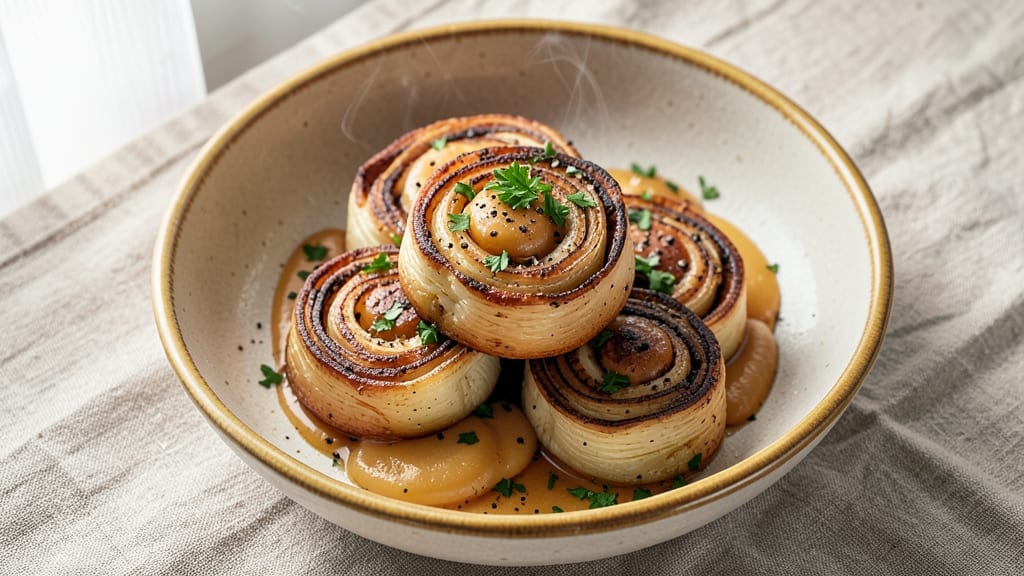
Martin's potato rolls recipe delivers the kind of buttery, pull-apart softness that makes every bite worth the effort. These aren’t your average dinner rolls—they’re a foolproof blend of fluffy potato dough and a vinegar-kissed crust that crackles with every tear.
I first tried this recipe after a particularly soggy holiday dinner, and it became an instant staple in my kitchen.
The secret lies in the dough itself: a mix of mashed potatoes, warm milk, and melted butter creates a tender base, while a splash of vinegar in the water adds that signature crispness to the crust.
The rolls rise beautifully, yielding a golden-brown exterior that’s just crisp enough to contrast with the pillowy interior. Unlike many recipes, this one doesn’t require yeast—just a simple blend of flour, baking powder, and a pinch of salt.
What you’ll end up with is a batch of rolls that’s perfect for soaking up gravy, sandwiching burgers, or serving warm with butter. The texture is impossible to resist: fluffy, slightly chewy, and with that vinegar bite that keeps them from turning greasy.
These aren’t just side dishes—they’re the star of the meal. Ready to make them?
Whether you’re hosting a holiday feast or just craving something comforting, these potato rolls deliver restaurant-quality results with minimal effort. The dough comes together in under 15 minutes, and the baking time is just 20 minutes—fast enough for a weeknight but impressive enough for company. Let’s get started!
Ingredients for martin's potato rolls
Warm mashed potatoes, cold butter, and a vinegar secret—these ingredients transform into rolls better than any bakery.
| Ingredient | Amount | Notes |
|---|---|---|
| Russet Potatoes 🥔 | 2 lbs | Peeled and cooked to mash |
| All-Purpose Flour 🌾 | 3 cups | Plus 1 tbsp for dusting |
| Unsalted Butter 🧈 | ½ cup | Cold, cubed for dough |
| Whole Milk 🥛 | 1 cup | Warm for mixing |
| Large Eggs 🥚 | 1 whole | Room temperature |
| White Vinegar 💧 | 1 tbsp | For vinegar-kissed crust |
| Granulated Sugar 🍚 | 1 tbsp | For dough balance |
| Baking Powder 🍞 | 2 tsp | Double-acting preferred |
| Salt 🧂 | 1 tsp | Fine sea salt |
| Water 💧 | 1 cup | Plus 1 tbsp vinegar |
The potatoes are non-negotiable. Russet is best—it’s starchy enough to hold shape but creamy when mashed. Whole Foods or Trader Joe's usually have the best-priced organic Russets. Skip the instant mashed potatoes (they’re dry and gummy). Instead, boil whole potatoes, drain well, and mash them while still hot. The butter needs to be cold—Land O'Lakes or Plugrá work perfectly. Warm the milk just enough to melt the butter cubes completely, but not so hot it cooks the egg. And that vinegar? White vinegar is classic, but apple cider vinegar adds a subtle sweetness if you prefer.
No Russet potatoes? Yukon Golds work in a pinch—they’re creamier but still hold together. Out of vinegar? Lemon juice at half the amount gives a similar tang. The baking powder is crucial—Diamond Crystal, so if you use it, cut the amount to 1.5 tsp. For the dough, don’t overmix. Just combine everything until it comes together—it’ll be sticky, which is perfect. If the dough feels too wet, add 1 tbsp more flour. Too dry? Add 1 tsp milk. And yes, you can make these rolls ahead—the dough keeps for 24 hours in the fridge, wrapped tightly in plastic.
The dough doubles in size while rising, so don’t shape the rolls too big. Bake them until they’re golden-brown—about 20 minutes at 375°F. They’ll stay warm for 30 minutes if wrapped in a clean kitchen towel. For leftovers, freeze them on a tray first, then transfer to a bag. Reheat in a 350°F oven for 10-15 minutes until crispy again. Pro tip: Brush the tops with melted butter right after baking for extra richness. These rolls are worth the effort—every tear of the crust is a victory.
Why You'll Love This Recipe
- No-Knead Magic: I swear by this dough—just mash the Russets, mix in the flour and milk, and let it rest. No rolling, no fuss, and zero stress. That butter-rich dough? It’s forgiving, even if I squish it wrong.
- Creamy-Crusty Balance: The outside gets golden and crispy while the inside stays tender—like a hug in bread form. The milk and eggs make it rich, but the flour gives that satisfying bite. Honestly, it’s the kind of roll that disappears fast.
- Weeknight Workhorse: These rolls pair with everything—roasts, soups, even breakfast hash. I keep a batch in the freezer for lazy mornings or when company drops by. They reheat like a dream, no matter the occasion.
- Budget Stretch: Russets and flour are cheap, and a single batch feeds four (or my family’s bottomless appetites). Leftovers? Toast them for a crispy snack or freeze them for months. My wallet and my taste buds win.
Instructions for martin's potato rolls recipe
Here's how to create pillowy, golden rolls with a crisp vinegar-kissed crust and tender interior.
Create the Perfect Potato Base
Peel the 2 lbs of russet potatoes and cut them into even chunks. Place them in a pot of cold, salted water and bring to a boil over high heat. Once boiling, reduce to medium-high heat and cook for 15-20 minutes until fork-tender. Drain thoroughly and return to the pot.
Using a potato masher, mash the potatoes until completely smooth with no lumps. Let them cool slightly—this prevents the butter from melting too quickly when mixed. The texture should be silky and lump-free, like a thick puree. This smooth base is crucial for tender rolls that pull apart easily.
Mix the Dough Ingredients
In a large mixing bowl, combine the 3 cups of all-purpose flour, 2 tsp baking powder, 1 tsp salt, and 1 tbsp granulated sugar. Whisk gently to distribute the dry ingredients evenly. In a separate bowl, whisk together the 1 cup warm whole milk, 1 whole large egg, and 1 tbsp white vinegar until smooth.
Make a well in the center of the dry ingredients and pour in the milk mixture. Using a wooden spoon or rubber spatula, gently stir until just combined. The dough will be shaggy at first—this is normal. Add the 0.5 cup cold cubed unsalted butter and use your hands to work it into the dough until it begins to come together.
Incorporate the Potato Mash
Add the cooled potato mash to the bowl and mix thoroughly with your hands or a dough scraper. The dough will become sticky and more cohesive. Knead gently on a lightly floured surface for 3-4 minutes until smooth and elastic. If it's too sticky, add 1 tbsp of the reserved flour, but don't overdo it—too much flour makes the rolls dense.
Cover the dough with a clean kitchen towel and let it rest for 10 minutes. This brief rest helps the gluten relax, making it easier to shape later. The dough should be soft but not wet, and slightly tacky to the touch. If it's too firm, let it rest a few minutes longer.
Shape and Rise the Rolls
Lightly flour a clean surface and divide the dough into 12 equal pieces (about 2 oz each). Roll each piece into a smooth ball and place them in a greased 9x13-inch baking dish, leaving about 1 inch between each roll. Cover with a damp towel and let rise in a warm place for 45-60 minutes until nearly doubled in size.
The rolls should spring back slowly when gently pressed. If they rise too quickly, they'll collapse during baking. For even better flavor, brush the tops with a mixture of 1 tbsp melted butter and 1 tsp milk right before baking. This creates that signature golden, vinegar-kissed crust while keeping the interior tender.
Bake to Golden Perfection
Preheat your oven to 375°F. Bake the rolls for 20-25 minutes until they're golden brown on top and the internal temperature reaches 190°F. The rolls should pull apart easily with gentle pressure, revealing a soft, fluffy interior.
For extra crispiness, transfer the baking dish to a wire rack and let cool for 5 minutes before serving. These rolls are best enjoyed warm, straight from the oven. Store any leftovers in an airtight container at room temperature for up to 2 days, or freeze for up to 3 months.
Pro Tips For Making Martin'S Potato Rolls
- Boil Potatoes Until Fork-Tender: Russets need to be fully broken down—no al dente leftovers. Test with a fork: if it slides in like butter, they’re ready. Overcooking here won’t turn them mushy; it’ll make the dough silky and the rolls light. (I learned this after one batch turned into glue.)
- Chill the Dough Twice: First, let it rest 30 minutes after mixing—this relaxes the gluten. Then, shape the rolls and refrigerate another 20 minutes before baking. Skipping this makes them dense; the cold sets the structure so they rise properly. (Yes, even if you’re impatient like me.)
- Brush Rolls with Milk: Before baking, lightly brush the tops with whole milk. It creates a golden crust and keeps them moist longer. I used to skip this, and the rolls always ended up dry on top. (Two tablespoons per batch—just enough to dampen, not drown.)
- Bake on the Middle Rack: The middle rack ensures even heat—no cold spots at the bottom or scorching on top. If your oven runs hot, rotate the pan halfway through. I burned the first batch because I trusted the top rack too much. (Now I double-check the temp gauge.)
Creative variations of this dish
Savory Garlic Herb Twist
Swap out the plain butter for a garlic-herb butter> blend by mixing ½ cup softened butter> with 2 minced garlic cloves, 1 tbsp chopped fresh parsley, and ½ tsp dried thyme.
Spread this mixture between dough layers when shaping rolls for an aromatic burst. Brush the tops with extra garlic butter after baking for a restaurant-worthy finish. 🌿
Cheesy Pull-Apart Loaves
Transform these into a cheesy bread loaf by shaping the dough into a single large rectangle on a baking sheet. Sprinkle 1 cup shredded sharp cheddar> and ½ cup grated Parmesan> evenly over the dough, then roll it up tightly.
Slice into 1-inch> thick pieces before baking at 375°F for 25 minutes. The cheese melts into the potato dough for a decadent, shareable centerpiece.
Sweet Cinnamon Rolls
Skip the vinegar and add 1 tsp cinnamon> and ½ tsp nutmeg> to the dough.
Roll out the dough into a ¼-inch thick> rectangle, spread with a mixture of ½ cup softened butter> and ½ cup brown sugar, then roll it up like a jelly roll. Slice into rounds, place in a baking dish, and bake at 350°F for 20-25 minutes.
Top with cream cheese glaze for a sweet breakfast twist.
Herbed Potato Flatbreads
Shape the dough into 6-inch rounds> instead of rolls, then press with a fork to create ridges. Brush with olive oil and sprinkle with 1 tsp dried rosemary> and ½ tsp smoked paprika.
Bake at 400°F for 12-15 minutes> until golden. Serve warm with hummus or as a crispy base for open-faced sandwiches. These flatbreads are perfect for dipping or stuffing with fillings like goat cheese and prosciutto.
Sour Cream Swirl Rolls
Fold ½ cup sour cream> into the dough after mixing to create ultra-tender, slightly tangy rolls. Shape into rings by pressing your thumb into the center of each ball before baking.
The sour cream adds moisture and a subtle tang that pairs beautifully with savory dishes. Brush the tops with melted butter and sprinkle with everything bagel seasoning> for a gourmet touch.
Gluten-Free Adaptation
Replace the all-purpose flour with a 1:1 gluten-free flour blend> (like Bob’s Red Mill or King Arthur). Add ½ tsp xanthan gum> to help bind the dough.
The potato mash remains the same, but you may need to reduce the milk by 2 tbsp> since gluten-free dough absorbs less liquid. These rolls will be slightly denser but still delicious, especially when brushed with garlic butter after baking. 💡
Nutrition facts
Frequently asked questions
Can I make these potato rolls without yeast?
This recipe uses baking powder instead of yeast, making it quick and foolproof. The vinegar in the water helps create lift without fermentation. The rolls will still rise beautifully and stay tender—no waiting for yeast activation required.
Why does my dough feel too sticky?
Sticky dough is normal with potato rolls—the mashed potatoes add moisture. If it’s too wet, add 1 tbsp flour at a time until it’s just workable. Avoid over-flouring, or the rolls may turn dense. A lightly floured surface helps too.
Can I bake these rolls in a different pan?
Yes, but use a 9x13-inch or similar-sized baking dish. If your pan is smaller, reduce the number of rolls proportionally (e.g., 9 rolls in a 9x9-inch pan). Grease the pan well to prevent sticking, and leave 1 inch between rolls for even baking.
How do I store leftovers?
Keep rolls in an airtight container at room temperature for up to 2 days. For longer storage, freeze them on a tray first, then transfer to a bag. Reheat in a 350°F oven for 10-15 minutes until crispy again. Wrap in foil to prevent drying.
Can I make these rolls ahead of time?
Yes! Shape the dough into rolls and refrigerate for up to 24 hours before baking. Let them sit at room temperature for 30 minutes before baking to ensure even rising. For best results, bake fresh, but they’ll still taste great reheated.