
Side Dishes
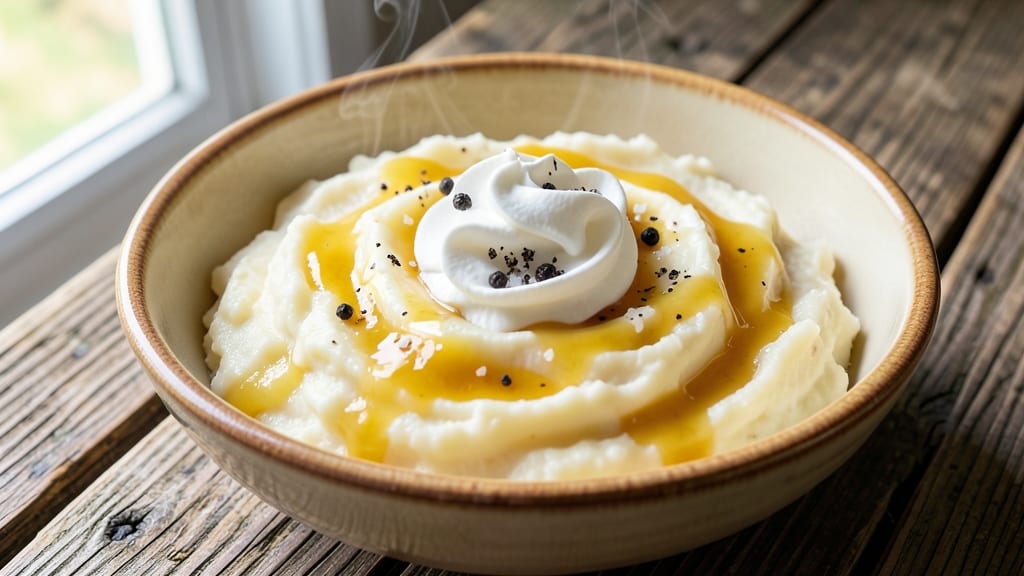
Grandma's mashed potatoes recipe delivers that perfectly velvety, buttery texture we all crave—no lumps, no gluey mess, just restaurant-quality smoothness every time. The secret lies in the right potato-to-liquid ratio and a foolproof mashing technique that transforms starchy tubers into cloud-like perfection.
I learned this method from my grandmother, who insisted on waxy potatoes and never skipped the butter—trust me, that extra fat makes all the difference.
What sets these mashed potatoes apart is the three-step process: boiling the potatoes until tender but not mushy, draining completely, then gently working in warm dairy and butter until silky. No food processor here—we're talking old-school hand-mashing for that ideal consistency.
The result is a side dish so creamy it practically melts on your tongue, with just enough richness to complement any main course.
These mashed potatoes shine as the ultimate side for roast chicken, steak, or holiday feasts—served piping hot with a sprinkle of fresh herbs or a pat of extra butter. The recipe scales effortlessly for crowds, and small batches work perfectly for weeknight dinners.
Whether you're a seasoned cook or new to the kitchen, this method delivers foolproof, velvety results that taste like home.
The beauty of this recipe is its flexibility—add roasted garlic for depth, stir in sour cream for tang, or keep it classic with just butter and milk. The key is patience: letting the potatoes cook through completely and working gently during mashing.
Once you try this method, you'll never go back to store-bought or gloopy homemade versions again.
Ingredients for grandma's mashed potatoes
Waxy potatoes, rich dairy, and a few key tricks for that legendary Grandma texture.
| Ingredient | Amount | Notes |
|---|---|---|
| Yukon Gold Potatoes 🥔 | 3 lb | Waxy, peeled and cubed |
| Unsalted Butter 🧈 | 1 cup | Cold, cut into chunks |
| Whole Milk 🥛 | 1 ½ cups | Warm, not boiling |
| Heavy Cream 🥛 | ½ cup | Warmed slightly |
| Salt 🧂 | 1 ½ tsp | Kosher or sea salt |
| Freshly Ground Black Pepper 🌶️ | ½ tsp | Freshly cracked preferred |
| Roasted Garlic Cloves 🧄 | 3 cloves | Optional, for depth |
| Fresh Chives 🌿 | 2 tbsp | Chopped, for garnish |
| Sour Cream 🥛 | ¼ cup | Optional, for tang |
Yukon Golds are non-negotiable here—they're waxy enough to hold shape but creamy enough to mash smooth. Buy organic if possible—they're less likely to have that waxy coating. Look for firm potatoes with no sprouts or soft spots. The butter? European-style like Plugrá or Kerrygold if you can find it—it has more fat content, which translates to richer mashed potatoes. Grandma always used whole milk, not skim, and warmed it slightly before mixing. Cold milk makes the potatoes gluey.
No Yukon Golds? Red potatoes or fingerlings work in a pinch, but they're waxier and might need a splash more milk. Butter substitute? Olive oil or vegan butter keeps it dairy-free, but the texture won't be quite the same. Freshly ground pepper is a game-changer—pre-ground tastes like sawdust. For the roasted garlic, wrap cloves in foil and roast at 400°F for 20 minutes. The sour cream adds tang, but it's optional—Grandma only used it when she had extra from the pie crust.
Potatoes keep for 5-7 days in the fridge, but they'll last longer if you store them in a cool, dark place. Once peeled, they oxidize fast—soak them in cold water until ready to cook. Leftover mashed potatoes? They reheat beautifully—just add a splash of warm milk or cream and a pat of butter. Portion into ramekins for individual servings, or freeze in airtight containers for up to 3 months. Grandma always said, 'The secret to great mashed potatoes is in the mashing—not overworking the potatoes, but not leaving lumps either.'
Why You'll Love This Recipe
- No-Peel Hassle: I swear by Yukon Golds—just scrub, no peeling. That golden flesh melts into buttery perfection with barely any effort, and honestly? The skin adds a tiny texture boost that makes it feel extra special.
- Rich Without Guilt: The combo of whole milk and heavy cream gives them that velvety, restaurant-style finish, but the butter isn’t overpowering—just enough to make every bite feel like a hug. (Yes, even on a Tuesday night.)
- Leftovers That Don’t Suck: Cold mashed potatoes? Still creamy, still delicious. I reheat them in the microwave with a splash of milk and a pat of butter, and no one ever guesses they’re not fresh. Bonus: they taste better the next day.
- Budget Stretch: A single bag of Yukon Golds and a stick of butter feed my family for days. This isn’t some fancy recipe—it’s the kind of thing that turns $5 into a full meal, and somehow makes everything else on the plate taste better.
Instructions for Grandma's mashed potatoes recipe
Here's how to create the creamiest, most flavorful mashed potatoes you've ever made.
Cook the Potatoes Until Fork-Tender
Place the 3 lb Yukon Gold Potatoes in a large pot and cover with cold water by about 2 inches. Add the 1.5 tsp salt and bring to a rolling boil over high heat. Once boiling, reduce heat to medium and cook for 15-20 minutes until a knife slides in easily with slight resistance.
I like to test doneness by piercing the largest potato with a knife—when it goes in smoothly but still meets a little resistance, they're perfect. Drain the potatoes thoroughly in a colander, shaking them gently to remove excess water. The drier they are, the creamier your final potatoes will be.
Warm the Dairy Mixture
While the potatoes cook, warm the 1.5 cups whole milk and 0.5 cup heavy cream in a small saucepan over medium heat until steaming but not boiling. This gentle warming helps the dairy blend smoothly with the potatoes later. In a separate small bowl, mash the 3 roasted garlic cloves until they form a paste—this adds incredible depth of flavor without overpowering.
Keep both mixtures warm until ready to use. The dairy should be warm enough to melt the cold butter easily but not hot enough to scald it. This balance is crucial for achieving that signature velvety texture Grandma's potatoes are known for.
Mash the Potatoes to Perfection
Return the drained potatoes to the pot and let them sit for 1 minute to steam slightly. This helps break down the starches for an extra-smooth texture. Using a potato masher or ricer, mash the potatoes until mostly smooth with a few small lumps remaining. I prefer not to over-blend because those little lumps add delightful texture.
Add the 1 cup unsalted butter, cut into chunks, and the garlic paste to the potatoes. Begin mashing again until the butter is completely melted and incorporated. The mixture should look thick and creamy—this is where the magic happens. If it seems too dry, add a splash of the warm milk mixture to loosen it.
Create the Creamy Base
Gradually add the warm milk and cream mixture while continuing to mash, adding about ½ cup at a time. You want to add the dairy slowly so you can control the consistency—stop when the potatoes reach your desired creaminess. The ideal texture should be thick enough to hold its shape on a spoon but still silky smooth.
Season with the 0.5 tsp freshly ground black pepper and taste. You might need a bit more salt depending on your potatoes—remember, they were already salted during cooking. The potatoes should be rich, creamy, and perfectly seasoned with just a hint of garlic depth from the roasted cloves.
Finish with Sour Cream and Garnish
Gently fold in the 0.25 cup sour cream using a silicone spatula, being careful not to overmix. The sour cream adds that signature tang that makes these potatoes truly special. Transfer the potatoes to a serving bowl and let them sit for 5 minutes to thicken slightly.
Garnish with the 2 tbsp chopped fresh chives just before serving. These bright green strands add a fresh contrast to the rich, creamy potatoes. Serve immediately while warm, and watch everyone at the table ask for seconds—this is the kind of mashed potatoes that becomes a family legend.
Pro Tips For Making Grandma'S Mashed Potatoes
- BOIL THEM WHOLE: Peel and chop those Yukon Golds, but don’t skip boiling them whole first. Toss them in the pot uncut for 10 minutes—yes, even the big ones—so they cook evenly and don’t fall apart like overworked mashed potatoes often do. I learned this the hard way when my batch turned into glue.
- USE HOT LIQUIDS: Drain the potatoes, then add hot milk and cream straight from the fridge—seriously, don’t warm them first. The temperature shock keeps them from getting gummy, and the contrast makes the final texture silky. (Your future self will thank you when you’re not scraping lumps off the bowl.)
- SALT THE POTATOES: Add a generous pinch of salt to the boiling water—more than you think, especially if using unsalted butter later. Flavor seeps in while they cook, so you won’t need to over-salt the finished dish. (I used to skip this and wondered why my potatoes tasted bland.)
- MASH IN STAGES: Don’t dump all the butter and cream at once—work in batches. Start with half the dairy, mash smooth, then add the rest while stirring. This keeps the texture consistent and prevents clumping. (Yes, it’s extra effort, but the result is restaurant-quality.)
Troubleshooting this recipe
Gloopy Texture Fix
If your mashed potatoes turn out gluey, it’s usually from overworking the potatoes or not draining them properly. The fix? Start fresh by cooking new potatoes until they’re fork-tender but not falling apart, then drain them thoroughly in a colander.
Shake them gently to remove excess moisture. When mashing, work in small batches and add dairy gradually—this prevents excess starch from activating and creating that dreaded gluey texture. 💡
Lumpy Potatoes Solution
Lumps happen when you don’t mash enough or use the wrong tools. For a smooth finish, use a potato ricer or a hand masher—these break down the potatoes more evenly than forks or food processors.
If you’re hand-mashing, press the potatoes against the side of the pot in a circular motion. For stubborn lumps, add a splash of warm milk and mash again. Never force it with a food processor, or you’ll end up with a paste. ✨
Underseasoned Potatoes
If your mashed potatoes taste bland, it’s likely because the salt got absorbed into the cooking water. Taste as you go—add ½ tsp salt at a time while mashing, and adjust pepper to taste.
For extra depth, stir in 1 tsp roasted garlic paste or a pinch of nutmeg (Grandma’s secret!). If you’re using low-sodium butter, you may need an extra ¼ tsp salt to balance the flavors. 🧂
Dry or Gritty Texture
Dry potatoes usually mean the starch wasn’t activated properly. The fix? Add more warm dairy—start with 2 tbsp at a time—and mash gently until creamy. If the texture is still gritty, your potatoes might not have cooked long enough.
Next time, boil them until they’re just tender (a knife should slide in easily). For extra richness, stir in an extra 2 tbsp butter at the end. 🧈
Potatoes Too Watery
Watery mashed potatoes happen when you don’t drain them well or add too much liquid. After boiling, give the potatoes a good shake in the colander to remove excess water. If they’re still too wet, let them sit in the colander for 1-2 minutes to steam off moisture.
When adding dairy, start with ½ cup and gradually increase—this keeps the texture thick and creamy. 💧
Storage Gone Wrong
If reheated mashed potatoes turn out dry or grainy, they likely sat too long in the fridge or were reheated improperly. Store leftovers in an airtight container for no more than 3 days.
To reheat, add 1 tbsp warm milk or cream and 1 tbsp butter per cup of potatoes, then warm gently on the stovetop over low heat. Avoid microwaving—the uneven heating makes them gummy. 🔥
Nutrition facts
Frequently asked questions
Why do your mashed potatoes turn out creamier than store-bought?
The secret lies in the potato-to-dairy ratio and proper technique. We use Yukon Gold potatoes (waxy but creamy) and warm the dairy before mixing—this activates the starches perfectly. Most store-bought versions use too much water or cold milk, which never achieves that velvety texture.
Can I make this recipe ahead of time for holiday dinners?
Prepare the potatoes up to 2 days ahead and store them in an airtight container. When reheating, add 1 tbsp warm milk and 1 tbsp butter per cup of potatoes, then warm gently on the stovetop over low heat. Never microwave—it makes them gummy.
What's the best way to keep mashed potatoes warm for a buffet?
Transfer them to a slow cooker on "warm" setting or a chafing dish with hot water below. Keep them covered to prevent drying. For extra insurance, stir in 1 extra tbsp butter before serving—it helps maintain moisture. The key is low and slow heat to prevent gluten formation.
How do I adjust this recipe for a dairy-free version?
Replace butter with olive oil or vegan butter (use ½ the amount) and dairy with unsweetened almond milk or coconut cream. For richness, add 2 tbsp nutritional yeast and a pinch of salt. The texture will be lighter but still delicious—just don't expect the same velvety mouthfeel.
What's the deal with roasted garlic in mashed potatoes?
Roasted garlic adds deep, sweet depth without overpowering. We use 3 cloves mashed into a paste—just enough to enhance the flavor. If you're new to it, try 1 clove first. For extra flavor, roast the garlic with a drizzle of olive oil at 400°F for 20 minutes. It's Grandma's secret weapon!