Desserts
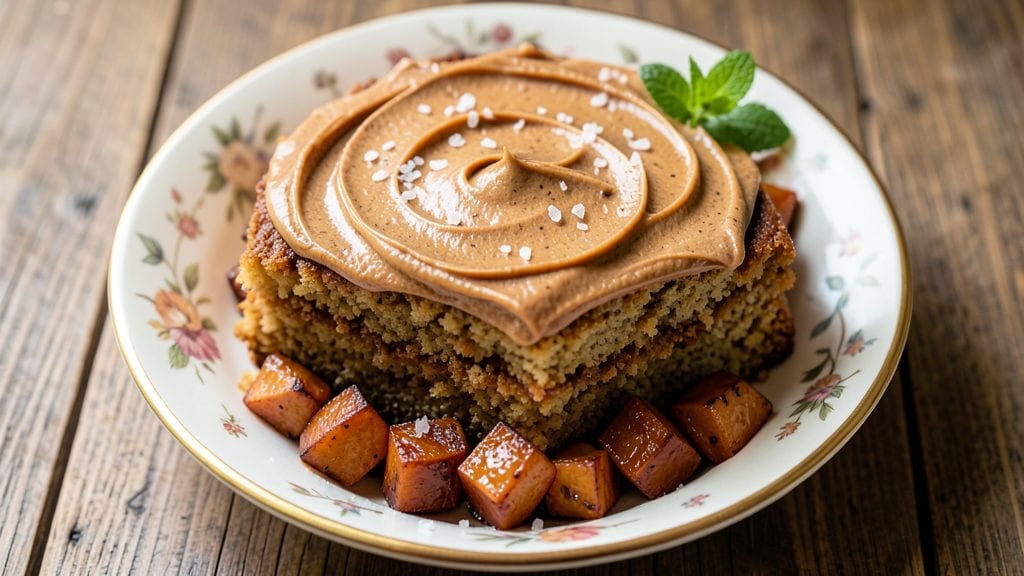
Grandma's famous sweet potato butter cake recipe brings back the warmth of Sunday afternoons spent in a sunlit kitchen, where the scent of cinnamon and caramelized sweet potatoes filled the air.
This isn't just dessert—it's a slice of nostalgia wrapped in moist, spice-crusted magic that disappears faster than you can say "second piece." The secret lies in the slow-cooked sweet potato puree, which transforms dense flour into tender, velvety layers that stay moist for days.
What makes this cake truly special is the balance of flavors: warm cinnamon, nutmeg, and ginger in the crust give way to a buttery, caramel-rich center that's impossible to resist.
My grandmother used to bake this for Thanksgiving gatherings, and the moment it came out of the oven, the whole house would gather around the cooling rack.
The texture is where it shines—no dry crumbs here, just a perfect harmony of tender crumb and buttery richness that makes every bite worth the wait.
This recipe delivers on that promise of moisture you crave, with a crust that's crisp enough to hold its shape but tender enough to crumble at the slightest touch. The sweet potato puree adds natural sweetness while keeping the cake dense and satisfying, unlike many cakes that dry out quickly.
Whether you're baking for a holiday feast or a quiet weekend treat, this cake brings comfort in every forkful.
Ready to recreate that timeless flavor? The instructions walk you through every step—from cooking the sweet potatoes just right to achieving that perfect spice crust. Trust me, once you taste this, you'll understand why it's been a family favorite for generations. Let's get baking!
Ingredients for grandma's famous sweet potato butter cake
Sweet potatoes, warm spices, and buttery layers—this cake delivers nostalgia in every bite.
| Ingredient | Amount | Notes |
|---|---|---|
| Sweet Potatoes 🍠 | 2 ½ lbs | Orange-fleshed, peeled and cubed |
| Unsalted Butter 🧈 | 1 ½ cups | Cold, cubed for crust |
| All-Purpose Flour 🌾 | 3 cups | Sifted for light texture |
| Granulated Sugar 🍚 | 1 ½ cups | Light brown sugar works too |
| Brown Sugar 🍚 | 1 cup | Packed, for crust sweetness |
| Large Eggs 🥚 | 4 whole | Room temperature |
| Milk 🥛 | 1 cup | Whole milk preferred |
| Vanilla Extract 🌸 | 2 tsp | Pure alcohol-free if needed |
| Ground Cinnamon 🌿 | 2 tbsp | Ceylon cinnamon for best flavor |
| Ground Nutmeg 🌿 | 1 tsp | Freshly grated preferred |
| Ground Ginger 🌿 | 1 tsp | Freshly ground for warmth |
| Baking Powder 🍞 | 2 tsp | Aluminum-free preferred |
| Salt 🧂 | ½ tsp | Fine sea salt |
| Vegetable Oil 🫒 | ½ cup | For mixing into batter |
The sweet potatoes are the heart of this cake. Orange-fleshed varieties like Jewel or Beauregard work best—their natural sweetness balances the spices without needing extra sugar. Most grocery stores carry them year-round, but Trader Joe's and Costco often have the best selection. My grandmother always peeled and cubed them herself (no shortcuts here), then roasted them until tender. If you're short on time, a microwave method works too—just cover with water and cook for 10-12 minutes until fork-tender. The key is to mash them smooth—no lumps, or the cake will be dense. For the spices, Penzeys or local spice shops carry Ceylon cinnamon, which has a sweeter, more complex flavor than the regular stuff.
No brown sugar? White sugar plus 1 tsp molasses gets you close. Running out of vanilla? Vanilla bean paste works too—just use the same amount. The crust relies on cold butter, but shortening or coconut oil can substitute if you're dairy-free. For the flour, King Arthur or Bob's Red Mill brands are my go-tos—they're sifted and consistent. If you're baking at high altitude, reduce the baking powder by 1/4 tsp to avoid a cake that's too light. The milk can be swapped for evaporated milk or buttermilk—just add a pinch of baking soda if using buttermilk to keep the texture right.
This cake keeps beautifully—5 days at room temperature wrapped in foil, or 2 weeks refrigerated in an airtight container. For long-term storage, slice and freeze portions between parchment paper for up to 3 months. The crust stays crisp for the first day, then softens slightly—reheat slices for 10 seconds in the microwave to revive it. I always bake two pans at once (this recipe makes two 9-inch cakes) and give away half before anyone notices—it disappears that fast. Leftovers? Toss them in a pan with ice cream for a surefire crowd-pleaser.
Why You'll Love This Recipe
- No Peel, No Stress: I swear by this trick—just roast the sweet potatoes whole until tender, then scoop out the flesh. No peeling, no mess, and the flavor? Even richer because the skin caramelizes just a little.
- Butter-Sweet Magic: That combo of brown sugar and granulated sugar with melted butter? It’s like a hug in cake form. The sweet potatoes add natural moisture, so every bite is tender but not dry—no weird aftertaste, just pure comfort.
- Budget Baking at Its Best: Sweet potatoes and butter stretch further than you’d think, and you’re not sacrificing flavor—just look at that perfect crumb. I’ve made this for potlucks, family dinners, and even my book club, and no one’s ever questioned the ingredients. (Between us, they’re always asking for the recipe.)
Step-by-step instructions for Grandma's famous sweet potato butter cake
Here's how to bake this legendary cake with its signature moist crumb and spiced crust—just like Grandma made.
Prepare the Sweet Potatoes for Maximum Moisture
Preheat your oven to 375°F and line a baking sheet with parchment paper. Peel the 2.5 lbs of sweet potatoes and cut them into 1-inch cubes. Spread them in a single layer on the prepared baking sheet and roast for 25-30 minutes until completely tender and caramelized on the edges.
While they roast, I like to turn them halfway through for even cooking. The goal is tender sweet potatoes that'll blend smoothly into the batter—no grittiness here. Let them cool completely before blending, about 15 minutes. This step is crucial for that signature moist texture that keeps the cake tender for days.
Make the Spiced Crust and Prep the Batter Base
In a large bowl, combine 1 cup of brown sugar, 2 tbsp of ground cinnamon, 1 tsp of ground nutmeg, 1 tsp of ground ginger, and 0.5 tsp of salt. Add 1.5 cups of cold, cubed unsalted butter and use your fingers or a pastry cutter to work it into the sugar mixture until it resembles coarse crumbs with some pea-sized butter pieces remaining.
In a separate large bowl, whisk together 3 cups of sifted all-purpose flour, 1.5 cups of granulated sugar, 2 tsp of baking powder, and the remaining 1 tsp of ground cinnamon. This is your dry batter base. Set both mixtures aside—we'll combine them shortly after blending the sweet potatoes.
Blend the Sweet Potatoes and Combine Wet Ingredients
Transfer the cooled sweet potatoes to a food processor or blender and process until completely smooth. You should have about 2 cups of sweet potato puree. In a separate bowl, whisk together the 4 whole large eggs, 1 cup of milk, 0.5 cup of vegetable oil, and 2 tsp of vanilla extract until just combined.
To the dry ingredients, add the sweet potato puree and the egg mixture. Mix on low speed until just combined—don't overmix. The batter should be thick but pourable. If it seems too thick, add 1-2 tablespoons of milk to loosen it slightly. This is where the magic happens—the sweet potato puree keeps the cake incredibly moist while the spices give it that signature warmth.
Layer and Bake the Cake for Perfect Texture
Preheat your oven to 350°F. Grease two 9-inch round cake pans and line the bottoms with parchment paper. Divide the spiced crust mixture evenly between the pans, pressing it firmly into the bottoms. Pour half of the batter into each pan, dividing it evenly.
Bake for 30-35 minutes or until a toothpick inserted in the center comes out clean. Here's the secret: I like to rotate the pans halfway through baking to ensure even cooking. The cake should be golden brown on top with a slightly domed center. Let the cakes cool in the pans for 15 minutes, then transfer to a wire rack to cool completely before frosting or serving.
Serve with Grandma's Touch
This cake tastes best at room temperature, so if you're impatient like me, serve it after it's cooled for at least 1 hour. The moist crumb and spiced crust make it perfect with a simple dusting of powdered sugar or a light buttercream. For extra indulgence, top with whipped cream and fresh berries—Grandma always did.
Slice into thick wedges to show off that beautiful moist texture. Each bite should deliver tender crumb, sweet potato flavor, and warm spice notes. Store leftovers covered at room temperature for up to 3 days or refrigerate for up to 5 days—though I doubt it'll last that long!
Pro Tips For Making Grandma'S Famous Sweet Potato Butter Cake
- Roast Until Fork-Tender: Sweet potatoes should collapse like overcooked mashed potatoes—no one likes a fight with a fork. Bake them at 400°F (200°C) for 45-50 minutes, turning once, until they’re so soft the center gives with gentle pressure. Overcooking turns them to mush, but undercooked chunks ruin the texture. (Yes, even if you’re impatient like me.)
- Use Cold Butter: Cream the butter and sugars together cold—no melting allowed. I learned this the hard way after my cake turned out dense and greasy. Cut the butter into cubes, then mix on medium speed until it’s just combined, not fluffy. The cold fat creates pockets for that signature moist crumb.
- Measure Flour Right: Spoon flour into the dry measuring cup, then level it off with a knife—don’t pack it down. Too much flour makes the cake tough, and no one wants a brick disguised as dessert. If you’re using a kitchen scale, aim for 250g for 2 cups. (Your future self will thank you.)
- Skip the Extra Mixing: Fold in the sweet potato purée and any wet ingredients just until combined—lumps are fine. Overmixing develops gluten, and that’s how you end up with a cake that’s more bread than butter. Stir until the batter looks like wet sand, then stop. Trust the process.
Pro cooking tips for grandma's famous sweet potato butter cake
Sweet Potato Prep
Roasting the sweet potatoes is non-negotiable for that signature moist texture. I always use orange-fleshed varieties like Jewel or Beauregard—skip the white-fleshed ones, they lack the natural sweetness. Cut them into 1-inch cubes and roast at 375°F for 25-30 minutes until fork-tender.
The key is letting them cool completely before blending—15 minutes minimum. If you rush this, your cake will be gummy instead of velvety. 🍠
Butter Temperature Matters
Cold butter in the crust creates those beautiful flaky layers, but it must be cubed, not melted. Use unsalted butter (like Plugrá) and cut it into ½-inch cubes for even distribution.
Work it into the sugar mixture with your fingers until you get pea-sized pieces—this ensures a tender crust that's crisp on the edges. If your kitchen gets warm, chill the mixture for 10 minutes before pressing into the pans.
Batter Mixing Technique
This isn't your average cake batter—it's thick and dense thanks to the sweet potato puree. Mix the dry ingredients first, then add the wet ingredients gently on low speed just until combined. Overmixing develops gluten, which makes the cake tough.
If the batter seems too stiff, add 1-2 tablespoons of milk to loosen it slightly. Remember: the goal is a thick but pourable consistency that holds its shape when baked. 💫
Oven Temperature Control
Your oven's accuracy is critical here. Preheat to 350°F and let it stabilize for 10 minutes before baking. I use an oven thermometer because home ovens often run 25°F hotter than set. Place the cake pans on the middle rack and rotate them halfway through baking for even cooking.
The cake is done when a toothpick comes out clean—30-35 minutes depending on your oven.
Cooling for Crust Perfection
Never rush the cooling process! Let the cakes cool in the pans for 15 minutes to set the crust, then transfer to a wire rack to cool completely. This prevents the crust from becoming soggy.
For extra crispiness, I sometimes run the cooled cake under a broiler for 1-2 minutes—just watch it like a hawk to avoid burning. The crust should be firm enough to hold its shape but still crumble slightly when pressed. ✨
Frosting Options
This cake stands on its own with a simple dusting of powdered sugar, but for extra indulgence, try a light buttercream made with ½ cup softened butter, 2 cups powdered sugar, and 2 tablespoons milk.
For a Southern twist, add 1 teaspoon cinnamon to the frosting. If you're feeling fancy, drizzle with melted white chocolate** or top with toasted pecans for crunch. Grandma always served it plain—simple pleasures last longest. 💛
Nutrition facts
Frequently asked questions
Why does this cake stay moist longer than other sweet potato recipes?
The secret lies in the slow-roasted sweet potato puree and the vegetable oil in the batter. Unlike mashed sweet potatoes, roasting caramelizes their natural sugars while removing excess moisture. The oil creates a tender crumb that resists drying out. Plus, the spiced butter crust acts as a moisture barrier, keeping the cake fresh for days.
Can I make this cake without a food processor for the sweet potatoes?
Mash the roasted sweet potatoes with a potato masher or fork until completely smooth. For extra silkiness, strain through a fine-mesh sieve to remove any lumps. The texture will be slightly less refined, but the cake will still be delicious and moist. Just don't skip the cooling step—warm potatoes make gummy cake.
What's the best way to store leftovers to keep them fresh?
Wrap cooled slices tightly in plastic wrap or store in an airtight container at room temperature for up to 3 days. For longer storage, refrigerate for 5-7 days or freeze individual slices between parchment paper for 3 months. To revive stale slices, warm for 10 seconds in the microwave—just watch for moisture buildup.
Can I substitute the crust with a different flavor?
Yes! Swap the spices for lemon zest + 1 tsp cardamom for a bright twist, or use 1 cup chopped pecans + ½ cup brown sugar for a nutty crunch. For a chocolate version, replace ½ cup flour with ½ cup cocoa powder and reduce sugar by 2 tbsp. Just maintain the same crust-to-batter ratio for structure.
Why did my cake come out dense instead of moist?
Overmixing the batter or using cold sweet potato puree are common culprits. Always mix on low speed until just combined, and ensure your puree is completely cooled before adding to dry ingredients. Another fix: reduce flour by 2 tbsp if your climate is humid—moist air makes batters thicker. Also check your oven temp with a thermometer—too-hot ovens dry cakes out faster.