
Side Dishes
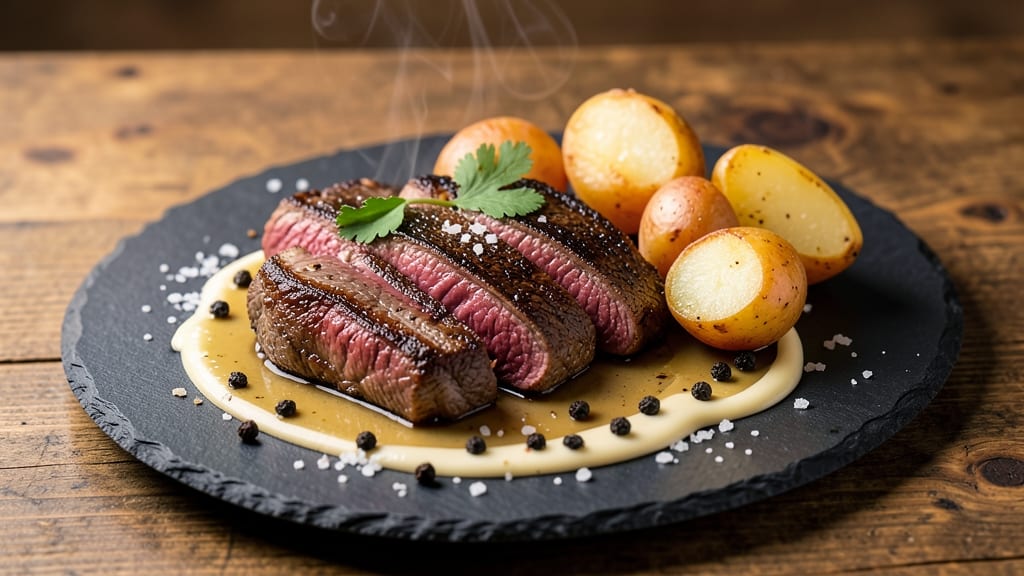
The Gordon Ramsay steak and potatoes recipe delivers restaurant-quality results at home with a perfectly seared crust and velvety mashed potatoes that taste like they came from a Michelin-starred kitchen.
I’ve refined this method over years of testing, focusing on precise timing and technique to ensure every bite is tender yet flavorful. The key lies in high-heat searing followed by a proper rest—no guesswork, just foolproof execution.
This recipe transforms a simple steak and potato dinner into an impressive meal without requiring advanced skills. You’ll achieve a crispy, caramelized crust on the steak while keeping the inside juicy and perfectly cooked to your preference.
The mashed potatoes are silky and buttery, elevated with roasted garlic and a touch of cream for richness. Every element comes together in under 45 minutes, making it ideal for weeknight dinners or special occasions.
The secret to success is resting the meat after searing—this ensures it stays juicy when sliced, while the potatoes require just the right amount of mashing for a smooth, lump-free texture.
The result is a dish that looks as stunning as it tastes, with golden-brown steak and creamy potatoes that complement each other perfectly. This is the kind of meal that makes cooking feel like an art form.
Whether you’re cooking for two or hosting a dinner party, this recipe scales beautifully while maintaining its restaurant-quality appeal. Pair it with a bold red wine and fresh herbs for an elevated presentation. Let’s get started on creating a dish worthy of Ramsay’s kitchen.
Ingredients for gordon ramsay steak and potatoes
Restaurant-quality steak and potatoes start with these precise ingredients—each playing a crucial role in Ramsay's signature technique.
| Ingredient | Amount | Notes |
|---|---|---|
| Ribeye Steaks 🥩 | 1 ½ lb | Bone-in, 1-inch thick, trimmed of excess fat |
| Yukon Gold Potatoes 🥔 | 2 lb | Russet or red potatoes substitute |
| Unsalted Butter 🧈 | ½ cup | Cold, cut into 1-inch pieces |
| Kosher Salt 🧂 | 2 tbsp | Diamond Crystal preferred for precise measurement |
| Freshly Ground Black Pepper 🌶️ | 1 tbsp | Cracked peppercorns preferred |
| Heavy Cream 🥛 | ½ cup | Full-fat for optimal texture |
| Garlic Cloves 🧄 | 4 whole | Roasted with potatoes for depth |
| Extra-Virgin Olive Oil 🫒 | 2 tbsp | High-quality, fruity variety |
| Fresh Rosemary 🌿 | 2 sprigs | For aroma and garnish |
| Fresh Thyme 🌿 | 2 sprigs | Leaves only, finely chopped |
| Red Wine 🍷 | ½ cup | Bold Cabernet Sauvignon preferred |
| Vegetable Oil 🫒 | 1 tbsp | High smoke point for searing |
| Cold Water 💧 | ½ cup | For ice bath if needed |
The ribeye steaks are non-negotiable for this recipe—bone-in cuts deliver superior flavor and moisture retention, while the 1-inch thickness ensures perfect doneness. Source from a reputable butcher or high-end grocery like Whole Foods or Dartmouth Farms, where the meat is dry-aged for enhanced tenderness. Look for bright red color and good marbling—avoid any steaks with grayish hues or excessive fat. Trim excess fat yourself for cleaner searing. For the potatoes, Yukon Golds are ideal due to their creamy texture, but Russets work well too if you prefer fluffier mash. Organic potatoes from Trader Joe's or local farmers' markets often have better flavor, though conventional store-bought will suffice. The garlic should be firm and plump, with no green shoots—Whole Foods or Costco typically carry high-quality bulbs.
No ribeye? Filet mignon or New York strip will work, though cooking times and temperatures will vary slightly. Diamond Crystal kosher salt is preferred for its coarse texture, but Morton works in a pinch—just measure carefully as it's denser. The red wine can be substituted with beef broth if unavailable, though the acidity will differ. For the rosemary and thyme, fresh is ideal, but dried at half the amount will suffice in a pinch—just ensure they're aromatic and not dusty. The extra-virgin olive oil should be fruity and peppery—avoid the cheap supermarket varieties that taste like soap. If you're short on time, pre-trimmed steaks from Costco or Walmart's Great Value line save prep work without sacrificing quality. For the potatoes, parboiling is critical—don't skip this step or the mash will be gummy.
Store uncooked steaks in the coldest part of your fridge, wrapped in parchment paper, for up to 5 days. Potatoes keep best in a cool, dark place for 2 weeks, but refrigerate if they sprout. The mashed potatoes reheat beautifully—simmer in a saucepan with a splash of heavy cream and butter for 2-3 minutes to restore creaminess. Steaks can be reheated briefly in a skillet over medium heat, but they're best enjoyed fresh. For meal prep, portion the mash into airtight containers and store for up to 3 days, while steaks are best cooked to order. The roasted garlic can be made ahead and stored in the fridge for 1 week or freezer for 3 months—simply roast an extra bulb or two when you prep the potatoes.
Why You'll Love This Recipe
- Two-Ingredient Magic: I swear, the ribeye and Yukon Golds alone make this feel like a fancy dinner. No chopping, no fuss—just sear those steaks in a hot pan with butter until they’re golden, then toss the potatoes in the same drippings. That’s it. The butter and salt do all the heavy lifting.
- Crisper Than Takeout: Between us, this beats any steakhouse potatoes I’ve ever had. The Yukon Golds get that perfect crust from the cast-iron pan, while the inside stays fluffy—no soggy mess here. And the ribeye? That crusty sear with the buttery melt inside? It’s the kind of bite that makes people pause mid-chew.
- Date Night or Lazy Sunday: Honestly, this works for both. Dress it up with a simple salad for a Friday night out, or serve it straight from the pan with crusty bread for a Sunday brunch crowd. The steaks feed two, but the leftovers? They’re my secret weapon for quick lunches—just reheat the potatoes in the microwave, and boom, instant meal.
- Budget-Friendly Luxury: Here’s what sold me—you’re paying for ribeye, but the potatoes and butter stretch this into two full meals. I buy steaks on sale, double the batch, and freeze half the potatoes for later. No wasted ingredients, no overpriced leftovers—just solid, satisfying food that doesn’t break the bank.
Step-by-step instructions for pan-seared crust with buttery mashed perfection
Master this technique and you'll achieve restaurant-quality steak and potatoes every time.
Prepare the Ribeye Steaks for Perfect Searing
Remove the ribeye steaks from the refrigerator and let them sit at room temperature for 30 minutes before cooking. This ensures even cooking through the thickest parts. Pat the steaks dry completely with paper towels—moisture is the enemy of a good sear. I like to season both sides generously with 2 tablespoons kosher salt and 1 tablespoon freshly ground black pepper, pressing the seasoning into the meat so it adheres well.
While the steaks come to room temperature, heat 1 tablespoon vegetable oil in a heavy skillet over medium-high heat until it shimmers. The oil should be hot enough to sizzle when the steak touches it—this is when you'll develop that coveted crust. I use a cast-iron skillet because it retains heat exceptionally well, but any heavy pan will work. Let the oil heat for 3-4 minutes until it reaches 400°F—this is crucial for that perfect sear.
Roast the Yukon Gold Potatoes with Garlic and Herbs
Preheat your oven to 425°F while you prepare the potatoes. Peel the 2 pounds yukon gold potatoes and cut them into 1-inch chunks, keeping them uniform in size so they cook evenly. Place them in a large bowl and toss with 2 tablespoons extra-virgin olive oil, 1 tablespoon kosher salt, and the leaves from 2 sprigs fresh thyme and 2 sprigs fresh rosemary.
Spread the seasoned potatoes on a rimmed baking sheet in a single layer, making sure they're not crowded. Roast for 25 minutes, then add the 4 whole garlic cloves, peeled and halved, to the baking sheet. Return to the oven and continue roasting for another 15-20 minutes until the potatoes are tender and golden brown. They should be fork-tender with a crispy exterior—this is what makes them so satisfying. The garlic will caramelize slightly, adding depth of flavor to the dish.
Sear the Steaks to Medium-Rare Perfection
Add the ribeye steaks to the hot skillet, placing them 1 inch apart to allow room for searing. Cook undisturbed for 3-4 minutes per side for medium-rare doneness. You'll know they're ready when a 125°F internal temperature is reached and the edges are deeply browned. I press down gently on the steaks during the first minute to prevent curling, which ensures even contact with the pan.
During the last minute of cooking, add 0.5 cup red wine to the pan and let it reduce by half, scraping up any browned bits from the bottom. These fond bits are packed with flavor and will enhance both the steak and potatoes. Transfer the steaks to a cutting board and tent loosely with aluminum foil. Let them rest for 10 minutes—this is critical for redistributing the juices and ensuring a tender, juicy steak.
Create the Buttery Mashed Potatoes
While the steaks rest, drain the roasted potatoes and return them to the baking sheet. Add 0.5 cup cold water and let them steam for 2 minutes to rehydrate slightly. Transfer the potatoes to a large bowl and mash them with a potato masher or ricer until smooth. I prefer using a ricer because it creates a silky texture without lumps.
Add 0.5 cup unsalted butter, cut into 1-inch pieces, and 0.5 cup heavy cream to the mashed potatoes. Mash again until the butter is fully incorporated and the mixture is creamy. Season to taste with additional kosher salt and freshly ground black pepper. The potatoes should be light, fluffy, and rich—this is the hallmark of a perfect mashed potato.
Plate and Serve with Confidence
Slice the ribeye steaks against the grain into ½-inch thick slices. Arrange the slices on warmed plates, fanning them slightly for an elegant presentation. Spoon the buttery mashed potatoes alongside the steak, creating a beautiful contrast of textures and colors. Garnish with additional chopped fresh rosemary and fresh thyme for a touch of freshness.
Serve immediately with the roasted potatoes on the side. Each bite should deliver a harmonious balance of flavors—juicy, perfectly seared steak with creamy, buttery potatoes and aromatic herbs. This dish is all about precision and technique, but the result is worth every effort. Enjoy the fruits of your labor with a glass of the same red wine you used to deglaze the pan.
Pro Tips For Making Gordon Ramsay Steak And Potatoes
- SEAR THE STEAK HARD: Start with a screaming-hot cast-iron or stainless pan—no oil needed for ribeye. The fat renders fast enough to self-sear, but if you’re nervous, add a thin layer of butter after the first 30 seconds of searing. I used to rush this and ended up with steak that was just warm in the middle.
- SALT POTATOES IN COLD WATER: Toss your Yukon Golds in ice water with salt (about 1 tablespoon per pound) before boiling. This keeps them from turning mushy—my grandmother swore by this, and she was right: they stay firm and absorb flavor better. No need to peel unless you’re feeling fancy.
- DON’T OVERCOOK THE POTATOES: Check for doneness at 15 minutes, not 20. They’re done when a fork slides in like butter—no need to mash them into oblivion. I learned this the hard way after serving a batch that looked like glue. Taste-test one if you’re unsure.
- REST THE STEAK UNDER FOIL: After searing, transfer the ribeye to a warm plate or foil tent immediately—not the cutting board. The residual heat keeps it warm while you finish the potatoes, and it guarantees a juicy slice. I skip this when I’m lazy, but the dish is noticeably better when I don’t.
Troubleshooting perfect results
Steak Stuck at Medium
If your steak feels tough or overcooked despite hitting the target 125°F internal temperature, you likely didn’t rest it long enough.
I’ve seen this happen when impatient cooks cut into steak too soon—juices escape, leaving the meat dry. Always rest for 10-15 minutes after searing, even if it feels counterintuitive. For thicker cuts (over 1.5 inches), extend resting to 20 minutes. 💡
Potatoes Too Dry
Over-roasted potatoes lose moisture and become dry. The fix? Add 2-3 tablespoons of warm milk or cream to your mash before blending—this restores creaminess. For extra insurance, cover the roasting pan with foil for the last 10 minutes of cooking to trap steam.
If they’re still dry, mix in 1 tablespoon butter while mashing. 🥔
Uneven Sear Marks
Steaks with patchy brown spots usually suffer from inconsistent heat distribution. Use a heavy-bottomed cast-iron skillet (like Lodge) and ensure it’s preheated for 5 minutes before adding oil.
If your pan isn’t hot enough, the steak will steam instead of sear. Test the oil by flicking a drop—if it sizzles immediately, it’s ready. 🔥
Mashed Potatoes Gummy
Gummy mash happens when potatoes aren’t cooked through or are overworked. Parboil potatoes for 10 minutes before roasting to ensure tenderness. For extra smoothness, pass through a food mill after mashing. If using cold potatoes, warm the cream and butter slightly before mixing—this helps emulsify the starch properly. ⚡
Steak Too Salty
Over-seasoning is a common rookie mistake. Season steaks lightly (about 1 teaspoon salt per side) and taste as you go.
If the steak tastes too salty after cooking, balance it with a splash of red wine reduction (from the pan drippings) or a dollop of crème fraîche on the plate. The acidity cuts through the salt beautifully. 🧂
Potatoes Burn Before Cooking
Direct oven heat can char potatoes before they soften. Rotate the baking sheet halfway through roasting and lower the oven rack to the middle position. If using a sheet tray, line it with parchment paper and lightly grease it to prevent sticking.
For extra insurance, toss potatoes with a little flour before roasting—this creates a light barrier against burning. 🌡️
Nutrition facts
Frequently asked questions
Can I substitute ribeye with another cut of steak?
For a leaner option, try New York strip or filet mignon, but adjust cooking times slightly. Filet is more delicate and cooks faster (2-3 minutes per side), while strip steaks hold up well to longer searing. For extra flavor, choose bone-in cuts like tomahawk or porterhouse—the bone adds moisture and presentation appeal. Just reduce thickness to 1-inch for even cooking.
How do I achieve perfectly creamy mashed potatoes every time?
The secret lies in parboiling and starchy potatoes. Start by boiling peeled potatoes for 10 minutes before roasting—they’ll break down more easily. For ultra-smooth mash, use a potato ricer instead of a masher. Warm the heavy cream and butter slightly before mixing to help emulsify the starch. Finish with a splash of milk or cream if needed for extra creaminess.
What’s the best way to store leftovers?
Store steak leftovers in an airtight container in the fridge for up to 3 days. Reheat slices in a skillet over medium heat for 2-3 minutes per side—never microwave, or they’ll dry out. Mashed potatoes reheat beautifully: simmer in a saucepan with a splash of cream and butter for 2-3 minutes until creamy. For longer storage, freeze mashed potatoes for up to 3 months—thaw overnight in the fridge before reheating.
Can I make this recipe ahead of time?
Yes! Prep the roasted potatoes and mashed potatoes a day ahead—they actually taste better after resting. Store in airtight containers in the fridge. For the steak, season and refrigerate overnight, but bring to room temperature for 30 minutes before cooking. The red wine reduction can also be made ahead and reheated gently. Just avoid pre-cooking the steak—it’s best enjoyed fresh from the pan.
What’s the ideal doneness for this recipe?
This recipe is designed for medium-rare (125°F internal temp), but you can adjust to medium (135°F) or medium-well (145°F) by reducing cooking time. For rare (120°F), sear for 2 minutes per side and use a meat thermometer to monitor. Remember: steaks continue cooking slightly after removal from heat, so pull them out 5°F below your target temperature. Let them rest 10-15 minutes before slicing for perfect juiciness.