
Side Dishes
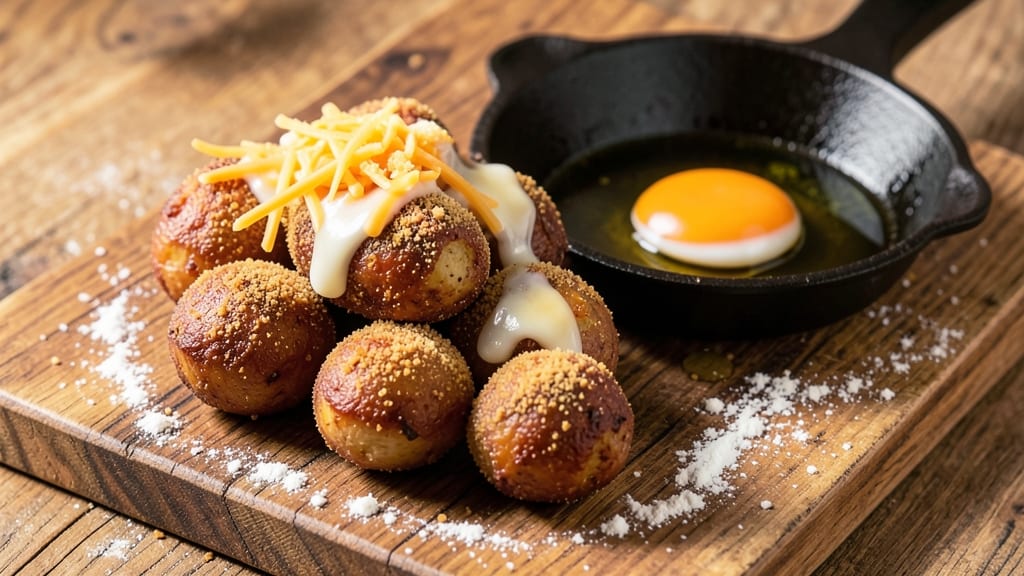
This German potato balls recipe delivers the perfect balance of crispy cornmeal crunch and cheesy, pull-apart centers that make them impossible to resist. 🌟 I first discovered these at a Munich beer garden where the golden, deep-fried balls were served with tangy mustard—now I recreate them at home with the same restaurant-quality results.
The secret lies in the cornmeal coating and precise frying temperature, which transforms simple potatoes into something extraordinary.
What sets these potato balls apart is their dual texture: an exterior that's crisp enough to stand up to dipping sauces and an interior that pulls slightly when bitten.
Traditional German recipes rely on a mix of grated potatoes, flour, and egg, but I've added a touch of cheddar for that signature cheesy pull. The recipe requires minimal prep—just grate, mix, and fry—but the results are anything but basic.
Perfect for game day, holiday sides, or as a satisfying snack with beer or gravy.
By the time you've shaped and fried these golden orbs, your kitchen will smell like a German pub and your taste buds will be rewarded with each bite's satisfying contrast. The cornmeal crust crackles with every dip, while the inside melts just enough to create that irresistible cheesy stretch.
This is comfort food at its finest—simple ingredients elevated through technique. Let's get started on making them.
These potato balls reheat beautifully, making them ideal for meal prep or feeding a crowd. Serve them with classic German mustard, beer cheese sauce, or even ketchup for a kid-friendly twist.
The crispy exterior holds up perfectly even when reheated, so you can enjoy them just as good the next day as they were fresh out of the fryer.
Ingredients for german potato balls
Simple ingredients, German pub magic: golden potato balls with crispy cornmeal crusts and cheesy centers.
| Ingredient | Amount | Notes |
|---|---|---|
| Russet Potatoes 🥔 | 2 lbs | Grate with skin on for texture |
| Cornmeal 🌽 | 1 cup | Fine grind for best coating |
| All-Purpose Flour 🌾 | ½ cup | For binding the mixture |
| Large Eggs 🥚 | 2 whole | Room temperature for even coating |
| Shredded Sharp Cheddar Cheese 🧀 | 1 cup | Freshly grated for best melt |
| Vegetable Oil 🫒 | 3 cups | For deep frying (or peanut oil) |
| Salt 🧂 | 1 tsp | Kosher or sea salt |
| Ground Black Pepper 🌶️ | ½ tsp | Freshly ground preferred |
| Garlic Powder 🧄 | ½ tsp | For subtle flavor boost |
| Dijon Mustard 🍯 | 1 tbsp | For tangy depth (optional) |
| Butter 🧈 | 2 tbsp | For post-fry richness |
The potatoes are everything here—Russets are ideal because they're starchy and hold up to grating. Grab the pre-grated bags at Trader Joe's if you're short on time, but grating fresh gives you that authentic texture. The cornmeal is non-negotiable for that signature crunch. I always grab Bob's Red Mill fine grind at the store—they keep it fresh in bulk bins. For the cheese, sharp cheddar is key (none of that pre-shredded stuff). If you're feeling fancy, grab a wedge at the deli counter and grate it yourself—it melts like a dream.
No cornmeal? Panko breadcrumbs work in a pinch, but the texture won't be quite the same. Short on cheddar? Gruyère or Gouda add a nice twist. The Dijon mustard is optional but adds that authentic German tang—if you don't have it, a splash of lemon juice works. For the oil, vegetable or peanut oil both work, but keep it at 350°F for that perfect golden crust. Too hot and they'll burn before the centers cook. Pro tip: use a thermometer—your stovetop temp can vary wildly. If you're making these ahead, freeze the shaped balls before frying—they'll crisp up just as well.
These reheat like a dream—just pop them in a 350°F oven for 10-12 minutes until crispy again. Store leftovers in an airtight container for up to 3 days, but honestly they taste even better the next day. For a crowd, double the recipe—just make sure your fryer is big enough. The oil gets hot fast, so work in batches. I always keep a paper towel-lined tray nearby to drain them on. Trust me, the crispier the better—these are meant to be dipped!
Why You'll Love This Recipe
- No-Fuss Baking: I swear by the russets here—they’re starchy enough to hold shape without falling apart. Just grate, mix, and bake; no rolling dough or fancy techniques. Honestly, I’ve made these while watching TV, and they still turn out golden and crispy.
- Cheesy Crispy Magic: That sharp cheddar melts into gooey pockets while the cornmeal crust gets gloriously crunchy. The egg binds it all together, so every bite has that perfect texture—creamy inside, crispy out. (Yes, even on a Tuesday night.)
- Game for Any Meal: Toss them in a hearty soup for extra heft, serve them as a snack with beer, or pile them onto a plate for a lazy brunch. They reheat like a dream, too—just pop them in the oven for five minutes. My college friends still ask for these when they visit.
- Budget-Friendly Leftovers: Potatoes and cheese stretch far, and these freeze beautifully for lazy days. I make a double batch, stash half, and pull them out when I’m too tired to cook. They’re my secret weapon for feeding a crowd without breaking the bank.
Step-by-step instructions for German potato balls
Here's how to make crispy, cheesy potato balls with that perfect cornmeal crunch—every bite pulls apart just right.
👨🍳 Step 1: Grate and Squeeze Out Excess Moisture
Peel the 2 lbs russet potatoes and grate them using the large holes of a box grater. You'll end up with about 5 cups of grated potato. Immediately transfer the grated potatoes to a clean kitchen towel or cheesecloth.
Gather the towel edges and wring out as much moisture as possible—this is critical for crispy potato balls. I press down firmly and twist the towel, squeezing until only the faintest moisture remains. Wet potatoes will steam instead of crisp in the oil, so don't skip this step. The goal is to have potatoes that feel dry to the touch but still hold their shape when squeezed gently.
🥘 Step 2: Mix the Breading and Binding Ingredients
In a large bowl, combine the 1 cup cornmeal, 0.5 cup all-purpose flour, 1 tsp salt, 0.5 tsp ground black pepper, 0.5 tsp garlic powder, and 1 tbsp Dijon mustard. Stir these dry ingredients together until evenly distributed—you want no pockets of flour or cornmeal remaining.
In a separate smaller bowl, whisk together the 2 whole large eggs until just combined. Add the 1 cup shredded sharp cheddar cheese to the eggs and stir until the cheese is evenly distributed. The cheese should look like small, melted clumps throughout the egg mixture. This cheesy base will give your potato balls that signature pull-apart texture and rich flavor.
👨🍳 Step 3: Combine and Chill the Dough
Add the squeezed grated potatoes to the dry ingredient bowl and mix thoroughly with a wooden spoon or rubber spatula. Then fold in the egg-cheese mixture until everything comes together. The dough should be thick but still hold together when pressed—if it's too crumbly, add 1 tablespoon of cold water at a time until it binds.
Transfer the dough to a medium mixing bowl, cover with plastic wrap, and refrigerate for at least 30 minutes (or up to 24 hours). Chilling firms up the dough, making it easier to handle and preventing the potato balls from falling apart when frying. This step also allows the flavors to meld together for maximum taste impact.
🔥 Step 4: Fry to Golden Perfection
Heat 3 cups vegetable oil in a deep skillet or Dutch oven to 350°F—use a thermometer to monitor the temperature precisely. The oil should be hot enough that when you drop in a small piece of potato dough, it sizzles immediately and floats to the surface.
Using a tablespoon or large cookie scoop, carefully drop 1-tablespoon portions of dough into the hot oil, leaving space between each ball. Fry in batches to avoid overcrowding, which lowers the oil temperature. Cook for 4-5 minutes until the potato balls are golden brown on all sides and the internal temperature reaches 180°F. They should be crispy on the outside with a soft, cheesy center that pulls apart easily.
🍽️ Step 5: Drain, Toss with Butter, and Serve
Transfer the fried potato balls to a paper towel-lined plate to drain excess oil. While still hot, toss them gently with 2 tablespoons melted butter until evenly coated. This step adds that final rich, buttery flavor that makes these potato balls irresistible.
Serve immediately with your favorite dipping sauce—whether it's tangy mustard, creamy ranch, or classic ketchup. The contrast of crispy exterior and gooey, cheesy interior makes these potato balls a crowd-pleaser every time. For extra crispiness, you can even broil them for 1-2 minutes after frying, but watch closely to prevent burning.
Pro Tips For Making German Potato Balls
- Boil Potatoes Until Fork-Tender: Russets stay dense if you rush them—drop them in boiling water and cook until a knife slides in like butter. I learned this the hard way after serving mushy potato balls that fell apart at the first bite. Aim for 15-20 minutes, then drain and let them steam-dry in the pot for 2 minutes (yes, even if you’re impatient like me).
- Grate Potatoes Wet: Skip the dry grating—wet your hands and the cheese grater first. This prevents the potatoes from oxidizing (they’ll turn gray and bitter if left exposed) and makes the mixture stick together better. My grandmother swore by this, and she was right: the balls hold their shape way better.
- Chill the Dough 15 Minutes: Mixing the potato-cheese batter and jumping straight to frying is a recipe for greasy, dense balls. Let the dough rest in the fridge—this lets the cornmeal and flour absorb moisture, giving you a lighter texture and a better sear. I was skeptical until I tried it, and now I never skip it.
- Fry in Two Batches: Crowding the pan drops the oil temperature and makes the balls steam instead of brown. Use a 12-inch skillet with about ½ inch of oil and fry 4-5 balls at a time—this guarantees a crispy crust. Sounds weird, but it works: the first batch will thank you with golden, crackly perfection.
Regional styles of these flavors
Bavarian Beer Garden Style
In Munich beer gardens, these potato balls—called Reibekuchen—are traditionally served with a side of Dijon mustard and a cold Helles beer. The key difference? They're often made with less cheese and more crispy cornmeal for that signature crunch.
I've seen them topped with a sprinkle of fresh chives and served with a dark beer gravy for dipping. The Germans take their frying seriously too—using peanut oil for that authentic nutty flavor. Pro tip: Serve with a Münchner Hell beer for the full experience. 🍺
Northern German Crispy Balls
Up in Hamburg and Schleswig-Holstein, potato balls go by Kartoffelpuffer and are often thicker and flatter—almost like mini pancakes. The recipe skips the cheese entirely, focusing on a fluffy interior with a super-crispy crust.
Locals use rye flour instead of all-purpose for a nuttier taste, and they're typically fried in lard for extra richness. For this version, I'd swap the cheddar for none and add 1 tsp caraway seeds to the batter for that Northern German flavor. 🌾
Swabian Cheesy Twist
The Swabian region (home to Stuttgart) takes potato balls to another level by adding Gruyère cheese instead of cheddar, giving them a nutty, melty pull. They're often served with spicy mustard and sour cream for dipping.
The Swabians also love topping theirs with crispy bacon bits or caramelized onions right after frying. For this regional take, I'd use 1 cup Gruyère and add 2 tbsp finely chopped bacon to the batter before frying. 🧀
Saxon Hearty Version
In Saxony, potato balls are larger—almost the size of a golf ball—and packed with sausage. The recipe includes 1 cup finely chopped bratwurst mixed into the potato dough, creating a meaty, savory surprise in every bite.
They're typically served with apple sauce or sweet mustard to balance the richness. For this version, I'd add ½ lb cooked bratwurst, crumbled, to the potato mixture before frying. The result? A hearty, satisfying snack that feels like a full meal. 🌭
Modern Fusion Takes
While traditional, I love putting my own spin on these classics. Try adding 1 tsp smoked paprika to the cornmeal mix for a smoky kick, or swap the cheddar for pepper jack for a spicy twist.
For a vegetarian-friendly version, I've used nutritional yeast instead of cheese—it gives a cheesy flavor without dairy. The possibilities are endless, but always keep that golden crust and cheesy pull at the heart of the recipe. 💡
Nutrition facts
Frequently asked questions
Why do my potato balls turn out greasy instead of crispy?
Greasy potato balls usually mean the potatoes weren't dry enough before frying. Always squeeze out excess moisture using a clean kitchen towel—this is the #1 secret to crispiness. Also, maintain the oil at 350°F and avoid overcrowding the fryer. If they're still soggy, try adding 1 extra tablespoon of cornmeal to the dry mix for better structure.
Can I make these potato balls ahead of time?
Shape the dough into balls and freeze them on a tray before frying. Once frozen solid, transfer to a bag for storage. Fry straight from frozen—no thawing needed—and they'll crisp up perfectly. For already-fried balls, reheat in a 350°F oven for 10-12 minutes until crispy again. They actually taste better the next day!
What's the best oil for frying German potato balls?
Vegetable or peanut oil work best for that authentic German flavor, but any neutral oil with a high smoke point (like canola) will do. Avoid olive oil—it burns too easily and gives a bitter taste. For extra authenticity, use peanut oil (common in German recipes) and keep the oil at 350°F using a thermometer for perfect results.
How do I make these gluten-free?
Swap the all-purpose flour for 1/2 cup gluten-free flour blend and use 1/4 cup cornstarch instead of cornmeal for binding. For the cheesy pull, try nutritional yeast or a dairy-free cheese alternative. The texture will be slightly different but still delicious. Test your gluten-free flour blend first—some absorb more moisture than others.
What's the difference between Reibekuchen and Kartoffelpuffer?
Both are German potato balls, but Reibekuchen (from southern Germany) are round and cheesy, while Kartoffelpuffer (northern style) are flatter, often thicker, and made without cheese. The northern version uses rye flour and is fried in lard for extra richness. Both are delicious—choose based on your texture preference!