
Side Dishes
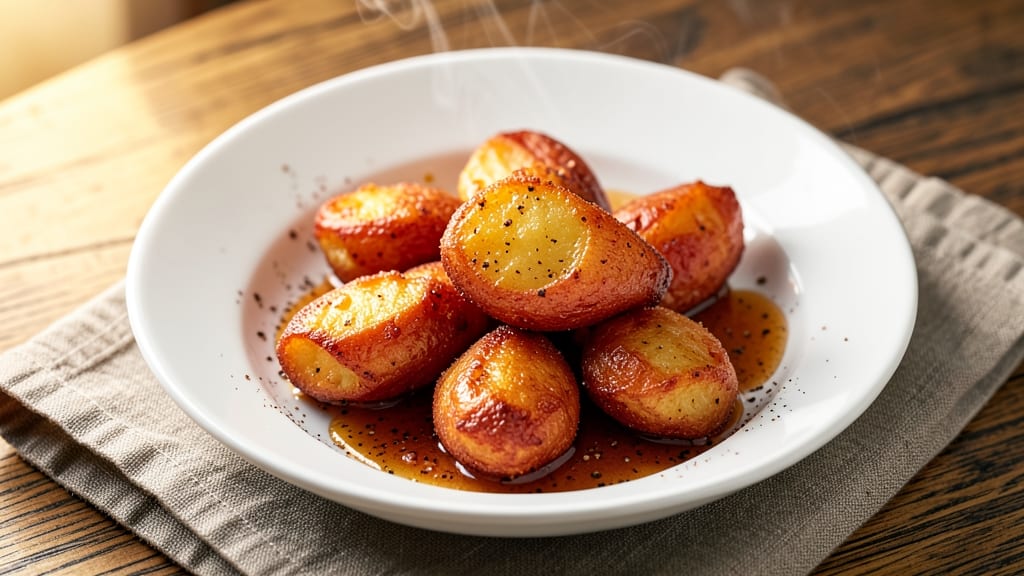
This fried canned potatoes recipe transforms humble pantry staples into crispy, vinegar-kissed bites with fluffy hearts—a game-changer for quick sides or hearty appetizers. The secret lies in a simple marinade of apple cider vinegar and spices that enhances natural sweetness while creating that signature tangy crunch.
I developed this after realizing canned potatoes could rival fresh when given proper texture and flavor treatment.
What makes this recipe work is the two-step frying process: first, a gentle pan-fry to render moisture, then a crisping finish in hot oil. No special equipment is needed—just a sturdy skillet and patience for even cooking.
The vinegar marinade not only tenderizes but also prevents sogginess, ensuring every bite delivers that satisfying contrast between crispy exterior and pillowy interior.
By the time you're done, you'll have golden-brown potatoes with perfectly crisp edges and a subtle tang that pairs beautifully with everything from burgers to grilled meats.
The method scales easily for crowds, and leftovers reheat beautifully in the oven. This is comfort food at its most satisfying—simple yet elevated through technique.
For dietary adjustments, swap vegetable oil for avocado oil or use an air fryer for a lighter version. Garnish with fresh parsley or a sprinkle of smoked paprika to take it to the next level. Let's get cooking—these potatoes are worth every minute of attention.
Ingredients for fried canned potatoes
Pantry staples meet restaurant-style technique in these crispy, vinegar-kissed canned potato bites.
| Ingredient | Amount | Notes |
|---|---|---|
| Canned Potatoes (Red or Yukon Gold) 🥔 | 2 cans | Drained, liquid reserved for marinade |
| Apple Cider Vinegar 🍎 | ½ cup | Raw, unfiltered preferred for depth |
| Vegetable Oil 🫒 | 2 cups | High smoke point for frying |
| Granulated Garlic Powder 🧄 | 2 tsp | Freshly ground preferred |
| Diamond Crystal Kosher Salt 🧂 | 1 ½ tsp | Fine grain for even seasoning |
| Smoked Paprika 🌶️ | 1 tsp | For subtle smokiness |
| Ground Black Pepper 🌶️ | ½ tsp | Freshly cracked for intensity |
| Fresh Parsley 🌿 | ¼ cup | Chopped, for garnish |
| Unsalted Butter 🧈 | 2 tbsp | For finishing touch |
| Granulated Sugar 🍚 | ½ tsp | Balances vinegar acidity |
| Cornstarch 🌾 | 2 tbsp | For extra crispiness |
| Lemon Zest 🍋 | 1 tsp | Brightens flavor profile |
| Avocado Oil 🫒 | ¼ cup | Alternative for frying |
The quality of your canned potatoes matters more than you'd think. Red or Yukon Gold varieties from brands like Del Monte or Libby's hold their shape best during frying. Check the expiration date—older cans can make the potatoes mealy. For the vinegar, raw, unfiltered apple cider vinegar from brands like Bragg adds complexity that white vinegar can't match. The cornstarch is non-negotiable for that signature crunch; Bob's Red Mill is my go-to brand for consistent quality. Store your canned potatoes in a cool, dark place after opening, and use them within 2-3 days for optimal texture.
No apple cider vinegar? White vinegar or lemon juice work in a pinch, though the flavor will be less complex. Swap vegetable oil for avocado oil if you prefer a higher smoke point or want to make it heart-healthier. The smoked paprika can be omitted if you're avoiding smoke flavors, but it adds that restaurant-quality depth. For the parsley, dried works at one-third the amount, but fresh is always better. If you're making this ahead, store the marinated potatoes in the fridge for up to 24 hours before frying—they'll absorb more flavor over time. The lemon zest can be zested fresh or used from a jar, though fresh is more vibrant.
These potatoes reheat beautifully—just pop them in a 375°F oven for 10-12 minutes until crispy again. For meal prep, fry in batches and store in an airtight container with a paper towel layer between to maintain crispness. They keep well in the fridge for 3-4 days this way. For freezing, fry completely, let cool, then freeze in a single layer before transferring to a bag. They'll stay crispy for up to 2 months when reheated properly. The butter finishing touch should be added right before serving—it melts quickly and enhances the crispiness.
Why You'll Love This Recipe
- No Chopping Needed: I swear by this shortcut—just drain, pat dry, and fry. The canned potatoes stay intact, so no peeling or dicing messes up my kitchen counter.
- Tangy Crispy Magic: That splash of apple cider vinegar? It’s the secret—cuts through the richness while keeping the outside shatteringly crisp. Honestly, my husband licks the pan afterward.
- Game for Any Meal: Serve them as a side with burgers, toss them into a breakfast scramble, or pile them high on a charcuterie board. They’re the ultimate neutral canvas that still steals the show.
- Pantry Goldmine: A dollar can of potatoes turns into a week’s worth of snacks or sides. Reheat them in the oven until crispy again—no soggy leftovers here, just pure convenience.
Step-by-step instructions for crispy vinegar-kissed fried canned potatoes
Master the art of transforming canned potatoes into restaurant-quality fried bites with perfect texture contrasts.
Prepare the Vinegar Marinade for Flavor Development
In a medium bowl, combine the 0.5 cup apple cider vinegar, 2 tsp granulated garlic powder, 1.5 tsp diamond crystal kosher salt, 1 tsp smoked paprika, 0.5 tsp ground black pepper, 0.5 tsp granulated sugar, and 1 tsp lemon zest. Whisk vigorously until the sugar fully dissolves and the mixture becomes aromatic. The sugar helps balance the vinegar's acidity while the spices begin to bloom.
Transfer the marinade to a large resealable plastic bag. Drain the 2 cans canned potatoes thoroughly, reserving the liquid for potential use, and add them to the bag. Seal tightly and massage the bag for 2 minutes to ensure every potato piece absorbs the marinade. Let them sit for 15 minutes at room temperature while you prepare the frying station. This marinating step is crucial for achieving that signature tangy flavor profile promised in the title.
Create the Crispy Coating for Maximum Texture
In a separate bowl, combine 2 tbsp cornstarch with 0.25 cup fresh parsley, chopped finely. The cornstarch will create that signature crispy exterior we're after. Drain the marinated potatoes and transfer them to the cornstarch-parsley mixture, tossing gently but thoroughly to coat each piece evenly. Be careful not to press too hard - you want the coating to adhere lightly rather than compact.
Let the coated potatoes rest for 5 minutes while you prepare your frying setup. This brief resting period allows the cornstarch to slightly adhere to the potato surfaces, ensuring better crispiness during frying. The parsley not only adds visual appeal but also contributes a fresh herbal note that complements the smoky spices.
Fry in Stages for Perfect Crispiness
Fill a deep skillet with 2 cups vegetable oil (or substitute with 0.25 cup avocado oil if preferred) and heat over medium-high heat until the oil reaches 350°F. Use a deep-fry thermometer for accuracy - this temperature is critical for achieving that perfect crispy exterior while keeping the interiors tender. Maintain the oil temperature consistently throughout the frying process.
Working in batches to avoid overcrowding, carefully add the coated potatoes to the hot oil. Fry for 3-4 minutes until they develop a golden brown crust and float to the surface. Use a slotted spoon to remove them and transfer to a paper towel-lined plate. The potatoes should be crispy on the outside but still slightly soft when pierced with a fork - they'll continue cooking slightly as they rest.
Finish with Butter for Richness and Flavor Balance
In the same skillet, reduce heat to medium-low and add 2 tbsp unsalted butter. Let it melt completely, about 1 minute, until it foams and releases a nutty aroma. This butter finish adds richness that balances the vinegar's acidity and enhances the overall flavor profile.
Return the fried potatoes to the skillet with the melted butter and toss gently for 1-2 minutes until they're evenly coated. The residual heat will crisp them up slightly more while infusing them with the butter's flavor. Transfer to a serving platter and garnish immediately with additional chopped fresh parsley for a pop of color and freshness.
Serve Immediately for Optimal Texture
Serve the crispy vinegar-kissed potatoes immediately while they're at their peak texture - the exterior should be shatteringly crisp while the interiors remain tender and fluffy. The potatoes will lose their crispness quickly as they cool, so have your serving dishes ready before removing them from the skillet.
For an elevated presentation, arrange the potatoes on a platter and drizzle any remaining butter from the skillet over the top. The combination of crispy exterior, tender interior, and tangy vinegar flavor creates a perfect balance that delivers on the promised crispy texture while offering surprising depth of flavor from the careful marinating and finishing steps.
Pro Tips For Making Fried Canned Potatoes
- Drain and Rinse Twice: Canned potatoes cling to their brine like it’s their job. Dump them in a colander, run cold water over them, and shake out every last drop—twice. That extra rinse cuts the metallic tang and keeps your potatoes from tasting like they came straight out of a can. (Yes, even if the label says "ready to eat.")
- Use a Splatter Screen: Frying canned potatoes is a mess—vinegar and oil don’t mix well when heat gets involved. Pop a splatter screen on your pan before adding oil, then slide the potatoes under it. Your stovetop stays clean, and you won’t be scrubbing vinegar off your cabinets later. Pro move: Tilt the pan slightly so steam escapes.
- Salt in Layers: Toss the drained potatoes with half the salt before frying, then hit them again after they’re golden. The first layer seasons the exterior while they crisp, and the second lock in flavor as they rest. Skip this, and you’ll end up with potatoes that taste like they forgot their seasoning mid-fry.
- Start Medium-Hot: Crank the heat to medium-high for the first 30 seconds—just until the oil shimmers—then drop it to medium. Too hot, and the vinegar burns before the potatoes crisp. Too low, and you’re left with soggy, unevenly cooked potatoes. Think "sizzle, then simmer," not "boil or broil." (I learned this after one very smoky kitchen.)
Make-ahead tips for this fried canned potatoes
Marinate Ahead
Prepare the vinegar marinade and store it in an airtight container in the refrigerator for up to 24 hours before using. This allows the flavors to develop deeper, giving your potatoes an extra layer of tangy complexity.
I like to marinate the potatoes overnight—just transfer them to the bag with the marinade and refrigerate. When ready to cook, let them sit at room temperature for 15 minutes before frying to ensure even cooking. 💫
Batch Prep for Crowds
For large gatherings, marinate and coat all the potatoes at once, then store them in a single layer on a parchment-lined tray in the refrigerator for up to 12 hours. This keeps them organized and ready to fry in batches without crowding your skillet.
I recommend frying in 2-3 batches to maintain oil temperature consistency—overcrowding will lower the oil temperature and result in greasy, less crispy potatoes. 🔥
Freezer-Friendly Pre-Cooking
You can even pre-coat the potatoes and freeze them for future use. After tossing the marinated potatoes in the cornstarch-parsley mixture, spread them on a tray and freeze for 1 hour to set. Then transfer to a freezer bag with parchment paper between layers.
To cook from frozen, skip the initial pan-fry and go straight to the hot oil—just add 1 extra minute to the frying time. The texture will still be crispy, though slightly less fluffy inside. ✨
Reheat Like a Pro
Reheating fried potatoes can be tricky, but the oven is your best friend. Spread them on a baking sheet and bake at 400°F for 8-10 minutes until crispy again. For extra crunch, broil for 1-2 minutes at the end.
I avoid microwaving because it turns them soggy—always opt for dry heat to restore that satisfying crunch. Store reheated potatoes in an airtight container with a paper towel to absorb excess moisture. 💡
Meal Prep Storage
After frying, let the potatoes cool completely, then store them in a single layer in an airtight container with a paper towel between layers. This prevents sogginess and keeps them crispy for 3-4 days in the refrigerator.
For longer storage, freeze them as described earlier—they’ll stay good for up to 2 months. When ready to serve, just reheat in the oven as directed. The key is keeping them dry and avoiding steam, which is the enemy of crispiness. 🥔
Nutrition facts
Frequently asked questions
Why do I need to marinate canned potatoes before frying?
The vinegar marinade serves three key purposes: it tenderizes the potatoes slightly, adds that signature tangy flavor, and helps create a better crust during frying. The acidity from the vinegar also prevents the potatoes from becoming too starchy and gummy when cooked.
Can I use regular white vinegar instead of apple cider vinegar?
Yes, but expect a less complex flavor. Apple cider vinegar offers subtle sweetness and depth that white vinegar lacks. For a budget-friendly version, use white vinegar with an extra ½ teaspoon of brown sugar to mimic the flavor balance. The texture benefits remain the same.
How do I keep these fried potatoes crispy when reheating?
Always reheat in a 400°F oven for 8-10 minutes on a wire rack (not a plate) to allow air circulation. For extra crunch, broil for 1-2 minutes at the end. Avoid microwaving—it steams the potatoes and kills crispiness. Store in an airtight container with a paper towel to absorb moisture.
What's the best way to fry these without making my kitchen smell like oil?
Use an air fryer at 375°F for 8-10 minutes, shaking halfway, for a crispy result with less smoke. Or fry outdoors on a grill pan over medium-high heat. For traditional frying, keep a bowl of ice water nearby to quickly cool used oil between batches.
Can I make these with frozen canned potatoes?
No—frozen canned potatoes won't crisp properly. Always use fresh, drained canned potatoes straight from the can. If you're short on time, you can microwave the drained potatoes for 1-2 minutes to remove excess moisture before marinating, but they won't be as fluffy inside.