
Side Dishes
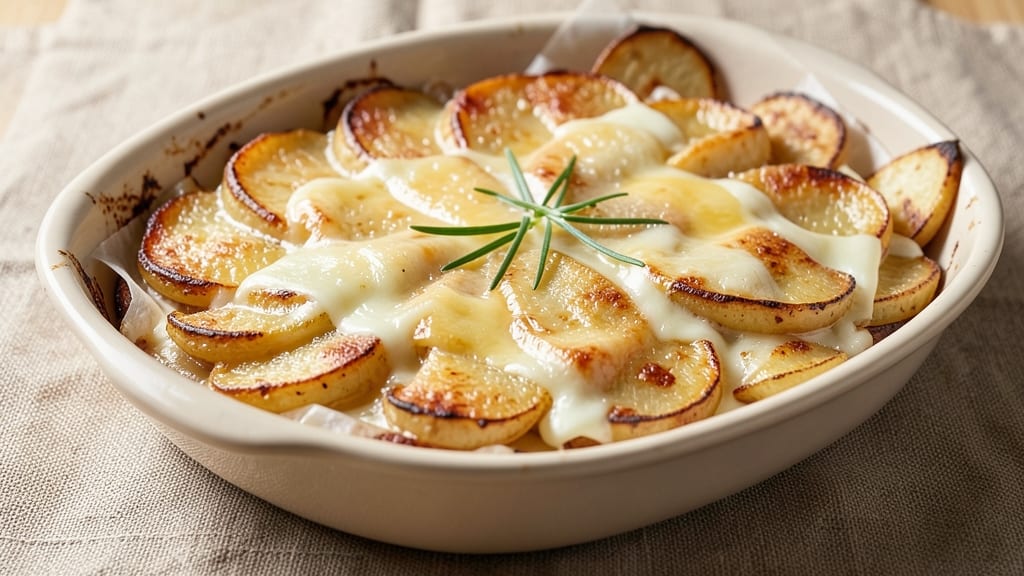
Emeril Lagasse's scalloped potatoes deliver that perfect balance of creamy, cheesy layers with crispy, golden edges—exactly what makes this dish a restaurant-worthy side.
I’ve recreated his signature technique, where thinly sliced potatoes bake until tender yet hold their shape, topped with a rich, buttery cheese sauce that turns into a pull-apart crisp. The secret lies in precise slicing and a slow bake that ensures every layer melts in your mouth without losing texture.
What sets this recipe apart is the foolproof method for achieving that signature crispy top while keeping the interior velvety. Emeril’s approach involves layering potatoes with a blend of sharp cheddar and cream cheese, then finishing with a sprinkle of breadcrumbs for extra crunch.
The slow bake at 375°F transforms the dish into a cheesy, buttery masterpiece that’s impossible to resist. No fancy equipment needed—just patience and attention to detail.
By the time these scalloped potatoes emerge from the oven, you’ll have a dish that’s restaurant-quality at home: golden, bubbling, and so tender it practically dissolves on your tongue. The buttery cheese sauce clings to every potato slice, creating pockets of rich, savory goodness.
This is the kind of side that elevates any meal—whether paired with roasted chicken, steak, or served as a hearty vegetarian main.
Perfect for family dinners, holiday feasts, or when you want to impress guests without spending hours in the kitchen. The recipe scales easily, so you can make it for a crowd or keep it intimate for a weeknight dinner. Let’s get started—your taste buds will thank you.
Ingredients for emeril lagasse scalloped potato
Six ingredients create Emeril's signature cheesy, crispy, melt-in-your-mouth scalloped potatoes—restaurant magic at home.
| Ingredient | Amount | Notes |
|---|---|---|
| Russet Potatoes 🥔 | 3 lbs | Thinly sliced, uniform thickness |
| Sharp White Cheddar Cheese 🧀 | 2 cups | Shredded, block preferred |
| Cream Cheese 🧈 | 8 oz | Full-fat, room temperature |
| Heavy Whipping Cream 🥛 | 1 cup | Full-fat for richness |
| Unsalted Butter 🧈 | ½ cup | Cold, cubed for even melt |
| All-Purpose Flour 🌾 | 2 tbsp | For thickening sauce |
| Salt 🧂 | 1 ½ tsp | Kosher or sea salt |
| Black Pepper 🌶️ | 1 tsp | Freshly ground preferred |
| Garlic Powder 🧄 | 1 tsp | For subtle depth |
| Panko Breadcrumbs 🍞 | ¼ cup | For crispy top layer |
| Fresh Parsley 🌿 | ¼ cup | Chopped, for garnish |
| Garlic Cloves 🧄 | 2 cloves | Minced, optional for extra flavor |
The potatoes are non-negotiable. Russets have the right starch for that creamy texture—Yukon Golds work too but won't crisp as well. Grab three big ones (about 3 lbs total) at Trader Joe's or your local market. Use a mandoline for even slices—1/8-inch thick—or a sharp knife if you're patient. Soak the slices in cold water for 10 minutes to remove excess starch (trust me on this), then pat completely dry. The cheddar? Sharp white is key—pre-shredded gets clumpy, so grate your own from a block. For the cream cheese, Philadelphia is a safe bet, but any full-fat brand works.
No sharp cheddar? Pepper Jack or Gruyère add nice depth. Running out of panko? Regular breadcrumbs toasted in butter work in a pinch. The garlic cloves are optional but add that Emeril touch—skip if you're not a fan. For the butter, cold cubes melt more evenly than softened pats. The flour is just for thickening the sauce, so don't skip it—it keeps everything silky. Fresh parsley? Dried works at one-third the amount, but fresh is prettier. Pro tip: If you're making this ahead, assemble the layers but skip the breadcrumbs—add them right before baking for maximum crunch.
This reheats like a dream—just cover with foil and pop in a 350°F oven for 15 minutes. Leftovers keep 4 days in the fridge, but honestly, it's even better day-old. For freezing, bake the dish, cool completely, then wrap tightly in foil. 2 months max in the freezer—thaw overnight in the fridge before reheating. The breadcrumbs will lose some crunch when frozen, but the cheese sauce stays luscious. Double the recipe? No problem—just use a bigger baking dish. The key is low and slow—don't rush the bake time, or you'll end up with dry potatoes.
Why You'll Love This Recipe
- One-Pan Magic: I swear by this recipe when I’m too tired to wash another dish. Slice those Russets thin, layer them with the cheesy cream sauce, and pop it in the oven—no fuss, no extra pots. The butter and cream do all the work while you sip your coffee.
- Creamy Cheese Dream: That combo of sharp cheddar and cream cheese? It’s the secret weapon. The cheddar brings the tang, the cream cheese makes it velvety, and the heavy cream ties it all together into something dangerously addictive. (Yes, I’ve reheated leftovers cold.)
- Game for Any Meal: Between us, this is my go-to for Sunday dinners, lazy weeknights, or even a fancy-ish brunch. Add a fried egg on top, and suddenly it’s brunch. Skip the egg, and it’s comfort food perfection. It’s that adaptable.
- Budget-Friendly Luxury: Russets and cheddar are pantry staples that won’t break the bank, and this recipe stretches easily for leftovers. I’ll be real: the first time I made it, I tripled the batch and still had seconds the next day. That’s a win for my wallet and my taste buds.
Step-by-step instructions for Emeril Lagasse's scalloped potatoes
Here's how to build those legendary cheesy, crispy layers that pull apart perfectly every time.
Prepare the Potatoes and Cheese Mixture
Start by thinly slicing the 3 lbs russet potatoes on a mandoline or sharp knife to ⅛-inch thick slices. I aim for uniform thickness so they cook evenly. Immediately soak the slices in cold water for 10 minutes to remove excess starch—this prevents gummy layers later. Drain and pat completely dry with paper towels.
In a large bowl, combine the 2 cups shredded sharp white cheddar cheese, 8 oz cream cheese, 1 cup heavy whipping cream, and 0.5 cup cold cubed unsalted butter. Microwave this mixture for 30 seconds to melt the butter and cream cheese just until smooth. Stir in the 2 tbsp all-purpose flour, 1.5 tsp salt, 1 tsp black pepper, and 1 tsp garlic powder until fully incorporated. Here's the thing—this cheese sauce needs to be silky smooth, so I use a whisk to break up any lumps completely.
Layer Potatoes and Cheese Sauce
Preheat your oven to 375°F. In a 9x13-inch baking dish, spread half the potato slices in an overlapping pattern, slightly offset like brickwork. This creates drainage channels for excess moisture. Pour half the cheese mixture evenly over the potatoes, then sprinkle half the 0.25 cup panko breadcrumbs. Repeat with remaining potatoes and cheese sauce.
Press down gently on each layer to ensure good contact between potatoes and sauce. This prevents air pockets that would make some sections undercooked. The top layer should be potatoes, with the final sprinkle of panko breadcrumbs creating that signature crispy crust. Don't skip this layering—it's what makes these pull-apart perfect.
Bake Until Golden and Bubbly
Cover the baking dish tightly with aluminum foil and bake for 45 minutes. This initial covered bake allows the potatoes to soften without drying out. After 45 minutes, remove the foil and increase the oven temperature to 400°F for the final 15-20 minutes until the top is golden brown and crispy.
Watch closely during the final phase—you want that beautiful caramelized crust. If the edges brown too quickly, tent loosely with foil. The potatoes should be tender when pierced with a fork, with the cheese sauce bubbling around them. Real talk: the moment you see those golden bubbles is when you know you've nailed it.
Rest and Garnish for Serving
Remove from the oven and let rest for 10 minutes before serving. This resting period allows the layers to set slightly, making them easier to slice through cleanly. The cheese will continue to melt and create that perfect pull-apart texture.
Garnish with chopped fresh parsley and, if using, sprinkle the minced 2 cloves garlic over the top for that extra flavor punch. Serve immediately while still warm and bubbly. These scalloped potatoes should have crispy edges, creamy layers, and that signature cheesy pull that makes every bite worth it.
Pro Tips For Making Emeril Lagasse Scalloped Potato
- PRE-COOK POTATOES FIRST: Parboil the Russets for 8-10 minutes before slicing—this guarantees even cooking and prevents the edges from turning gummy. I used to skip this, and the outer layers always ended up undercooked while the center turned to mush. Trust me, the 10 extra minutes now save you from a sad, uneven casserole later.
- GRATE THE CHEESE FINE: Use a box grater (not a food processor) for the cheddar and cream cheese—this creates a creamy, melt-in-your-mouth texture instead of clumpy chunks. I learned this the hard way when I pulsed the cheese in a food processor and ended up with a grainy, unappetizing layer. A little elbow grease here makes all the difference.
- DON’T SKIP THE CREAM CHEESE: The cream cheese isn’t just a filler—it’s what keeps the casserole rich and velvety without making it greasy. I was skeptical until I tried it, and now I double the amount if I’m feeding a crowd. (Yes, even if the recipe says otherwise.)
- BAKE UNTIL BUBBLY AND GOLDEN: Cover with foil for the first 45 minutes, then uncover and bake another 15-20 minutes until the top is deep golden and the edges are crisp. The bubbly, caramelized crust is the thing that matters most—don’t rush it, or you’ll end up with a sad, pale top. (Your future self will thank you.)
Troubleshooting this recipe
Potatoes Too Dry
If your scalloped potatoes emerge dry instead of creamy, it’s usually from overcooking or insufficient moisture. First, check your baking time—45 minutes covered at 375°F followed by 15-20 minutes uncovered at 400°F is ideal. Overbaking draws out moisture, so resist the urge to peek too early.
For extra insurance, add 2 tbsp heavy cream to the cheese sauce before layering. I also recommend using a 9x13-inch baking dish—smaller dishes concentrate heat and dry out faster.
If it happens, sprinkle a little warm milk or cream over the top and broil for 2-3 minutes to revive the sauce.
Cheese Sauce Too Thick
A lumpy or overly thick cheese sauce ruins the creamy texture. The fix starts with proper prep: always use room-temperature cream cheese and cold cubed butter to prevent clumping. If your sauce is too thick after mixing, whisk in 1-2 tbsp warm milk or cream until silky.
For extra insurance, I microwave the sauce in 15-second bursts while stirring until smooth. If it still separates in the oven, cover with foil for the first 30 minutes to trap steam and re-emulsify the sauce.
Uneven Cooking
Uneven doneness often means inconsistent potato thickness or poor heat distribution. Use a mandoline for ⅛-inch slices—a sharp knife won’t cut evenly enough. For heat control, place your dish on the middle rack of the oven.
If the edges cook faster, tent loosely with foil during the final 10 minutes of baking. Another trick: preheat your baking dish in the oven for 5 minutes before adding the potatoes to ensure even heat transfer. If one side cooks faster, rotate the dish halfway through baking.
Top Not Crispy
A soggy top is usually from moisture escaping too early or insufficient breadcrumbs. The key is patience: don’t uncover the dish until the 45-minute covered bake is complete. For extra crunch, toast the panko breadcrumbs in a dry skillet for 2 minutes before sprinkling.
I also recommend using a mix of panko and crushed cornflakes (50/50) for added texture. If the top still doesn’t crisp, broil for 1-2 minutes at the very end—just watch closely to avoid burning.
Gummy Texture
Gummy scalloped potatoes usually mean excess starch wasn’t removed properly. Soak your potato slices in ice water for 10 minutes before draining and patting completely dry with paper towels. Skim off any foam that forms during soaking—this removes surface starch.
If it’s too late, add ½ tsp baking powder to the cheese sauce to help tenderize the potatoes. For extra insurance, layer a thin sheet of parchment paper between the potatoes and cheese sauce to prevent direct contact that can cause gumminess.
Sauce Separates
Separation happens when the cheese sauce isn’t emulsified properly. Start by melting the butter and cream cheese slowly over low heat or in 15-second microwave bursts while stirring constantly. Add the flour all at once and whisk vigorously until smooth—this creates a roux that binds the sauce.
If separation still occurs, whisk in 1 tbsp cold water to re-emulsify. For extra stability, stir in 1 tsp Dijon mustard to the sauce before layering—it acts as a natural emulsifier. Serve immediately after baking to prevent further separation.
Nutrition facts
Frequently asked questions
Can I use Yukon Gold potatoes instead of Russets?
Yes, but with a few adjustments! Yukon Golds will give you a creamier texture but won't crisp as well as Russets. For best results, slice them slightly thinner (1/16-inch) and reduce the bake time by 5-10 minutes to prevent overcooking. The starch content is lower, so they won't hold moisture as well.
How do I make these ahead of time for a holiday meal?
Assemble the dish completely (including cheese sauce) up to 24 hours ahead, cover tightly with foil, and refrigerate. When ready to bake, let it sit at room temperature for 30 minutes before baking as directed. For extra insurance, add 1 extra tbsp cream to the sauce to compensate for any moisture loss during storage.
What's the secret to getting that perfect crispy top?
The crispy top comes from three things: toasted panko, proper timing, and high heat at the end. Toast your breadcrumbs in a dry skillet for 2 minutes before using, don't uncover the dish until the 45-minute covered bake is complete, then crank the oven to 400°F for the final 15-20 minutes.
Can I make this dish vegetarian?
This recipe is already vegetarian, but you can enhance it by adding sautéed mushrooms or caramelized onions to the cheese sauce for extra depth. For a vegan version, substitute the butter with vegan butter, use vegan cream cheese, and add 1 tbsp nutritional yeast to the sauce for a cheesy flavor.
Why does my cheese sauce sometimes separate?
Cheese sauce separates when it's not properly emulsified. Always melt the butter and cream cheese slowly (microwave in 15-second bursts while stirring), add the flour all at once, and whisk vigorously. For extra stability, stir in 1 tsp Dijon mustard before layering. Serve immediately after baking to prevent further separation.