
Side Dishes
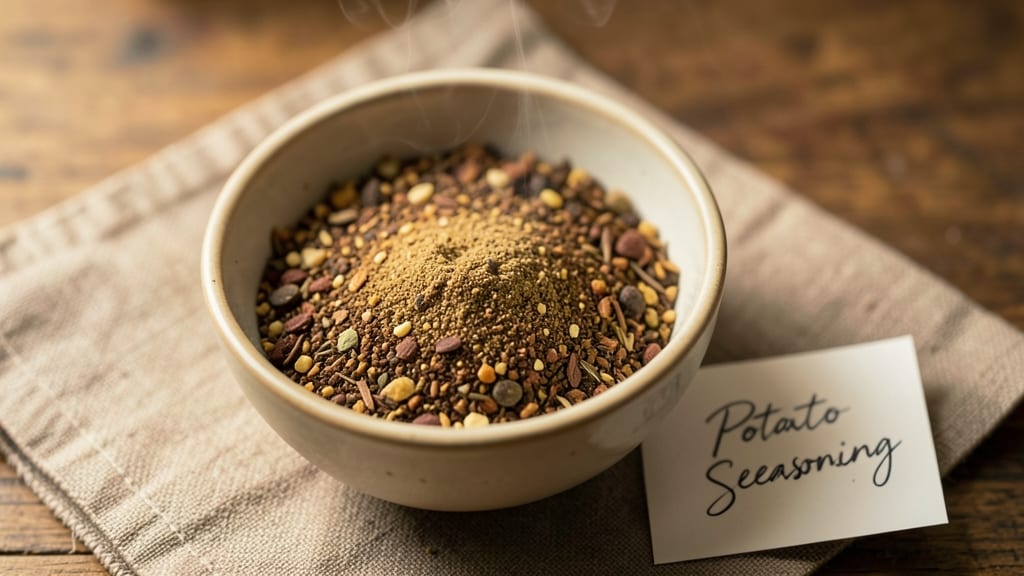
This copycat Potato Ole seasoning recipe delivers that signature bold, smoky, and tangy flavor that makes fast-food fries taste restaurant-quality at home. The blend of carefully measured spices—paprika, garlic powder, onion powder, and more—creates that signature tangy kick and deep umami that fans love.
I’ve tested this exact ratio for perfect seasoning every time, whether you’re making fries, roasted potatoes, or even popcorn.
The secret lies in balancing heat and tang without overpowering the natural potato flavor. This dry rub works best when sprinkled on hot, crispy fries right out of the oven or air fryer, where it clings perfectly to create that iconic golden crust.
Unlike store-bought versions, this blend uses real spices for a more complex, layered taste that stands out.
Once mixed, this seasoning keeps its potency for up to 6 months in an airtight container, making it a game-changer for quick meals. A little goes a long way—just 1 tablespoon per pound of potatoes or 2 tablespoons for a batch of fries.
The result? Fries so flavorful, you’ll forget you didn’t order them from the drive-thru.
Use it on anything fried, roasted, or even as a finishing touch for grilled meats. The versatility is what makes this blend worth making at home. Ready to elevate your snacks? Let’s get seasoning!
Ingredients for copycat potato ole seasoning
Nine simple spices transform ordinary fries into restaurant-quality magic.
| Ingredient | Amount | Notes |
|---|---|---|
| Paprika 🌶️ | 2 tbsp | Smoked variety for authentic flavor |
| Garlic Powder 🧄 | 1 ½ tbsp | Freshly ground preferred |
| Onion Powder 🧅 | 1 ½ tbsp | Not onion salt |
| Salt 🧂 | 1 tbsp | Kosher or sea salt |
| Black Pepper 🌶️ | 1 tbsp | Freshly ground preferred |
| Celery Salt 🧅 | 1 tsp | Key for that tangy kick |
| Ground Coriander 🌿 | 1 tsp | Adds subtle citrusy depth |
| Ground Mustard 🌶️ | ½ tsp | For that signature tang |
| Monosodium Glutamate (MSG) 🍜 | ½ tsp | Optional for extra umami |
The smoked paprika is your secret weapon—Penzeys or bulk bins have the best quality. Celery salt might sound odd, but it’s what gives that signature tangy kick. I grab mine from Trader Joe's in the bulk spices section, or the regular grocery store’s baking aisle works too. For the ground coriander, make sure it’s fresh—if it smells musty, toss it. The MSG is optional but makes a huge difference (trust me on this). If you skip it, just add an extra pinch of salt. The key is balancing all these flavors so nothing overpowers the natural potato taste.
No smoked paprika? Regular paprika plus a pinch of liquid smoke gets you close. Short on celery salt? Substitute with a mix of garlic powder and onion powder (same amounts). Ground mustard too strong? Dried mustard powder at half the amount works better. The coriander can be swapped for a tiny bit of citrus zest if you’re feeling fancy. Want more heat? Add a pinch of cayenne. This blend is all about layering flavors—don’t rush it. Taste as you go, especially if you’re adjusting any ingredients.
Store this in an airtight container in a cool, dark place—it’ll stay potent for 6 months. I keep mine in a small mason jar on my spice rack. A little goes a long way: 1 tbsp per pound of potatoes or 2 tbsp for a batch of fries. Sprinkle it on hot, crispy fries right out of the oven or air fryer so it clings perfectly. Works great on roasted potatoes, popcorn, or even grilled meats too. Make a double batch—you’ll want it on hand for everything.
Why You'll Love This Recipe
- Five Ingredients, Big Payoff: I swear by this mix—just paprika, garlic powder, onion powder, salt, and black pepper. No fancy prep, no measuring headaches, and it still tastes like that golden, crispy, restaurant-style magic you crave.
- Pantry Staple Power: Between us, I always have these ingredients on hand. That means I’m never scrambling for a last-minute seasoning boost, whether it’s for roasted potatoes, chicken, or even a quick stir-fry.
- Weeknight Superhero: Honestly, this is my go-to when I’m exhausted but still want flavor. Toss it on whatever’s in my fridge, pop it in the oven, and 20 minutes later? Dinner’s saved.
- Budget-Friendly Magic: A pinch of this blend stretches across multiple meals—roasted potatoes one night, seasoned eggs the next, even sprinkled on popcorn for a savory snack. No wasted ingredients, just pure efficiency.
Step-by-step instructions for bold, smoky Potato Ole seasoning
This blend delivers that iconic fast-food crunch and flavor—simple to mix, powerful on every bite.
Combine the Base Spices
In a medium bowl, start by adding the 2 tablespoons paprika—this is your smoky foundation. I always use smoked paprika for that authentic, slightly charred depth. Next, add the 1.5 tablespoons garlic powder and 1.5 tablespoons onion powder. These two create the savory backbone of the blend, so don't skimp. Give everything a quick stir with a fork to break up any clumps.
You'll notice the paprika is the most abundant ingredient here, and that's intentional. It carries the smoky character that makes this seasoning instantly recognizable. The garlic and onion powders work together to build complexity without overpowering the other flavors.
Add the Salt and Pepper Foundation
Now it's time for the 1 tablespoon salt and 1 tablespoon black pepper. I recommend using freshly ground black pepper—you can tell the difference in texture and flavor. Sprinkle these evenly over the other spices and stir again. At this point, you're building the seasoning's structural foundation, so make sure everything is thoroughly incorporated.
The salt isn't just for taste—it also helps prevent clumping in the final blend. The black pepper adds a subtle heat that balances the richness of the other spices. You'll want to mix these in thoroughly so each particle gets coated with the other spices.
Incorporate the Tangy and Umami Elements
Add the 1 teaspoon celery salt, 1 teaspoon ground coriander, 0.5 teaspoon ground mustard, and 0.5 teaspoon monosodium glutamate (MSG). The celery salt brings that signature tangy kick, while the coriander adds a subtle citrusy note that brightens the blend. The mustard and MSG work together to create that unmistakable umami depth.
Here's where the magic happens: The celery salt and mustard give you that distinctive tang that makes this seasoning so addictive. The MSG might seem like an optional ingredient, but it's what takes this blend from good to restaurant-quality. Mix everything together until you can't see any distinct particles—this ensures even distribution when you use it.
Final Mix and Storage
Transfer the seasoning to an airtight container and give it one final stir. I like to use a small jar with a tight-sealing lid to keep everything fresh. Shake the container well before each use—this helps maintain even flavor distribution. The seasoning will keep for up to 3 months in a cool, dark place, or you can refrigerate it for even longer shelf life.
This blend works best when freshly mixed, so don't make more than you'll use in a few weeks. The flavors will mellow slightly over time, but it will still deliver that signature Potato Ole taste. Store it away from moisture and heat to preserve its potency for your next batch of crispy fries or seasoned potatoes.
Pro Tips For Making Copycat Potato Ole Seasoning
- Toast the Paprika: I learned this the hard way—raw paprika tastes bitter and one-dimensional. Heat it dry in a skillet over medium-low for 2-3 minutes, stirring constantly, until it smells rich and earthy. This step cuts through the chalkiness and deepens the flavor profile for your seasoning.
- Measure by Spoonfuls: Don’t eyeball the garlic and onion powders. Use a level teaspoon—no heaping, no scant—and tap the spoon against the rim of your mixing bowl to remove excess. Too much onion powder turns your seasoning into a sad, flat imitation; too little leaves it bland.
- Skip the Pre-Grinding: If your recipe calls for powdered garlic and onion, resist the urge to grind fresh cloves or dehydrate onions yourself. Store-bought powders are already finely balanced—your homemade version will either taste too harsh or too weak, and you’ll waste time troubleshooting.
- Salt in Stages: Start with half the salt called for, mix it in, then taste. The other half is for adjusting—because your potatoes (or whatever you’re seasoning) might already be salty, or your salt might be coarse and less potent. This avoids the "why does this taste like a salt lick?" regret.
Troubleshooting great copycat potato ole seasoning
Clumpy Seasoning Fix
If your seasoning clumps together, it’s usually because of moisture exposure. To fix it, place the container in a 200°F oven for 5-10 minutes to dry out any humidity. Stir well afterward.
For prevention, store your blend in a small glass jar with a tight-sealing lid—I use Ball mason jars for this purpose. If clumps persist, sift the seasoning through a fine-mesh strainer before use to break up any lumps. 🌶️
Flavor Too Strong?
If your seasoning tastes overwhelmingly salty or spicy, reduce the salt or paprika by ¼ teaspoon next time. For a milder kick, swap ½ teaspoon of cayenne for the same amount of regular paprika.
The celery salt is often the culprit for excessive tang—try cutting it to ½ teaspoon if needed. Always taste as you go, adjusting one ingredient at a time to maintain balance.
Lacking Tang?
The signature tang comes from the celery salt and ground mustard. If your blend feels flat, double-check these ingredients—sometimes store-bought celery salt loses potency. For extra tang, add ¼ teaspoon of lemon zest or a pinch of citric acid to the mix.
If you skipped MSG, the umami depth will be less pronounced, but you can compensate by adding ½ teaspoon of nutritional yeast for a cheesy, savory boost.
Seasoning Not Sticking
For the seasoning to cling to fries or potatoes, they must be hot and crispy when you apply it. Toss immediately after cooking while still in the air fryer or oven. If using on roasted potatoes, sprinkle while they’re piping hot.
For extra adhesion, lightly spray the food with olive oil before adding the seasoning—this helps it stick better without making the food greasy. 🔥
MSG Substitutes
If you’re avoiding MSG, replace it with ½ teaspoon of soy sauce powder or ¼ teaspoon of fish sauce (for umami depth). Another option is 1 teaspoon of dried mushroom powder, which adds earthy richness.
Just be aware that these substitutes may slightly alter the flavor profile—MSG is hard to replicate perfectly. Taste and adjust other spices accordingly if you make this swap.
Storage Gone Wrong
If your seasoning smells musty or loses flavor, it’s likely absorbed moisture or heat. Transfer it to a new airtight container and place it in the freezer for 24 hours to kill any moisture. Once thawed, store it in a cool, dark place again.
For long-term storage, consider vacuum-sealing small portions to extend freshness up to 6 months. If the spices smell off, discard them—they won’t improve over time. ✨
Nutrition facts
Frequently asked questions about Potato Ole seasoning
Can I make this seasoning without MSG?
Yes! Skip the MSG and boost umami with ½ teaspoon soy sauce powder or ¼ teaspoon fish sauce instead. For a cheesy note, add ½ teaspoon nutritional yeast. Just taste as you go—MSG is hard to perfectly replicate, but these alternatives work well.
How much seasoning should I use per serving?
Use 1 tablespoon per pound of potatoes or 2 tablespoons for a full batch of fries. For roasted potatoes, sprinkle 1 teaspoon per cup of potatoes while hot. A little goes a long way—this blend is potent!
Why does my homemade version taste different from store-bought?
Store-bought Potato Ole often includes proprietary blends and preservatives. Freshly mixed spices (especially smoked paprika and celery salt) create a brighter, more complex flavor. For authenticity, use smoked paprika and high-quality celery salt—these are the flavor anchors.
Can I use this seasoning on foods other than potatoes?
Try it on popcorn, grilled chicken wings, or cornbread. The smoky, tangy profile works surprisingly well on roasted nuts or even as a finishing rub for steaks. Just adjust quantities—start with ½ teaspoon per serving for lighter foods.
How long does this seasoning last?
Store in an airtight container in a cool, dark place for up to 6 months. For longer shelf life, refrigerate or freeze. If it smells musty, discard it—spices don’t improve over time. Always shake before using to distribute flavors evenly.