
Side Dishes
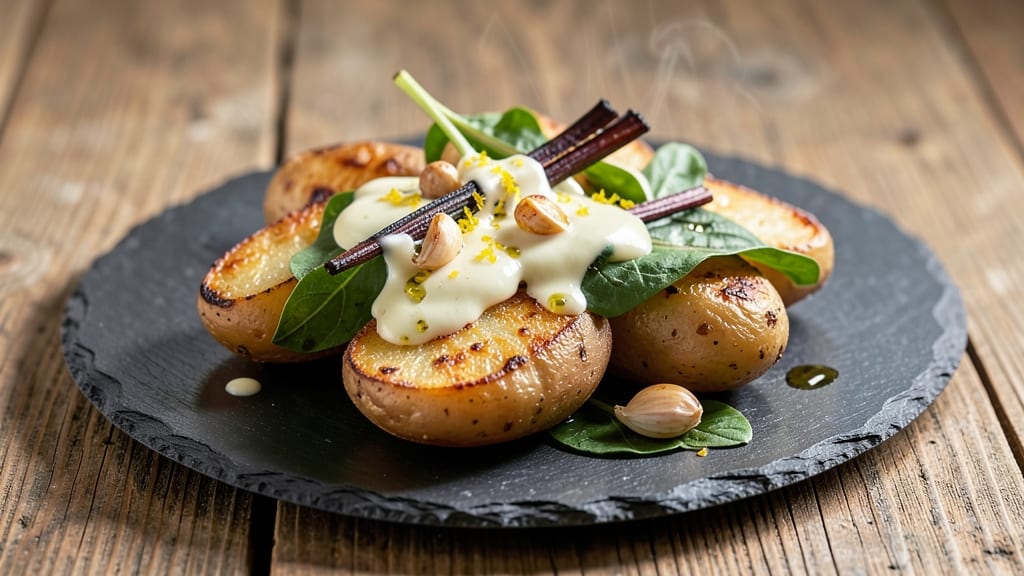
This chard and potato recipe transforms humble ingredients into a creamy, earthy side dish that steals the show at any table. The secret lies in roasting potatoes until tender and golden while sautéing chard until wilted—then combining them with a touch of cream and garlic for depth.
I developed this one-pan method after realizing how often chard gets overlooked in favor of spinach, and it’s become a weekly staple in my kitchen.
The beauty of this dish is its simplicity: 30 minutes from start to finish, minimal cleanup, and a flavor profile that balances the richness of potatoes with the earthy bite of chard.
The cream adds a velvety texture without overpowering the natural flavors, while garlic and lemon brighten every bite. It’s the kind of side that turns a simple meal into something memorable—restaurant-quality without the fuss.
What you’ll end up with is a creamy, golden-brown medley where each forkful delivers tender potatoes and silky chard in perfect harmony. The dish holds its shape even when reheated, making it ideal for meal prep or serving alongside grilled meats, roasted chicken, or even as a vegetarian main.
The aroma alone—garlicky, herby, and slightly caramelized—will have everyone at the table asking for seconds.
For extra richness, stir in a splash of heavy cream or a sprinkle of parmesan at the end. Serve warm with crusty bread to soak up every last bit of that creamy, savory sauce.
Let’s get cooking—this dish is easier than it looks, and the results are worth every minute.
Ingredients for chard potato
Earthy chard and tender potatoes transform into a creamy, restaurant-worthy side with just twelve ingredients.
| Ingredient | Amount | Notes |
|---|---|---|
| Baby Potatoes 🥔 | 1 ½ lb | Halved for even roasting |
| Swiss Chard 🌿 | 1 lb | Stems chopped, leaves torn |
| Extra-Virgin Olive Oil 🫒 | ½ cup | High-quality, fruity flavor |
| Heavy Cream 🥛 | ½ cup | Full-fat for richness |
| Garlic Cloves 🧄 | 4 cloves | Minced for aromatic depth |
| Lemon Juice 🍋 | 2 tbsp | Freshly squeezed |
| Vegetable Broth 💧 | ½ cup | Low-sodium preferred |
| Salt 🧂 | 1 ½ tsp | Kosher or sea salt |
| Black Pepper 🌶️ | ½ tsp | Freshly ground |
| Fresh Thyme Leaves 🌿 | 1 tbsp | Chopped, or dried thyme |
| Parmesan Cheese 🧀 | ¼ cup | Freshly grated |
| Crusty Bread 🍞 | 4 slices | For serving |
The Swiss chard is the star here—look for vibrant, deep-green leaves with crisp stems at the grocery store. Whole Foods or local farmers markets often carry the freshest, but the regular produce section at Kroger or Trader Joe's works fine too. The baby potatoes should be firm and uniform in size for even cooking. If you can't find baby potatoes, Yukon Golds cut into even chunks will work just as well. For extra depth, don't skip the stems—they're packed with flavor and add texture to the dish. The Parmesan should be freshly grated from a block, as pre-grated often contains anti-caking agents that can make the dish taste grainy.
No heavy cream? Full-fat coconut milk works beautifully for a dairy-free version, though the texture will be slightly lighter. Short on thyme? Dried thyme at one-third the amount will do, but fresh is ideal for that bright, herby note. Lemon juice can be substituted with white wine vinegar if needed, though the flavor profile will shift slightly. The vegetable broth is essential—don't use water, as it lacks the depth needed to balance the dish. For a richer sauce, stir in an extra tablespoon of cream at the end. If you're making this ahead, the flavors meld even better after a night in the fridge.
This dish reheats beautifully—just warm it through in a skillet with a splash of water or broth to restore moisture. It keeps well in the fridge for 4-5 days, though the chard may soften further. For meal prep, portion into containers with a sprinkle of Parmesan on top to preserve freshness. The bread can be toasted separately and served alongside to soak up the creamy sauce. Freezing isn't recommended, as the chard tends to get mushy, but the potatoes and sauce can be frozen separately for up to 3 months if you're planning ahead.
Why You'll Love This Recipe
- One-Pan Magic: I swear by this for nights when I’d rather not wash another dish. Baby potatoes and Swiss chard share a sheet pan with garlic and olive oil, roasting until tender—no fuss, no stress, just golden edges and wilted greens that make cleanup a joke.
- Creamy-Garlicky Bliss: That first bite? The crispy potatoes soak up the rich, garlicky cream while the chard adds a peppery bite—it’s like a hug in a skillet. Honestly, I’ve never met a dish that balances comfort and sophistication this well.
- Meal Prep MVP: Make a double batch on Sunday, and you’ve got lunch or dinner covered for days. The flavors only deepen as it sits, and it reheats like a dream—perfect for busy mornings or when you just can’t face cooking.
- Budget-Friendly Luxury: Swiss chard and baby potatoes are pantry staples that don’t break the bank, yet this dish tastes like you spent hours (and a fortune). Between us, it’s the kind of meal that makes grocery day feel like a win.
Step-by-step instructions for earthy greens and creamy potatoes in one pan
This method delivers perfectly roasted baby potatoes with tender Swiss chard in a rich, creamy sauce.
Prep and Roast the Baby Potatoes
Preheat your oven to 400°F. Halve the 1.5 lb baby potatoes lengthwise, ensuring they're all roughly the same size for even cooking. Arrange them cut-side down on a rimmed baking sheet, spacing them about ½ inch apart. This allows for proper air circulation and crispy edges.
Drizzle the potatoes with 2 tablespoons of the extra-virgin olive oil and sprinkle with ½ teaspoon of the salt and ¼ teaspoon of the black pepper. Toss gently to coat, then roast for 25 minutes until the edges begin to brown and the potatoes feel tender when pierced with a fork. Remove from the oven and set aside.
Sauté the Swiss Chard and Garlic
Increase the oven temperature to 425°F. In a large oven-safe skillet, heat the remaining 3 tablespoons extra-virgin olive oil over medium-high heat. Add the chopped stems of the Swiss chard and cook for 3-4 minutes until they soften slightly. Transfer the stems to a plate and set aside.
In the same skillet, add the 4 minced garlic cloves and cook for 30 seconds until fragrant. Add the torn Swiss chard leaves and stir for 2 minutes until they begin to wilt. Sprinkle with the remaining 1 teaspoon salt and ¼ teaspoon black pepper, then transfer the skillet to the oven.
Roast the Chard and Combine with Potatoes
Roast the chard in the skillet for 8-10 minutes until it's tender and slightly crispy at the edges. Remove from the oven and push the chard to one side of the skillet. Add the roasted potatoes to the empty side, then pour in the 0.5 cup vegetable broth. Let it simmer for 2 minutes to create a light sauce.
Create the Creamy Sauce
Reduce the heat to medium-low and stir in the 0.5 cup heavy cream and 1 tablespoon chopped fresh thyme leaves. Let the sauce simmer gently for 3-4 minutes until it thickens slightly and coats the back of a spoon. Stir in the 0.25 cup freshly grated Parmesan cheese until fully melted and smooth.
Finish and Serve
Taste and adjust the seasoning with additional salt or pepper if needed. Stir in the 2 tablespoons lemon juice just before serving to brighten the flavors. The dish should be creamy, rich, and perfectly balanced between the earthy chard and tender potatoes.
Serve immediately, accompanied by the 4 slices crusty bread for dipping. The combination of crispy roasted edges, tender greens, and velvety sauce makes this a hearty, satisfying meal that's as simple as it is delicious.
Pro Tips For Making Chard Potato
- PARBOIL POTATOES FIRST: Toss baby potatoes in boiling water for 5 minutes before roasting—this guarantees even cooking and keeps them from turning to mush later. I learned this the hard way after serving undercooked centers that tasted like glue.
- TRIM CHARD STEMS THIN: Slice chard stems lengthwise into matchsticks so they cook faster than whole stems, which stay tough and chewy. Sounds like extra work, but they’ll soften right alongside the leaves—no more crunchy surprises.
- SALT CREAM BEFORE HEATING: Season heavy cream with salt and pepper before warming it—this ensures even distribution, not just salted spots after stirring. Also, warm it gently over low heat; I’ve burned cream enough times to know this step matters.
- ROAST POTATOES HOT THEN LOW: Start potatoes at 425°F (220°C) for 15 minutes to crisp the edges, then drop to 375°F (190°C) to finish cooking. The high heat jumpstarts browning, while the lower temp prevents burning—like a two-stage rocket.
Storing and reheating this recipe
Refrigerator Storage
This dish keeps beautifully in the fridge for 4-5 days if stored properly. Let it cool completely, then transfer to an airtight container—I prefer glass Pyrex with a snap-on lid—and refrigerate at 40°F or below.
The flavors actually deepen overnight as the chard softens slightly and the sauce melds with the potatoes. Honestly, it tastes even better the next day! 💫
Freezer-Friendly Components
While the full dish doesn't freeze well (chard gets mushy), you can freeze the potatoes and sauce separately for up to 3 months. Roast the potatoes as directed, then store them in a freezer-safe bag with 1 inch headspace.
For the sauce, combine the cream, broth, Parmesan, and thyme in a separate container. When ready to reheat, cook the potatoes from frozen and warm the sauce on the stovetop.
Stovetop Reheating
My go-to method is reheating on the stovetop to preserve texture. Transfer the chard-potato mixture to a skillet over medium heat and add 2 tablespoons water or broth to prevent sticking. Cover and heat for 5-7 minutes, stirring occasionally, until warmed through.
If the sauce looks too thick, add a splash more liquid. The potatoes should be hot and the chard tender but not mushy.
Microwave Shortcut
For a quick fix, portion the dish into microwave-safe containers and cover with a damp paper towel. Heat on 70% power for 2-3 minutes, then stir and continue in 30-second intervals until reaching 165°F internal temperature.
The chard may soften further, but the potatoes stay intact. Add a pat of butter or extra cream if the dish seems dry. ✨
Reviving Day-Old Dishes
If your chard-potato mix has been sitting in the fridge for a few days and looks a bit wilted, don't toss it! Warm it gently in a skillet with 1 tablespoon olive oil and a pinch of salt.
The extra oil helps restore moisture and adds richness. I often finish with a squeeze of lemon juice to cut through any excess creaminess that might have developed during storage.
Meal Prep Strategy
For meal prep, I recommend dividing the dish into individual portions right after cooking. Store each serving in a small glass container with a sprinkle of Parmesan on top—this preserves freshness and adds a pop of color.
The potatoes stay firm for up to 3 days, while the chard remains vibrant for 2-3 days. Label containers with dates to track freshness, and always reheat gently to avoid overcooking the greens. 📅
Nutrition facts
Frequently asked questions
Can I substitute baby potatoes for regular potatoes in this recipe?
Yes, but you'll need to adjust the prep method. For regular potatoes, cut them into 1-inch cubes to ensure even cooking. Increase the roasting time by 5-7 minutes since larger pieces take longer to tenderize. Baby potatoes roast faster and develop crispier edges, so don't skip halving them if you can find them!
What if I don't have Swiss chard? Can I use another green?
Spinach or kale work beautifully as substitutes. Use the same quantity, but reduce cooking time to 2-3 minutes since they wilt faster. For heartier greens like collard greens, increase to 4-5 minutes of roasting. The cream sauce will still bind everything together perfectly.
How can I make this dish dairy-free?
Replace the heavy cream with ½ cup full-fat coconut milk or a dairy-free cream alternative. For extra richness, stir in 1 tablespoon nutritional yeast at the end to mimic the cheesy flavor. The texture will be slightly lighter but still delicious. Don't forget to use dairy-free Parmesan if needed!
Why did my chard turn bitter? How can I prevent this?
Overcooking chard causes bitterness. Keep roasting times tight—8-10 minutes max—and avoid high heat after adding the cream. For extra flavor without bitterness, add a pinch of sugar (½ teaspoon) when sautéing the stems. Always use fresh chard, as older leaves develop more bitter compounds over time.
Can I make this ahead of time for a dinner party?
Yes, but with a few key adjustments. Prepare the dish completely (through sauce step) and refrigerate for up to 24 hours. Reheat gently in a skillet with 1 tablespoon olive oil and 2 tablespoons broth over medium-low heat for 8-10 minutes. Add a squeeze of lemon juice just before serving to refresh the flavors. The crowd will never know it was prepped ahead!