
Side Dishes
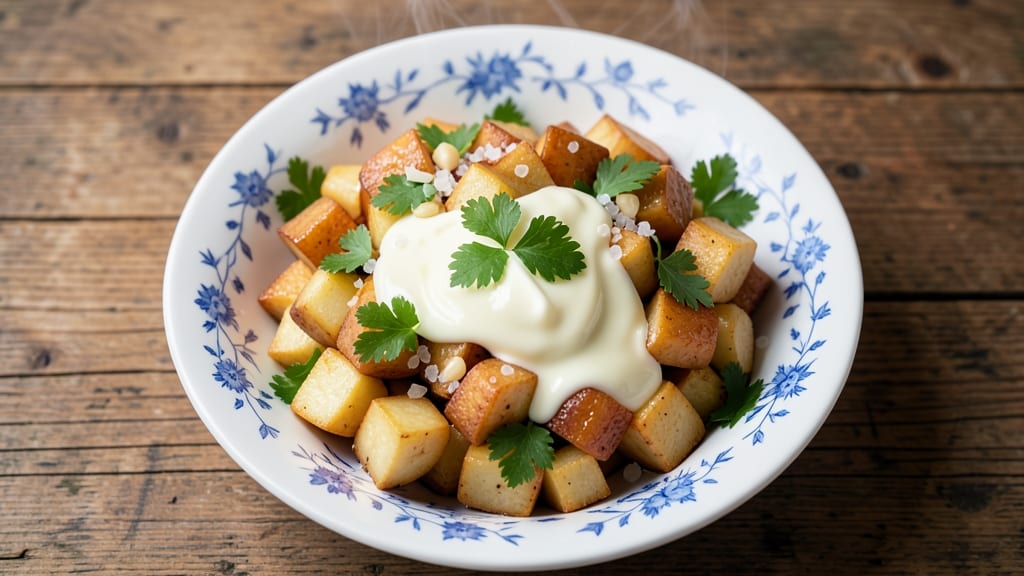
Boiled potatoes with vinegar transform a simple side dish into something vibrant and restaurant-worthy with just a few key steps. The bright tang of vinegar not only enhances flavor but also preserves that perfect fluffy texture we all love.
I discovered this technique while searching for ways to elevate basic boiled potatoes, and the difference is night and day.
This method relies on precise timing and a simple vinegar dressing that keeps the potatoes tender yet bright. You’ll need just five basic ingredients—potatoes, vinegar, salt, butter, and herbs—and about 20 minutes of active time.
The vinegar works its magic by preventing the potatoes from absorbing too much water, ensuring they stay fluffy while adding a refreshing tang.
What you’ll end up with is a dish that’s crisp at the edges, fluffy inside, and bursting with flavor—no soggy, bland potatoes here. The vinegar dressing adds a zesty kick that pairs beautifully with grilled meats, roasted vegetables, or even on its own as a light lunch.
It’s the kind of side dish that makes every meal feel special.
Ready to try it? The recipe is simple, foolproof, and delivers results that taste like they came from a professional kitchen. Here’s how to make them perfectly every time.
Ingredients for boiled potatoes with vinegar
Five simple ingredients transform ordinary boiled potatoes into something restaurant-worthy with that perfect tangy crunch.
| Ingredient | Amount | Notes |
|---|---|---|
| Russet Potatoes 🥔 | 2 lb | Medium size, peeled and quartered |
| White Vinegar 🍶 | ¼ cup | Distilled for best results |
| Unsalted Butter 🧈 | ½ cup | Cold, cubed for topping |
| Salt 🧂 | 1 ½ tsp | Kosher or sea salt |
| Fresh Parsley 🌿 | ¼ cup | Chopped, for garnish |
| Garlic Cloves 🧄 | 2 cloves | Minced, optional for depth |
| Black Pepper 🌶️ | ½ tsp | Freshly ground for finish |
| Lemon Juice 🍋 | 1 tbsp | Freshly squeezed for brightness |
Russet potatoes are your best bet here—they stay fluffy and absorb flavors beautifully. Skip the waxy potatoes like Yukon Golds unless you want denser texture. For the vinegar, distilled white vinegar is my go-to (it’s cheaper and works better than apple cider vinegar for this). I always grab the bulk bins at Whole Foods for the parsley—it’s fresher and cheaper than those sad little clumps at the grocery store. The garlic? Freshly minced makes a world of difference, but jarred works in a pinch if you're really in a rush. Just don't skip it entirely—it ties everything together.
No white vinegar? Apple cider or red wine vinegar will work, but the flavor profile shifts slightly. Fresh parsley wilting? Dried parsley at half the amount is fine, but it won't have that same bright pop. The butter is non-negotiable for that silky finish—full-fat is key—but if you're watching calories, olive oil works in a pinch. Want extra zing? Add a pinch of smoked paprika or a dash of hot sauce to the vinegar dressing. And if you're serving this to kids, skip the lemon juice—it can be too sharp for some little palates.
These potatoes reheat surprisingly well—just pop them in a 350°F oven for 10 minutes with a splash of water and butter. Store leftovers in the fridge for 3-4 days (they get drier after that), or freeze them for up to 2 months. I always make a double batch because they disappear fast—great for lunches or next-day dinners. The secret to keeping them fluffy? Don't overcrowd the pot and use plenty of cold water. Trust me, it makes all the difference.
Why You'll Love This Recipe
- No-Peel Hassle: I swear by Russets for this—just scrub, quarter, and boil. No peeling, no fuss, and those skins add texture I can’t get any other way.
- Tangy Magic: That splash of white vinegar? It’s the secret. Brightens the butter and salt so every bite feels fresh, like a crisp bite of summer after a rich meal.
- Lunchbox Hero: Cold or at room temp, these hold up perfectly. Toss them in a container with a sprinkle of parsley, and you’ve got a school lunch or office snack that’ll actually get eaten.
- Pantry Staple: Butter, vinegar, potatoes—you’re already stocked. Costs pennies per serving, and the leftovers? Just reheat with a pat of butter and a pinch of salt. Zero waste, all flavor.
Step-by-step instructions for boiled potatoes with vinegar
Here's how to make perfectly fluffy potatoes with a bright vinegar tang that keeps them tender and delicious.
Prepare the Potatoes for Cooking
Start by peeling the 2 lb russet potatoes and cutting them into even 1-inch chunks. I like to keep them roughly the same size so they cook at the same rate. Place the potato pieces in a large bowl and cover them with cold water. Add the 1.5 teaspoons salt and 0.25 cup white vinegar to the water. This vinegar bath prevents the potatoes from turning gray and keeps them bright and flavorful.
Let the potatoes soak for 15-20 minutes while you prepare the rest. This step also helps draw out any excess starch, which makes the potatoes even fluffier when cooked. After soaking, drain the potatoes in a colander and rinse them under cold water to remove any surface starch. This ensures they'll cook up light and airy instead of gummy.
Boil the Potatoes Until Fork-Tender
Fill a large pot with enough cold water to completely submerge the potatoes. Add the drained potatoes to the pot and bring the water to a rolling boil over high heat. Once boiling, reduce the heat to medium-high and let the potatoes simmer gently. They should cook for 12-15 minutes until they're fork-tender but still hold their shape.
To test for doneness, pierce a potato chunk with a fork or knife. If it slides in easily with just a little resistance, they're ready. If they're still firm, give them another 2-3 minutes of cooking time. Avoid overcooking, as this can turn the potatoes mushy. Drain the potatoes in a colander and let them sit for 1 minute to steam-dry slightly before moving to the next step.
Add Flavor and Finish with Butter and Herbs
While the potatoes are still warm, transfer them to a large bowl. Add the 0.5 cup cold unsalted butter, 2 minced garlic cloves (if using), and 0.5 teaspoon black pepper. Gently toss everything together until the butter is evenly distributed and melted into the potatoes. The residual heat from the potatoes will melt the butter, creating a rich, creamy coating.
Next, stir in the 0.25 cup chopped fresh parsley and 1 tablespoon lemon juice. This brightens the dish with a fresh, tangy finish. The parsley adds a pop of color and freshness, while the lemon juice cuts through the richness of the butter. Taste and adjust seasoning if needed—you might want to add a pinch more salt or pepper to balance the flavors.
Rest and Serve for Perfect Texture
Let the potatoes rest for 5 minutes after tossing with the butter and herbs. This allows the flavors to meld together and ensures the butter is fully absorbed. If you serve them immediately, the butter might pool at the bottom of your plate, but resting gives it time to distribute evenly.
Serve the potatoes warm, straight from the bowl or transferred to a serving platter. The vinegar bath keeps them bright and flavorful, while the butter and herbs add richness and depth. These potatoes pair perfectly with grilled meats, roasted vegetables, or even a simple salad. The secret to their fluffy texture lies in the vinegar soak and proper cooking time—don't rush it!
Pro Tips For Making Boiled Potatoes With Vinegar
- CUT UNIFORMLY, BOIL FASTER: Russets cook unevenly if you’re lazy with the knife—aim for 1.5-inch chunks, not random lumps. I used to eyeball it and ended up with some potatoes mushy and others rock-hard; now I measure my cuts with a ruler. Save yourself 10 minutes of stirring and checking.
- SALT THE WATER LIKE THE SEA: Toss in 2 tablespoons of salt before the potatoes go in—this isn’t a suggestion, it’s non-negotiable. I learned this the hard way when my vinegar potatoes tasted bland because I salted after boiling. Think ocean water: salty enough that a drop stings your lip.
- ACID FIRST, THEN BUTTER: Pour the vinegar into the hot water before adding the potatoes, then let them soak for 2 minutes. Drain, then toss with butter—this keeps the potatoes from absorbing too much acid and turning limp. (Yes, even if you’re impatient like me, resist the urge to skip this step.)
- REST UNDER FOIL, NOT TOWELS: Drain the potatoes, spread them on a baking sheet, and tent with foil for 5 minutes. Towels steal steam and leave you with sad, gummy potatoes. This keeps them hot, fluffy, and ready to melt butter into every crevice—no one wants a dry potato, even with vinegar.
Storing and reheating this boiled potatoes with vinegar
Fridge Storage
Store your vinegar-kissed potatoes in an airtight container with a paper towel pressed on top to absorb excess moisture. They’ll keep in the fridge for 3-4 days, but I’ve found they taste best within the first 2 days—the vinegar’s brightness fades slightly over time.
For extra freshness, add a dash of vinegar to the container before sealing. 🌱
Freezer-Friendly
Freeze cooked potatoes in a single layer on a baking sheet first (this prevents clumping), then transfer to a freezer bag with 1 inch headspace. They’ll last 2 months—just thaw overnight in the fridge before reheating.
Pro tip: Toss them with 1 tablespoon olive oil before freezing to maintain moisture. 🧊
Reheating Like a Pro
For oven reheating, spread potatoes on a baking sheet at 350°F for 10-12 minutes with a splash of water and 1 tablespoon butter. The vinegar dressing will revive beautifully.
For microwave reheating, cover with a damp paper towel and heat in 1-minute bursts until reaching 165°F. Add a pinch of salt to perk them up. ⚡
Reviving Dried Potatoes
If your stored potatoes turn out dry, don’t toss them! Toss with 2 tablespoons warm milk or broth and 1 tablespoon butter, then cover and steam in the microwave for 2 minutes. The vinegar’s tang will still shine through. This trick works wonders for leftovers. 💡
Portioning for Meals
Divide potatoes into single-serving containers before storing—this makes reheating a breeze for lunches. I like to portion ½ cup per container and add a spritz of vinegar to keep them bright. Label with the date to track freshness. Perfect for meal prep! 📅
Vinegar’s Role in Storage
The vinegar in these potatoes isn’t just for flavor—it acts as a natural preservative, slowing moisture loss. That’s why they reheat better than plain boiled potatoes. For extra shelf life, add ½ teaspoon vinegar to the reheating water or butter. It’s a game-changer for texture! 💪
Nutrition facts
Frequently asked questions
Why does vinegar make boiled potatoes taste better?
The vinegar bath prevents potatoes from turning gray by inhibiting enzyme activity that causes browning. It also adds a bright, tangy contrast to the buttery richness, balancing flavors perfectly. Plus, the acidity helps maintain their fluffy texture by breaking down excess starch.
Can I use apple cider vinegar instead of white vinegar?
Yes, but the flavor will be slightly sweeter and more complex. White vinegar is ideal for this recipe because it's neutral and enhances the potatoes' natural taste. If using apple cider vinegar, reduce the amount to 2 tablespoons instead of ¼ cup to avoid overpowering the dish.
What's the best way to keep boiled potatoes from turning mushy?
Use cold water (not hot) and keep the pot at a gentle simmer, not a rolling boil. Cut potatoes into even 1-inch chunks and avoid overcrowding the pot. The vinegar soak before boiling also helps remove excess starch, which prevents mushiness. Drain immediately after cooking and let them steam-dry for 1 minute.
How do I make these potatoes ahead of time for a meal?
Cook and cool the potatoes completely, then store in an airtight container with a paper towel to absorb moisture. Reheat in the oven at 350°F for 10 minutes with a splash of water and 1 tablespoon butter. For extra brightness, add ½ teaspoon vinegar to the reheating butter. They'll taste almost as good as fresh!
What are the best potatoes to use for this recipe?
Russet potatoes are ideal because they're low in moisture and high in starch, creating that perfect fluffy texture. Avoid waxy potatoes like Yukon Golds or red potatoes—they stay denser and don't absorb the vinegar dressing as well. For extra crispiness, try fingerling potatoes cut into 1-inch pieces.