
Side Dishes
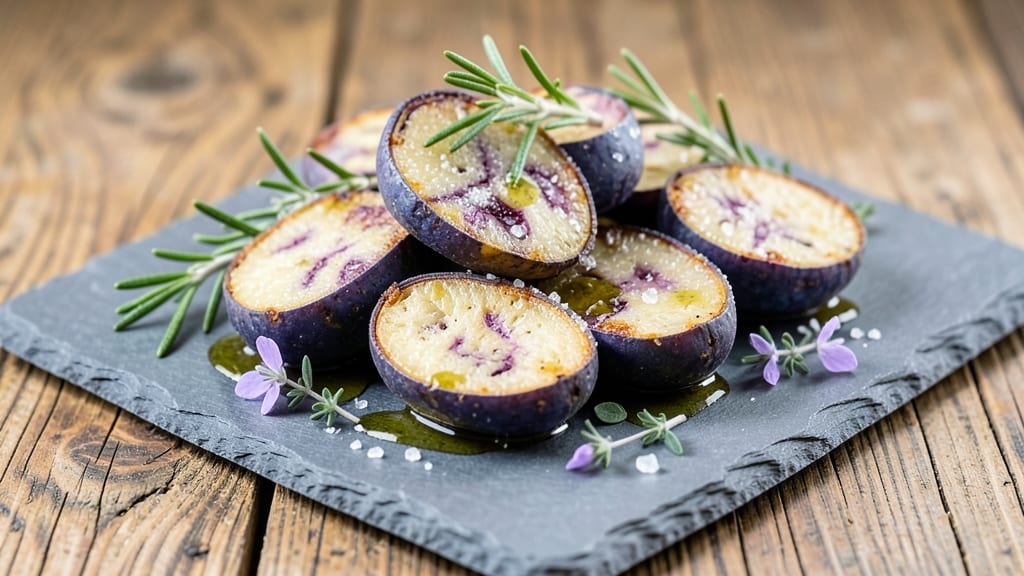
This vinegar-infused roast with crispy edges transforms humble blue potatoes into a showstopping side dish that pairs beautifully with everything from grilled chicken to roasted salmon.
The secret lies in a simple yet effective technique: tossing the potatoes in apple cider vinegar before roasting, which enhances their natural sweetness while creating that coveted crispy texture we all crave.
I developed this method after years of experimenting with different seasonings and cooking techniques to achieve the perfect balance of flavor and texture.
What sets this recipe apart is its foolproof method that delivers restaurant-quality results without requiring special equipment or ingredients. You'll need just a few simple components—blue potatoes, olive oil, apple cider vinegar, salt, and your choice of herbs or spices—to create a dish that's both elegant and approachable.
The vinegar infusion not only adds depth to the flavor but also helps to caramelize the edges for that satisfying crunch.
By the time these potatoes emerge from the oven, they'll be golden brown and crispy on the outside, with tender, flaky interiors that practically melt in your mouth.
The vinegar-infused glaze adds a subtle tang that complements the earthy sweetness of the blue potatoes, creating a flavor profile that's both sophisticated and comforting.
This dish is perfect for elevating any meal, whether you're serving it alongside a hearty protein or using it as the star of a vegetarian spread.
Once you try this recipe, you'll never look at blue potatoes the same way again. The crispy edges and tender centers make them irresistible, and the vinegar infusion adds a unique twist that sets them apart from traditional roasted potatoes.
Ready to transform a simple side dish into something extraordinary? Let's get started with this crispy, flavorful roast that will have everyone asking for seconds.
Ingredients for blue potatoes
Eight simple ingredients transform blue potatoes into restaurant-quality crispy roasted perfection.
| Ingredient | Amount | Notes |
|---|---|---|
| Blue Potatoes 🥔 | 2 lbs | Medium-sized, halved lengthwise |
| Extra-Virgin Olive Oil 🫒 | ⅓ cup | High-quality, fruity variety |
| Apple Cider Vinegar 🍏 | ¼ cup | Unfiltered for best flavor |
| Diamond Crystal Kosher Salt 🧂 | 1 ½ tsp | Fine grain preferred |
| Fresh Rosemary 🌿 | 1 tbsp | Finely chopped, fresh preferred |
| Fresh Thyme 🌿 | 1 tbsp | Leaves only, finely chopped |
| Garlic Cloves 🧄 | 3 cloves | Minced, for extra depth |
| Black Peppercorns 🌶️ | ½ tsp | Freshly cracked |
| Honey 🍯 | 1 tbsp | Light variety for balance |
| Smoked Paprika 🌶️ | ½ tsp | For subtle smokiness |
| Fresh Parsley 🌿 | 2 tbsp | Chopped, for garnish |
The blue potatoes are the star here, so grab the smaller, vibrant ones—they're sweeter and hold their shape better. Whole Foods or local farmers markets usually have the best selection, but any grocery store's organic section will work. Look for potatoes with firm skin and no green spots—those indicate exposure to light, which can make them bitter. Halve them lengthwise before roasting to ensure even cooking and maximum crispiness. I always buy extra because these disappear fast—they're that good.
No apple cider vinegar? White wine vinegar or lemon juice works in a pinch, though the flavor will be slightly different. Fresh herbs? Dried rosemary and thyme at one-third the amount will suffice, but fresh is always better. The honey adds a touch of sweetness that balances the tang—substitute maple syrup if you're avoiding refined sugar. For extra smokiness, swap smoked paprika for regular paprika plus a pinch of liquid smoke. The olive oil should be extra-virgin—cheap oil won't caramelize properly, and that's where the magic happens.
These potatoes reheat beautifully—just 10 minutes at 375°F to restore crispiness. Store leftovers in an airtight container for 4-5 days, though they're best fresh. For meal prep, roast a double batch—they taste even better the next day as flavors meld. I always make extra because they disappear fast, and freeze perfectly for up to 3 months if you're planning ahead. The vinegar glaze keeps them moist, so no soggy potatoes here.
Why You'll Love This Recipe
- Here’s what sold me: these potatoes keep their texture for days. I make a big batch on Sunday, store them in the fridge, and reheat in minutes—whether it’s for a quick lunch or a picnic spread. (Yes, even on a Tuesday night.)
- One-Pan Magic: I swear by this for nights when I’m too tired to wash another dish. Toss those blue potatoes in olive oil, vinegar, and rosemary, then roast—no flipping, no fuss. The vinegar caramelizes into a sticky glaze that’s ridiculously easy to scoop straight off the sheet pan.
- Earthy Crunch Perfection: Between us, the deep blue skins crackle into something addictive—like a crispy potato chip but way more sophisticated. Fresh rosemary and apple cider vinegar cut through the richness, giving it a bright, herby punch that’s exactly what you need after a heavy meal.
- Meal Prep MVP: Here’s what sold me: these potatoes keep their texture for days. I make a big batch on Sunday, store them in the fridge, and reheat in minutes—whether it’s for a quick lunch or a picnic spread. (Yes, even on a Tuesday night.)
Step-by-step instructions for vinegar-infused roasted blue potatoes
Here's how to transform humble blue potatoes into a showstopper with crispy edges and vibrant color.
Prep and Halve the Blue Potatoes
Start by washing the 2 lbs of blue potatoes thoroughly under cold water to remove any dirt from their thin skins. Using a chef's knife, carefully halve each potato lengthwise—this ensures even cooking and maximizes surface area for crisping. Arrange the halves cut-side up on a large baking sheet lined with parchment paper, spacing them about ½ inch apart. The potatoes should fit in a single layer without crowding, which prevents steaming and guarantees crispy edges.
I like to leave the skins on for texture and color, but if you prefer, you can peel them first. Just be gentle—their delicate skins hold beautiful purple hues that deepen during roasting. Let the halved potatoes sit at room temperature for 15 minutes before roasting to ensure even cooking.
Create the Vinegar-Herb Marinade
In a small bowl, whisk together the 0.33 cup of extra-virgin olive oil, 0.25 cup of apple cider vinegar, 1.5 tsp of diamond crystal kosher salt, 1 tbsp of finely chopped fresh rosemary, 1 tbsp of fresh thyme leaves, 3 minced garlic cloves, 0.5 tsp of freshly cracked black peppercorns, 1 tbsp of honey, and 0.5 tsp of smoked paprika. The vinegar will create a bright, tangy base while the honey adds just enough sweetness to balance the acidity. This marinade not only flavors the potatoes but also helps develop that signature crispy texture through caramelization.
Pour the marinade over the halved potatoes, making sure each piece is generously coated. Use your hands to gently toss them, ensuring the marinade penetrates the crevices. Let them sit for 10 minutes while you preheat your oven to 425°F. This brief marinating time is perfect—longer would make the potatoes soggy.
Roast Until Crispy and Golden
Transfer the baking sheet to the preheated oven and roast the potatoes for 35-40 minutes, flipping them halfway through cooking at the 20-minute mark. You'll know they're ready when the edges are deeply golden brown and crispy to the touch, while the centers remain tender when pierced with a fork. The vinegar marinade will create a subtle sheen on the skins, intensifying their natural purple hues.
Here's the thing—don't walk away during the last 10 minutes. The potatoes go from perfectly cooked to overdone quickly at this temperature. Watch for the edges to develop a crispy lattice pattern, which is your visual cue that they're done. If they brown too quickly, tent them loosely with foil to prevent burning while they finish cooking.
Rest and Garnish for Maximum Flavor
Remove the potatoes from the oven and let them rest on the baking sheet for 5 minutes. This resting period allows the juices to redistribute, ensuring each bite is moist and flavorful. While they rest, transfer the baking sheet to a wire rack to cool slightly—this helps the crispy edges maintain their texture.
Garnish with the 2 tbsp of chopped fresh parsley just before serving. The parsley adds a fresh contrast to the rich, tangy flavors of the roasted potatoes. Serve immediately while still warm, as the crispy edges soften quickly once removed from the oven. These potatoes make an excellent side dish for grilled meats or a vegetarian centerpiece when paired with a simple green salad.
Pro Tips For Making Blue Potatoes
- Cut Them Evenly: Blue potatoes are stubborn—uneven slices mean uneven cooking. Grab a sharp knife and cut them into thick, consistent rounds (about ½-inch) so they crisp at the same rate. I learned this the hard way when one batch turned mushy while others stayed raw.
- Salt Before Roasting: Toss the potatoes with salt before hitting the oven—it penetrates deeper and crisps better. Use about 1 teaspoon of kosher salt per pound, and don’t skip the rosemary sprigs here too. (Yes, even if you’re impatient like me.)
- High Heat First: Start them on 450°F (230°C) for the first 10 minutes—this gets them blistering and golden fast. After that, drop to 400°F (200°C) to finish without burning. I used to rush this and ended up with sad, pale potatoes every time.
- Vinegar Last: Add the apple cider vinegar after roasting while they’re still hot—it brightens the flavor without making them soggy. A splash (2-3 tablespoons) ties everything together. (Your future self will thank you.)
Pro cooking tips for this dish
Vinegar Magic
The apple cider vinegar does more than just add flavor—it creates the perfect balance of tang and sweetness while promoting caramelization for those coveted crispy edges. I always use unfiltered vinegar because it contains the "mother," which adds subtle complexity.
For even better results, let the vinegar sit with the potatoes for 10 minutes before roasting—this gives time for the acid to break down the potato's cell walls slightly, creating a tender interior. 💫
Temperature Control
Roasting at 425°F is crucial—this high temperature ensures crispy edges while keeping the centers tender. I use an oven thermometer to verify accuracy, as home ovens can vary by 25°F or more. If your oven runs hot, reduce the temperature to 400°F and add 5-10 minutes to the cooking time.
The key is watching for that golden-brown lattice pattern on the edges, which signals perfect doneness.
Flipping Technique
Flipping the potatoes halfway through cooking is essential for even browning. I use a fish spatula to gently turn them at the 20-minute mark, ensuring the cut sides develop crispy edges.
If you're short on time, you can flip them once at 15 minutes and again at 30 minutes for extra crispiness. Just be careful—they're hot and the skins are delicate! 🔥
Resting Matters
Never skip the 5-minute rest after roasting—this allows the internal juices to redistribute, preventing dryness. I place the baking sheet on a wire rack to promote airflow, which helps maintain the crispy texture.
If you're serving a crowd, keep the potatoes warm in a 200°F oven for up to 30 minutes while you finish other dishes. The crispy edges will soften slightly, but the flavor remains intact.
Equipment Upgrades
For restaurant-quality results, invest in a half-sheet baking pan (like the Chicago Metallic line) for even heat distribution. A wire cooling rack (I use the OXO Good Grips model) elevates the potatoes for better airflow, keeping those edges crisp.
If you're short on space, use two standard baking sheets and rotate them halfway through cooking for consistent results.
Make-Ahead Hack
Roast a double batch and store leftovers in an airtight container for up to 5 days. To reheat, spread them on a baking sheet and warm at 375°F for 10-12 minutes—this restores crispiness without drying them out.
For meal prep, roast the potatoes 1 day ahead and store at room temperature. The flavors deepen overnight, making them even more delicious. 💡
Nutrition facts
Frequently asked questions
Why do these blue potatoes turn purple when roasted?
Blue potatoes contain natural pigments called anthocyanins, which deepen in color when exposed to heat and acid (like apple cider vinegar). The roasting process intensifies their vibrant purple hues while creating crispy edges. This color change is completely natural and indicates the potatoes are cooking properly.
Can I substitute white potatoes for blue potatoes in this recipe?
While you can use white potatoes as a substitute, they won't have the same visual appeal or subtle sweetness. Blue potatoes hold their shape better and develop a more complex flavor profile. If you must substitute, reduce the roasting time by 5 minutes since white potatoes cook faster. The vinegar marinade will still work, but the texture and color won't be identical.
How do I prevent the potatoes from becoming soggy?
Soggy potatoes happen when steam builds up between pieces. Always space them ½ inch apart on the baking sheet and avoid overcrowding. Flipping them halfway through cooking at 20 minutes ensures even browning, and letting them rest 5 minutes after roasting helps redistribute juices. For extra crispiness, pat them dry with a paper towel before tossing with the marinade.
What are the best ways to serve these roasted blue potatoes?
These potatoes pair beautifully with grilled or roasted proteins like chicken, salmon, or steak. For a vegetarian meal, serve them alongside a fresh green salad or as a side to blackened tofu. The vinegar-infused flavor also makes them perfect for topping burgers or adding to grain bowls. Garnish with extra parsley or a sprinkle of flaky salt for presentation.
Can I make this recipe ahead of time?
Roast a double batch and store leftovers in an airtight container for up to 5 days at room temperature. To reheat, spread them on a baking sheet and warm at 375°F for 10-12 minutes to restore crispiness. For meal prep, roast them 1 day ahead—the flavors actually deepen overnight, making them even more delicious.