
Side Dishes
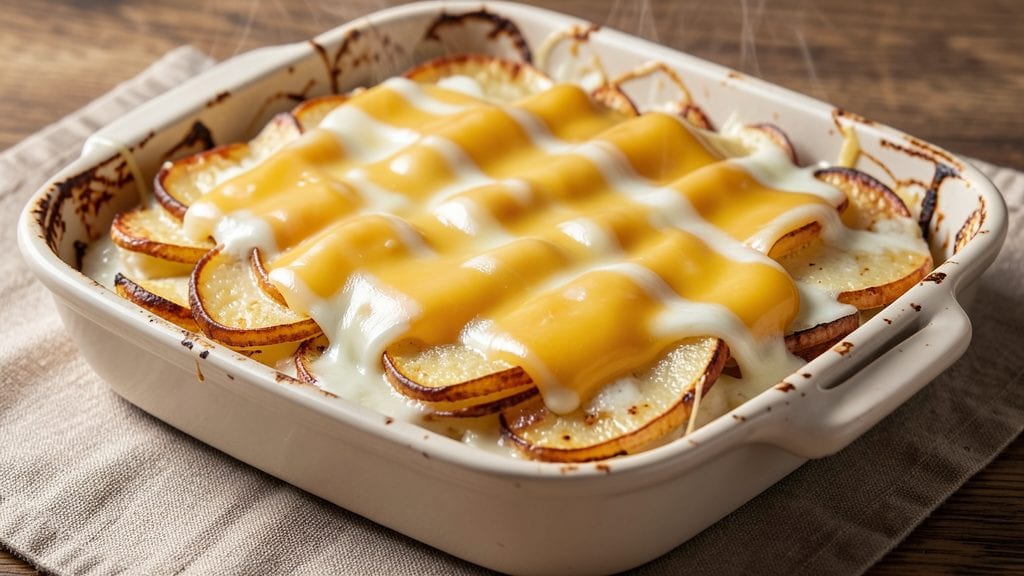
Betty Crocker's au gratin potatoes recipe delivers the comforting, cheesy perfection we all crave—crispy golden crust, creamy pull-apart layers, and that unmistakable rich flavor that makes every bite worth it.
Growing up in a Boston triple-decker, I learned that au gratin isn’t just a side; it’s the heart of a meal, the kind of dish that transforms simple potatoes into something extraordinary.
The secret lies in the roux-based béchamel, which creates that signature velvety texture while the top browns to a crackling finish.
This recipe balances tradition with modern convenience—whether you use freshly sliced russet potatoes or pre-cooked ones, the result is the same restaurant-quality dish that pairs beautifully with roasted meats or stands alone as a satisfying main.
The layering technique ensures every forkful delivers that perfect mix of crispy, creamy, and cheesy goodness, while a sprinkle of breadcrumbs on top guarantees that irresistible golden crust. It’s the kind of dish that feels like a hug in food form.
What makes this version special is the attention to detail: thin, even slices for even cooking, a properly thickened sauce that doesn’t separate, and baking until the edges are deep golden brown—not just pale yellow.
The aroma alone will have everyone gathering at the table, and the first bite will have them asking for seconds. This is comfort food at its finest, a dish that brings people together and tastes even better the next day.
Serve it with a drizzle of gravy, a side of green beans, or even as the star of a casual dinner. The possibilities are endless, but one thing’s certain: once you try this foolproof method, you’ll never go back to store-bought au gratin again.
Let’s get started on creating your own golden, cheesy masterpiece.
Ingredients for betty crocker au gratin potatoes
Golden crust, cheesy pull-apart magic starts with these 13 simple ingredients.
| Ingredient | Amount | Notes |
|---|---|---|
| Russet Potatoes 🥔 | 3 lb | Thinly sliced, peeled preferred |
| Heavy Cream 🥛 | 2 cups | Full-fat for creaminess |
| Whole Milk 🥛 | ½ cup | For sauce consistency |
| Butter 🧈 | ½ cup | Unsalted, cubed for roux |
| All-Purpose Flour 🌾 | ¼ cup | For thickening béchamel |
| Sharp Cheddar Cheese 🧀 | 2 cups | Shredded, block preferred |
| Gruyère Cheese 🧀 | 1 ½ cups | Shredded, nutty flavor |
| Garlic Cloves 🧄 | 4 cloves | Minced for depth of flavor |
| Salt 🧂 | 1 ½ tsp | Kosher or sea salt |
| Ground Black Pepper 🌶️ | ½ tsp | Freshly ground preferred |
| Nutmeg 🌿 | ¼ tsp | Freshly grated for warmth |
| Dried Breadcrumbs 🍞 | ½ cup | Panko for extra crispiness |
| Parmesan Cheese 🧀 | ¼ cup | Freshly grated for topping |
The potatoes are everything here. Russets are the gold standard—they’re starchy enough to hold their shape while soaking up all that creamy goodness. Whole Foods or your local grocery store usually have them in the produce section, but skip the pre-sliced bags (they turn to mush). If you’re feeling fancy, Costco sells them in bulk for a steal. Peeled or not? Doesn’t matter—just make sure they’re sliced ¼-inch thick so they cook evenly. The cheese is where the magic happens: sharp cheddar for tang, Gruyère for nutty depth, and a sprinkle of Parm on top for that restaurant-quality finish. Grab the block and grate it yourself—pre-shredded has anti-caking agents that make it gummy.
No heavy cream? Half-and-half plus a splash of whole milk works in a pinch, but trust me, the full-fat version is worth it here. Short on Gruyère? Swiss or Emmental add a nice melt. The nutmeg might sound fancy, but it’s non-negotiable—it’s what gives classic au gratin its signature warmth. No fresh? Ground nutmeg at half the amount is fine, but it’s not the same. The breadcrumbs are for that golden crust, so don’t skimp. Panko gives extra crunch, but regular dry breadcrumbs work too. And if you’re prepping ahead, toast your breadcrumbs first so they don’t turn soggy while you’re baking.
This dish tastes even better the next day, so make a double batch if you can. Store leftovers covered in the fridge for 4-5 days, or freeze portions for up to 3 months. To reheat, cover with foil and warm at 350°F for 20 minutes—the crust might not be as crispy, but the cheesy layers will still be perfect. Pro tip: Butter the baking dish before adding the potatoes so they don’t stick. And if you’re feeling extra, sprinkle a little extra Parm on top right before baking for that showstopping finish.
Why You'll Love This Recipe
- One-Pan Magic: I swear by this for lazy nights—just peel, slice, layer, and bake. No chopping boards to clean, no extra pots to wash, just golden perfection with zero fuss. The flour-butter roux thickens the cream while you’re still peeling the last potato.
- Creamy Crisp Contrast: That golden crust on top? Chef’s kiss. The roux made from butter and flour gives it a rich, velvety bite, while the Russets stay fluffy inside. Honestly, the first time I tasted it, I immediately texted my mom to brag.
- Game for Any Meal: Serve it as a side for Sunday roast, a hearty lunch with a simple salad, or even a late-night snack when you’re craving something indulgent. I’ve brought it to potlucks, holiday dinners, and even packed leftovers for work—it’s that reliable.
- Budget-Friendly Luxury: Russets are cheap, heavy cream stretches far, and butter makes it feel special without breaking the bank. Between us, this is the kind of dish that makes plain potatoes feel like a splurge—without the price tag. And the leftovers? Even better reheated the next day.
Step-by-step instructions for Betty Crocker's au gratin potatoes recipe
Here's how to make that perfect golden crust and cheesy pull-apart magic everyone loves.
Prep the Potatoes for Maximum Flavor
Peel the 3 lb russet potatoes and slice them paper-thin using a mandoline or sharp knife. I like to keep them in cold water while I work to prevent browning. For even cooking, aim for slices about ⅛-inch thick—this ensures every bite gets tender without turning mushy.
Drain the sliced potatoes and pat them completely dry with paper towels. This step is crucial because any moisture will steam the potatoes instead of browning them nicely in the oven. Spread them on a clean towel and give them a good shake to remove any excess water droplets.
Build the Creamy Cheese Sauce
In a medium saucepan, melt the 0.5 cup butter over medium heat until it's completely liquid. Add the 0.25 cup all-purpose flour and whisk constantly for 1-2 minutes until you have a smooth, pale roux. This forms the base of our creamy sauce.
Slowly pour in the 2 cups heavy cream and 0.5 cup whole milk while whisking continuously. Bring the mixture to a gentle simmer, then reduce the heat to low. Stir in the 2 cups sharp cheddar cheese and 1.5 cups gruyère cheese, letting them melt completely into the sauce. Season with the 1.5 tsp salt, 0.5 tsp ground black pepper, and 0.25 tsp nutmeg, then remove from heat. The sauce should be thick and velvety—if it's too thin, we'll fix that in the next step.
Layer and Assemble the Perfect Gratin
Preheat your oven to 375°F. In a 9x13-inch baking dish, spread half of the sliced potatoes in an even layer. Pour about half of the cheese sauce over the potatoes, then sprinkle with half of the minced 4 cloves garlic. Repeat with another layer of potatoes, sauce, and remaining garlic. This layered approach ensures every bite has that perfect cheesy, creamy texture.
For the final touch, mix the 0.5 cup dried breadcrumbs with the 0.25 cup parmesan cheese. Sprinkle this mixture evenly over the top layer of potatoes. This creates that signature golden crust while adding extra texture. The breadcrumbs will toast beautifully while the cheese melts into a gooey blanket.
Bake Until Golden and Bubbly
Place the baking dish on the middle rack of your oven and bake for 45-55 minutes. You'll know it's ready when the top is golden brown and the edges are bubbling. The potatoes should be tender enough to pierce easily with a fork, but still hold their shape slightly.
For the final 5 minutes of baking, increase the oven temperature to 425°F. This broiling step creates that perfect crispy top layer while keeping the interior creamy. Watch it closely—you want golden brown, not burnt. Let it rest for 10 minutes before serving to allow the layers to set and the flavors to meld completely.
Serve with Confidence
Use a spatula to gently lift the gratin from the baking dish, keeping that beautiful golden crust intact. Serve immediately while still warm and bubbly. Each bite should offer that perfect combination of crispy top layer, creamy cheese sauce, and tender potatoes.
This dish tastes even better the next day, so if you have leftovers, store them covered in the refrigerator. Reheat covered in the oven at 350°F for 15-20 minutes until warmed through. The flavors will continue to develop as they sit, making every forkful even more delicious.
Pro Tips For Making Betty Crocker Au Gratin Potatoes
- SOAK SLICED POTATOES: DESCRIPTION: Toss those Russets in cold water for 10 minutes before slicing—it cuts down on starch, so your layers won’t turn gluey. I learned this the hard way after scraping starch off my fingers for the third time.
- MELT BUTTER LOW: DESCRIPTION: Warm the butter and flour mixture over medium-low heat until it’s just golden, not browned. Too hot, and you’ll burn the roux before it thickens properly—then you’re stuck with a gritty, floury mess instead of a creamy sauce.
- LAYER THINLY: DESCRIPTION: Aim for ¼-inch potato slices, not thick chunks. Thin layers cook evenly and let the cream soak in instead of steaming into a sad, watery pile. Yes, it takes longer to slice, but the result is worth it.
- COVER WITH FOIL: DESCRIPTION: Seal the baking dish with foil for the first 45 minutes to trap steam, then uncover to brown the top. Skipping this step means a soggy top and a dish that looks underdone—your future self will thank you for the extra effort.
Pro cooking tips for this recipe
Roux Perfection
The secret to a velvety au gratin sauce is a proper roux—don’t rush this step! Melt ½ cup butter over medium heat, then whisk in ¼ cup flour constantly for 2 full minutes until it turns a pale golden color.
This creates the foundation for your creamy sauce, preventing lumps and ensuring that rich, thick texture. I’ve ruined more sauces than I’ll admit by walking away during this step—trust me, stay vigilant! 🌡️
Layer Like a Pro
Even layering is everything—think of it like building a lasagna, but with potatoes. Use a 9x13-inch baking dish and spread half the potato slices in an even layer, then pour half the cheese sauce over them. Repeat, then finish with a breadcrumb-Parmesan topping.
This ensures every bite has that perfect mix of crispy, creamy, and cheesy goodness. Pro tip: Use a spatula to smooth out the layers so nothing burns while baking.
Baking Temperature Tricks
Start baking at 375°F for 45-55 minutes until the edges are bubbling and the top is golden. For that restaurant-quality crisp, crank the oven to 425°F for the final 5 minutes—this broiling step caramelizes the top while keeping the inside creamy.
Watch closely! I’ve had my fair share of over-browned tops, but the key is timing and a quick eye. A toothpick test works best: it should slide in easily with slight resistance.
Cheese Substitutions
No Gruyère? No problem! Swap it for Swiss or Emmental for a similar melt. For extra richness, add ½ cup sour cream to the sauce—it keeps the cheese from separating.
And if you’re feeling adventurous, try a splash of white wine (about 2 tbsp) when making the roux for a subtle depth of flavor. Just remember: sharp cheddar is non-negotiable for that classic tang. 🧀
Make-Ahead Magic
This dish tastes even better the next day, so prep ahead when possible. Assemble the gratin, cover tightly with foil, and refrigerate for up to 24 hours before baking.
For leftovers, reheat covered at 350°F for 15-20 minutes—the crust won’t be as crispy, but the cheesy layers will still be perfect. I often make a double batch because it’s impossible to resist seconds (or thirds!).
Equipment Must-Haves
Invest in a mandoline for perfectly thin potato slices—it’s a game-changer! A 9x13-inch baking dish is ideal, but any oven-safe dish works. For extra crispiness, toast your breadcrumbs in a dry pan for 2-3 minutes before sprinkling them on top.
And always butter your baking dish first—it prevents sticking and makes serving easier. Trust me, these small steps make all the difference! 💡
Nutrition facts
Frequently asked questions
Can I use sweet potatoes instead of russets?
While you can substitute sweet potatoes, they'll change the texture and flavor profile significantly. Sweet potatoes are naturally sweeter and more moist, which can make the final dish less creamy. If you must use them, reduce the baking time by about 10-15 minutes and consider adding an extra ¼ cup of breadcrumbs to absorb excess moisture. For the classic Betty Crocker experience, stick with russets.
Why did my au gratin turn out watery?
Watery au gratin usually means the sauce wasn't thickened enough or the potatoes weren't drained properly. First, ensure you cooked your roux for the full 2 minutes until it's pale golden. Second, pat those potato slices very dry before layering. If it's still too thin, remove the dish from the oven, sprinkle 2 tablespoons of breadcrumbs on top, and bake for an extra 5-10 minutes to crisp up.
Can I make this dish ahead of time?
This is one of those dishes that tastes even better the next day. Assemble the entire gratin in your baking dish, cover tightly with foil, and refrigerate for up to 24 hours before baking. When ready to cook, remove the foil and bake as directed. For leftovers, reheat covered at 350°F for 15-20 minutes—the crust won't be as crispy, but the cheesy layers will still be perfect.
What's the best way to reheat au gratin potatoes?
For best results, cover your leftovers with foil and reheat in the oven at 350°F for 15-20 minutes. This gentle heat helps restore some of the creamy texture. If you're short on time, the microwave works in a pinch (just 1-2 minutes on medium-high), but the texture will be softer. Pro tip: Sprinkle a little extra cheese on top before reheating for that restaurant-quality finish.
Can I make this dish in a smaller baking dish?
Yes, but you'll need to adjust the baking time and temperature. For a 8x8-inch dish, bake at 375°F for 30-35 minutes, then broil for 3-5 minutes at the end. The key is to watch closely—smaller dishes bake faster and can burn more easily. For even cooking, consider using a 9x9-inch square dish instead, which gives you more surface area for browning while maintaining good depth for layers.