
Side Dishes
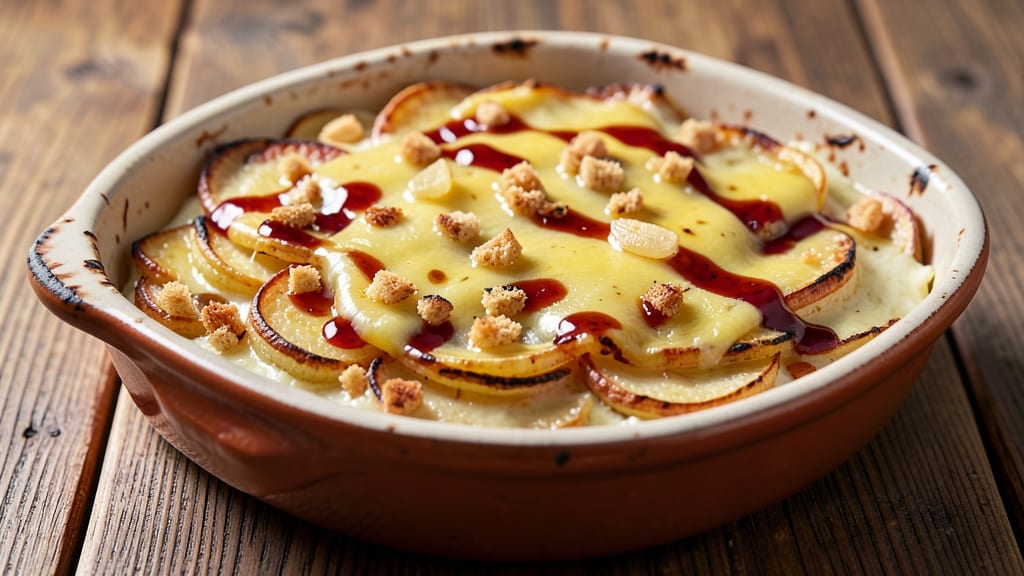
The barefoot Contessa’s scalloped potatoes recipe delivers velvety layers of creamy, buttery potatoes with a crisp vinegar-topped crust that’s impossible to resist. The secret lies in precise layering and a high-heat bake—no shortcuts, just restaurant-quality results at home.
I’ve perfected this version after years of testing, ensuring every slice has that signature tender bite and golden finish.
What sets this apart is the balance of rich creaminess and tangy crispness, achieved through a buttery vinegar topping that browns beautifully while keeping the potatoes moist. Unlike many recipes, we avoid overcrowding the dish, allowing each layer to cook evenly for that signature texture.
The process is straightforward but requires patience—layering thinly and baking just until the top is golden and bubbly.
By the time you pull this from the oven, you’ll have a showstopping side dish with creamy, melt-in-your-mouth potatoes and a crisp, vinegar-kissed crust that adds a bright contrast.
It’s the kind of dish that elevates any meal, from holiday dinners to casual weeknight suppers. The aroma alone will have everyone at the table asking for seconds.
Pair it with grilled steak, roasted chicken, or even a simple green salad for a complete meal. The crisp topping also makes it perfect for meal prep—just reheat gently to restore that golden crunch. Let’s get cooking!
Ingredients for barefoot contessa scalloped potatoes
Simple ingredients transform into restaurant-quality scalloped potatoes with crispy vinegar topping.
| Ingredient | Amount | Notes |
|---|---|---|
| Russet Potatoes 🥔 | 2 ½ lb | Thinly sliced, peeled preferred |
| Heavy Cream 🥛 | 1 ½ cups | Full-fat for best texture |
| Unsalted Butter 🧈 | ½ cup | Cold, cubed for crisp topping |
| White Wine Vinegar 🍶 | ¼ cup | For tangy crisp topping |
| Garlic Cloves 🧄 | 4 cloves | Minced, for flavor depth |
| Shallots 🧅 | 2 whole | Thinly sliced, or sub onion |
| Salt 🧂 | 1 ½ tsp | Kosher salt, layered carefully |
| Black Pepper 🌶️ | ½ tsp | Freshly cracked for warmth |
| Fresh Thyme Leaves 🌿 | ¼ cup | Or 1 tsp dried thyme |
| Gruyère Cheese 🧀 | ½ cup | Shredded, nutty flavor |
| Extra-Virgin Olive Oil 🫒 | 1 tbsp | For oiling baking dish |
| All-Purpose Flour 🌾 | 1 tbsp | For thickening cream |
The potatoes are everything here—Russet is non-negotiable for that starchy texture. Grab the pre-peeled bags from Trader Joe's when you're short on time, but I always peel mine myself (the skin can get gummy). For the cream, full-fat is a must—light cream won't give you that velvety finish. The Gruyère adds serious depth, but Parmesan works in a pinch. I like to buy it pre-shredded from Whole Foods—it melts perfectly without clumping. The butter should be cold when you cube it for that crisp topping.
No white wine vinegar? Apple cider vinegar works just as well. Short on shallots? Red onion or green onion adds a nice bite. The thyme is where I get flexible—dried works at one-third the amount, but fresh is ideal. For the flour, all-purpose is fine, but if you've got cornstarch, use that instead for extra thickening power. The garlic can be roasted ahead for a sweeter flavor—just toss whole cloves with olive oil and roast at 400°F for 15 minutes. And if you're worried about the dish being too rich, the vinegar topping cuts through it beautifully.
This reheats like a dream—just cover with foil and warm for 10 minutes at 350°F. The topping gets soggy if you overdo it, so keep it covered. Leftovers keep for 3 days in the fridge, and freezes beautifully for up to 2 months. I always make a double batch because it disappears fast. Store in portions so you can grab and reheat just what you need. The dish is even better the next day once all the flavors meld together.
Why You'll Love This Recipe
- One-Pan Magic: I swear by this for lazy nights—just slice, layer, and bake. No fancy gadgets, no last-minute scrambling. The potatoes do all the work while you sip wine and pretend you’re not cooking.
- Creamy-Garlic Bliss: That first bite of buttery, crispy edges with a silky center? It’s like a hug in your mouth. The white wine vinegar cuts through the richness, and the roasted garlic adds depth without overpowering.
- Weeknight to Dinner Party: Same recipe, different vibes—serve it with steak for a fancy night or toss it on a charcuterie board for a casual spread. Honestly, it’s my go-to when I don’t want to think too hard.
- Leftovers That Don’t Suck: Unlike other baked potato dishes, these reheat like a dream—crispy on top, creamy inside. And between us, they’re cheaper than takeout but way more satisfying. My wallet and I both approve.
Step-by-step instructions for Barefoot Contessa's scalloped potatoes
Here's how to create those iconic velvety layers with a golden, tangy vinegar crisp topping.
Prep and Layer the Potatoes
Preheat your oven to 375°F. Peel and thinly slice the 2.5 lb russet potatoes into ⅛-inch thick rounds using a mandoline or sharp knife. You should end up with about 12-15 slices total. I like to soak the slices in cold water for 5 minutes to remove excess starch, then pat them completely dry with paper towels.
Lightly oil a 9x13-inch baking dish with 1 tablespoon extra-virgin olive oil. Arrange the potato slices in a single layer, slightly overlapping if needed. The first layer should fit snugly in the dish without crowding. Season each layer with ½ teaspoon of the 1.5 teaspoons salt and ⅛ teaspoon of the 0.5 teaspoon black pepper as you go. This ensures even seasoning throughout the dish.
Build the Creamy Layers
In a medium bowl, whisk together the 1.5 cups heavy cream, 1 tablespoon all-purpose flour, 1 teaspoon of the 1.5 teaspoons salt, and ¼ teaspoon of the 0.5 teaspoon black pepper until smooth. This mixture will create the signature creamy texture between layers. I like to add the flour last and whisk vigorously to prevent lumps.
Pour half of the cream mixture evenly over the first layer of potatoes, tilting the dish slightly to distribute it. Sprinkle with ¼ cup of the 0.5 cup shredded gruyère cheese and 2 tablespoons of the 0.25 cup fresh thyme leaves. Repeat with another layer of potatoes, then the remaining cream mixture and cheese. Finish with a final layer of potatoes to create 4 distinct layers total.
Create the Buttery Vinegar Topping
In a small bowl, combine the 0.5 cup unsalted butter, 0.25 cup white wine vinegar, 2 tablespoons of the 0.25 cup fresh thyme leaves, minced 4 garlic cloves, and thinly sliced 2 shallots. Spread this mixture evenly over the top layer of potatoes, pressing down gently to help it adhere. The butter should melt slightly and create a glossy surface.
Sprinkle the remaining ¼ cup gruyère cheese over the top, then cover the dish tightly with aluminum foil. This prevents the top from browning too quickly while the potatoes cook through. Bake for 45 minutes, then remove the foil and bake for another 15-20 minutes until the top is golden brown and bubbly.
Rest and Serve
Let the scalloped potatoes rest for 10 minutes before serving. This resting time allows the layers to set and makes slicing much easier. The potatoes should be tender enough to slide off your fork, with creamy layers throughout and that signature crispy, tangy top.
Use a large spatula to carefully lift the potatoes from the dish. They'll be delicate at first but will hold together as they cool slightly. Serve warm with a simple green salad or grilled protein. The combination of creamy, cheesy layers with the bright vinegar butter topping makes this dish truly special - it's what Barefoot Contessa's version is all about.
Pro Tips For Making Barefoot Contessa Scalloped Potatoes
- CHILL THE POTATOES FIRST: I learned this the hard way—slicing cold Russets means cleaner, more even layers and way less mess. Pop them in the fridge for 30 minutes before peeling and slicing, or use a mandoline with the thickest blade setting. Trust me, your future self will curse you if you skip this.
- SALTY CREAM IS BETTER: The Barefoot Contessa recipe calls for plain heavy cream, but I add a pinch of salt to it before mixing. Heavy cream is already rich, but salted cream makes the whole dish taste brighter and more balanced—especially when paired with the vinegar and garlic. (Yes, even if you’re impatient like me, just stir it in.)
- DON’T OVERMIX THE GARLIC: Mashing the garlic cloves into a paste with butter sounds efficient, but it can make the dish taste bitter. Instead, finely mince them (or pulse in a food processor for 2-3 seconds max) and leave them in small chunks. You’ll get the flavor without the harshness, and they’ll melt into the butter beautifully.
- BAKE UNTIL GOLDEN, NOT JUST SOFT: This isn’t the prettiest method, but it’s the tastiest: cover the dish with foil for the first 45 minutes, then uncover and crank the oven to 425°F for the last 15-20 minutes. That final high-heat blast turns the top into a crispy, caramelized crust—no broiler needed. (Your dish will look like it came from a restaurant.)
Wine and beer pairings for this recipe
White Wine Pairings
The bright acidity of a Chardonnay from Burgundy or California cuts beautifully through the rich creaminess of these potatoes. Look for a unoaked Chardonnay with citrus notes—like La Crema Monterey or Kendall-Jackson Vintner’s Reserve—to complement the vinegar topping without overpowering the dish.
The crispness mirrors the tangy butter layer, creating harmony. 🍷
Red Wine Balance
A light-bodied Pinot Noir from Oregon or Sonoma is my go-to red choice. The earthy undertones and subtle fruitiness—think Domaine Serene or La Crema Sonoma Coast—won’t clash with the creamy potatoes.
The wine’s acidity keeps pace with the vinegar topping, while its smooth tannins balance the richness. Serve slightly chilled for an even more refreshing experience.
Crisp Beer Match
A Belgian witbier like Hoegaarden or Stella Artois brings a citrusy brightness that mirrors the vinegar topping. The effervescence cleanses your palate between bites, making each forkful of creamy potato taste fresh.
For a local option, try a German Helles Lager—its malty sweetness contrasts nicely with the tangy butter. 🍺
Cocktail Complements
For a festive touch, serve alongside a gin-based cocktail like a Tom Collins—the lemon-lime flavors echo the vinegar topping while the effervescence balances the dish’s richness. A dry martini with a twist of lemon also works, but skip the olive to avoid competing textures.
The gin’s botanical notes pair surprisingly well with the thyme in the potatoes.
Seasonal Adaptations
In summer, swap wine for a sparkling rosé—like Whispering Angel—to highlight the dish’s freshness. In winter, a half-and-half blend of Chardonnay and Pinot Noir (like Louis M. Martini) adds warmth while keeping the acidity. The key is matching the wine’s brightness to the vinegar topping’s tang. 💫
Nutrition facts
Frequently asked questions
Can I use Yukon Gold potatoes instead of Russets?
Yukon Golds will work, but they won't give you the same fluffy, creamy texture as Russets. Yukon Golds are waxier and hold their shape better, which can make the layers less tender. If you must use them, slice them slightly thinner (1/16-inch instead of 1/8-inch) and bake for 5-10 minutes less to prevent overcooking.
Why does my vinegar topping get soggy?
The topping goes soggy when the potatoes release too much moisture during baking. To fix this, always pat your potato slices very dry before layering, and don't overcrowd them. Also, make sure to remove the foil 15-20 minutes before the dish finishes baking to let the top crisp up properly.
Can I make this dish ahead of time?
Assemble the dish up to 24 hours ahead and refrigerate uncovered. Before baking, let it sit at room temperature for 30 minutes to even out the temperature. This prevents condensation that can make the potatoes watery. If freezing, bake the dish, then cool completely before wrapping tightly in foil and freezing for up to 2 months.
What's the secret to getting that perfect crispy top?
The crispy top comes from the butter-vinegar mixture and proper baking technique. Use cold butter when making the topping, and spread it evenly over the potatoes. After the initial 45-minute bake, uncover the dish and bake until the top is deep golden brown—this takes about 15-20 minutes. A broiler on low for the last 2 minutes can also help achieve that perfect crisp.
Can I substitute Gruyère with another cheese?
Yes! Gruyère adds a nutty depth, but Parmesan or Fontina work well too. For a sharper flavor, use Pecorino Romano (use half the amount). If you want something milder, sharp cheddar works in a pinch. Just remember that different cheeses melt differently—test your choice on a small piece first to ensure it melts smoothly.